
Can Charging Your Phone in the Car Really Kill the Battery
Charging your phone the wrong way can affect more than just your smartphone—it can also put a strain on your car.
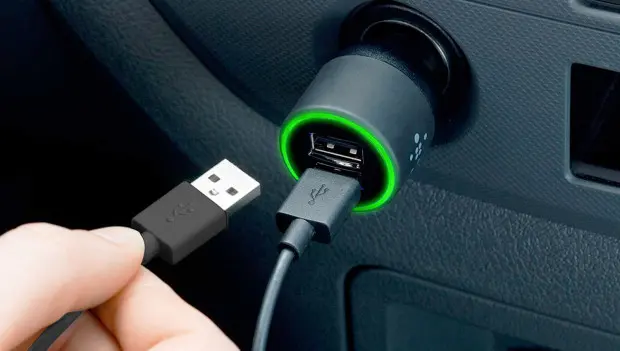
It is hard to imagine everyday life without a smartphone. We use our phones to stay connected, stream entertainment and find our way around, but all of that requires keeping the battery charged. For many drivers, the easiest solution is to plug the phone into the car. But is that actually safe?
Auto30 took a closer look at whether charging your phone in the car can drain or damage the vehicle’s battery.
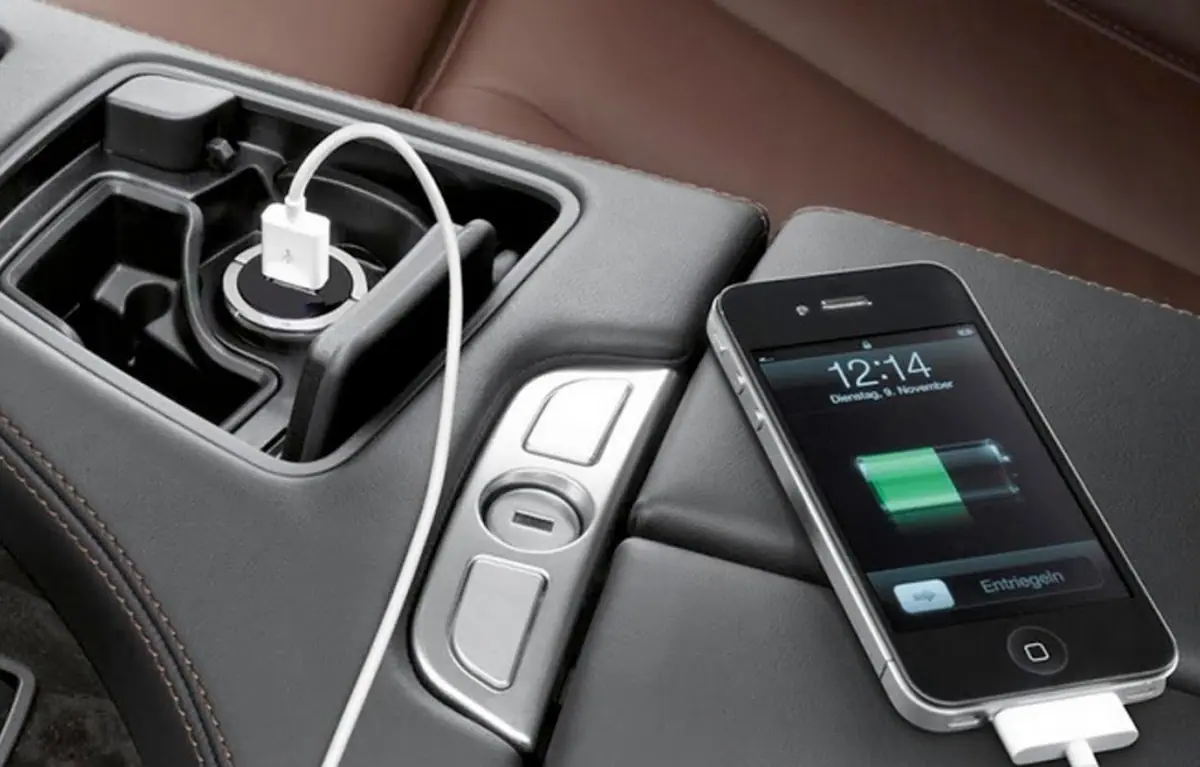
Is Your Car Battery Designed to Charge a Phone?
When you charge a phone while the engine is running, the alternator keeps the car’s battery supplied with electricity by converting mechanical energy from the engine into electrical power.
In most cases, the vehicle’s electrical system has more than enough capacity to run the car’s electronics while also charging a smartphone. The small amount of power required by a phone is generally insignificant compared with the electrical demands of the vehicle itself.
How to Charge Your Phone Safely in the Car
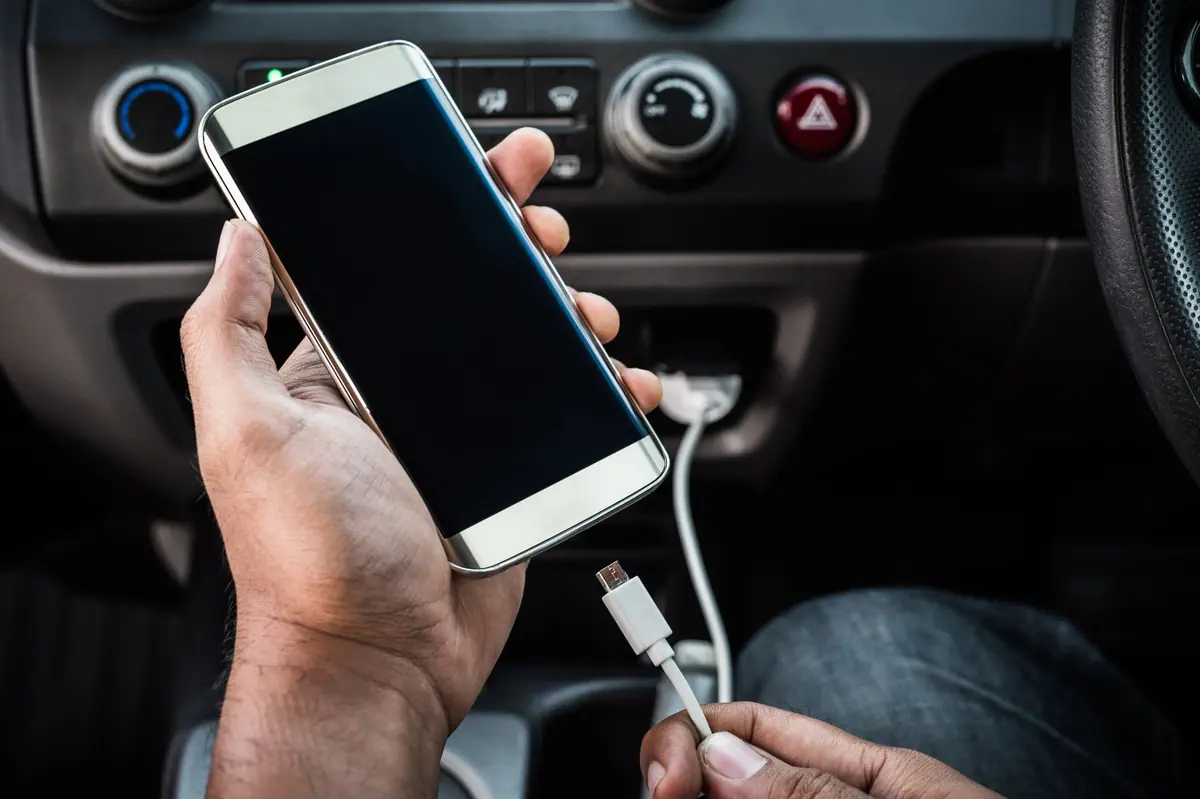
There are a few basic rules worth following if you regularly charge your phone behind the wheel. Start with a reliable charging cable from the smartphone manufacturer or a reputable brand.
It is also important to inspect the cable before using it. If it is frayed, cracked or otherwise damaged, replace it rather than continuing to use it.
Experts also warn against extremely cheap, low-quality USB car chargers. Poorly made adapters can cause problems for both the phone and the vehicle’s electrical system.
A car battery stores considerably more energy than a smartphone battery. That means there is normally plenty of power available to charge a phone even with the engine switched off.
The problem is that the alternator stops charging the battery when the engine is off. If you leave your phone plugged in for a long period, the battery can gradually lose enough charge to make starting the vehicle difficult.
This is unlikely to be an issue with a healthy battery, but an older or weakened battery may not have enough reserve power. In that situation, charging a phone could contribute to a no-start situation.
What to Keep in Mind When Charging Your Phone
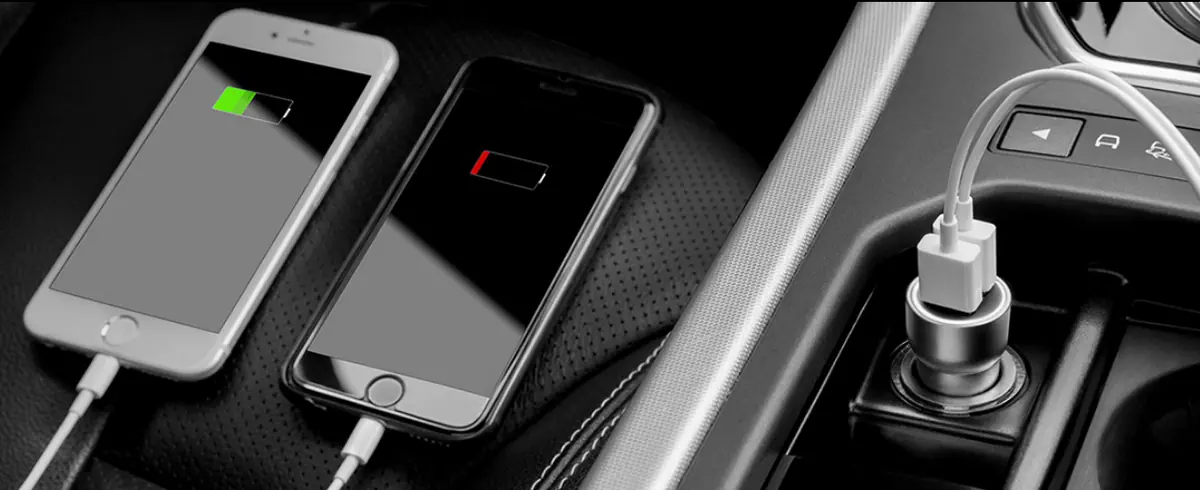
Heat is another factor to consider, particularly when charging a phone inside a parked car with the engine turned off.
Smartphones naturally generate some heat while charging. If the interior of the vehicle is already hot, temperatures can rise even further. Excessive heat can affect the phone’s battery and, in some cases, cause the charging process to slow down or stop altogether.
For everyday use, charging a phone from a running vehicle is generally not something drivers need to worry about. The bigger concern comes from leaving devices plugged in for extended periods when the engine is off, especially if the car’s battery is already showing signs of age.
You may also be interested in the news:

Invisible Cows and a 17.3 MPH Speed Limit? 4 of America's Strangest Road Signs
From invisible cows to alien highways, these unusual American road signs turn ordinary drives into unforgettable roadside surprises.
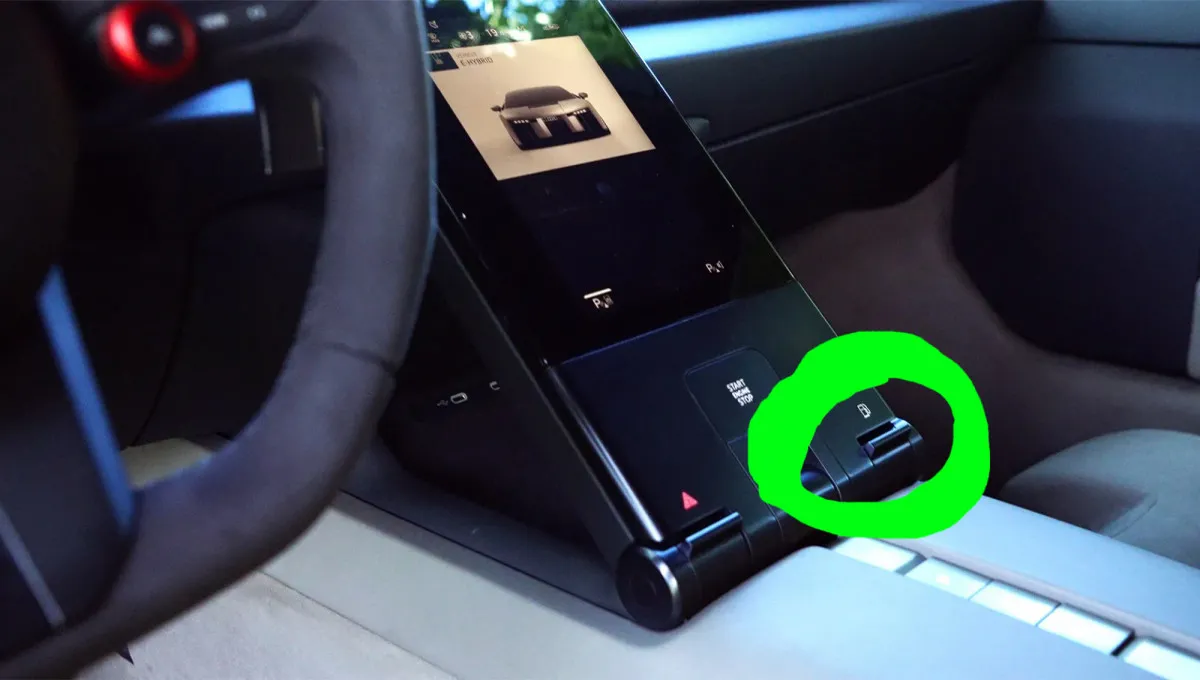
Solving the Mystery of the Audi Nuvolari’s Massive Fuel Door Button
Audi’s striking Nuvolari supercar has an unusually large fuel door button, and its placement may reveal an unexpected connection.
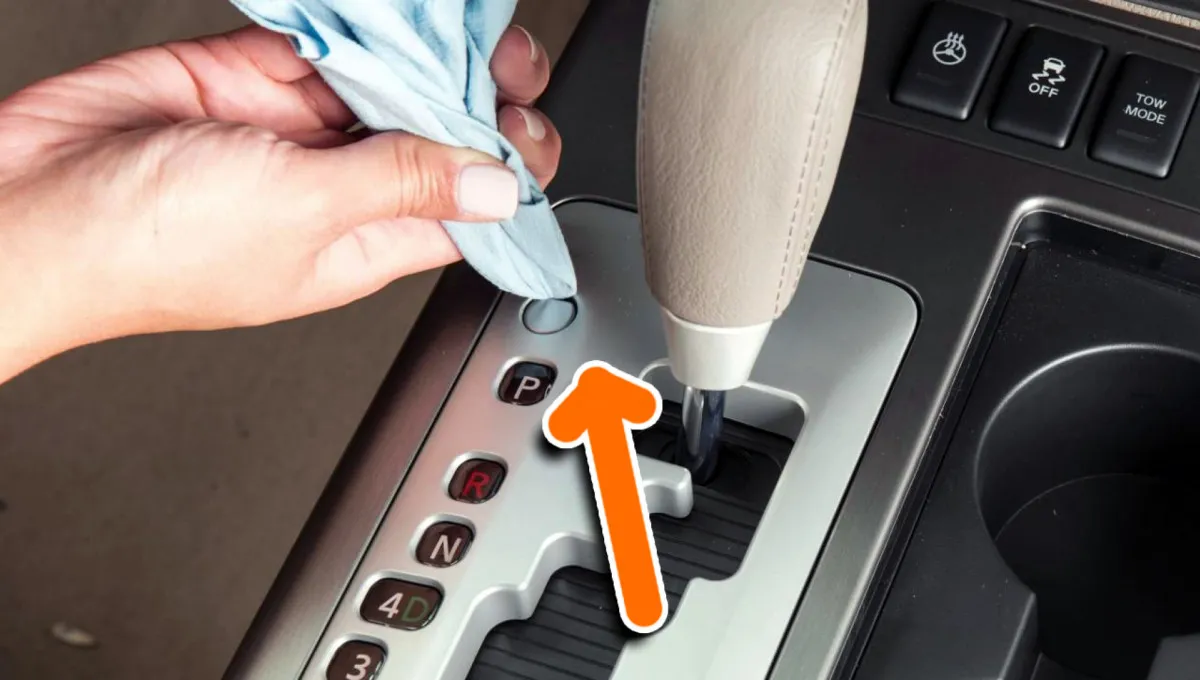
Tow Truck Driver Reveals a Hidden Car Feature That Could Save Your Life in an Emergency
A professional tow truck driver revealed a little-known feature that can help drivers move a disabled vehicle to safety.
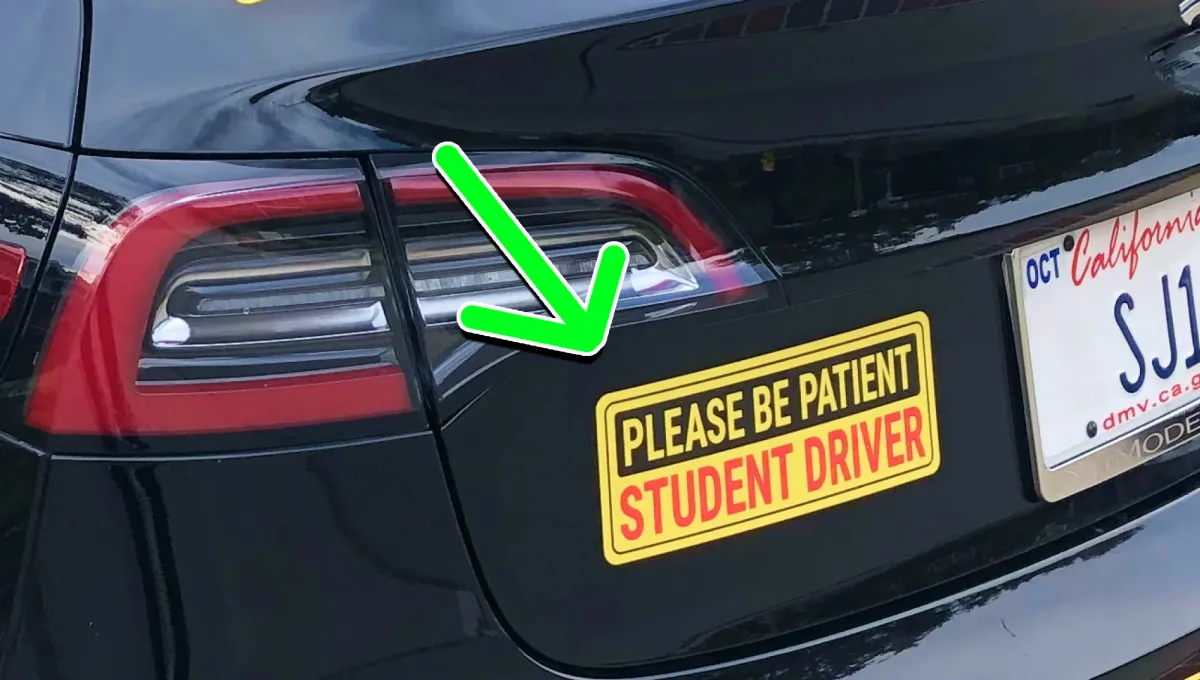
The Household Staple That Helps Remove Bumper Stickers Without Damaging Your Car
Removing an old bumper sticker is easier with rubbing alcohol, which helps dissolve stubborn adhesive residue from your car.
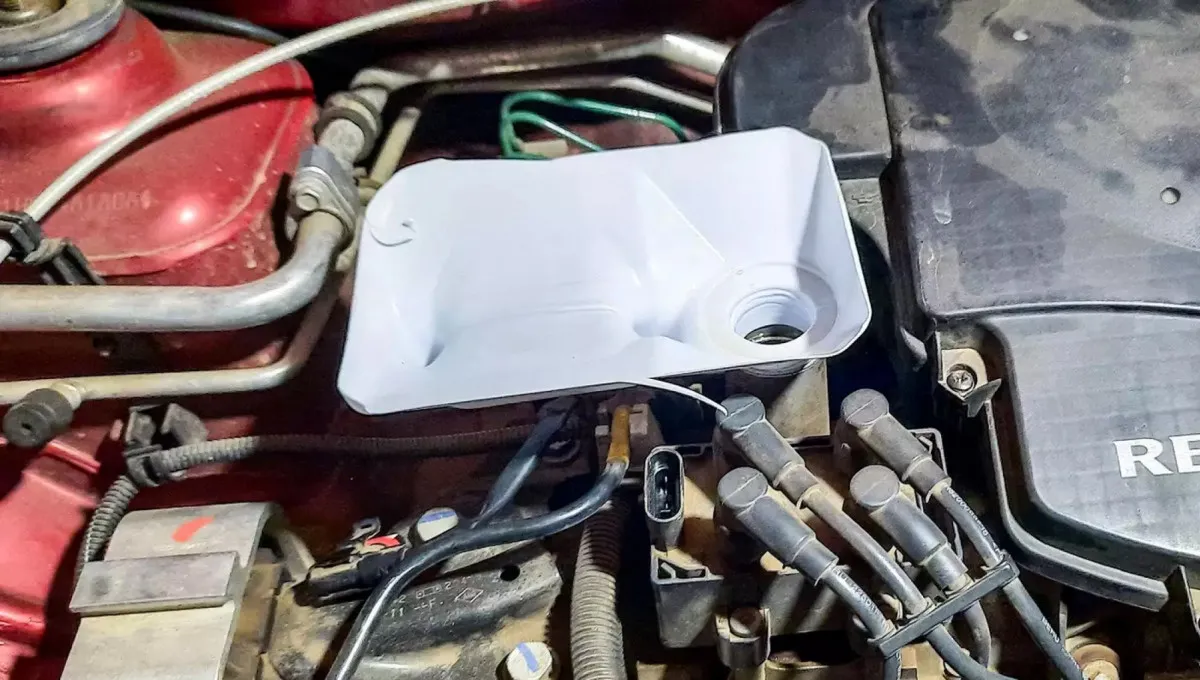
Useful for Many Drivers and Mechanics: This DIY Tool Makes Adding Engine Oil Much Easier
A simple homemade funnel helps drivers add engine oil cleanly, avoid spills, and reach hard-to-access filler openings.