
What Mazda’s Name and Logo Really Mean: Few People Know the Full Story
Mazda’s history goes far beyond cars, including a little-known chapter involving wartime weapons production.

Mazda is a familiar name to drivers in the U.S. and around the world. The brand has long attracted buyers with its distinctive styling and driving characteristics. But the story behind the Mazda name is just as interesting as the cars themselves.
Here’s a closer look at why the automaker is called Mazda and what its iconic logo is supposed to represent.

How the Mazda Name Came About
The Mazda name has two commonly cited origins: the surname of the company’s founder and the name of an ancient deity associated with wisdom. That combination has made the brand’s history particularly intriguing to automotive historians.
The company was founded in 1920 as Toyo Cork Kogyo. A year later, Jujiro Matsuda took over the company and shifted its focus toward machinery manufacturing, eventually paving the way for automobile production.
The Mazda name first appeared in 1931, when the company introduced its first vehicle, the Mazda-Go, a three-wheeled commercial truck.
There is a straightforward connection to Matsuda’s name, too. The Japanese pronunciation of “Mazda” sounds similar to “Matsuda,” which is widely considered one of the main reasons the name was chosen.

The Divine Connection Behind the Name
There is also a more symbolic explanation for the Mazda name. It is associated with Ahura Mazda, an ancient deity representing wisdom, intelligence and harmony.
Mazda itself has described the connection in those terms, saying the company viewed Ahura Mazda as a symbol of the origins of both Eastern and Western civilization, as well as automotive culture.
The interpretation was also tied to ideals such as peace and the advancement of the automobile industry.
Mazda’s Little-Known Wartime Past
That emphasis on peace and harmony stands in sharp contrast to another chapter in the company’s history.
During World War II, Mazda began producing rifles and carbines. At the time, automakers and other industrial companies were often involved in wartime manufacturing. Ford, for example, operated plants dedicated to producing aircraft and military equipment.
Mazda’s weapons production ended after the atomic bombing of Hiroshima in August 1945. About 200 Mazda employees were killed in the bombing.
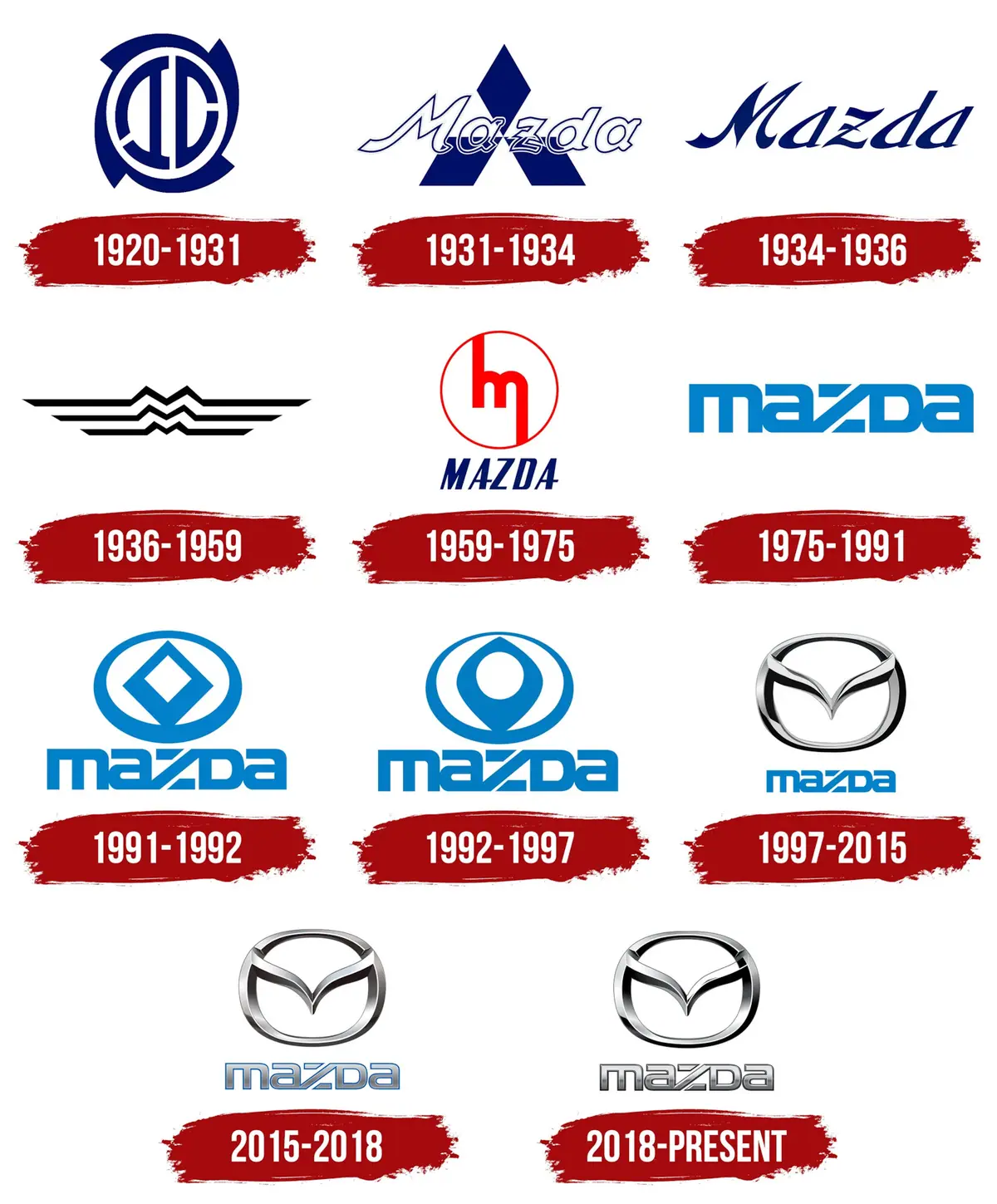
What Does the Mazda Logo Mean?
Mazda has redesigned its logo several times over the decades. The version featuring a stylized “M” inside an oval was introduced in 1996.
The oval is commonly associated with the sun, while the “M” represents Mazda. The shape can also be interpreted as a pair of outstretched wings, which are said to symbolize freedom and the company’s emphasis on self-expression.
Today, the Mazda badge is instantly recognizable, but its design carries considerably more history and symbolism than many drivers might realize.
You may also be interested in the news:
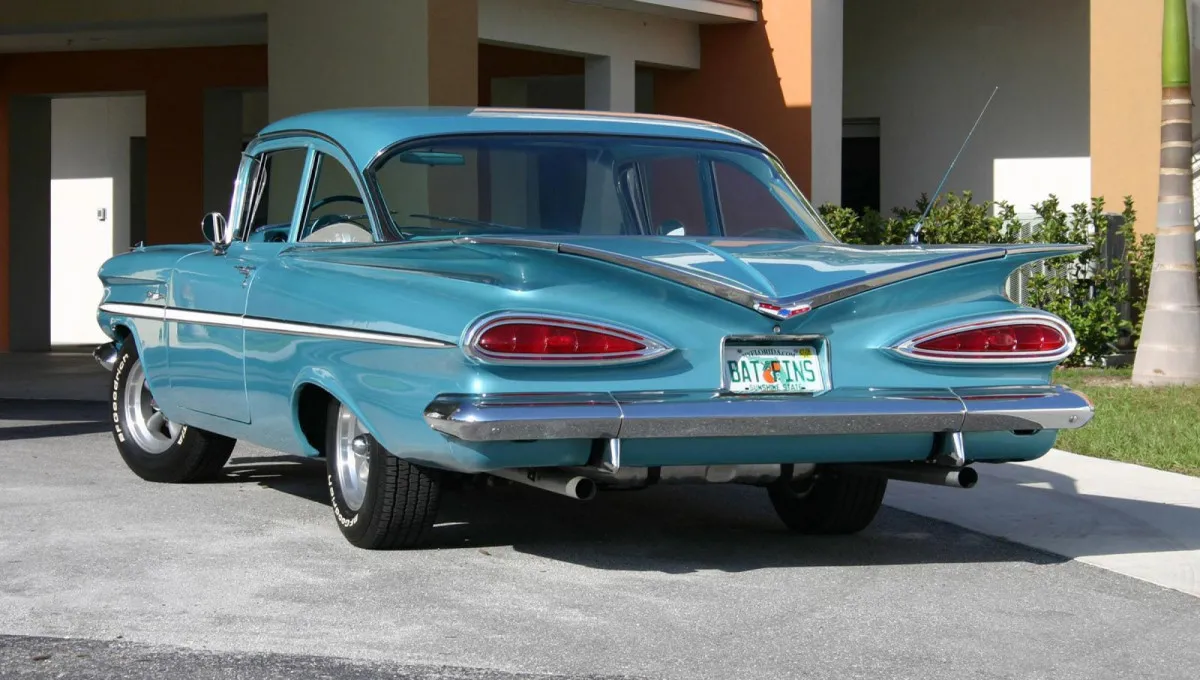
Elegance for Everyone: How Chevrolet Made Its 1960 Cars Stand Out
Chevrolet toned down its extravagant 1959 styling for 1960, bringing a more refined look to its affordable full-size cars.
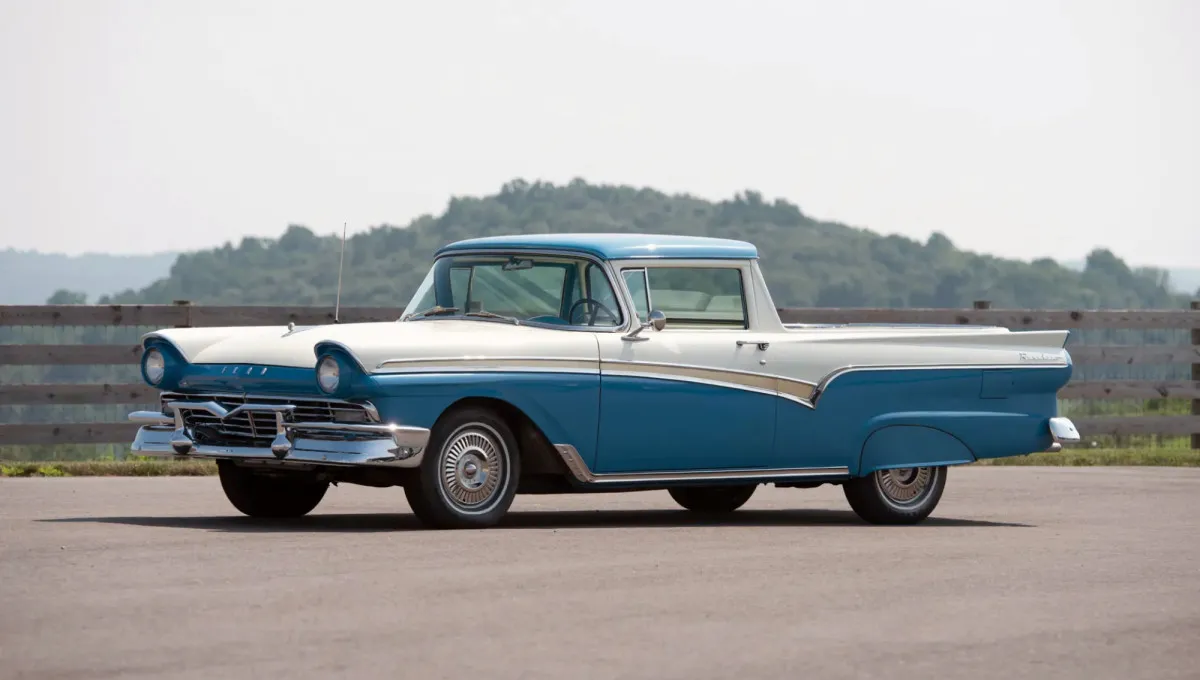
More Than a Car! More Than a Truck! The 1957 Ford Ranchero
The 1957 Ford Ranchero launched a new kind of American vehicle, blending passenger-car styling with pickup-truck utility years before the segment took off.
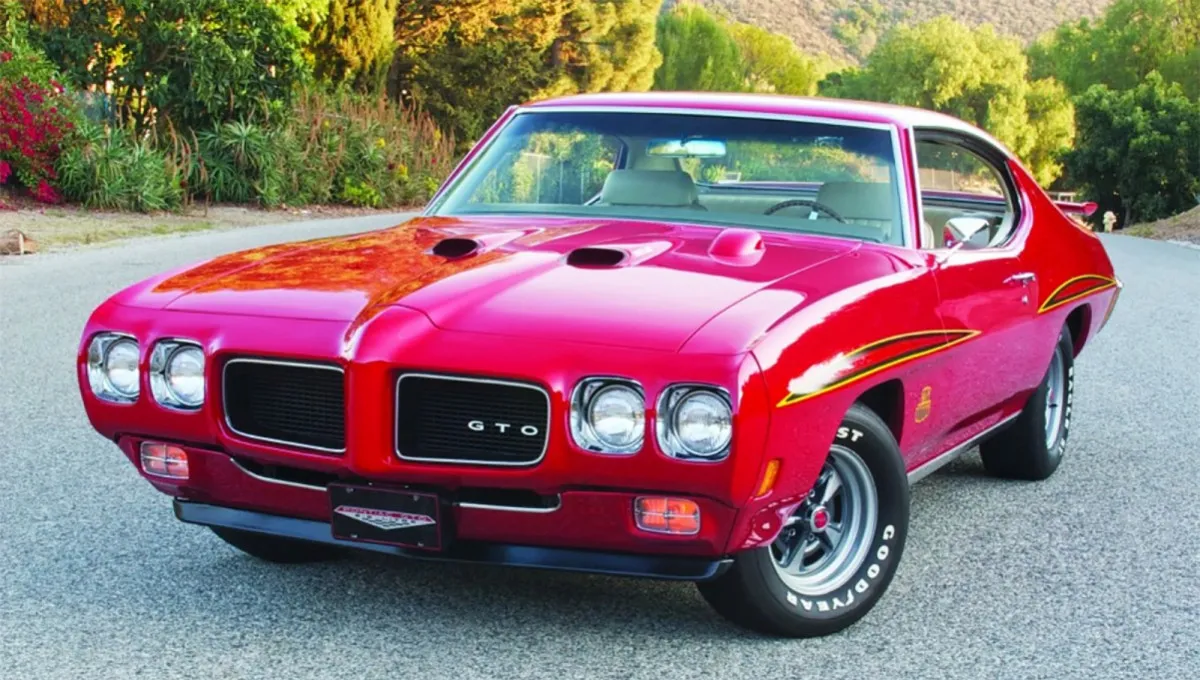
Pontiac's 1970 GTO Had a Wild Exhaust Option—Only 233 Cars Got It
Pontiac offered an unusual exhaust system for the 1970 GTO, but the factory option didn't last long.
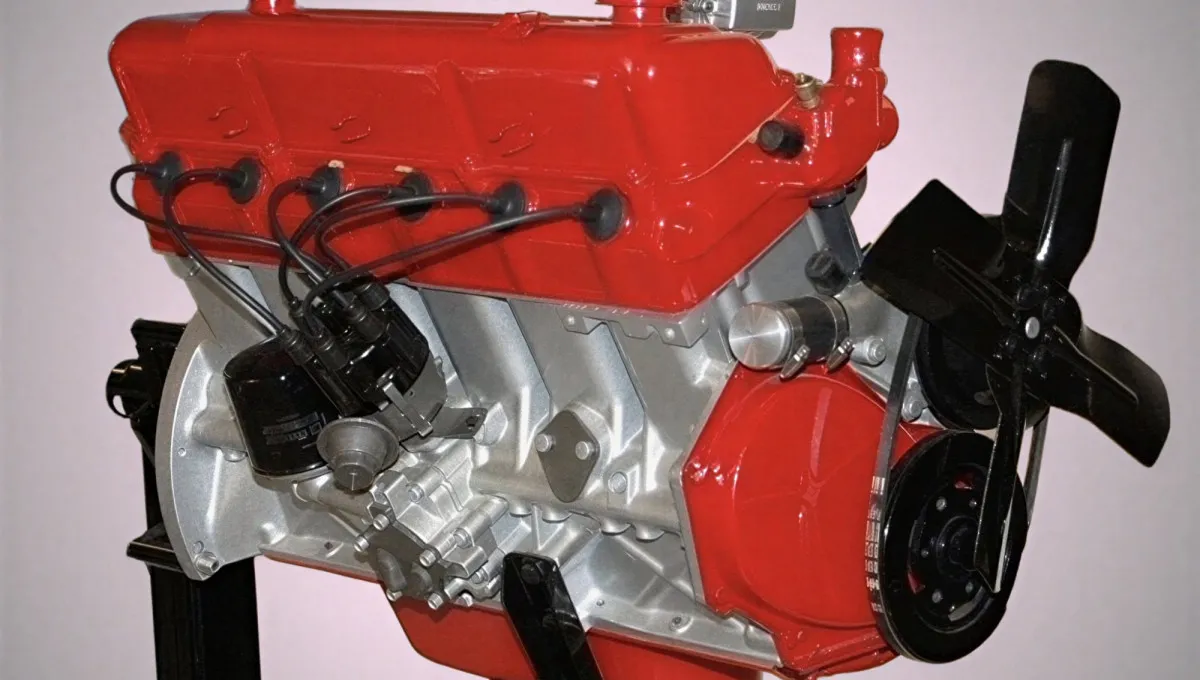
Chrysler's Aluminum Slant 6 Engine: The Lightweight Experiment of 1961–1963
Chrysler built more than 50,000 cars with an aluminum-block Slant 6 before production challenges brought the project to an end.
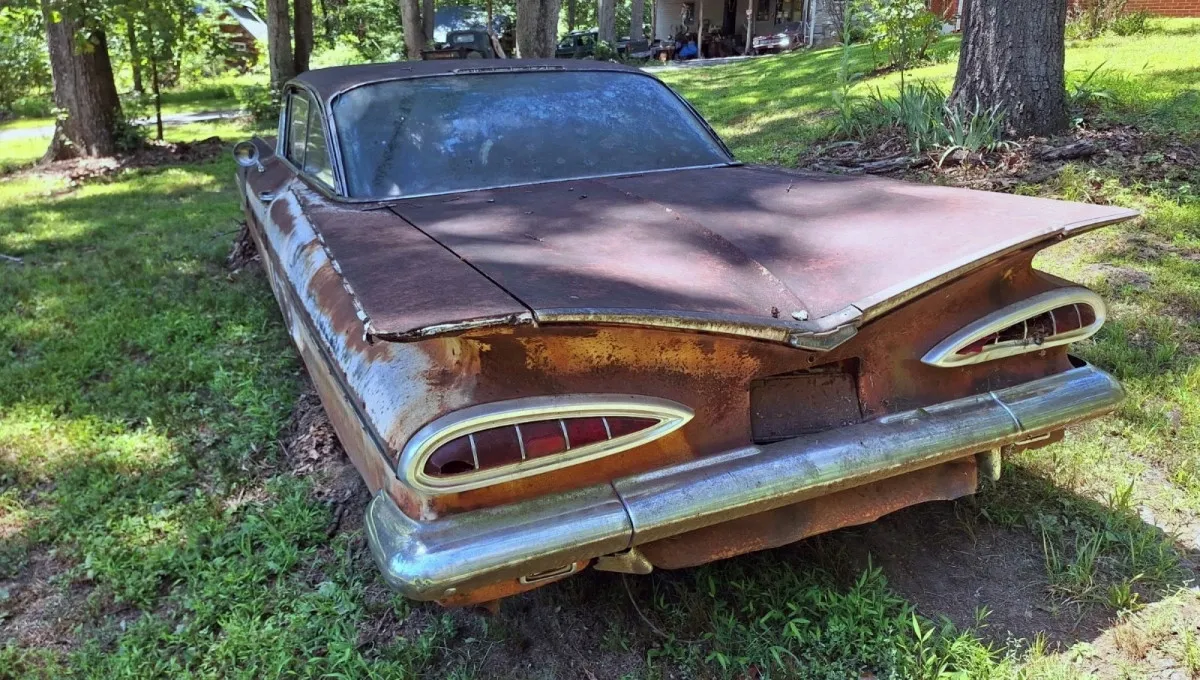
1959 Chevy Impala Parked in a Farm Begs for Restoration As Owner Decides To Let It Go
This 1959 Chevrolet Impala has landed online with one big mission: it must convince a skilled restoration guy to give it a second chance