
Two Exhaust Pipes Instead of One: What Your Car’s Tailpipes Really Mean
Most modern cars have a single exhaust pipe, but there are plenty of exceptions—and some have two or more.
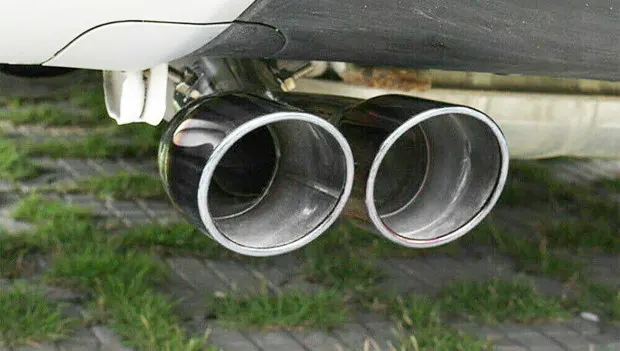
Every gasoline- or diesel-powered vehicle has an exhaust system designed to carry combustion byproducts away from the engine. But some vehicles use two exhaust pipes instead of one, while others may have three or even four.
So why do some cars need multiple exhaust pipes?
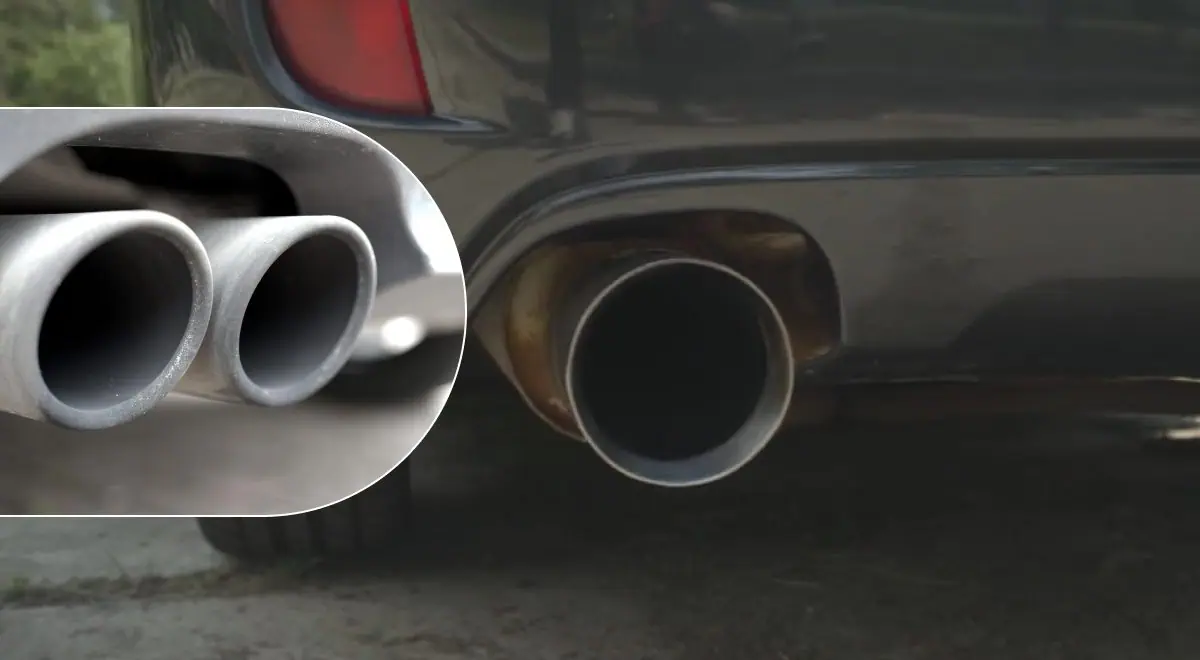
Why Do Some Cars Have Two Exhaust Pipes?
According to experts at SlashGear, most modern vehicles have a single exhaust pipe, but some models use two, three, or even four. They typically exit through the rear bumper, although exhaust outlets can sometimes be found near the front doors or behind the front wheels.
The main reason some cars use two exhaust pipes instead of one has to do with backpressure. In general, an engine performs better when it can move exhaust gases out of the system quickly and efficiently while minimizing backpressure.
“A car with a single exhaust pipe will have more backpressure because the gases have only one outlet. Sometimes one exhaust pipe isn’t enough to move the gases out quickly, making dual exhaust necessary, especially on larger engines with more cylinders,” the report says.
In some cases, a car may have three or four exhaust tips at the rear purely for appearance. One notable exception is high-performance cars making more than 1,000 horsepower, where multiple exhaust outlets can serve a genuine performance purpose.
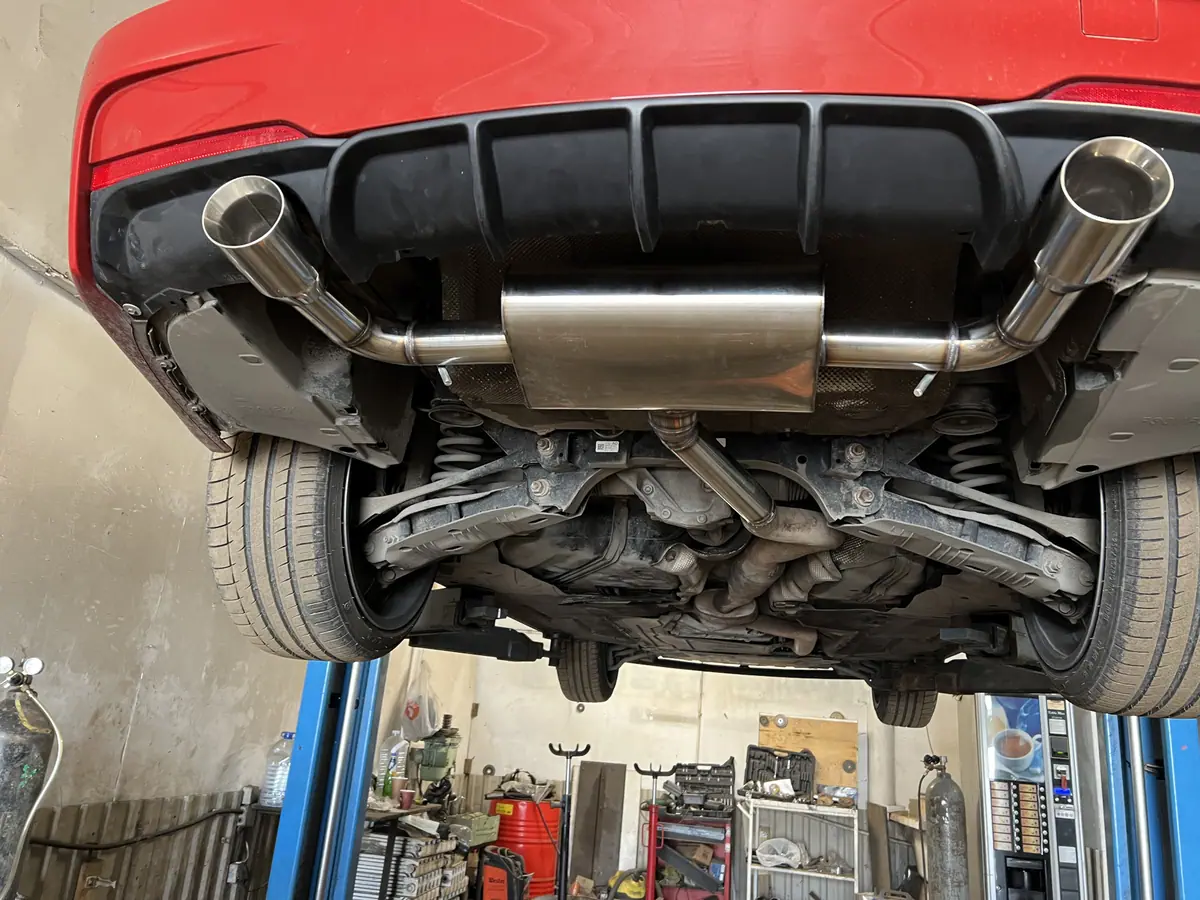
“If you see a car with a smaller engine and dual exhaust, it’s either a factory setup or an aftermarket performance exhaust,” the experts say.
A dual-exhaust system can be an effective way to improve a vehicle’s performance and give it a more aggressive exhaust note. It can also be added as an aftermarket upgrade, provided the vehicle is compatible with the system and the modification is actually necessary.
There is one potential downside, however: an upgraded exhaust system can make a car significantly louder than it was from the factory.
You may also be interested in the news:

Invisible Cows and a 17.3 MPH Speed Limit? 4 of America's Strangest Road Signs
From invisible cows to alien highways, these unusual American road signs turn ordinary drives into unforgettable roadside surprises.

Solving the Mystery of the Audi Nuvolari’s Massive Fuel Door Button
Audi’s striking Nuvolari supercar has an unusually large fuel door button, and its placement may reveal an unexpected connection.

Tow Truck Driver Reveals a Hidden Car Feature That Could Save Your Life in an Emergency
A professional tow truck driver revealed a little-known feature that can help drivers move a disabled vehicle to safety.

This Land Rover Is So Low It Nearly Scrapes the Road — And It Runs on VW Beetle Hardware
It looks like a classic Land Rover Series III, but this radically lowered custom hides a very different mechanical setup underneath.
Not Ford, BMW or Audi: Mechanic Names the Car Brand That Almost Never Breaks Down
Auto repair professionals reveal which models rarely suffer major failures and which ones repeatedly end up on the lift.