
A Real 1970 GTX Sat Under a Carport for 45 Years—Then Rescuers Found Its Holy Grail in the Back Seat
The 440 Six Barrel GTX sat untouched for 45 years, its factory broadcast sheet still hidden beneath the rear seat.
Barn finds are one thing. Finding an ordinary ’60s Mustang hardtop with an inline-six and an automatic is another. But uncovering a legendary big-block Mopar with three two-barrel carburetors, a four-speed manual, High-Impact paint, and a Pistol Grip shifter between the bucket seats after more than four decades under a carport is an entirely different story.
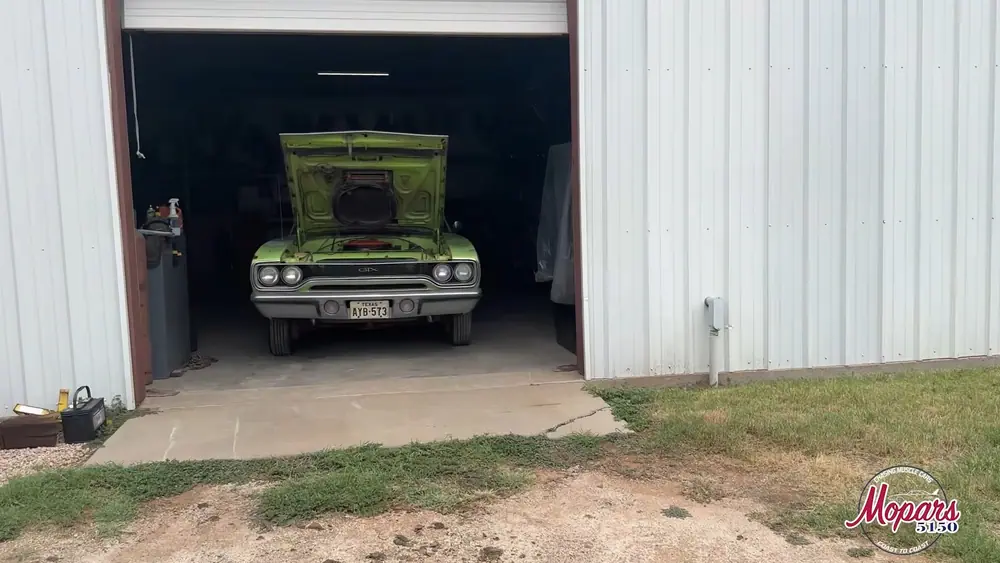
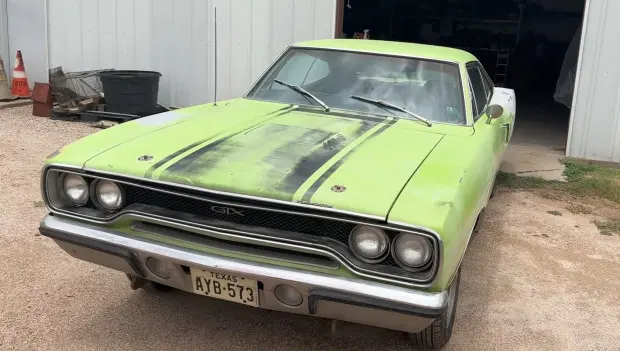
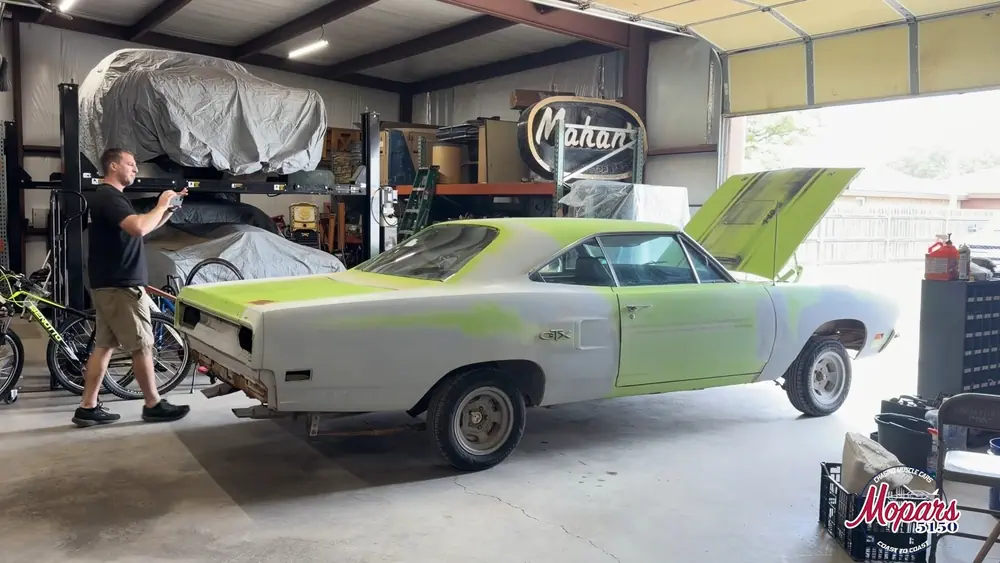
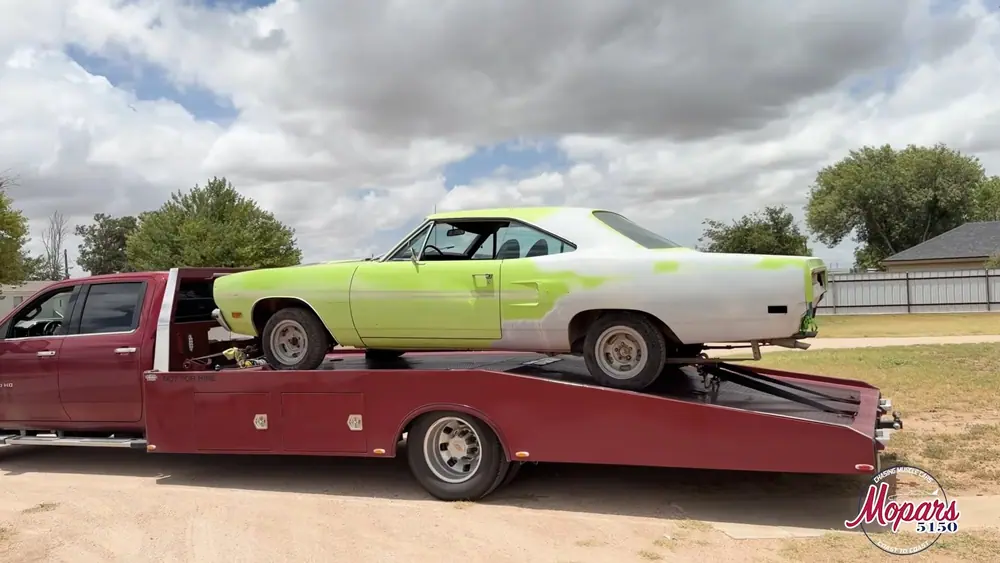
That is exactly what happened with this 1970 Plymouth GTX, partially covered in its original Limelight green and left almost frozen in time.
When Dodge introduced the Charger in 1966, the upscale Coronet derivative failed to deliver the sales Chrysler had expected. But its existence also exposed a gap in Plymouth’s lineup. For 1967, the division answered with the GTX, a performance-oriented trim based on the B-body Belvedere.
The idea was straightforward: give Plymouth an answer to Dodge’s flashy fastback while creating a muscle car capable of challenging the new-for-1967 Coronet R/T.
The GTX became the most expensive Plymouth intermediate money could buy, yet it followed the Charger into disappointing showroom sales. For muscle-car buyers, however, the formula made plenty of sense. Like the Coronet R/T, the Belvedere GTX came standard with the 440-4 V8 and offered the 426 Hemi as an alternative.
Then 1970 arrived, following a year that had already changed the muscle-car formula.
In 1969, Chrysler decided that one carburetor arrangement was no longer enough. Two carburetors were still not enough, four barrels were nothing special, and fuel economy could be left to Slant Sixes and grandmothers.
The result was the 440 Six Pack for Dodge and the Six Barrel for Plymouth: a big-block that breathed through three two-barrel Holley carburetors.
The combination was powerful, durable, and built for street performance. Its run lasted only from 1969 through 1971, but during those three years it found its way into some of the most celebrated Mopars, including the Dodge Super Bee, Coronet, Charger, and Challenger, along with the Plymouth Road Runner, Barracuda, and GTX.
Chrysler installed exactly 13,883 of these induction systems on 440-cubic-inch engines during that period. The 1970 Plymouth Road Runner accounted for 3,940 of them, plus another 716 in Superbirds. The more upscale GTX sat at the other end of the production spectrum, with just 823 examples built for 1970 and 1971.
Put 390 horsepower and 490 lb-ft of torque into a B-body intermediate, and the result became something considerably more serious. A properly driven 440+6 B-body could twist its chassis and run a 13.7-second quarter-mile straight from the showroom.
When Plymouth finally made the Six Barrel available in the upscale GTX for 1970 and 1971, the upgrade over the standard 440-4 cost only $119. That combination also captured the entire idea behind the GTX: a hard-charging engine wrapped in a more refined package.
Plymouth called the GTX the "Gentleman’s Muscle Car"—a premium intermediate that exchanged the Road Runner’s stripped-down attitude for additional sound deadening, chrome, and sophistication.
From 1967 through 1971, Plymouth built 44,178 GTXs, including 18,940 during the 1968 model year alone.
For 1970, only 678 buyers chose the Six Barrel engine. Just 350 of those cars were ordered with the heavy-duty four-speed manual transmission.
That brings the story to West Texas.
The automotive treasure hunters behind the Mopars5150 YouTube channel recently traveled to Seminole, Texas, where they went looking for a factory Limelight green 1970 Plymouth GTX equipped with the 440 Six Barrel, Pistol Grip shifter, and Dana 60 rear end.
What they found was a car that had spent decades suspended between neglect and preservation.
A local resident bought the GTX new and drove it hard before eventually passing it to a close friend who planned a careful restoration. Neither man would see that project finished. The original owner and his friend both died within a year of each other.
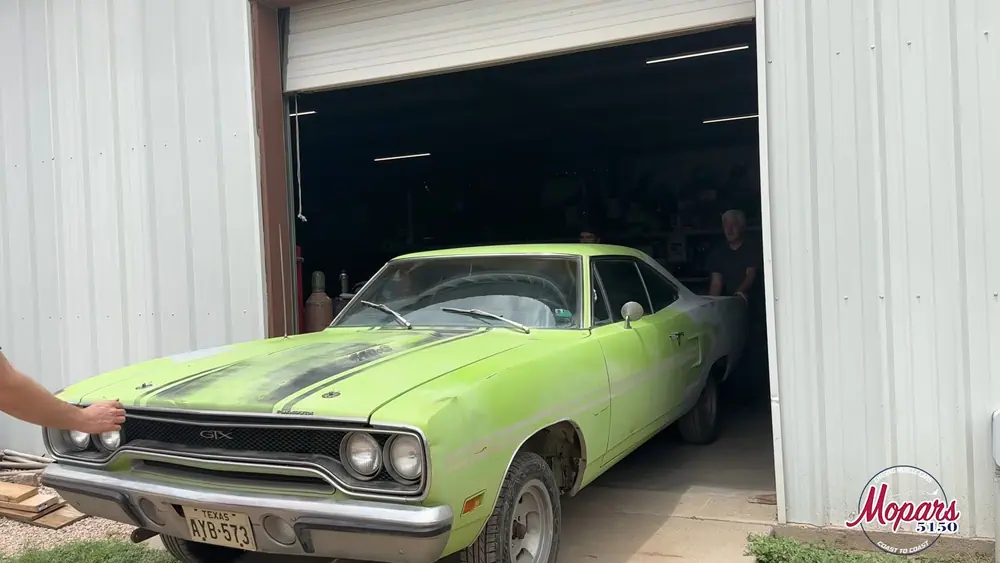
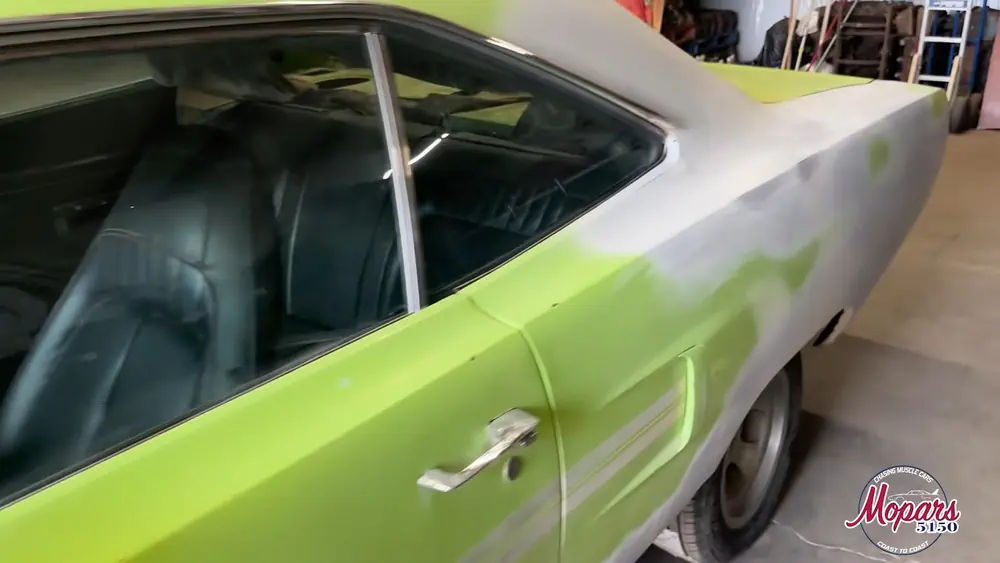
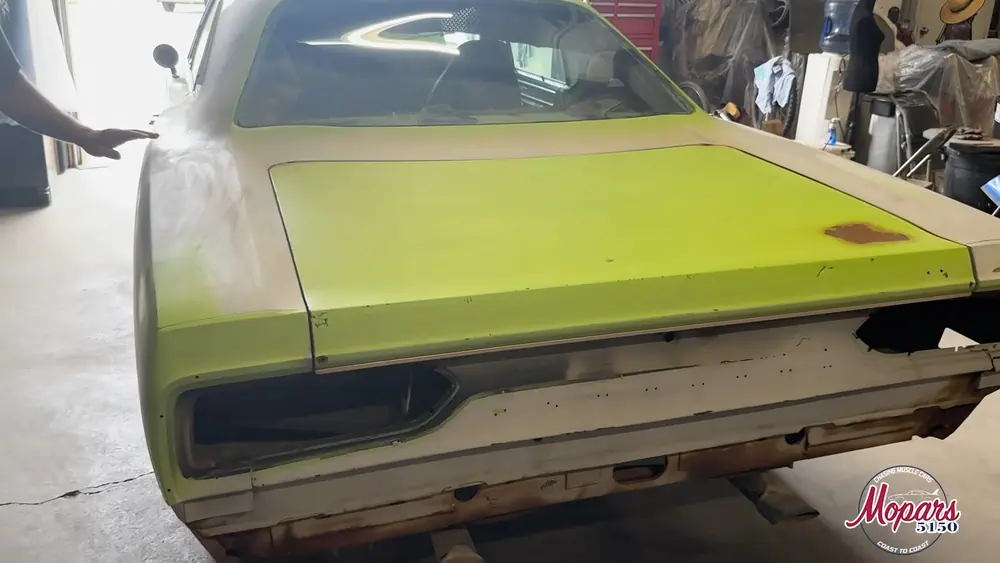
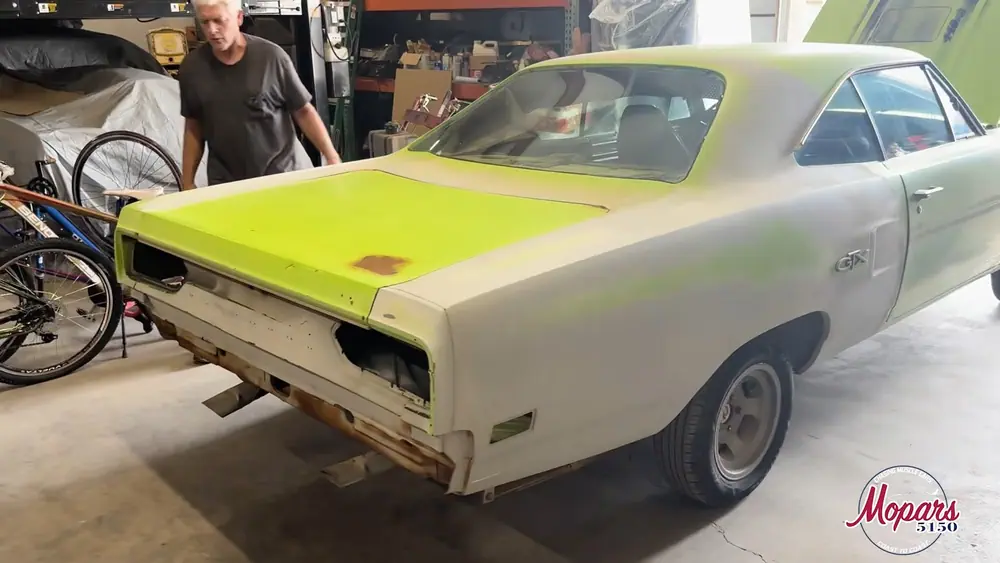
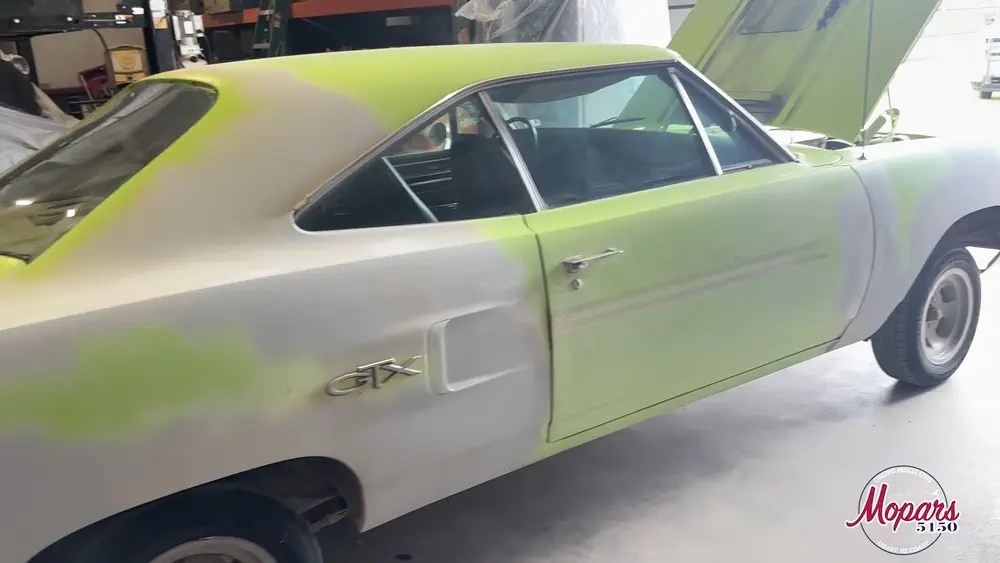
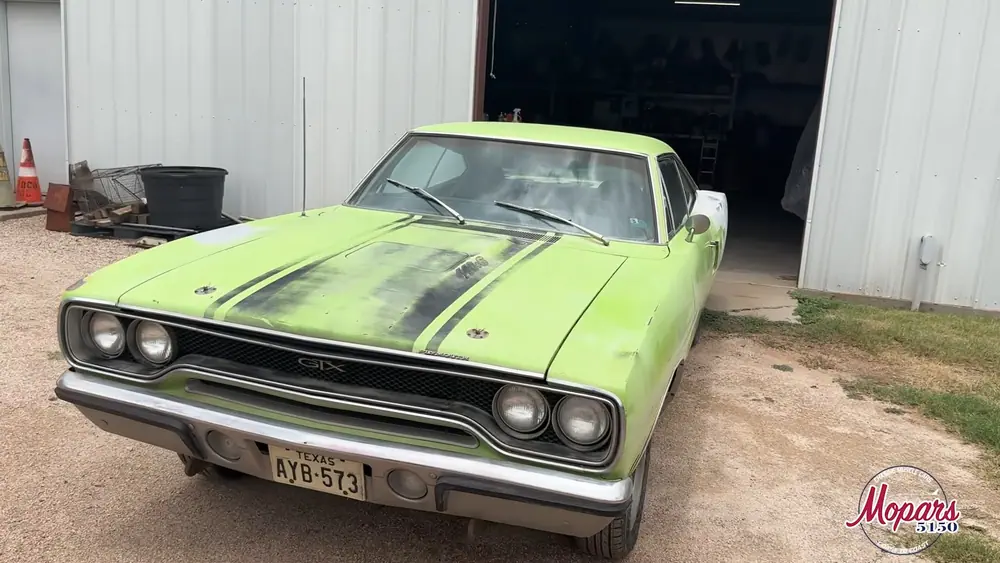
The GTX was then left under a carport for 45 years, exposed to the dry Texas heat. An October 1979 license plate remained attached, while a tow hitch sat on the bumper.
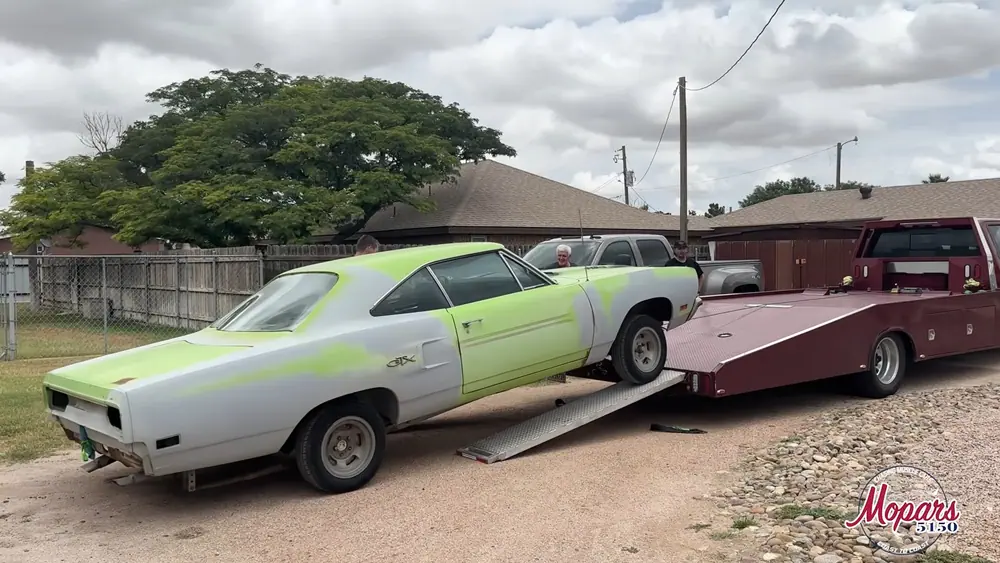
Its High-Impact Limelight paint had faded over the years. Gray primer, applied decades earlier by the man whose restoration plans were never completed, broke up the original finish.
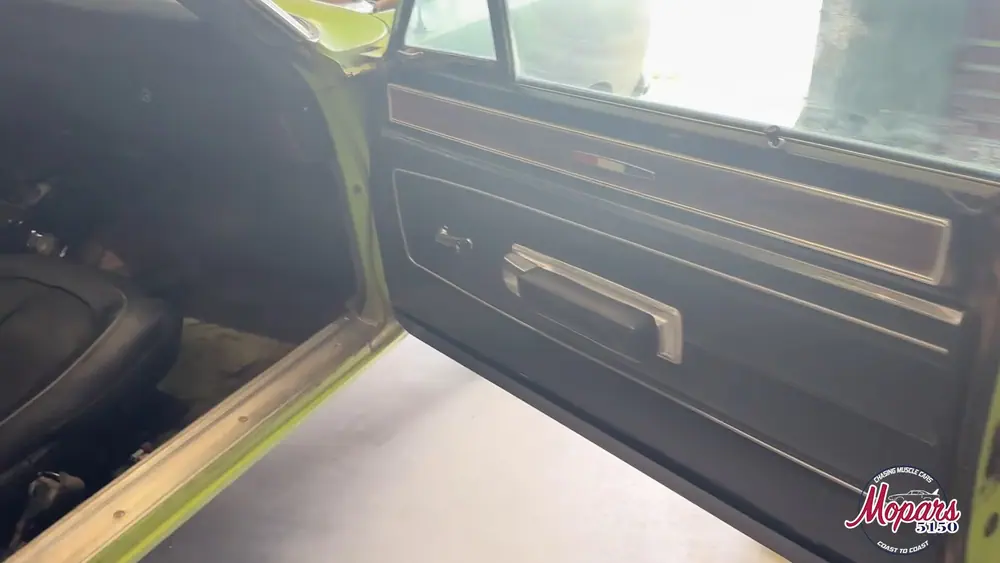
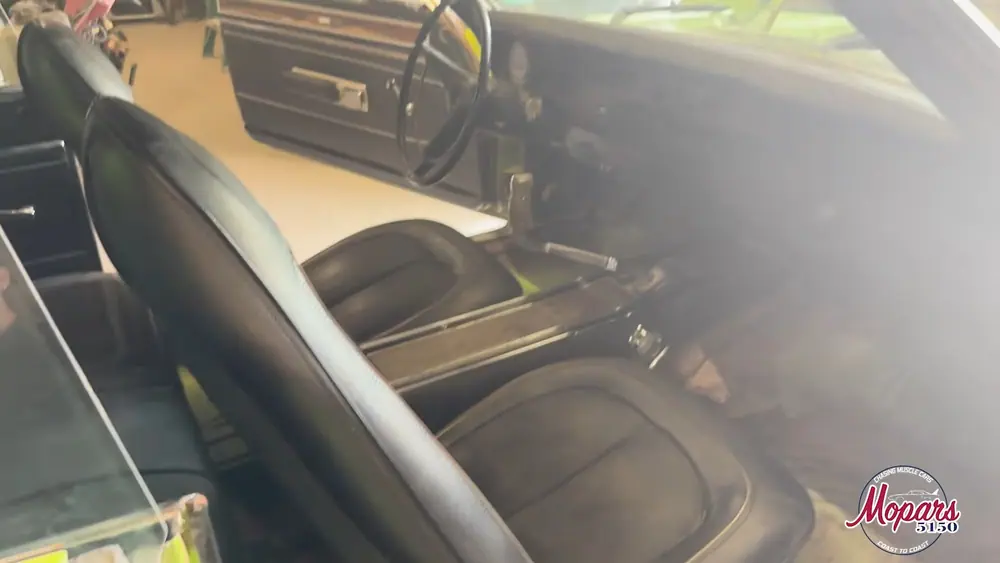
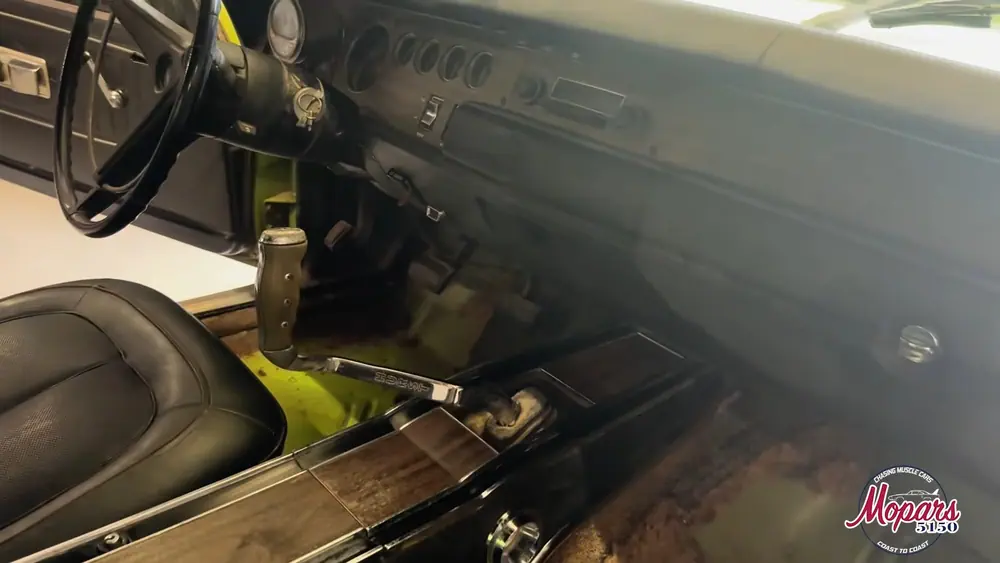
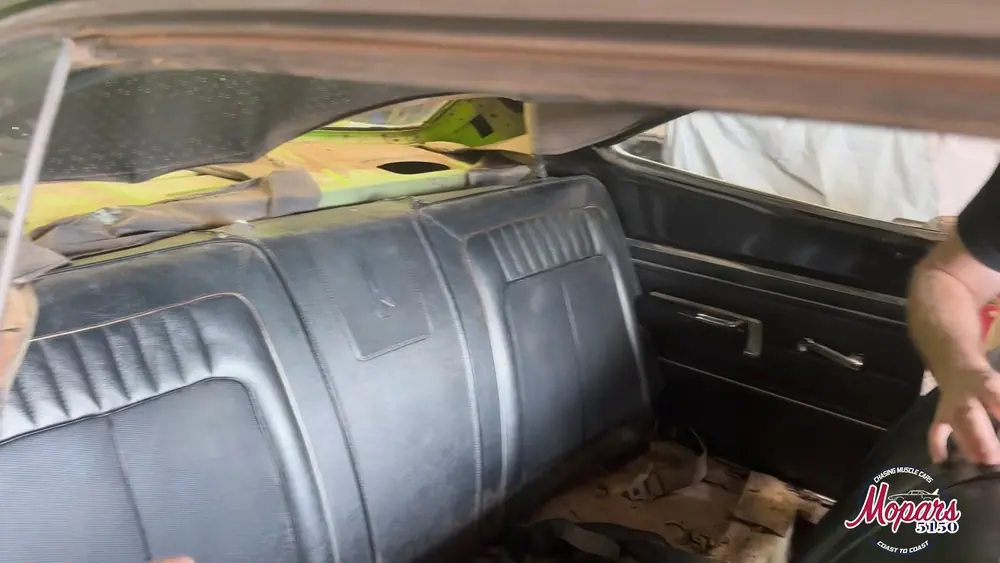
Inside, the GTX revealed a remarkably preserved snapshot of its past. Dust covered the cabin, but the original bucket seats and center console were still there beneath the radio.
At some point, previous caretakers cut sections out of the carpet to inspect the floorboards. Their crude inspection exposed solid Texas steel underneath.
Then came the discovery that changed the entire find.
They had left the original broadcast sheet tucked into the backseat backrest.
Watch as Tony and Davis, the designated Mopars5150 rescuers, pull the important document from beneath the springs.
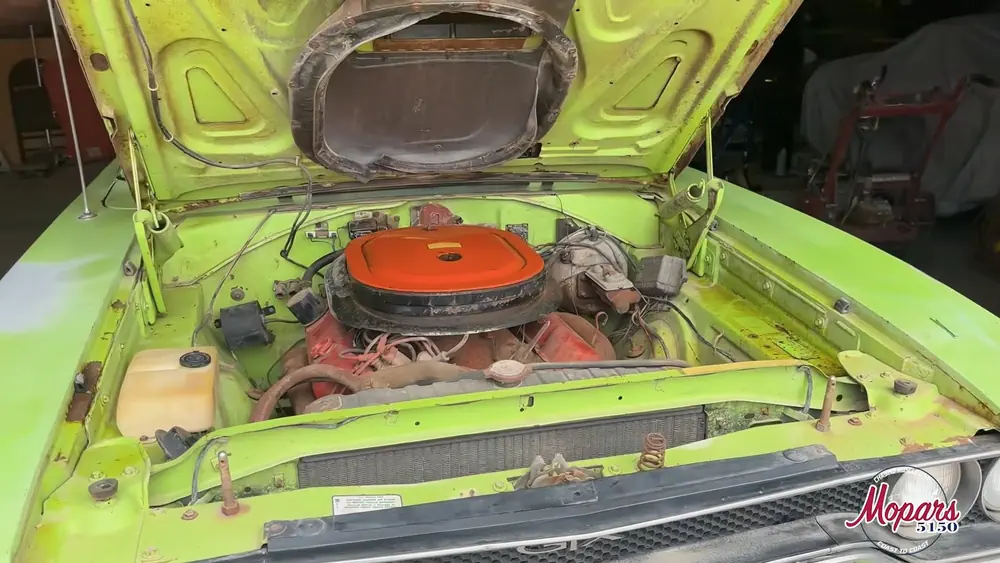
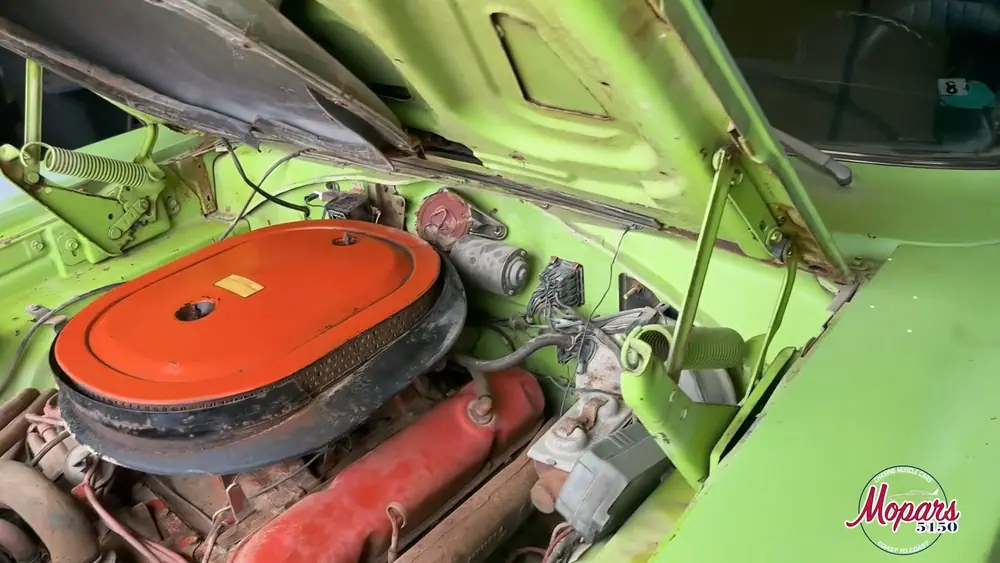
Under the hood, the car remained remarkably untouched. The engine bay still contained rare and fragile factory components, including the original idle-stop solenoid and the vacuum pod for the Air Grabber hood.
The biggest mystery, however, waited underneath the car.
The Mopars5150 crew went after the underside with a wire wheel and confirmed the presence of the mighty Dana 60 rear axle and the correct four-speed transmission.
Then they cleaned the VIN pad on the engine block.
There was nothing there.
The pad was completely blank.
In the Mopar world, that points toward a factory warranty replacement. Early in the GTX’s life, it likely experienced a catastrophic engine failure. With 390 horsepower and 490 lb-ft of torque on tap, the car had plenty of ability to suffer such a fate if driven the way Ma’ Mopar intended.
Plymouth apparently replaced the original block under warranty.
The fender tag fills in the rest of the car’s factory story. It confirms that this particular GTX left the St. Louis assembly plant with an aggressive collection of options before production was scheduled for December 10, 1969.
The factory covered the body and hardtop roof in High-Impact Limelight paint. Inside, premium black vinyl bucket seats were separated by a woodgrain center console.
The "E87" and "D21" codes identify the 440 Six Barrel and heavy-duty four-speed manual transmission. The "A33" Track Pak added the Dana 60 rear axle and 26-inch radiator.
The original buyer also selected power brakes, an AM radio, three-speed windshield wipers, dual exhaust, and the highly desirable "N96" Air Grabber hood with its matte black treatment.
In 1970, a base Plymouth GTX started at $3,535, putting it firmly among the more expensive muscle cars of the period.
This particular GTX climbed much higher once the original buyer finished checking the options, pushing the sticker comfortably beyond $4,500.
Now the Limelight GTX sits at the intersection of rarity, originality, and 45 years of history under a Texas carport.
The question is what should happen next.
Would you restore this time capsule to showroom condition, or leave its 45-year-old patina untouched and let the car tell its own story?
You may also be interested in the news:
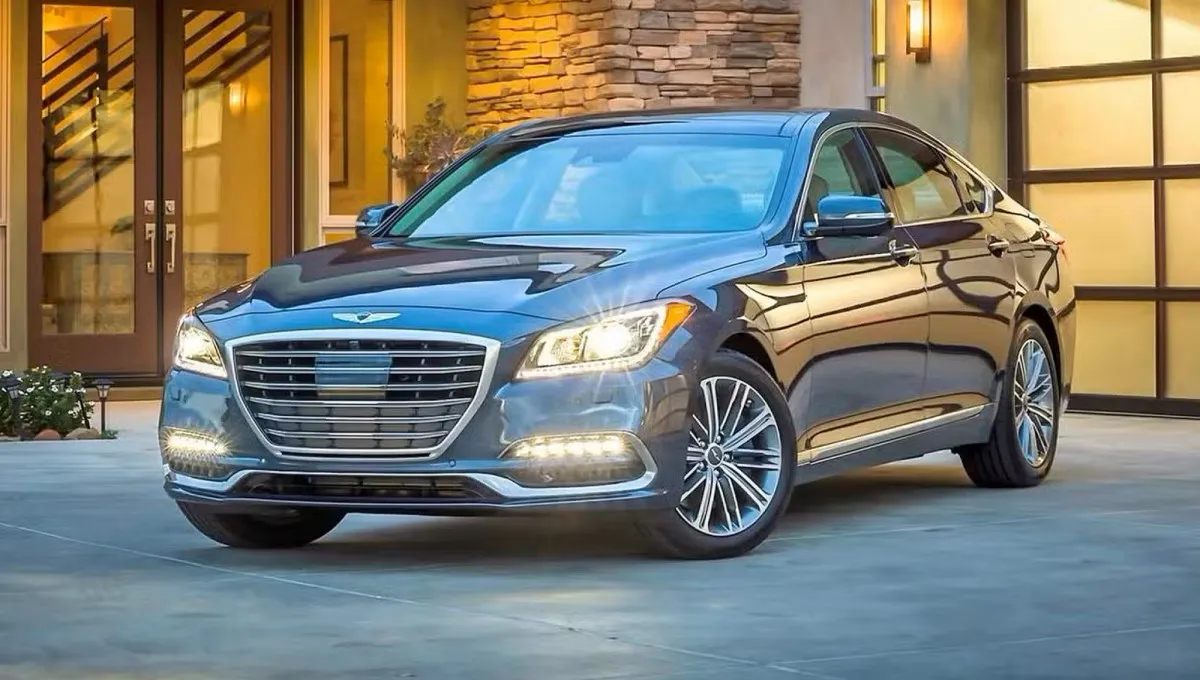
Hyundai Recalls Nearly 95,000 Genesis Sedans Over Fire Risk From Power Seats
Hyundai is recalling 94,622 Genesis sedans after a faulty power seat switch was linked to overheating and potential vehicle fires.
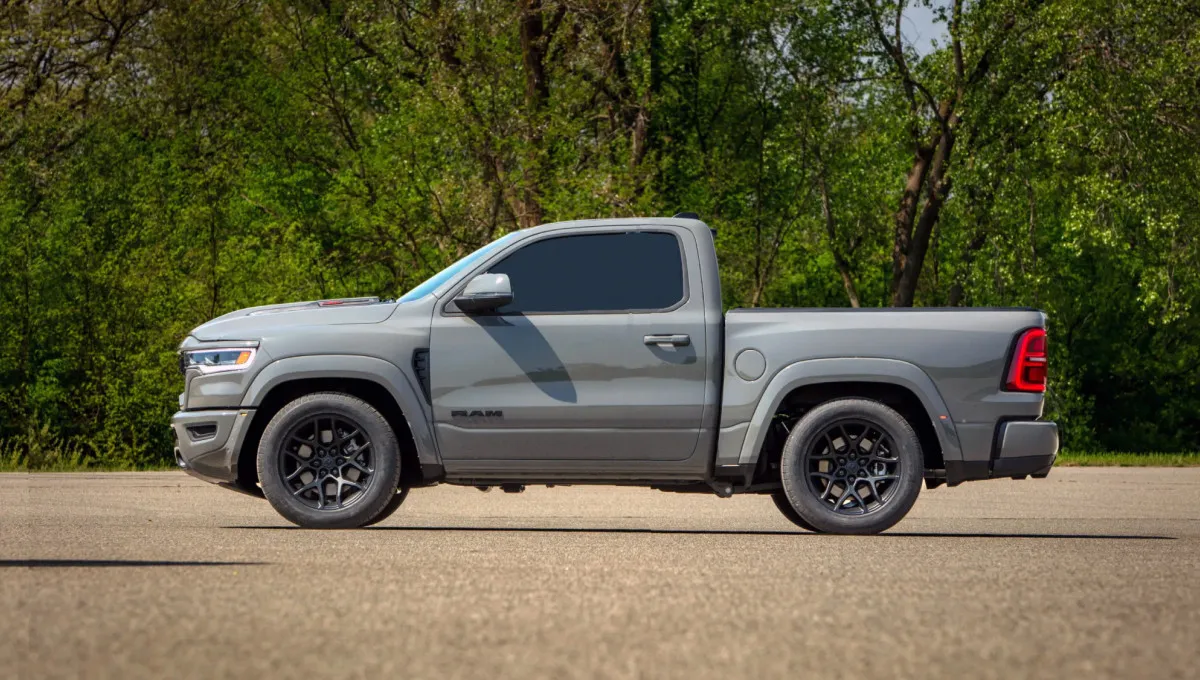
2027 Ram 1500 Rumble Bee: Pricing, Options and How to Build Yours
The 777-HP Ram Rumble Bee Is Coming — But You Can Buy the New Hemi Truck Now
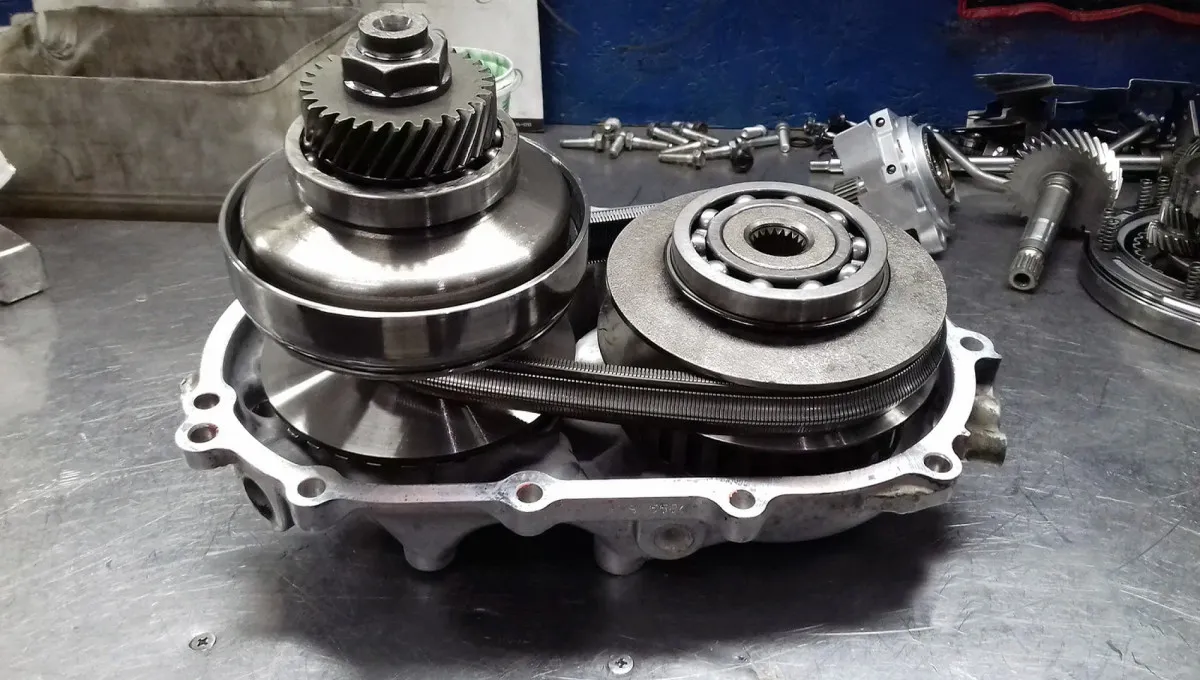
Why Experienced Drivers Still Warn Against Buying a Used Car With a CVT
CVTs offer smooth acceleration and good fuel economy, but expensive repairs and durability concerns make used models risky.
2026 Ram 1500 Recall: 16K Trucks May Have Faulty Tire Pressure Sensors
Ram is recalling 16,385 model-year 2026 Ram 1500 trucks
Harley-Davidson Riders Could Face $2,500 Fines Under New Law Targeting ‘Weaving’ on Roads
Arizona’s new motorcycle law targets lane splitting, exposing repeat offenders to steep fines, possible jail time, and license suspensions.