
The Mistake That Can Damage Your Engine: When You Shouldn’t Shut Your Car Off Immediately
Giving your engine a little time to cool down after a hard drive can help prevent expensive repairs and premature wear.
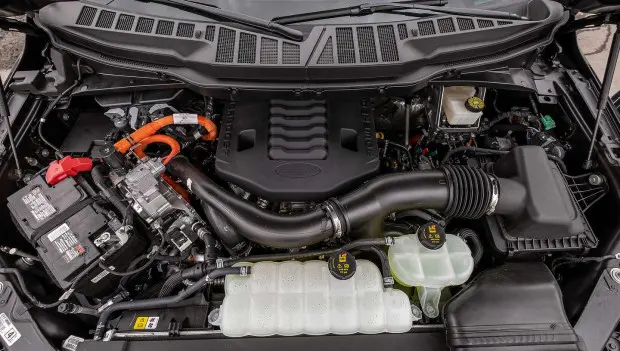
Most drivers are used to shutting off their car as soon as they reach their destination. But that everyday habit can put unnecessary stress on the engine and, in some cases, lead to an expensive repair bill.
So, we took a closer look at why you shouldn’t always turn off the engine immediately after a drive.
What Happens to the Engine After a Drive
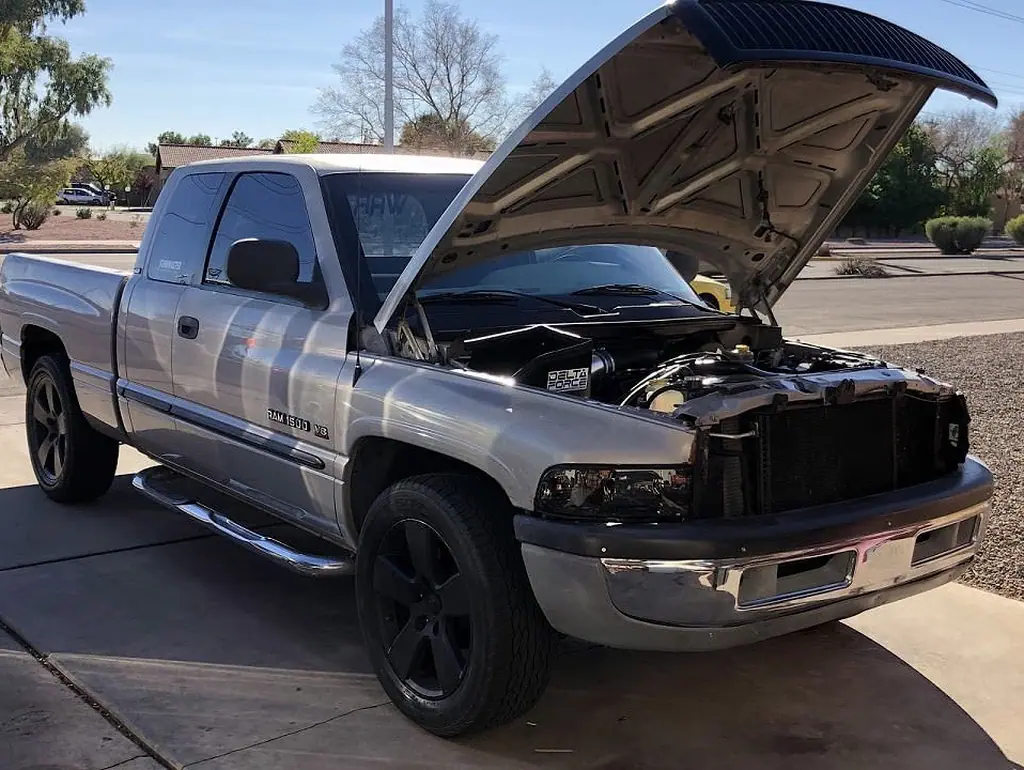
Even after a relatively short trip, an engine can reach extremely high operating temperatures. The heat can be even more intense after highway driving, spirited driving, or extended periods under heavy load. That’s why giving the engine a little time to cool down before shutting it off can be beneficial.
Experts say this is particularly important for turbocharged engines. A turbocharger uses exhaust gases to spin a turbine, which compresses incoming air and forces more oxygen into the engine. This allows the engine to produce more power from the same amount of displacement.
The turbocharger itself operates at extremely high temperatures and relies on engine oil for lubrication and cooling. If the engine is shut off immediately after heavy use, oil flow stops while some components are still extremely hot. Over time, repeated exposure to these conditions can accelerate wear and potentially contribute to turbocharger damage.
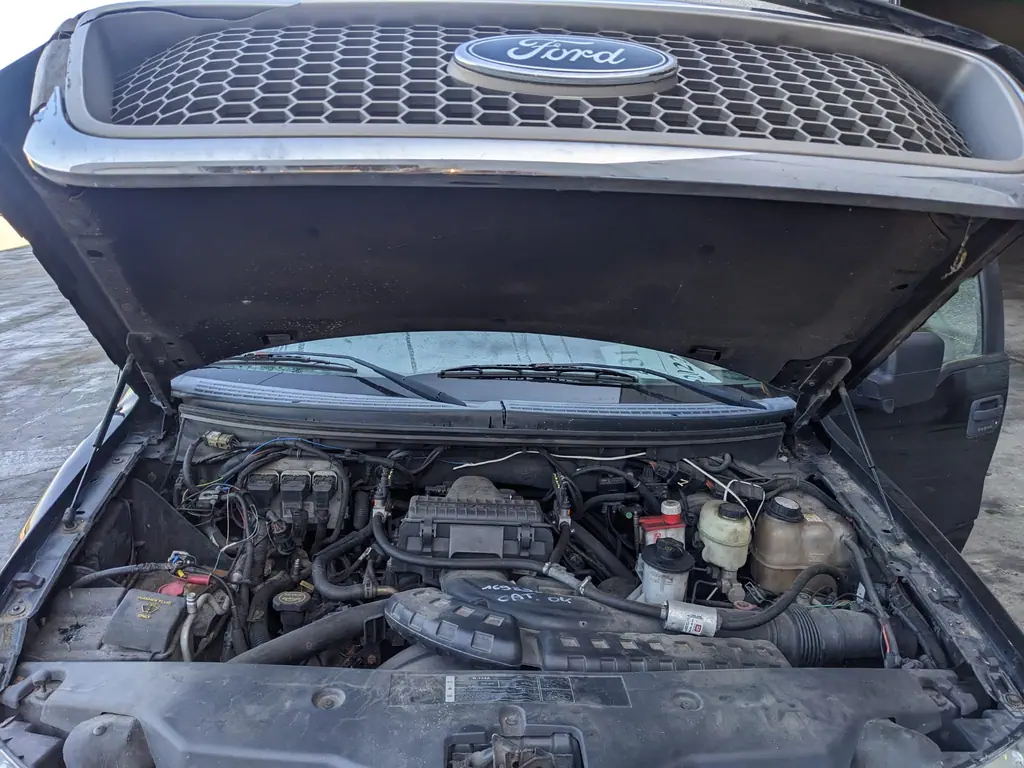
That’s why experts sometimes recommend letting the engine idle for a short period after a demanding drive.
“Although slowing down before reaching your destination helps bring engine temperatures down, it’s still a good idea not to overlook the cooling-down period.”
When Should You Turn Off the Engine?
After a hard drive, letting the engine idle for a minute or two can give the oil and other components some additional time to cool down. Over the long term, that small habit may help reduce unnecessary wear.
Failing to give a heavily worked engine time to cool can eventually result in an expensive repair. In turbocharged vehicles, one possible consequence could be premature turbocharger failure and the need for a costly replacement.
“It’s not recommended to shut the engine off immediately after arriving at your destination. Engine oil typically operates at temperatures at least 10 to 20 degrees Fahrenheit higher than coolant. So, if you shut the engine off when the oil is, for example, around 230 degrees Fahrenheit and do this repeatedly, you could risk damaging other engine components,” experts say.
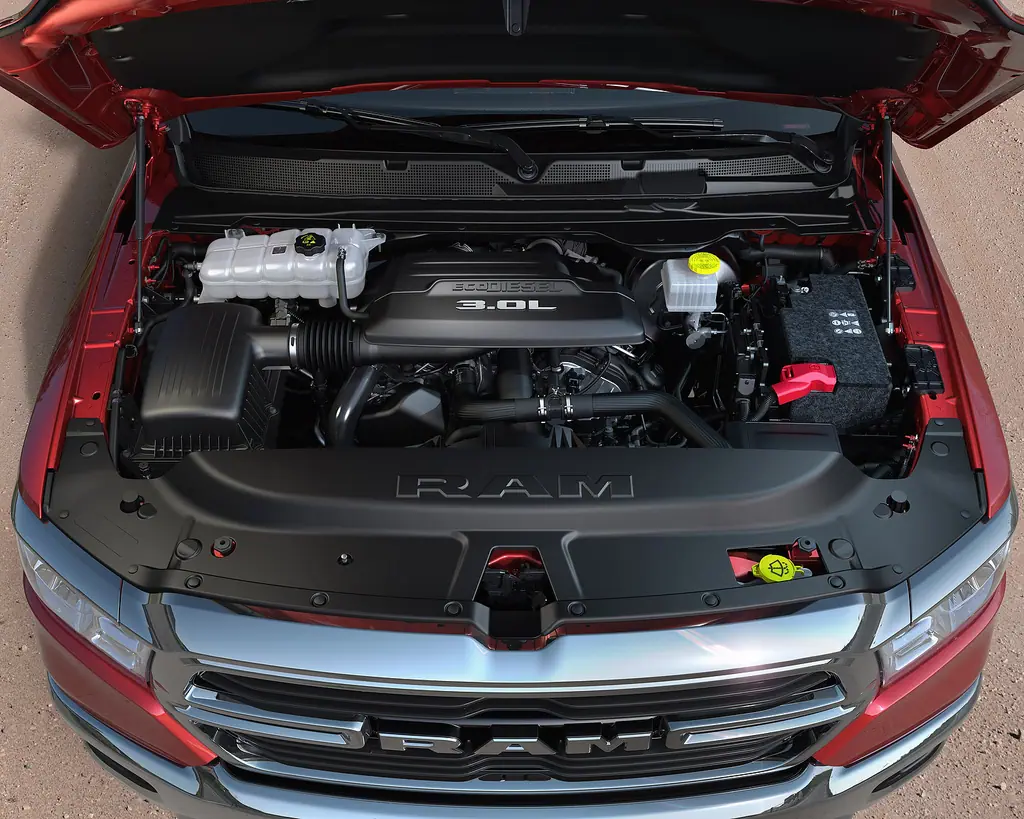
That doesn’t mean every car needs to sit and idle for several minutes after every trip. Modern engines and cooling systems are designed to handle normal driving conditions. The extra cooldown period is most useful after sustained high-speed driving, towing, hard acceleration, or other situations that put significant heat into the engine and turbocharger.
You may also be interested in the news:
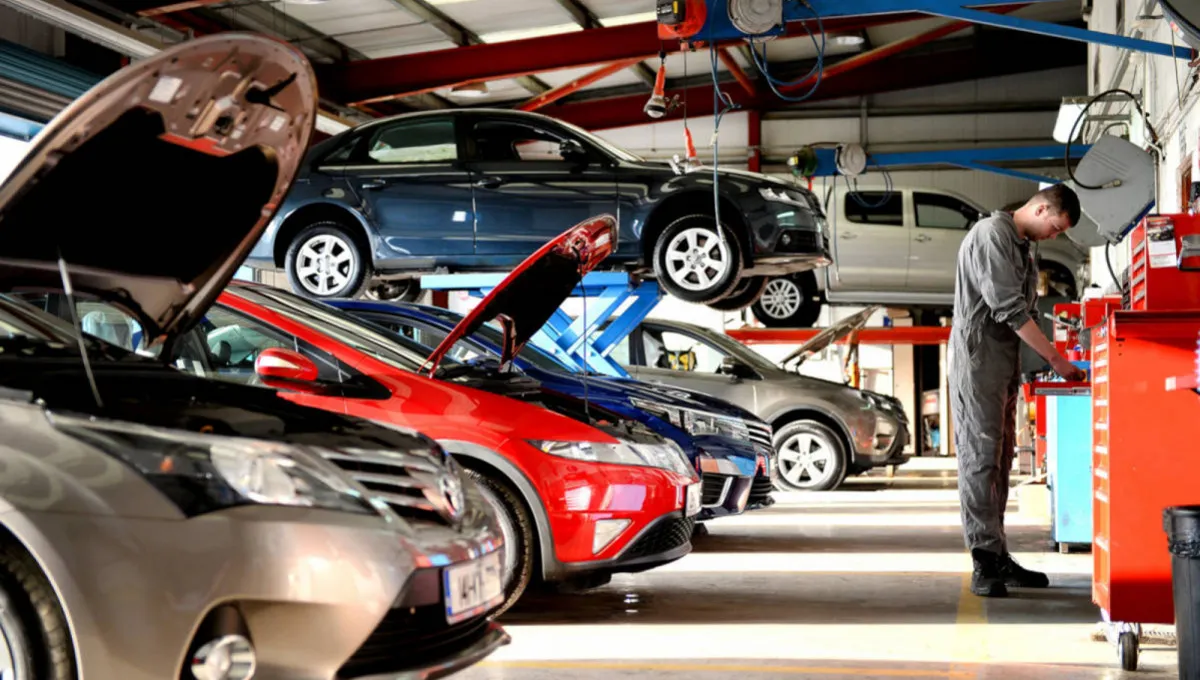
8 Car Maintenance Mistakes That Could Cost You Thousands if You Wait Too Long
Depending on driving conditions, some maintenance tasks may need to be performed sooner and more often than the automaker recommends.

How Long Will Your Car Last? A Guide to Making It Age Gracefully
Automotive experts explain how routine maintenance and timely replacement of aging components can help your car last longer.

Common Car Problems on the Road and How to Handle Them Yourself
A breakdown far from home can leave any driver stranded. Here’s how to assess the problem and decide what to do next.
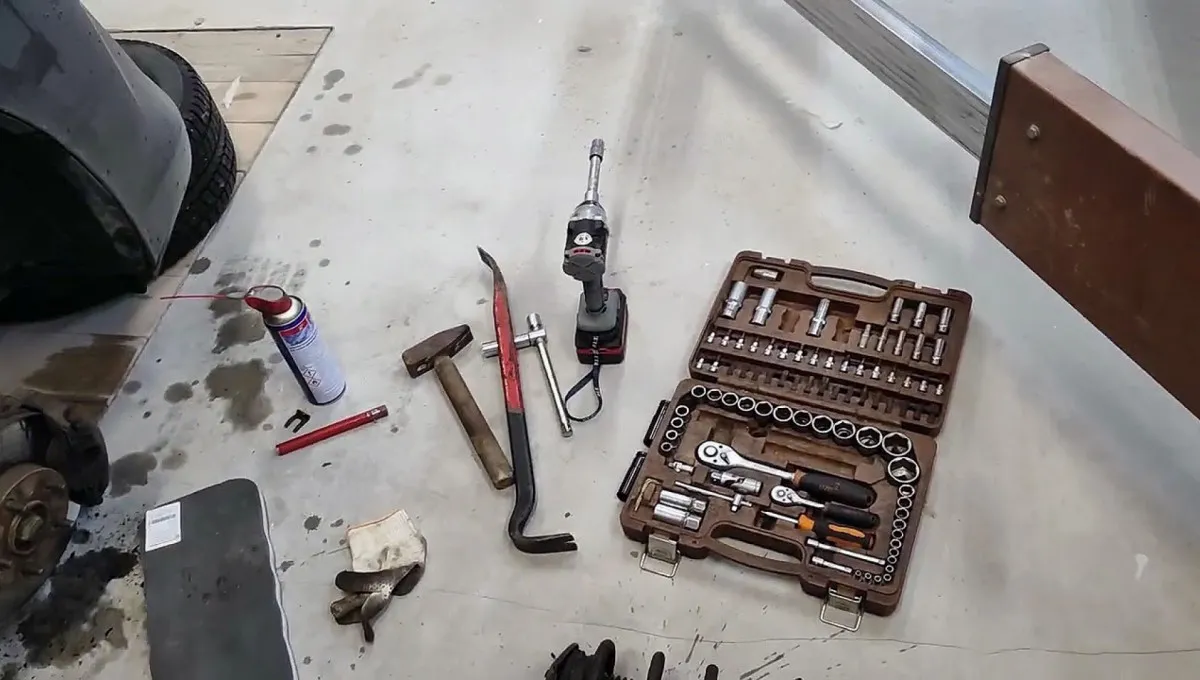
Experienced Drivers Share Their Best Car Hacks: Better Visibility, a Cleaner Backup Camera, and Battery Care
Simple DIY fixes can improve visibility, protect your car’s finish, and make routine repairs easier without expensive tools or parts.

Your Car Key Has a Hidden Summer Feature—Here’s How to Open Your Windows Without Getting Inside
Holding your car key’s unlock button may lower the windows remotely, helping release heat before you climb inside.