
Left-Handed Drivers: How Brain Differences Affect Behavior in Traffic
Left-handed people have a different brain structure that may affect how they perceive traffic situations and handle different driving tasks.

The question of whether a person’s dominant hand affects their driving style has long interested scientists and car enthusiasts. Left-handed drivers may have certain advantages in heavy urban traffic. However, this is not about an innate talent for driving, but rather about how their brains function.
About 10-15% of people worldwide are left-handed. Their differences go beyond which hand they use to hold the steering wheel or shift gears. The key difference lies in how their brains distribute functions between the hemispheres. In most right-handed people, the left hemisphere is responsible for speech, writing, and logic, while the right hemisphere handles spatial perception. In left-handed people, this division is often less pronounced, allowing them to process information more flexibly.
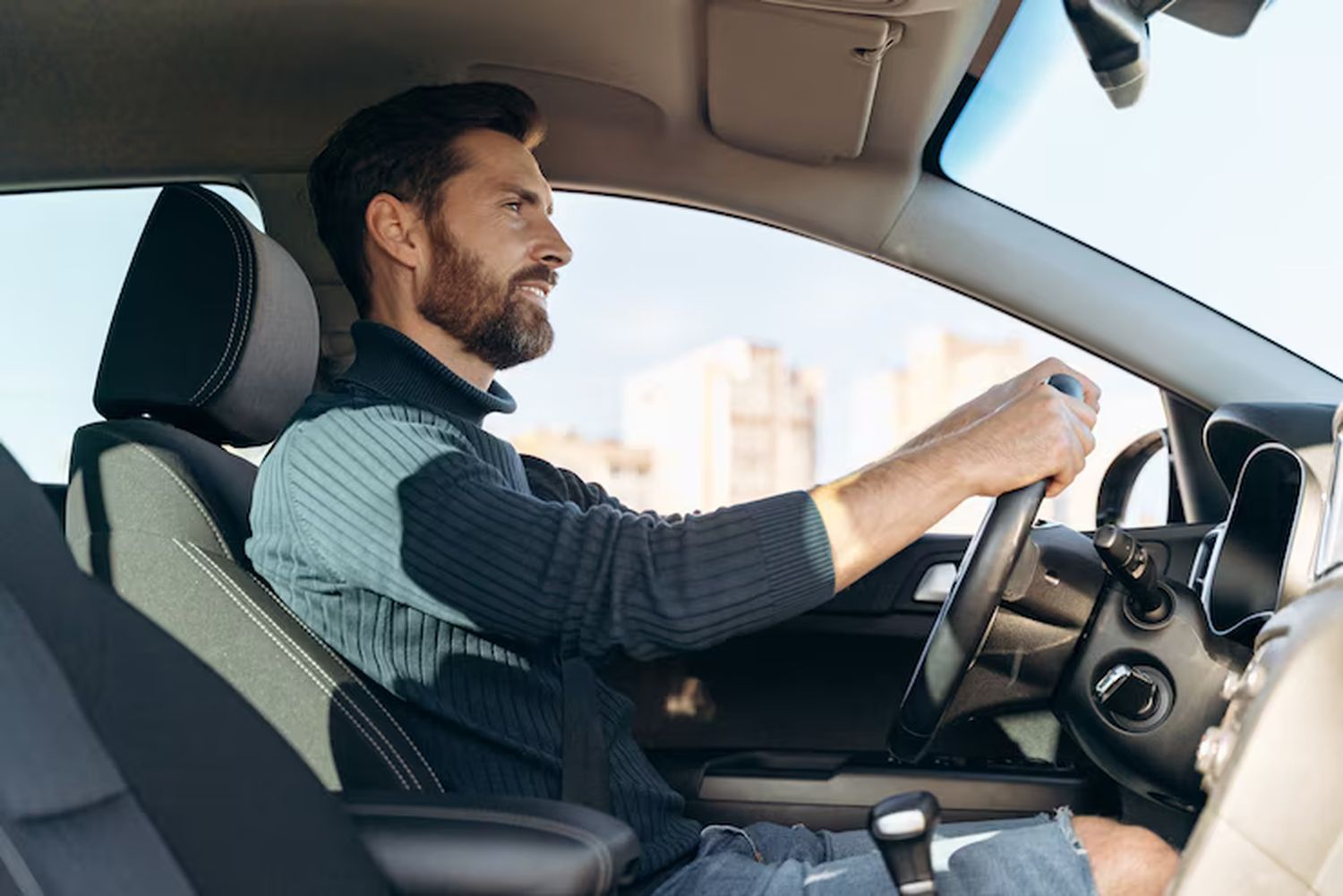
The brain controls the body on a crossed basis: the left hand and leg are controlled by the right hemisphere, while the right side is controlled by the left. In left-handed people, speech and visual-spatial tasks may be distributed between both hemispheres, which can speed up the exchange of signals. This characteristic may make it easier to switch quickly between different tasks, especially under high levels of stress.
In city traffic, drivers have to monitor lane markings, traffic lights, other vehicles, and pedestrians at the same time. Every action on the road requires an immediate response and assessment of the situation. More flexible brain function may help left-handed drivers react more quickly to changes and switch between visual and spatial tasks. A similar principle can be seen in pilots and gamers, who have to control multiple parameters at the same time.
However, it cannot be said that all left-handed people automatically become more attentive or safer drivers. Road behavior is influenced by experience, habits, the ability to maintain a safe following distance, and risk assessment. Left-handedness is just one of many characteristics, and its effects may only become apparent under certain conditions.
Drivers should not be divided into “better” and “worse” based on their dominant hand. Rather, the issue is a possible difference in information processing that may emerge in complex traffic situations. Ultimately, success on the road depends on a driver’s ability to stay focused and react quickly to several events at once. Traffic jams and heavy traffic make no exceptions for anyone — they test the skills of every road user.
You may also be interested in the news:
Four Zodiac Signs of Drivers Who Sit in Their Cars After They Park
They don’t get out right away. The engine is off, but they don’t reach for the door. These four zodiac signs know this moment all too well.
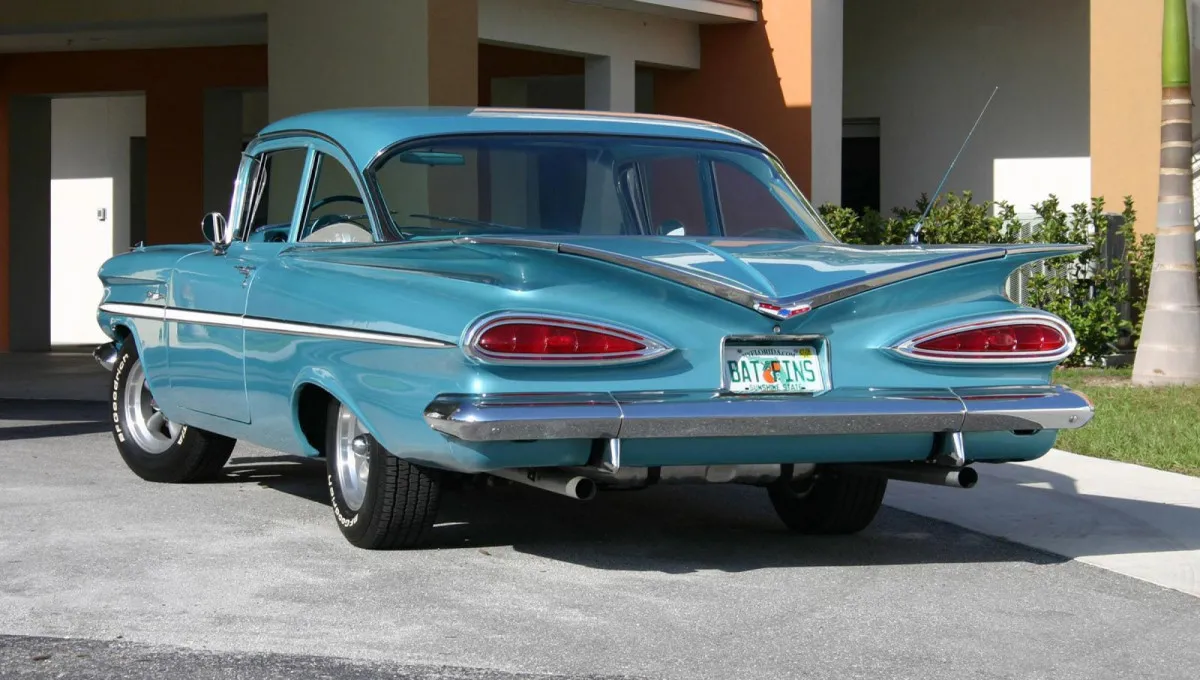
Elegance for Everyone: How Chevrolet Made Its 1960 Cars Stand Out
Chevrolet toned down its extravagant 1959 styling for 1960, bringing a more refined look to its affordable full-size cars.

Invisible Cows and a 17.3 MPH Speed Limit? 4 of America's Strangest Road Signs
From invisible cows to alien highways, these unusual American road signs turn ordinary drives into unforgettable roadside surprises.
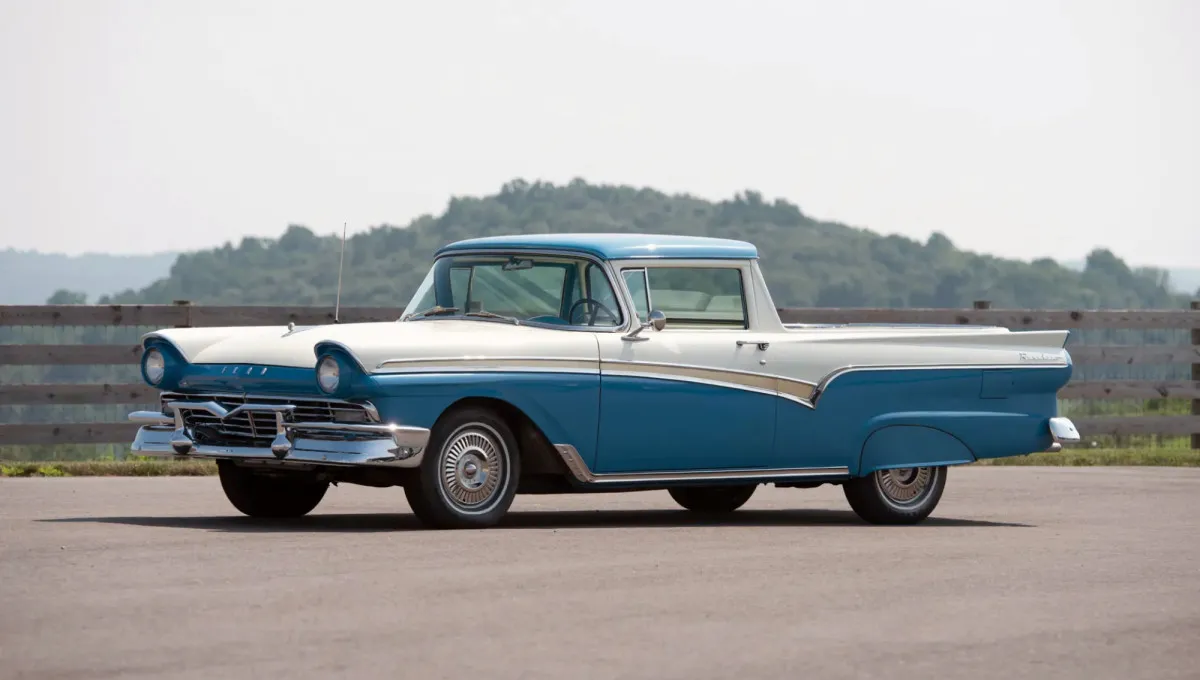
More Than a Car! More Than a Truck! The 1957 Ford Ranchero
The 1957 Ford Ranchero launched a new kind of American vehicle, blending passenger-car styling with pickup-truck utility years before the segment took off.
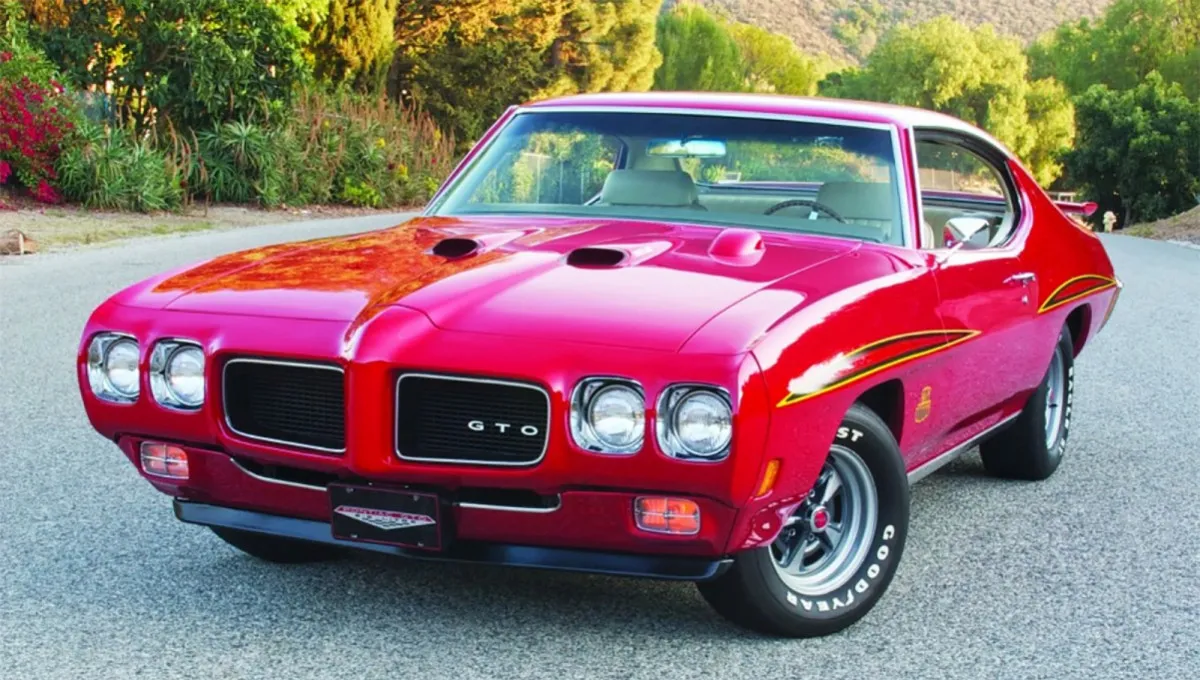
Pontiac's 1970 GTO Had a Wild Exhaust Option—Only 233 Cars Got It
Pontiac offered an unusual exhaust system for the 1970 GTO, but the factory option didn't last long.