
“Underpowered”: 4 U.S. Engines With Terrible Specific Power Output
Huge, many cylinders, powerful. That is the image that comes to mind when you hear the phrase “American engine.” Yet the U.S. also produced plenty of underpowered engines.
Magnum V10
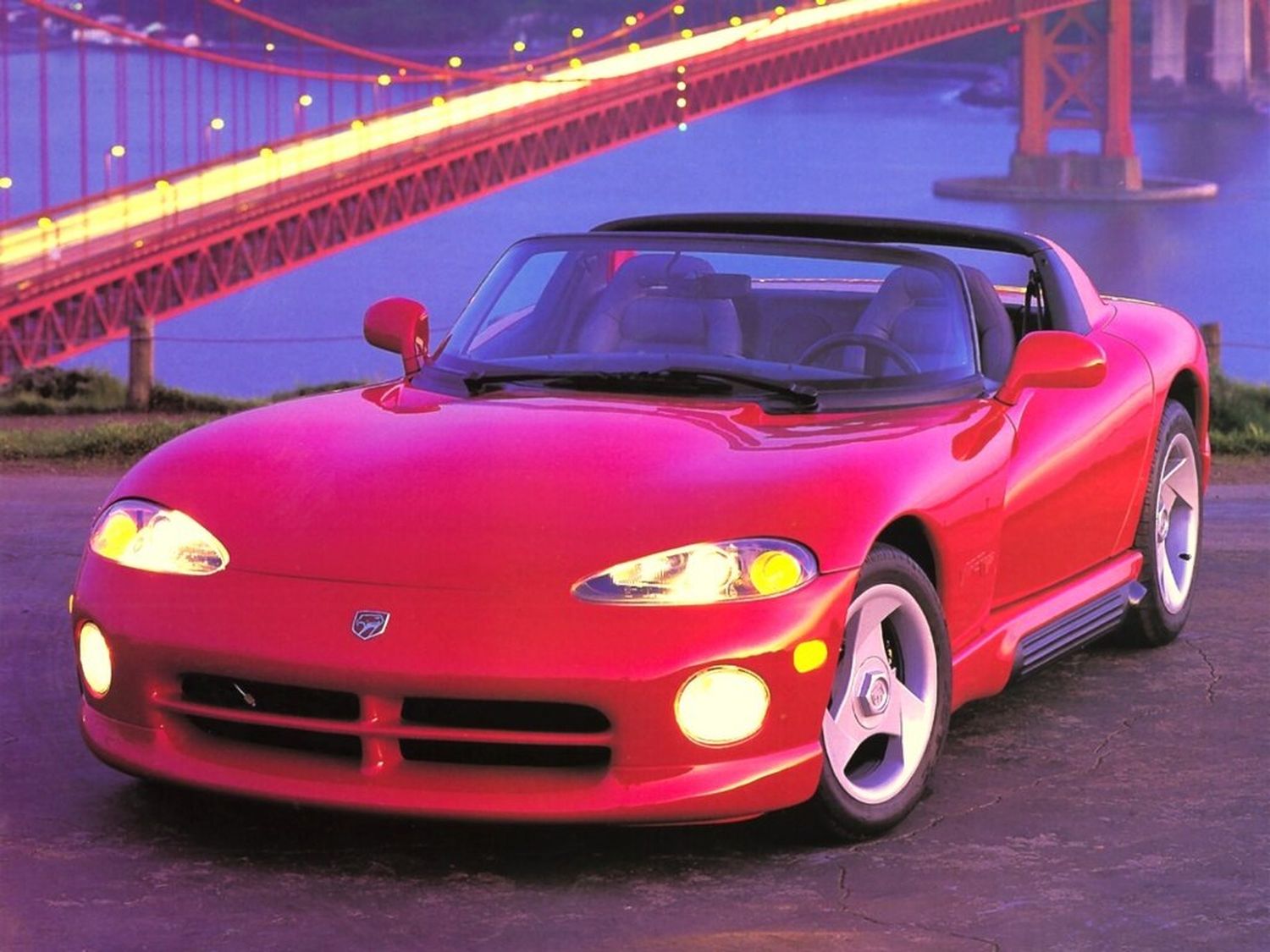
A sports car with a high-performance naturally aspirated engine. That's what the 1992 Dodge Viper advertising brochure said. At first glance, 400 horsepower does seem like a lot. But when you consider that we're talking about a 10-cylinder engine displacing 7,990 cc, the power figures immediately become less impressive.
The Magnum V10 traces its roots to Chrysler's old LA engine from the 1960s. To save money, engineers were not allowed to replace the outdated cylinder heads with two valves per cylinder, which resulted in low specific power. Even so, the Dodge Viper could reach 62 mph in 4.6 seconds. And its monstrous 630 Nm of torque left no one indifferent.
PowerTech V8
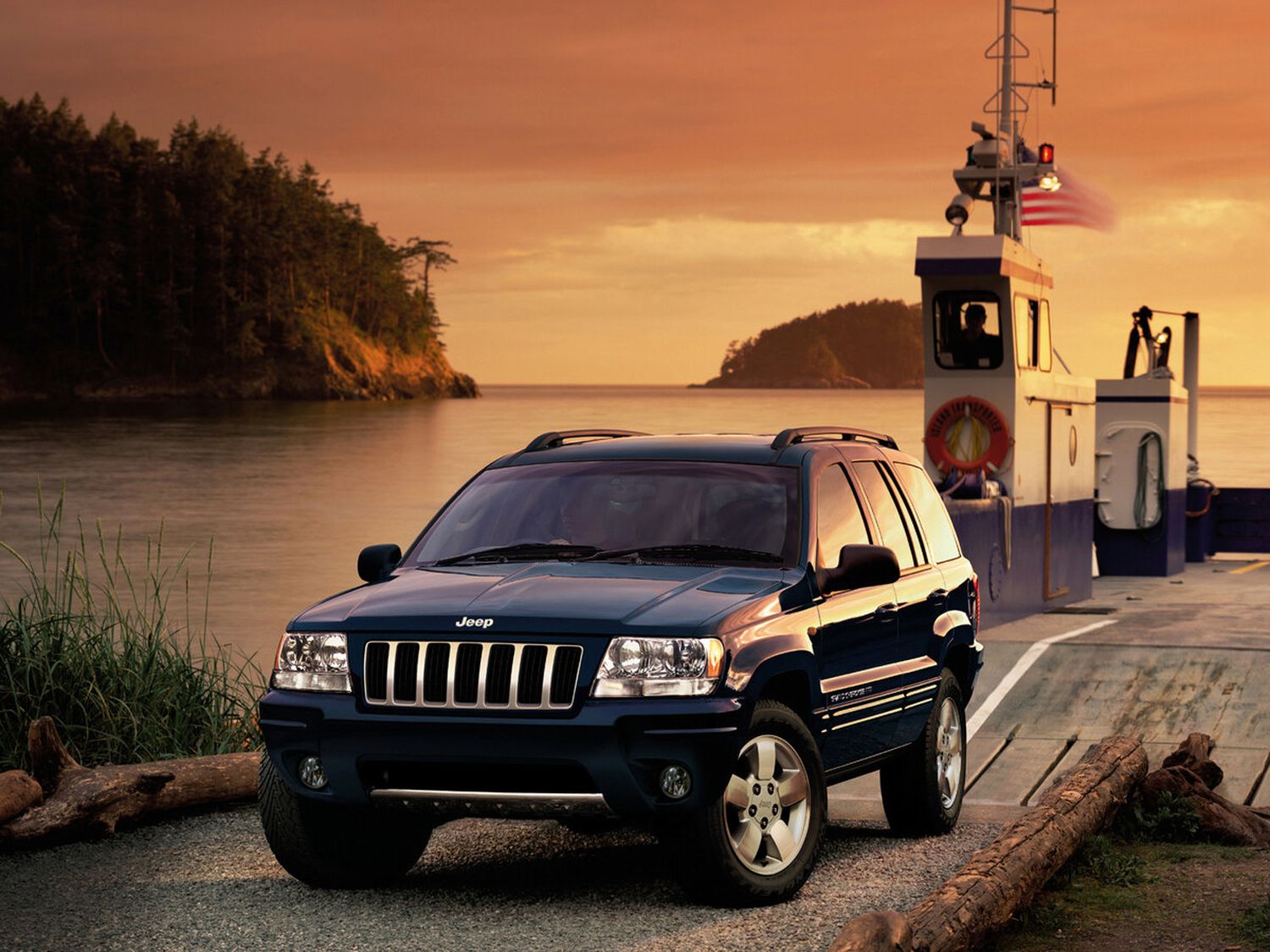
Another Chrysler Corporation engine that “delighted” Jeep Cherokee owners with its “unstoppable” power starting in 1999. The 4.7-liter V8 produced a meager 235 horsepower and 400 Nm of torque.
To be fair, this weak engine was quite reliable. Its cast-iron block, chain-driven timing system, and low compression ratio allowed the PowerTech V8 to operate in the toughest conditions without requiring major repairs for a long time.
LG4 V8
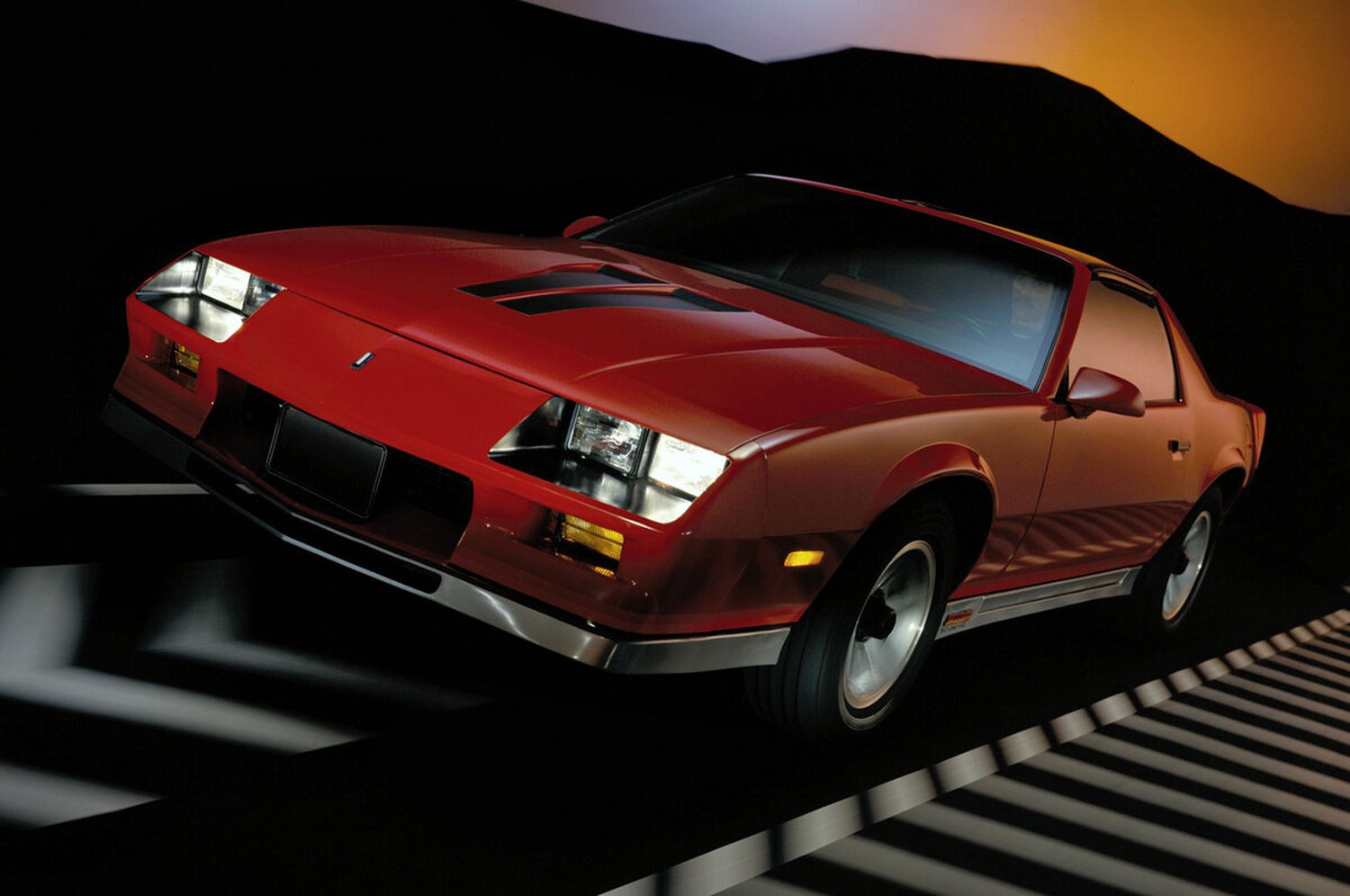
The Chevrolet Camaro is one of the most respected American muscle cars. But when it comes to third-generation cars equipped with the LG4 engine, owners tend to stay quiet about their cars' power output. It's easy to understand why, since their 5.0-liter small-block produced just 143 horsepower.
Yes, the early 1980s were not the best time for American automakers. The fuel crisis and new emissions standards sharply reduced the specific power of American V8s. So the Chevrolet Camaro Z28 was not the only car like this.
500 V8
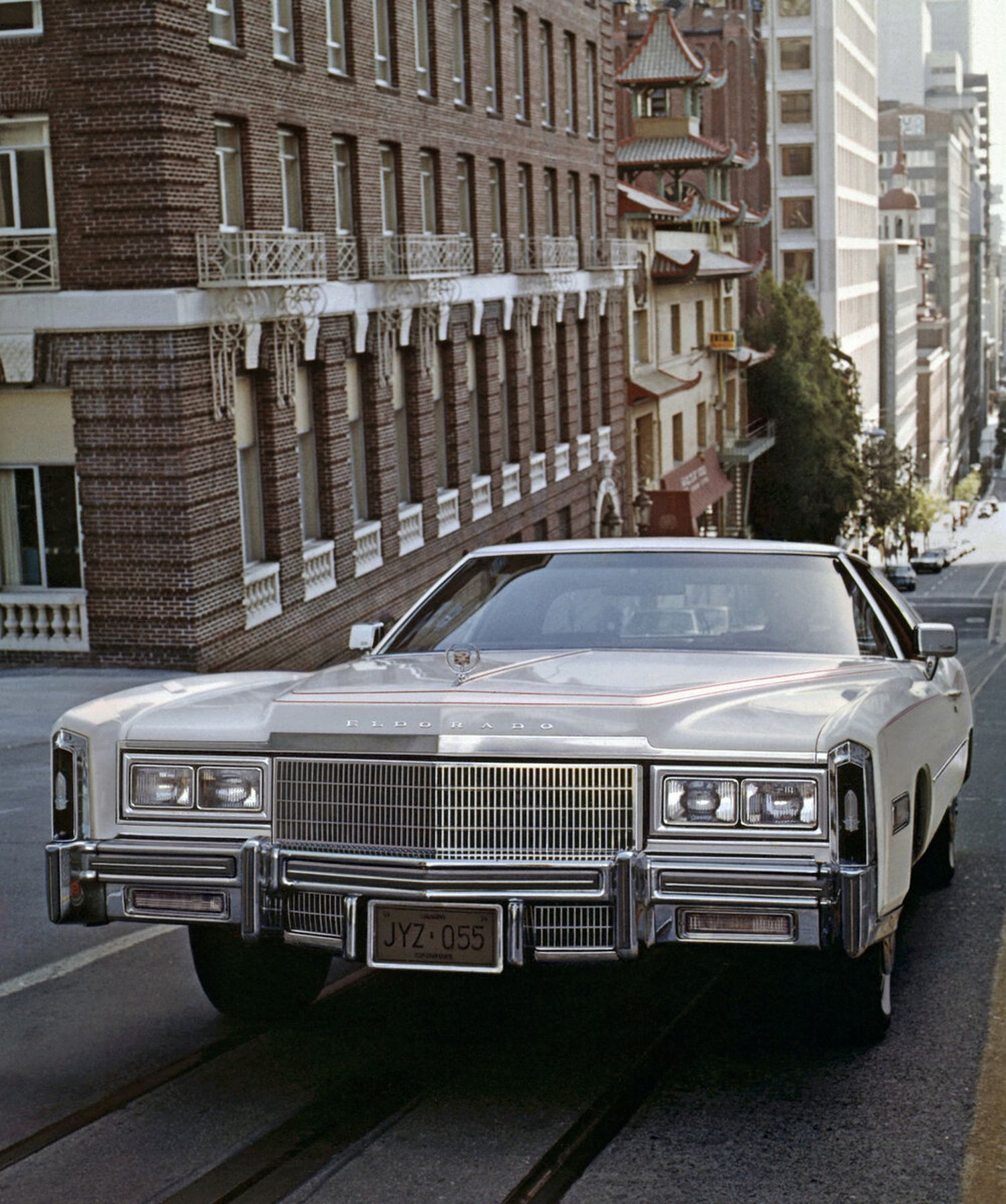
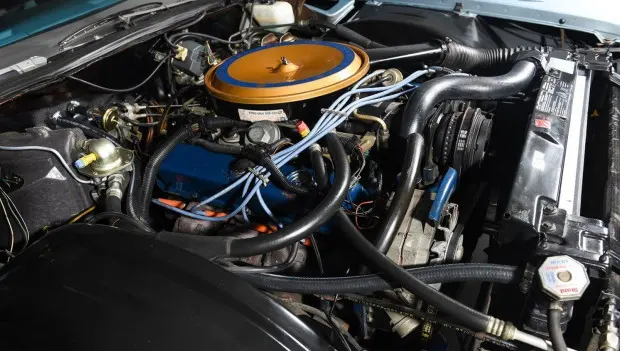
Imagine if 1.6-liter Volkswagen Polo or Kia Rio engines produced just 36 horsepower. That's a horrifying thought. Meanwhile, that was exactly the power-to-displacement ratio of the 1976 Cadillac Eldorado. Its mighty 8.2-liter engine produced just 190 horsepower.
At the time, Cadillac faced severe criticism because buyers remembered that just five years earlier, this same engine had produced 400 horsepower. The same oil crisis was to blame, prompting Cadillac engineers to improve engine efficiency by reducing power output. The results were frankly poor, but that's a topic for another discussion.
You may also be interested in the news:
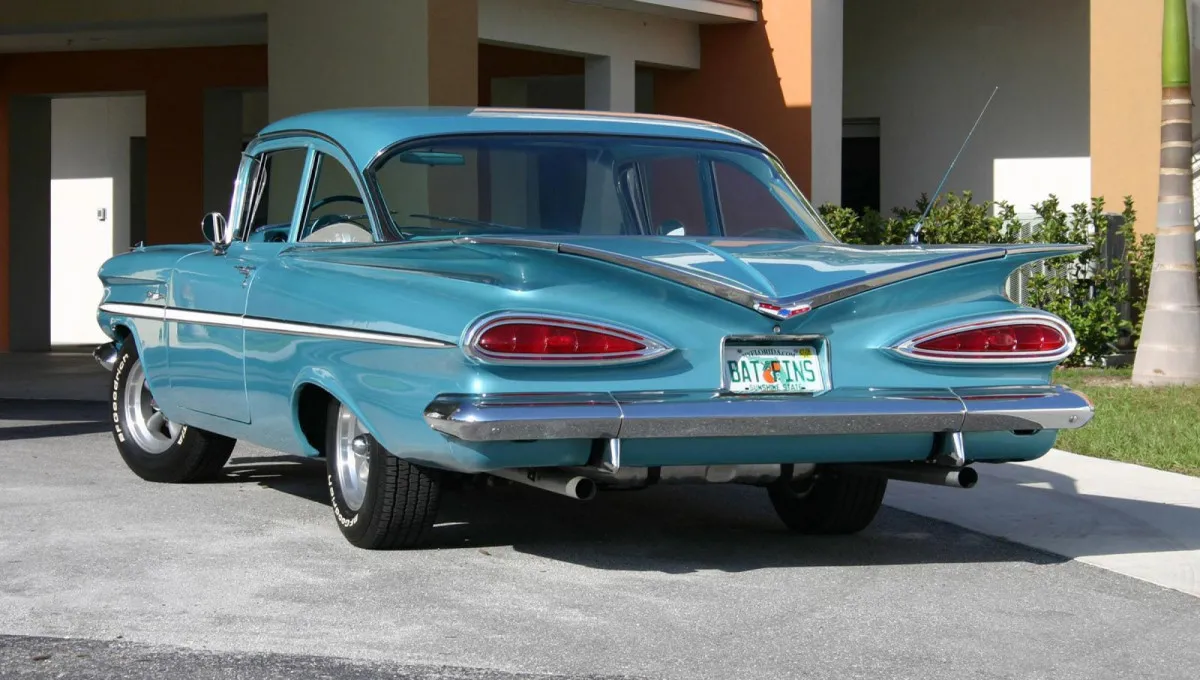
Elegance for Everyone: How Chevrolet Made Its 1960 Cars Stand Out
Chevrolet toned down its extravagant 1959 styling for 1960, bringing a more refined look to its affordable full-size cars.

Invisible Cows and a 17.3 MPH Speed Limit? 4 of America's Strangest Road Signs
From invisible cows to alien highways, these unusual American road signs turn ordinary drives into unforgettable roadside surprises.
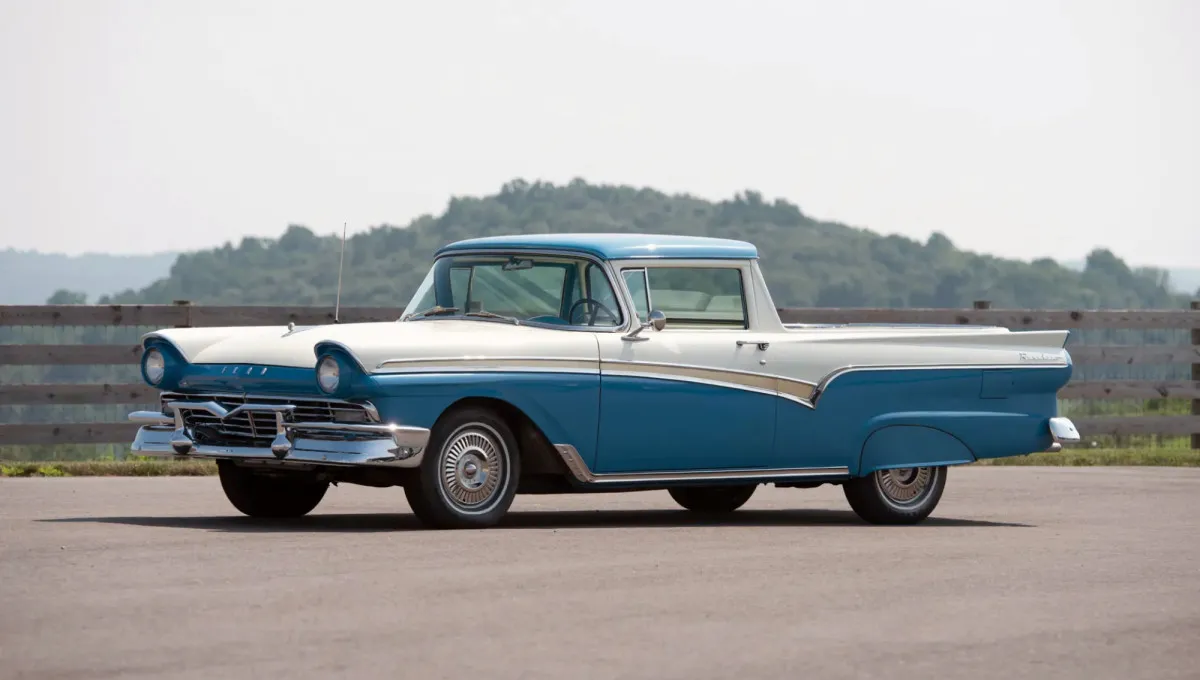
More Than a Car! More Than a Truck! The 1957 Ford Ranchero
The 1957 Ford Ranchero launched a new kind of American vehicle, blending passenger-car styling with pickup-truck utility years before the segment took off.
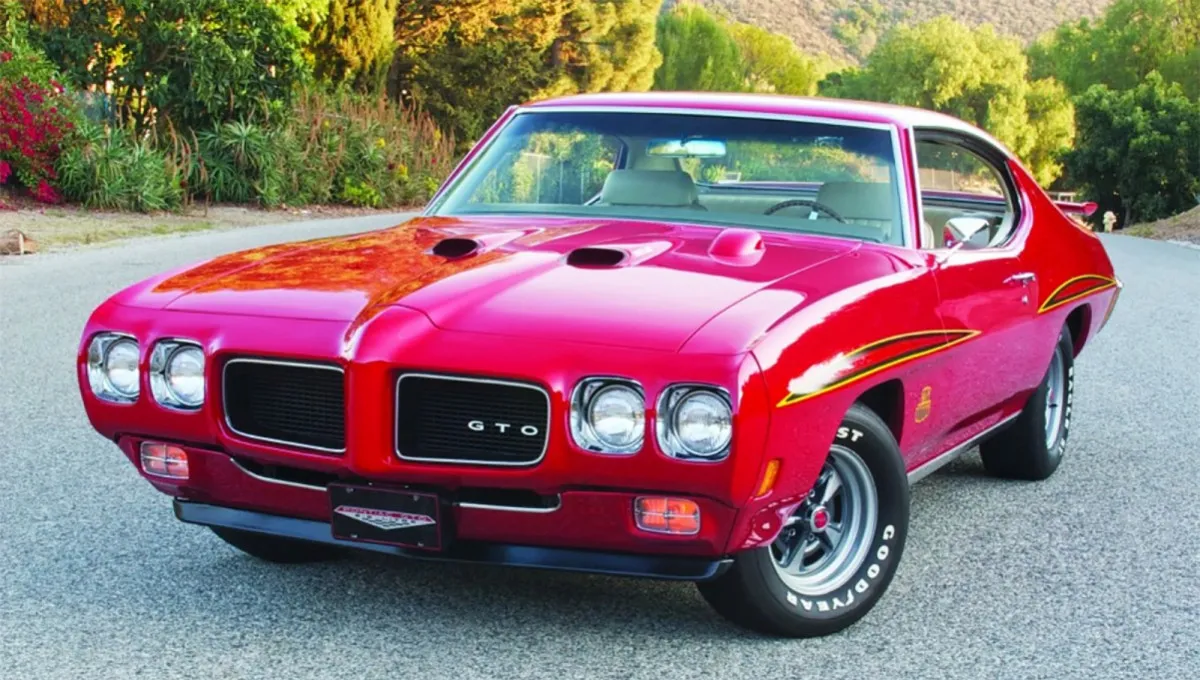
Pontiac's 1970 GTO Had a Wild Exhaust Option—Only 233 Cars Got It
Pontiac offered an unusual exhaust system for the 1970 GTO, but the factory option didn't last long.
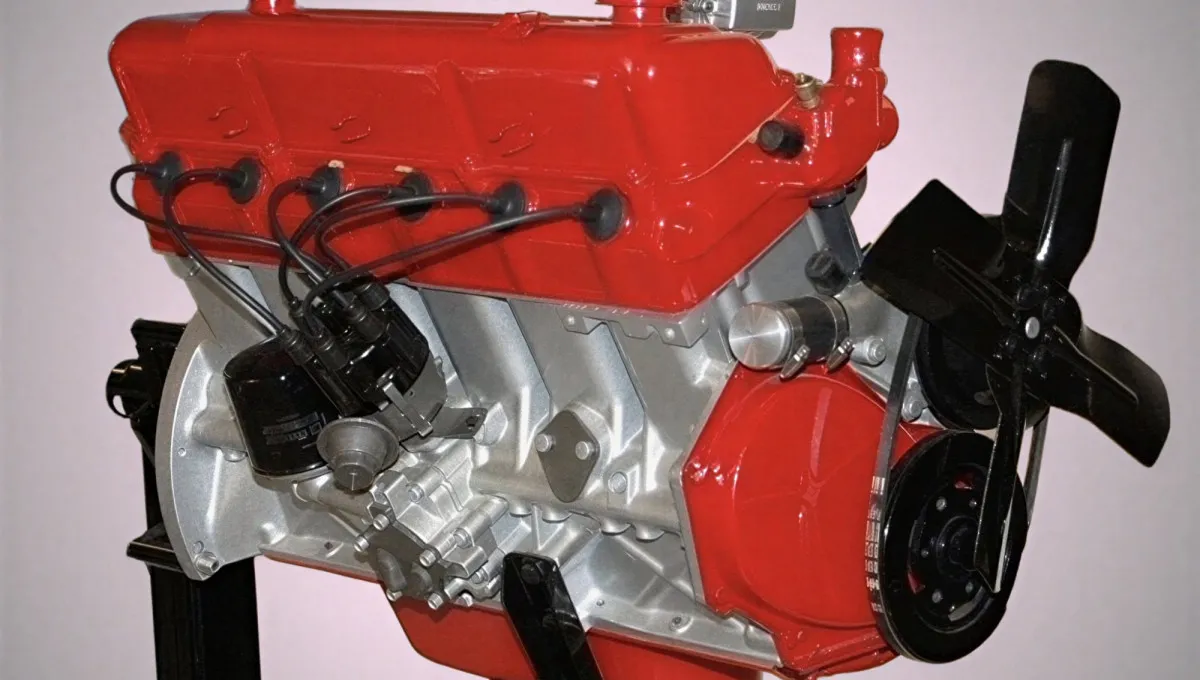
Chrysler's Aluminum Slant 6 Engine: The Lightweight Experiment of 1961–1963
Chrysler built more than 50,000 cars with an aluminum-block Slant 6 before production challenges brought the project to an end.