
Smart #2: A “Real Car” With a 250-Mile Range Aims to Redefine City Driving
More than a tiny city runabout, the Smart #2 positions itself as a premium urban lifestyle accessory
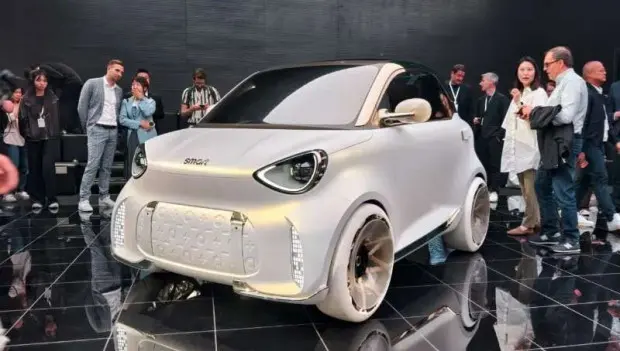
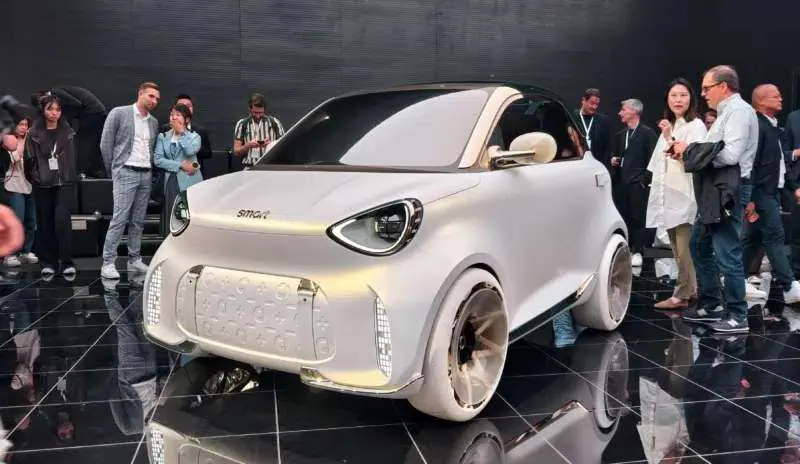
After the global debut of the Smart #2 micro EV concept in Beijing, an exclusive roundtable with selected media revealed new engineering details behind the brand’s return to its two-seat roots.
During the discussion, Smart CEO Xiangbei Tong spoke openly about competition in the micro-EV space. After personally testing nearly every small electric vehicle currently on the market, he came to a blunt conclusion: most of them lack the structural and dynamic integrity of a “real” car.

“I’ve driven almost every microcar available today,” Tong said. “And I can tell you this: the new car is a real car; the others are not.”
Tong and head of design Kai Sieber outlined the strategy behind Smart’s re-entry into the microcar segment, positioning the new model as a “proper automobile” designed to outperform the wave of low-cost mini EVs dominating the Chinese market.
The Smart #2 is built from the ground up on the Electric Compact Architecture (ECA), enabling a targeted range of around 250 miles on the WLTP cycle—a major leap from the roughly 93 miles offered by its predecessor.
Tong also highlighted the car’s acceleration, especially from 0 to 165 feet, calling it “unbeatable” in urban environments. He personally validated this claim during winter testing in northeastern China.
Design and interior: compact without compromise
Sieber noted that despite its ultra-compact footprint and a turning radius of under 23 feet, the interior does not sacrifice a premium feel. The model uses a layered mix of materials similar to larger Smart vehicles, positioning it more as a luxury urban accessory than a basic transport tool.
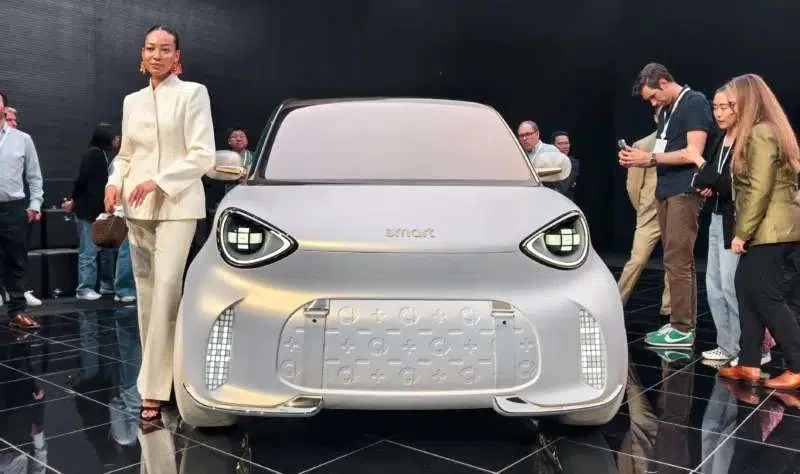
The production version with its finalized interior will make its official debut at the Paris Motor Show in October 2026.
The roundtable also addressed the challenge of balancing the brand’s German-Chinese identity. While the overall design language remains global, suspension tuning is adapted regionally.
According to Tong, suspension “tolerance ranges” are adjusted by suppliers: softer settings for rough urban roads in China, and firmer calibration for European driving conditions such as alpine highways. This allows Smart to maintain a unified global hardware setup while still meeting regional expectations.
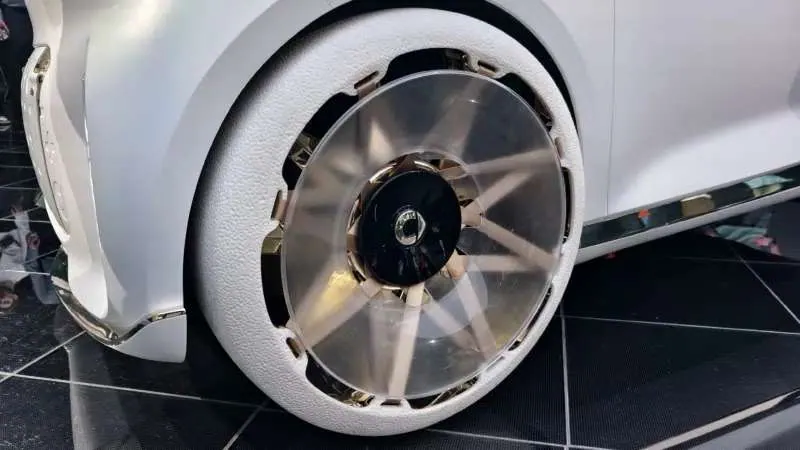
One major engineering hurdle was compliance with modern pedestrian safety standards, which required a complete redesign of the front-end geometry.
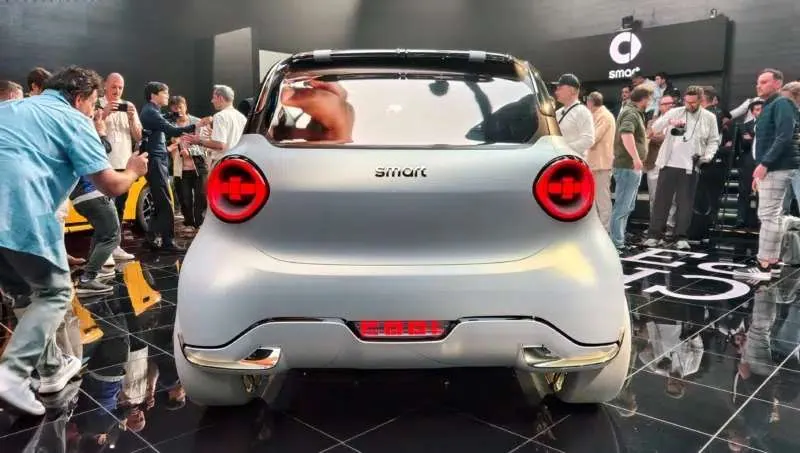
Despite these constraints, the Smart #2 retains its signature “wheels-at-the-corners” layout, maximizing wheelbase relative to overall length and improving stability in tight city driving.
You may also be interested in the news:

Ineos Has a New Grenadier for Boaters, and It Looks Nothing Like a Typical SUV Special Edition
Ineos is expanding its Grenadier lineup with a limited-run special edition inspired by boating, coastal adventures, and life on the water.
Honda Is Developing a System That Charges EVs While They Drive
Honda plans to begin testing wireless charging technology for electric vehicles on the move later this year.
2027 Ram 1500 Rumble Bee: Pricing, Options and How to Build Yours
The 777-HP Ram Rumble Bee Is Coming — But You Can Buy the New Hemi Truck Now
Tesla’s New Roadster Can Fly, but That May Be the Least Impressive Thing About It
Nearly a decade after Elon Musk unveiled the next-generation Roadster, Tesla has finally revealed its most outrageous capabilities.
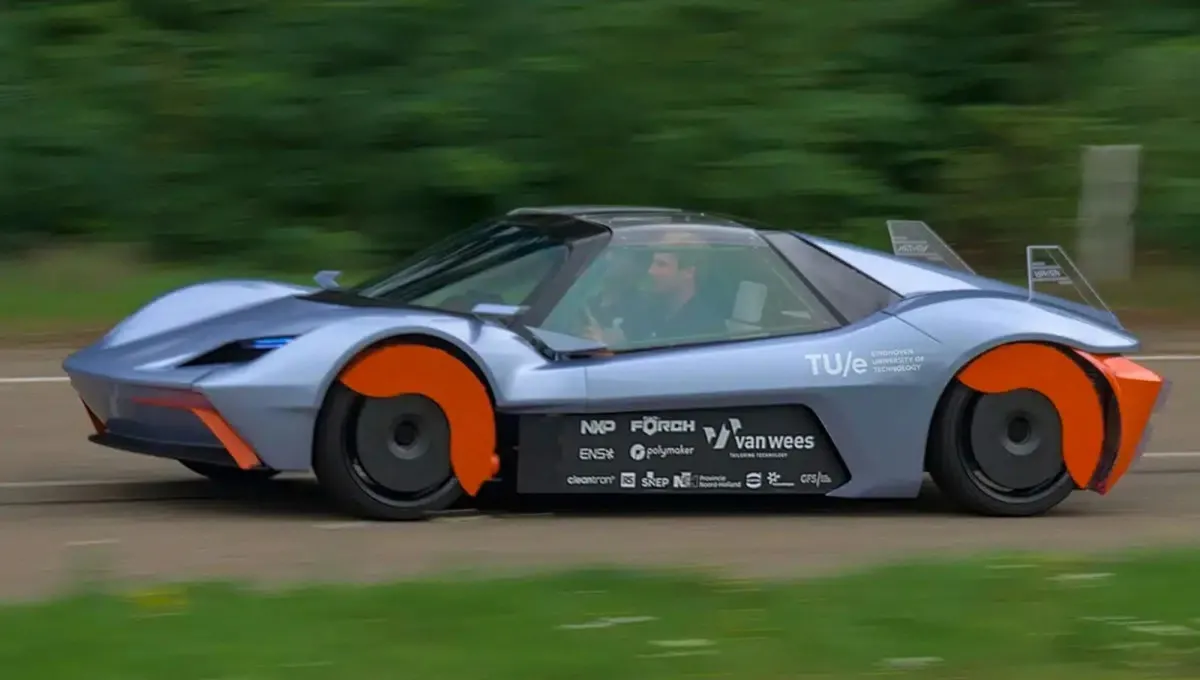
Students Develop an Electric Car That Captures Tire and Brake Dust
A student-built electric concept aims to reduce road pollution by collecting microscopic particles released by tires and brakes.