
Volkswagen Shuts Down Legendary Plant, Halts Vehicle Production: 35,000 Jobs at Risk
Volkswagen is closing its largest plant for the first time in 88 years.

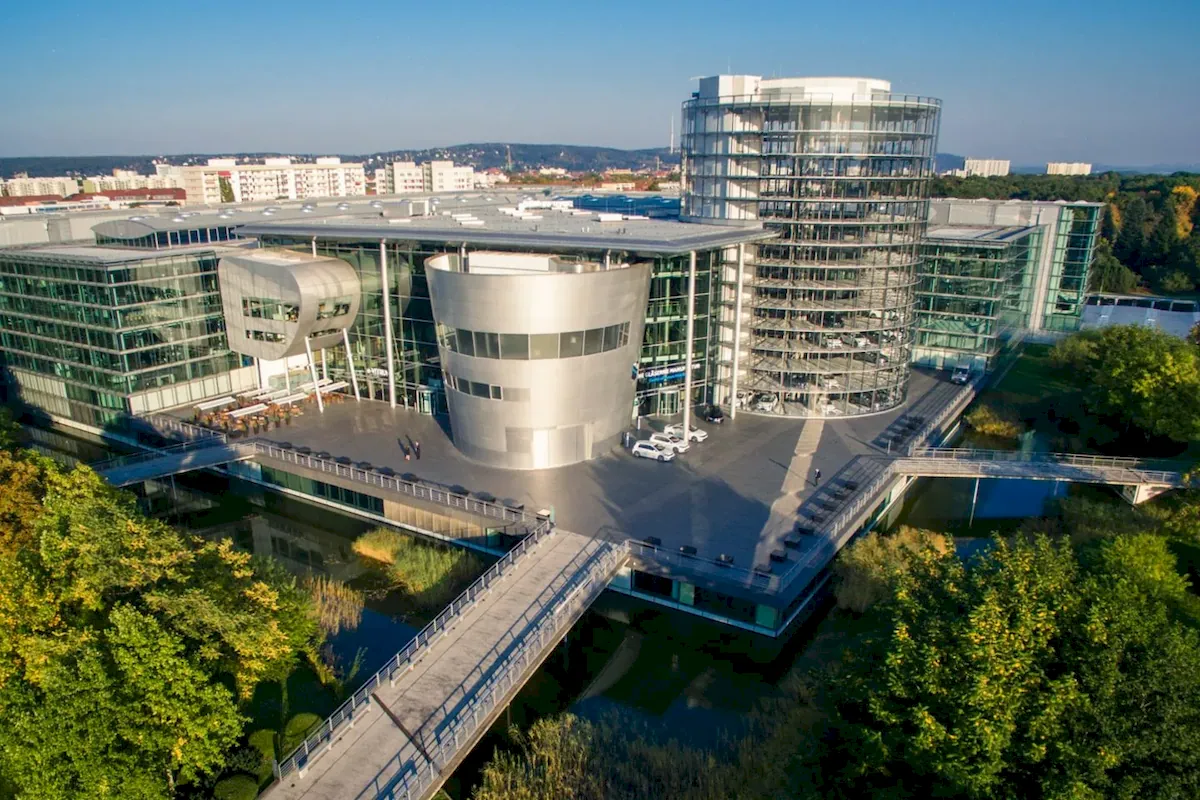
Volkswagen has made a historic decision: for the first time in its 88-year history, the automaker is ending vehicle production at a plant in Germany. According to the Financial Times, Volkswagen’s factory in Dresden will stop building cars after December 16, becoming the brand’s first fully closed production facility in the country.
Despite its status as Europe’s largest automaker, Volkswagen is currently under significant pressure on multiple fronts. Sales in China remain weak, demand across Europe is slowing, and U.S. tariff policies continue to weigh on the company’s cash flow. Taken together, these challenges have forced Volkswagen to reassess both its investment strategy and its manufacturing footprint.
Volkswagen has cut its investment budget for the next five years to €160 billion, down from the €180 billion previously planned for the 2023–2027 period. That budget remains flexible and could be reduced further. At the same time, company executives have increasingly acknowledged that internal combustion engine vehicles will remain on the market longer than originally expected, requiring additional investment in new generations of gasoline and hybrid powertrains.
Volkswagen CFO Arno Antlitz has previously warned that the company’s net cash flow in 2025 could be close to zero. Analysts believe the pressure will persist into 2026. According to Bernstein, the automaker will need to continue aggressive cost-cutting measures and improve operational efficiency.
The closure of the Dresden plant is directly tied to an agreement between Volkswagen and labor unions to reduce production capacity in Germany. As part of this plan, the Volkswagen brand intends to eliminate roughly 35,000 jobs. Since opening in 2002, the Dresden facility has produced fewer than 200,000 vehicles in total—less than six months of output at Volkswagen’s main plant in Wolfsburg.
You may also be interested in the news:
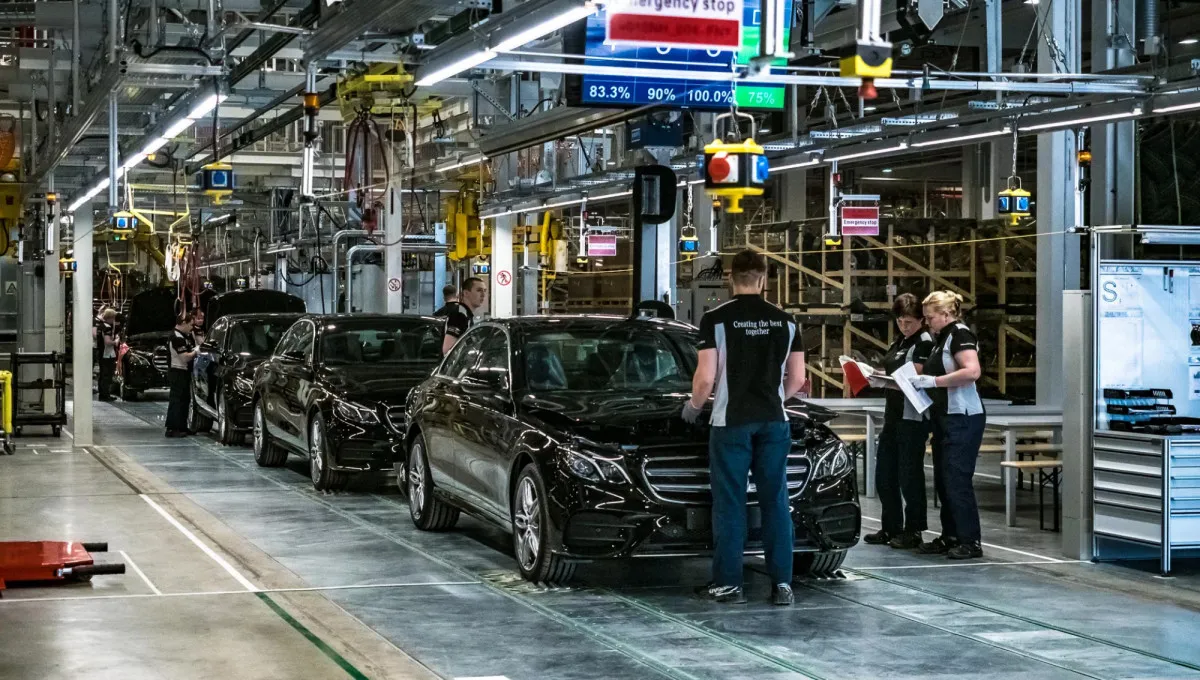
Mercedes-Benz to Close Plants and Cut Wages as Workers Face Layoffs
Mercedes-Benz is preparing to restructure its business, including potential pay cuts, layoffs and even the closure of a factory.
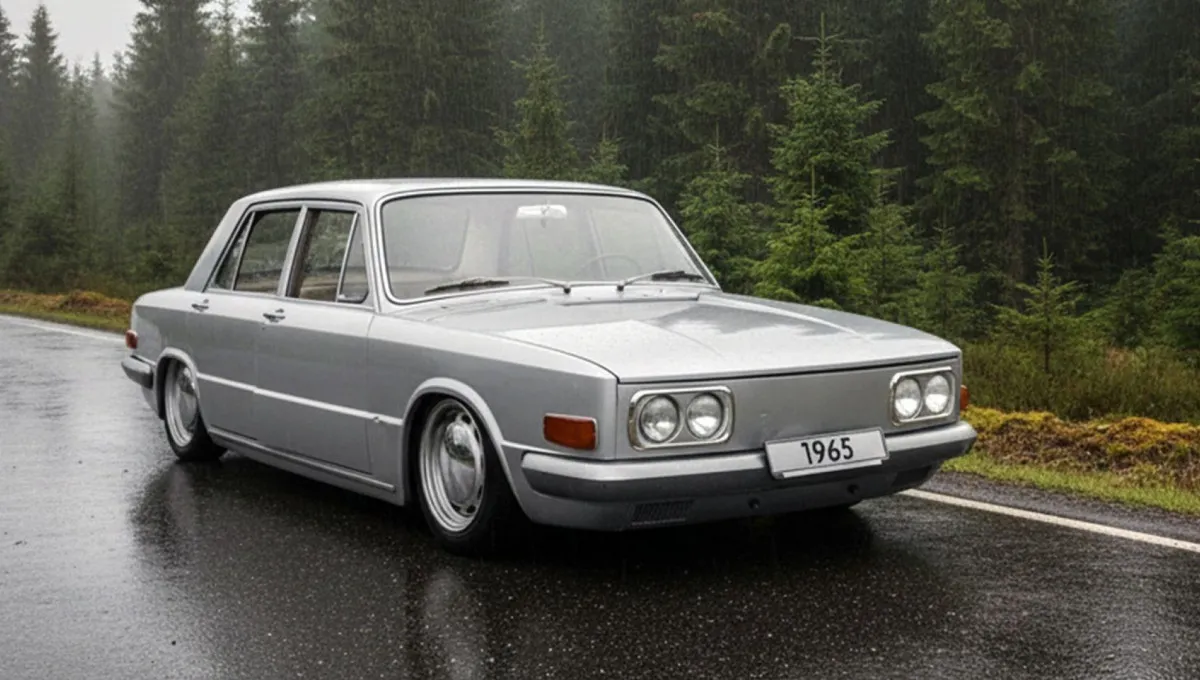
“VW on the Outside, Porsche Underneath”: The Story of the Failed EA-128 Sedan
A little-known Volkswagen prototype combined a large sedan body with Porsche 911 hardware in an attempt to enter the upscale market.
Volkswagen Finds Support in India as Company Plans New Vehicles With JSW
Volkswagen and JSW Group have signed a memorandum to create a joint venture in India focused on developing new vehicles.
U.S. Officials Demand Ford Cut Its Technology Ties With China
U.S. Transportation Secretary Sean Duffy urged Ford to end partnerships with Chinese companies over technology and national security concerns.
Volkswagen ID. Polo Demand Is So Strong Buyers Face a Nearly Yearlong Wait
Demand for Volkswagen’s affordable EV is so strong that buyers may wait nearly a year before taking delivery.