
New Jobs on the Horizon: Porsche Weighs U.S. Production as Tariff Costs Rise
Rising import tariffs are pushing Porsche to consider building cars in the United States.

Porsche is evaluating the possibility of producing vehicles in the United States as rising import tariffs continue to increase operating costs. The idea was mentioned by the company’s CEO, Michael Leiters, during a recent discussion about the brand’s financial outlook.
According to Leiters, a large share of Porsche vehicles are built in Europe and then shipped to the U.S. market. Because of that, changes in trade policy have a direct impact on the company’s profitability. Tariffs on cars imported from the European Union have increased expenses and reduced sales margins in the American market.

Last year, the automaker spent roughly $760 million covering those import duties. Porsche expects that similar costs could continue into 2026, putting additional pressure on its U.S. business.
As a result, company leadership is reviewing several possible adjustments. One option under discussion is the potential localization of production in the United States, which could reduce the impact of tariffs on vehicles sold to American customers.
However, building cars domestically would require significant investment in manufacturing infrastructure. Because of that, Porsche has not yet made a final decision on whether it will move forward with a U.S. production plan.
You may also be interested in the news:
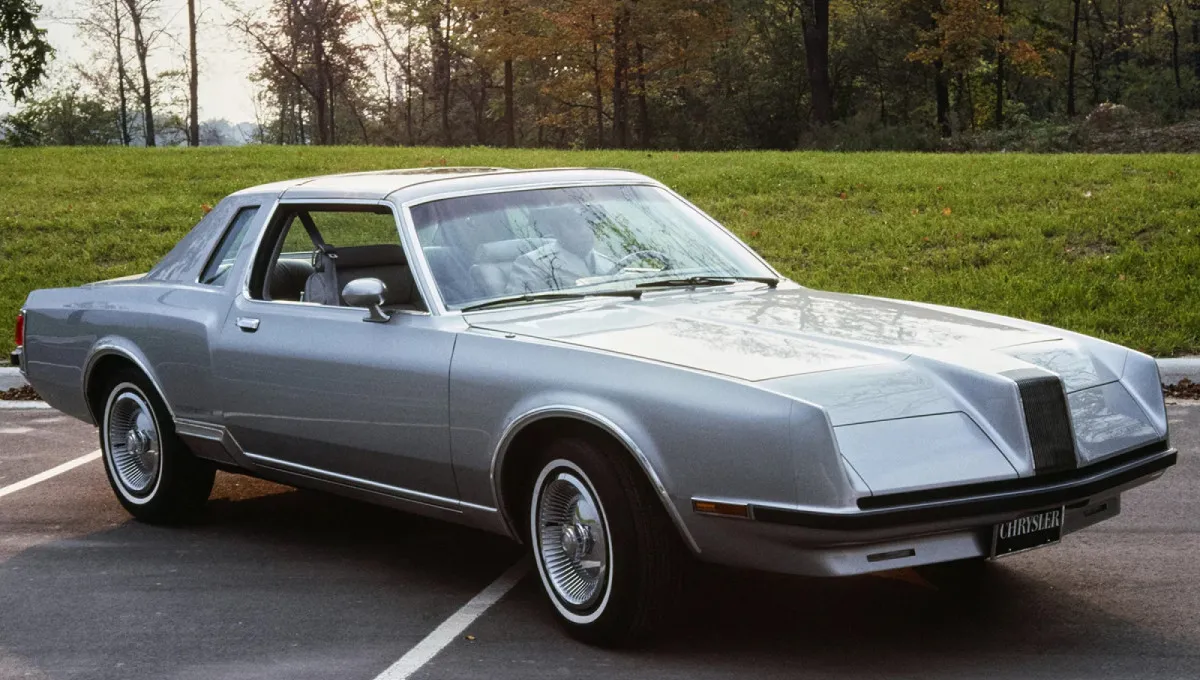
The 1977 Chrysler LeBaron Turbine: The Final Chapter of a 25-Year Experiment
Chrysler's 1977 LeBaron Turbine concept showcased decades of gas turbine research, but financial troubles ultimately brought the ambitious program to an end.
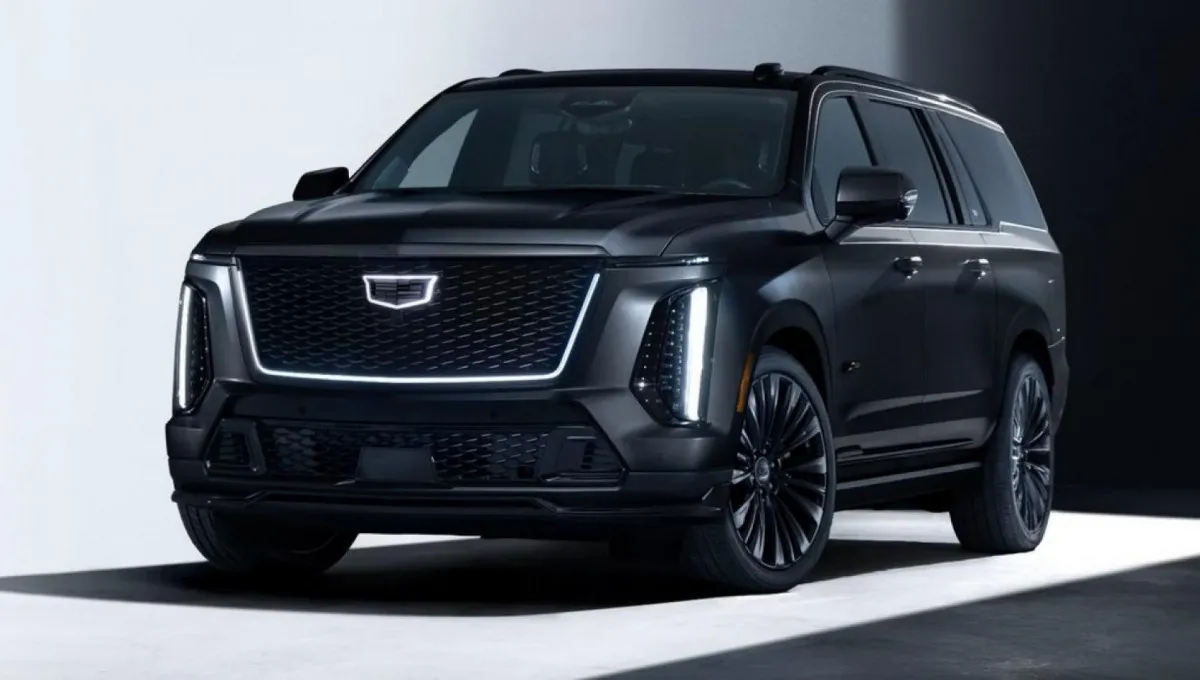
Cadillac Celebrates Its 125th Anniversary With the Most Expensive Escalade-V Ever
One of America’s oldest automotive brands has unveiled a limited-edition version of its flagship SUV to mark a major milestone.
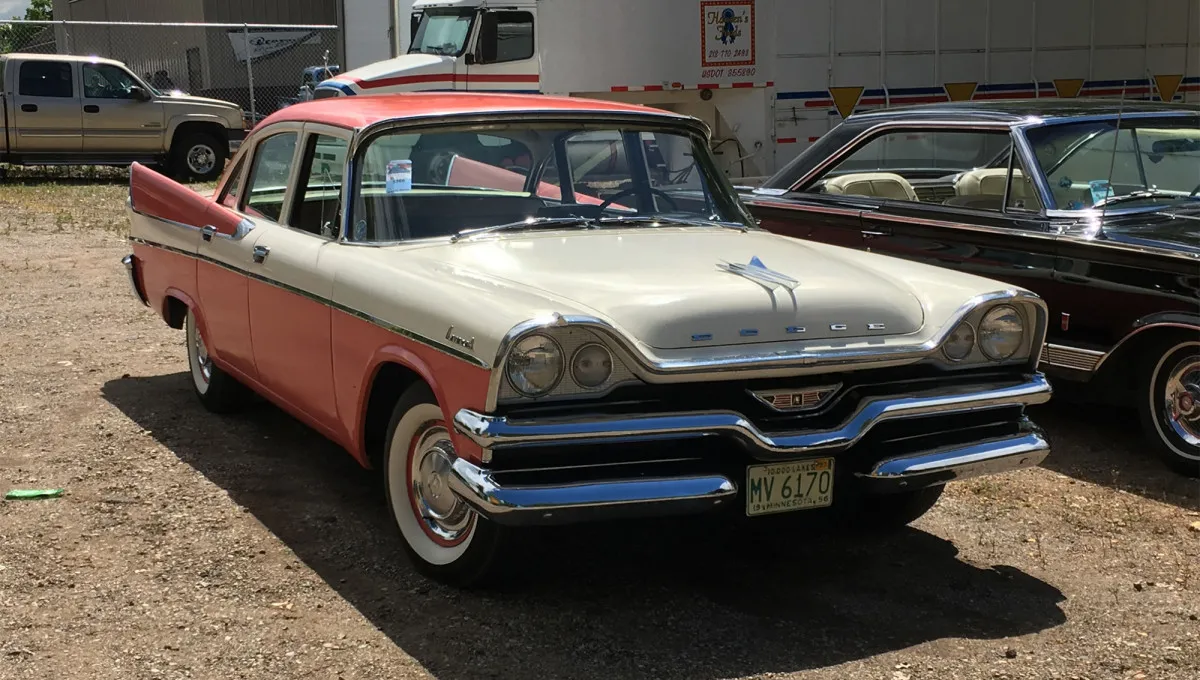
The 1957 Dodge: How “Autodynamics” Shaped One of Detroit’s Boldest Designs
The 1957 Dodge Looked Like a Dream Car, but Its Biggest Flaw Was Hiding Beneath the Surface.
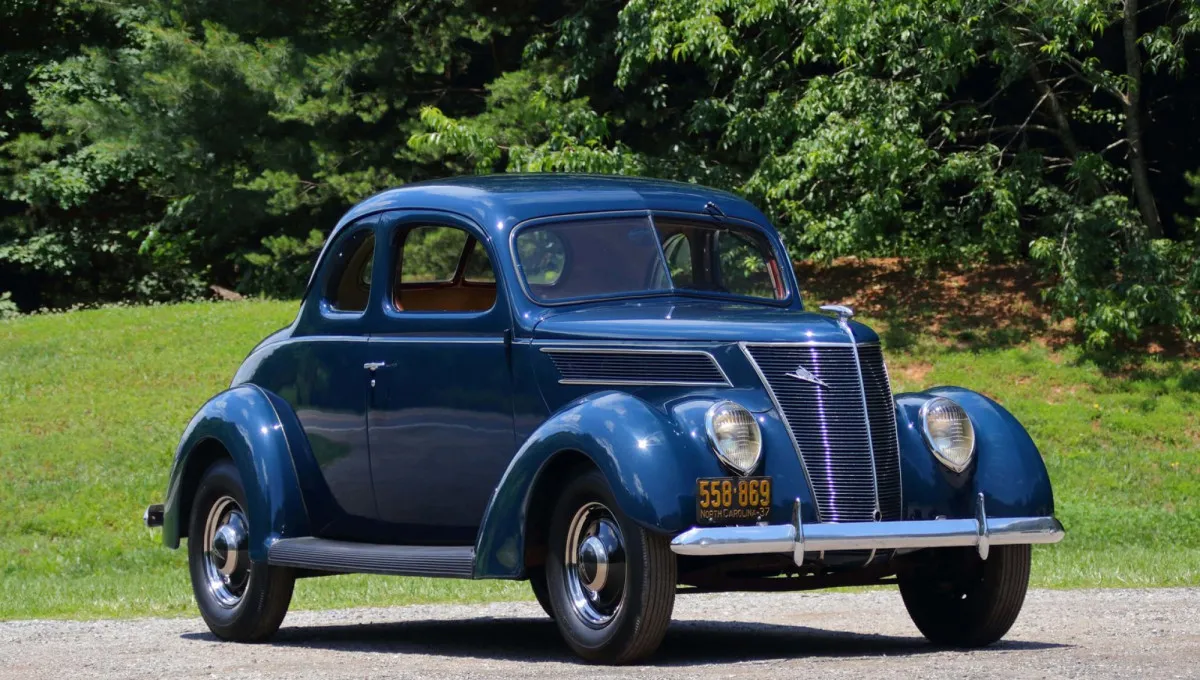
The 1937 Ford Was a Quality Car at an Affordable Price — Here’s What Made It Stand Out
The 1937 Ford featured several major changes and improvements. Let’s take a closer look.
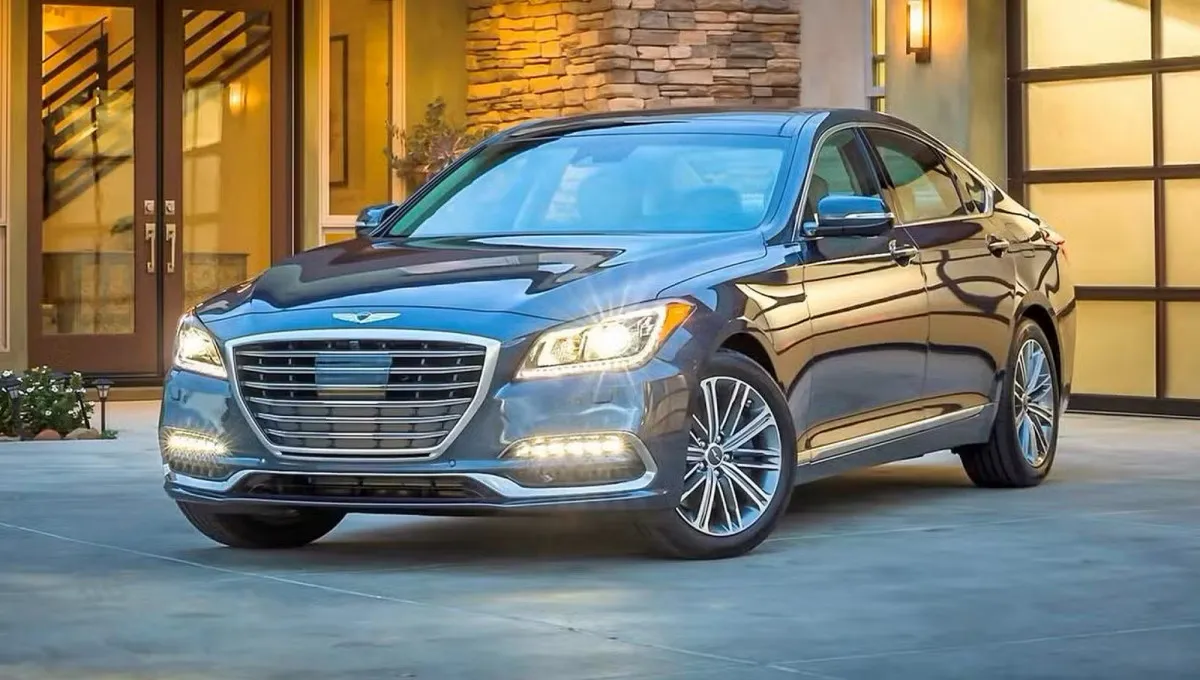
Hyundai Recalls Nearly 95,000 Genesis Sedans Over Fire Risk From Power Seats
Hyundai is recalling 94,622 Genesis sedans after a faulty power seat switch was linked to overheating and potential vehicle fires.