
That Start-Stop System So Many American Drivers Hate? It May Soon Be History
The annoying automation will become history—if, of course, power in the U.S. doesn’t change again.
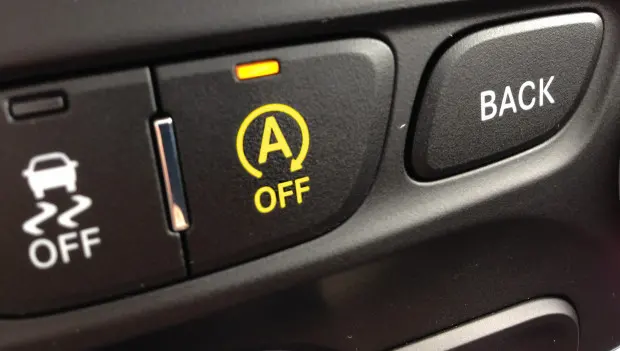
The annoying feature could disappear from new cars—along with a major shift in U.S. climate policy.
New deregulation measures from the U.S. Environmental Protection Agency are effectively ending federal incentives that encouraged automakers to install automatic engine start-stop systems in new vehicles.
Back in early 2025, EPA Administrator Lee Zeldin hinted that the Trump administration was considering rolling back support for start-stop technology—one of the most disliked features in modern cars for many drivers. Now, that move has officially happened.
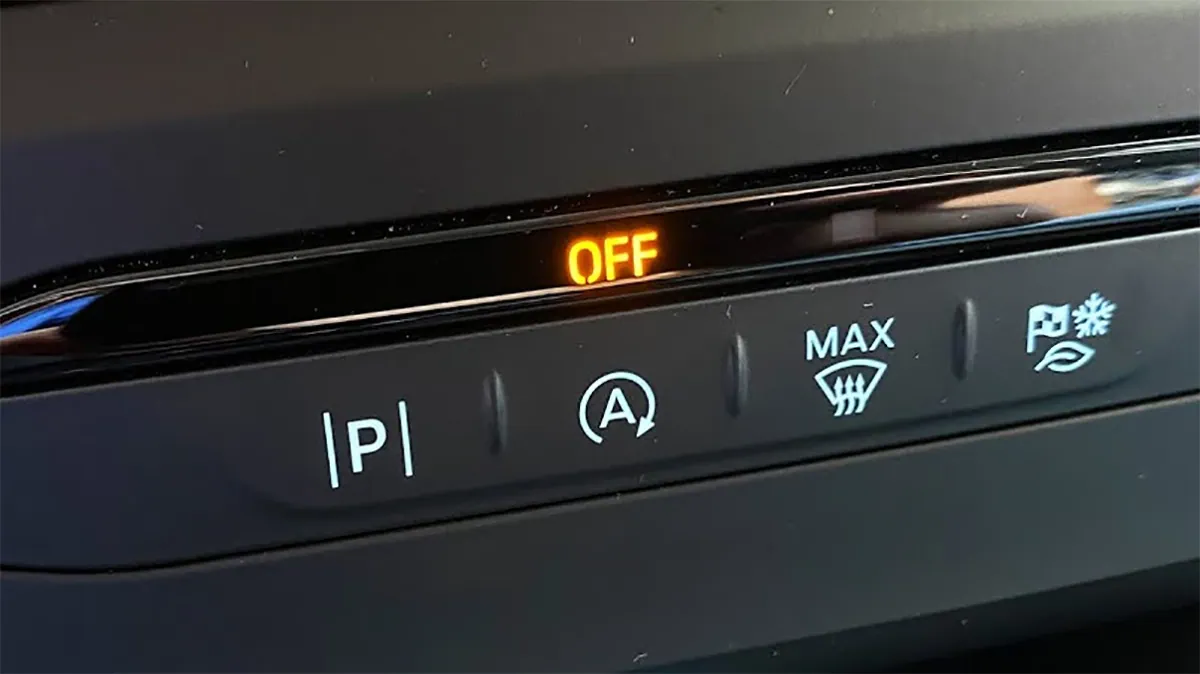
The EPA announced what it described as “the largest deregulatory action in U.S. history.” The administration is reversing several vehicle emissions standards introduced under previous administrations, including federal policies that had favored start-stop systems.
Under the agency’s final rule adopted in February 2026, all so-called off-cycle credits—including those tied to start-stop technology—have been removed. Previously, these credits allowed automakers to earn regulatory “points” for adding fuel-saving features, even when real-world efficiency gains varied significantly.
In its statement, the EPA specifically noted that features like start-stop, which many drivers find frustrating, would no longer receive federal encouragement.
“For 16 years, the endangerment finding has been used to justify restricting consumer choice and imposing hidden costs totaling trillions of dollars on Americans,” Zeldin said. He also described the greenhouse gas “endangerment finding” as what some call the “holy grail” of climate regulation—and said that foundation is now being reversed.
Automakers are still free to keep installing start-stop systems if they choose. The technology itself is not banned. But without federal incentives, it may increasingly become an optional feature—or disappear from some models entirely.
The rollback is part of a broader federal shift away from emissions regulations tied to vehicle CO2 output and greenhouse gas policy.
Supporters of the change argue it could lower vehicle prices. According to EPA estimates, the price of a new internal combustion vehicle could drop by about $2,400 as compliance costs fall. That would also make EVs less price-competitive compared to traditional gas-powered models.
The Bigger Story Behind It

The debate over start-stop systems is really just one small part of a much larger political battle.
The administration is also moving against the legal framework built around former President Barack Obama’s 2009 “Endangerment Finding,” which served as the legal basis for much of U.S. climate regulation under the Clean Air Act—including rules affecting cars, power plants, and industrial emissions linked to global warming.
That legal foundation helped shape years of climate policy, carbon regulations, EV mandates, and broader green energy initiatives.
President Donald Trump has repeatedly criticized those policies, calling climate regulation from the Obama era “disastrous” and describing climate alarmism as “one of the greatest scams of all time.”
His administration has now moved to invalidate the 2009 finding that greenhouse gases pose a danger to public health and the environment.
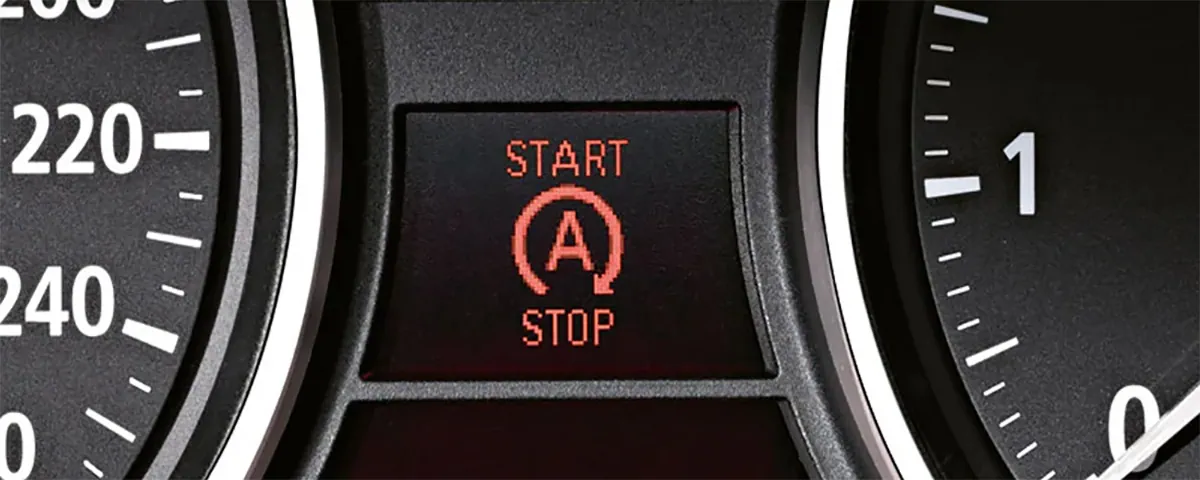
Critics of past climate policy argue that these regulations fueled massive spending programs, aggressive decarbonization policies, and economic pressure on industries ranging from trucking to manufacturing. Supporters, however, say those policies were necessary to address long-term environmental risks.
The political fight extends beyond the U.S. Similar battles over climate mandates, energy policy, and combustion-engine restrictions continue across Europe, including Germany and the EU’s long-term plans to phase out new gasoline and diesel cars.
Now, the EPA is also proposing to delay greenhouse gas emissions limits for passenger cars and light-duty commercial vehicles introduced during President Joe Biden’s administration.
Whether this marks a lasting policy shift—or just another swing in Washington’s climate debate—may depend on who controls the White House next.
You may also be interested in the news:
The 1957 Dodge: How “Autodynamics” Shaped One of Detroit’s Boldest Designs
The 1957 Dodge Looked Like a Dream Car, but Its Biggest Flaw Was Hiding Beneath the Surface.
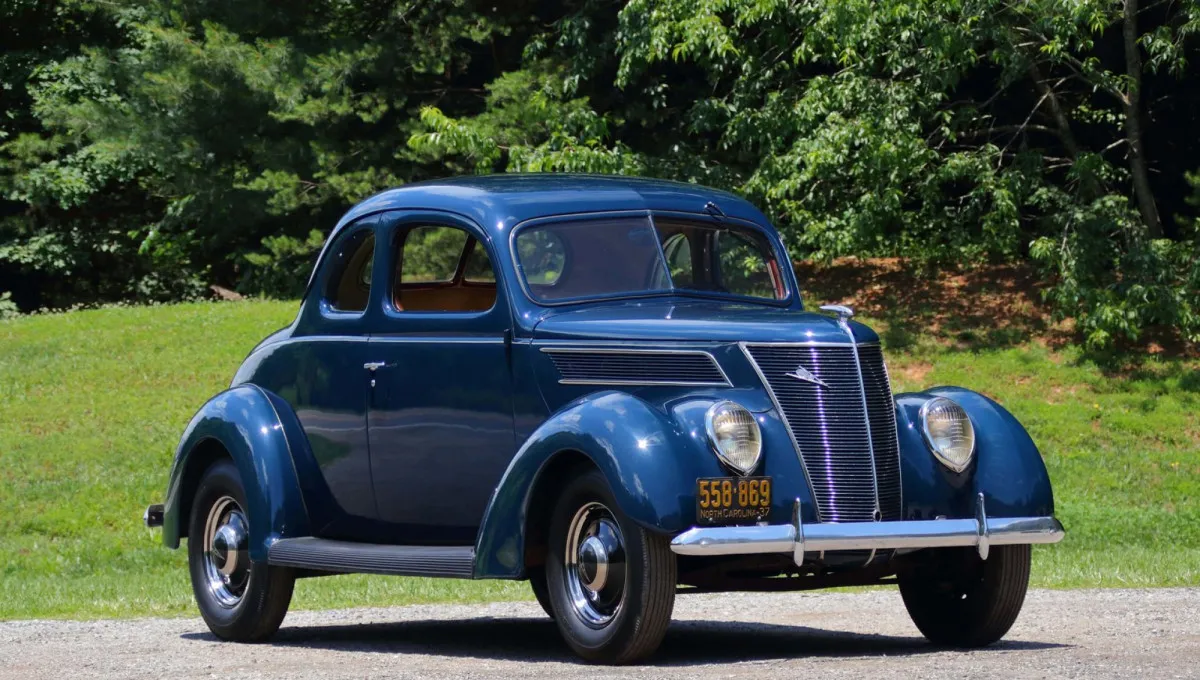
The 1937 Ford Was a Quality Car at an Affordable Price — Here’s What Made It Stand Out
The 1937 Ford featured several major changes and improvements. Let’s take a closer look.
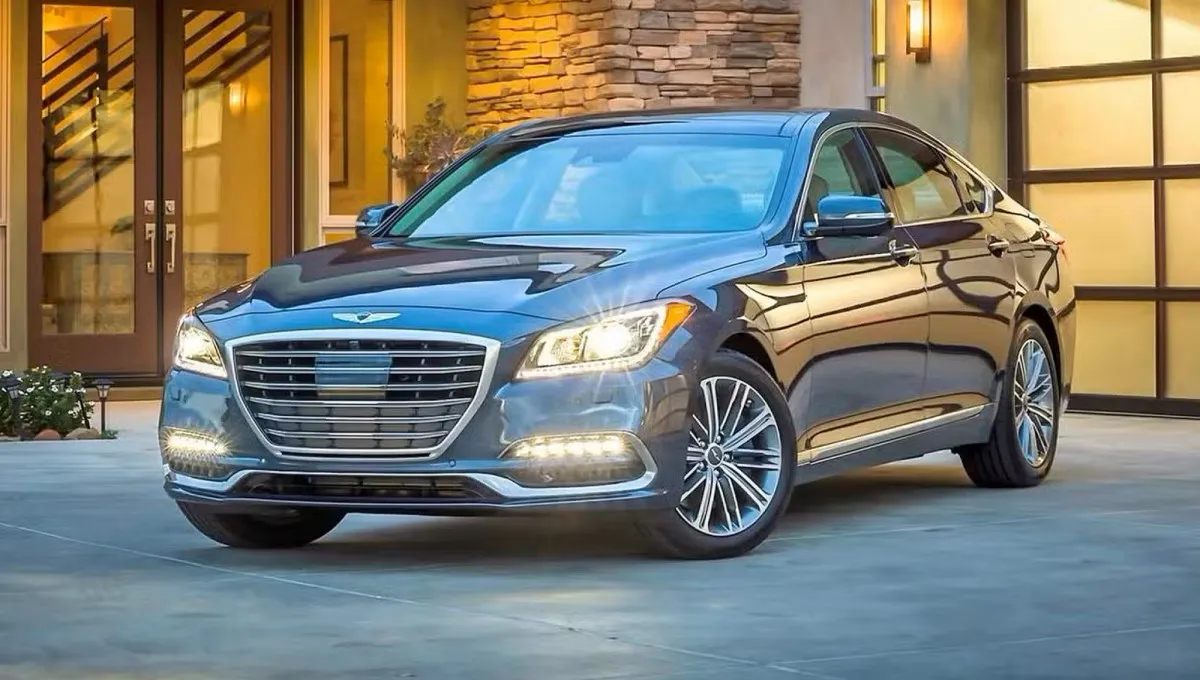
Hyundai Recalls Nearly 95,000 Genesis Sedans Over Fire Risk From Power Seats
Hyundai is recalling 94,622 Genesis sedans after a faulty power seat switch was linked to overheating and potential vehicle fires.
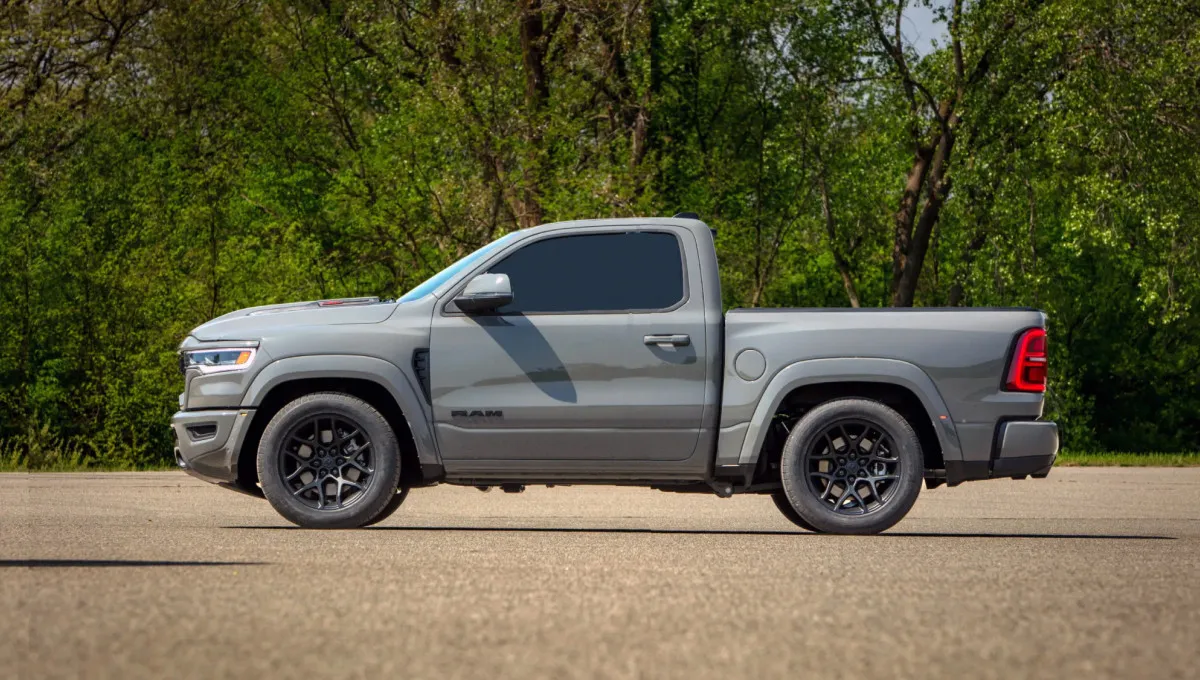
2027 Ram 1500 Rumble Bee: Pricing, Options and How to Build Yours
The 777-HP Ram Rumble Bee Is Coming — But You Can Buy the New Hemi Truck Now
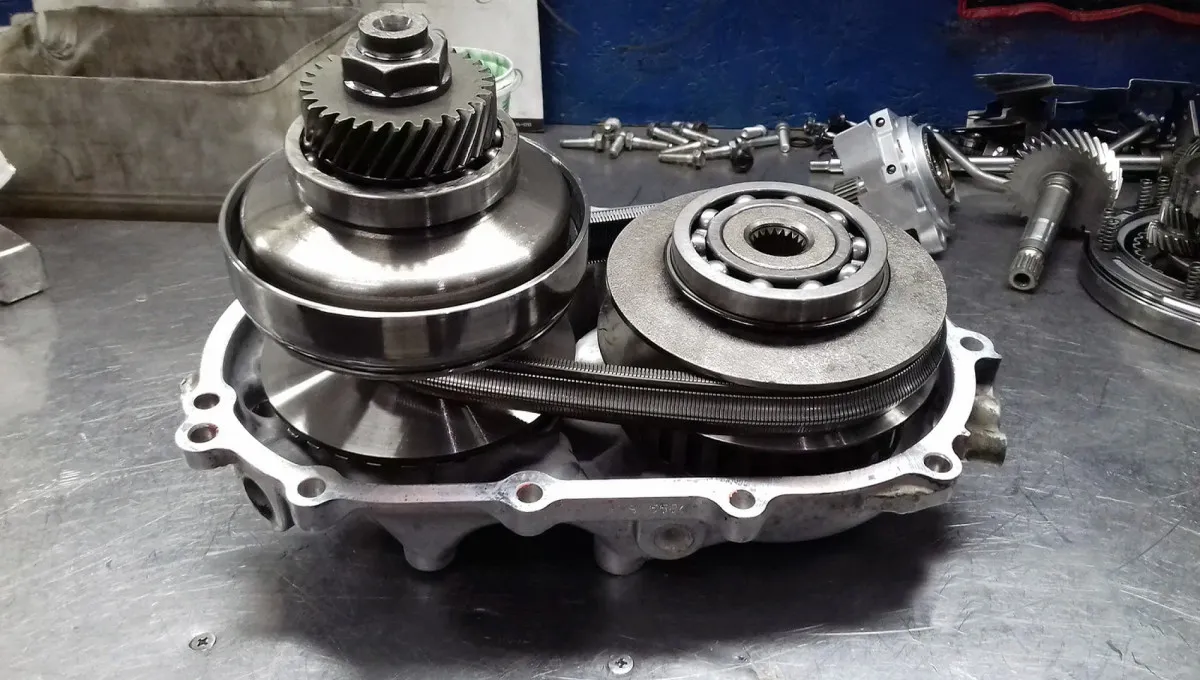
Why Experienced Drivers Still Warn Against Buying a Used Car With a CVT
CVTs offer smooth acceleration and good fuel economy, but expensive repairs and durability concerns make used models risky.