
7 Facts About the Legendary Ford Model T That Put America Behind the Wheel
This iconic car transformed the auto industry, changed everyday life, and made driving accessible to millions.
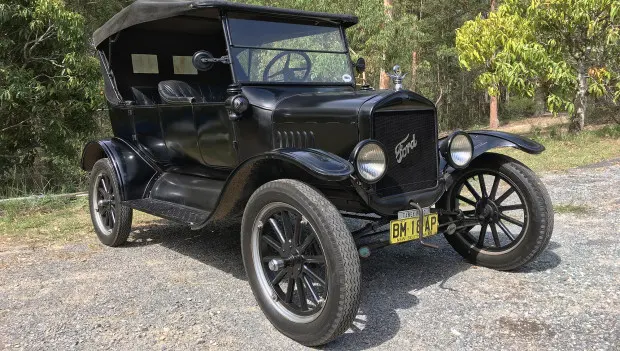
Countless cars have shaped automotive history, but few changed the world as dramatically as the Ford Model T. This legendary vehicle helped put America on wheels, was produced in the millions, and became the first truly affordable car for ordinary families. But that’s only part of its remarkable story.
It Wasn’t Always Black
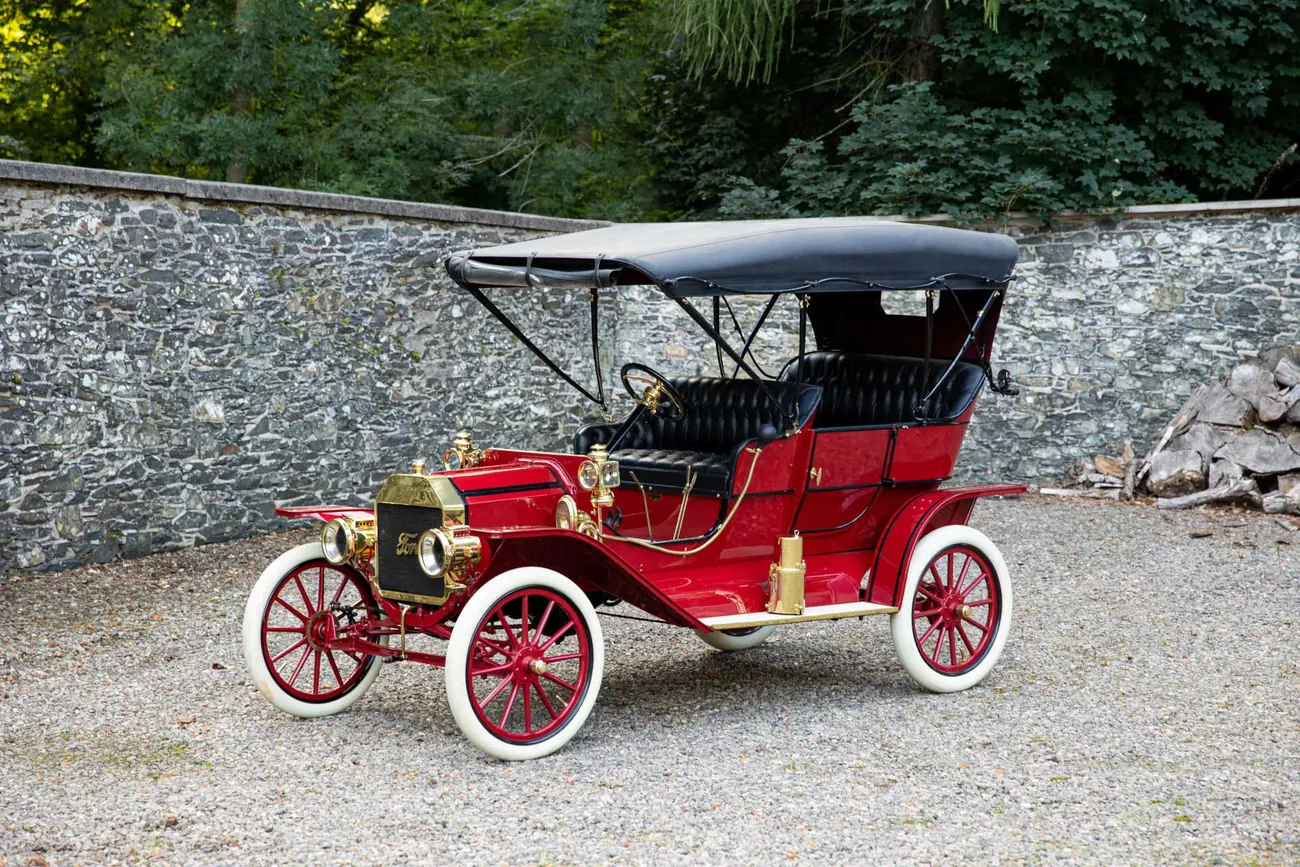
Henry Ford’s famous quote that buyers could have the Model T in “any color so long as it is black” is known around the world. But the earliest Model Ts actually came in red, blue, green, and gray.
The switch to black happened when Ford introduced assembly-line production. Painting cars in multiple colors slowed down manufacturing, and black paint dried the fastest, making production far more efficient.
Customers weren’t thrilled about losing color options, and dealerships asked Ford to offer more variety in both colors and models. That’s when Henry Ford delivered his now-famous line. Later, in his autobiography, he admitted he should have listened more closely to customer preferences, though he also argued that style requests often came down to personal taste rather than real necessity.
It Earned the Nickname “Tin Lizzie”
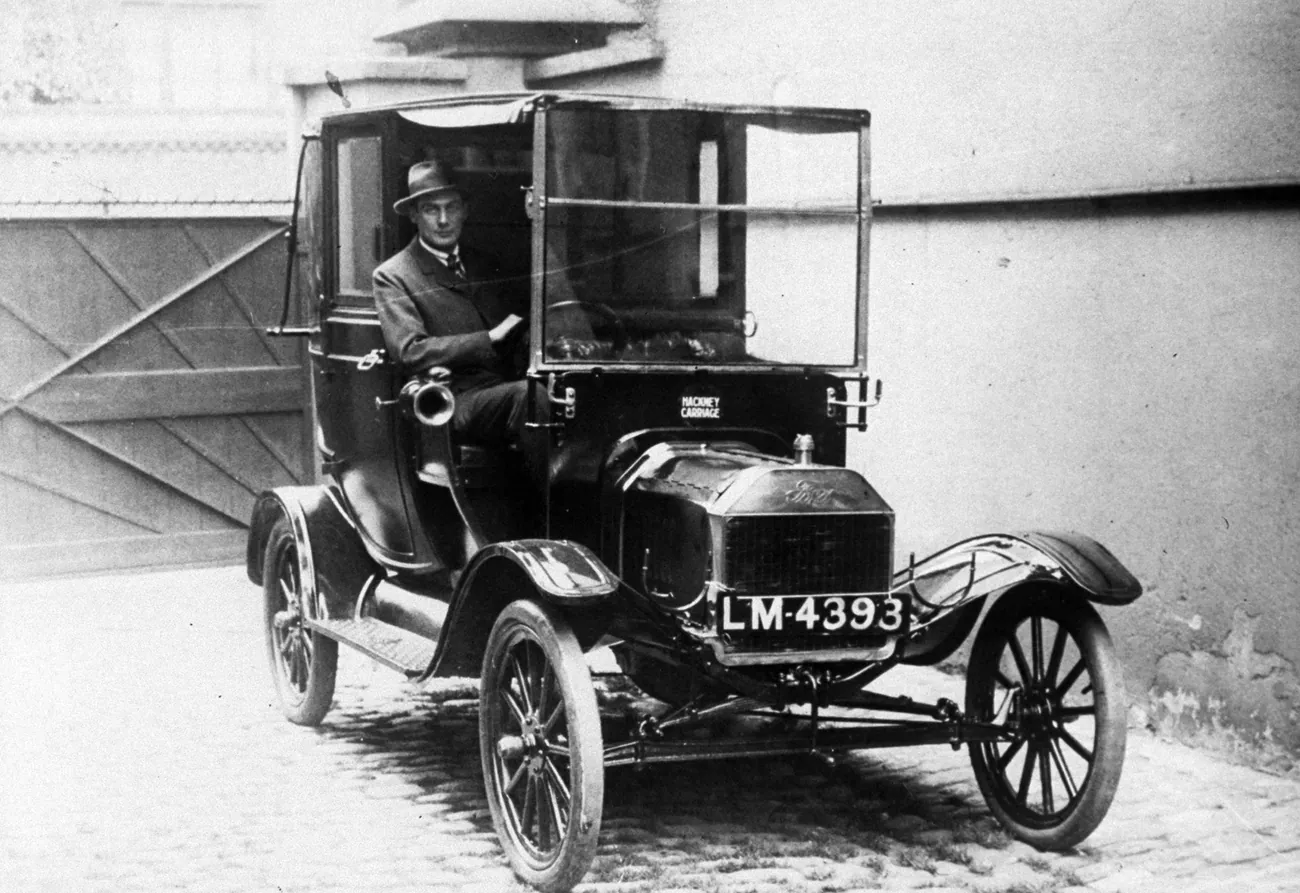
The Model T had several nicknames, including “Flivver” and “Leaping Betty,” but the most famous was “Tin Lizzie.”
No one knows for certain how the name started, but one popular story traces it back to a race at Pikes Peak, Colorado, in 1922. Driver Noel Bullock entered his aging, beat-up Model T, which he called “Old Liz.”
Spectators joked about the rough-looking car, calling it a “tin can,” but during the race it outperformed far more expensive and polished competitors. When newspapers reported the win, they accidentally called the car “Tin Lizzie” instead of “Old Liz.” The nickname stuck—and soon became associated with every Model T.
It Was Famous for Versatility and Toughness
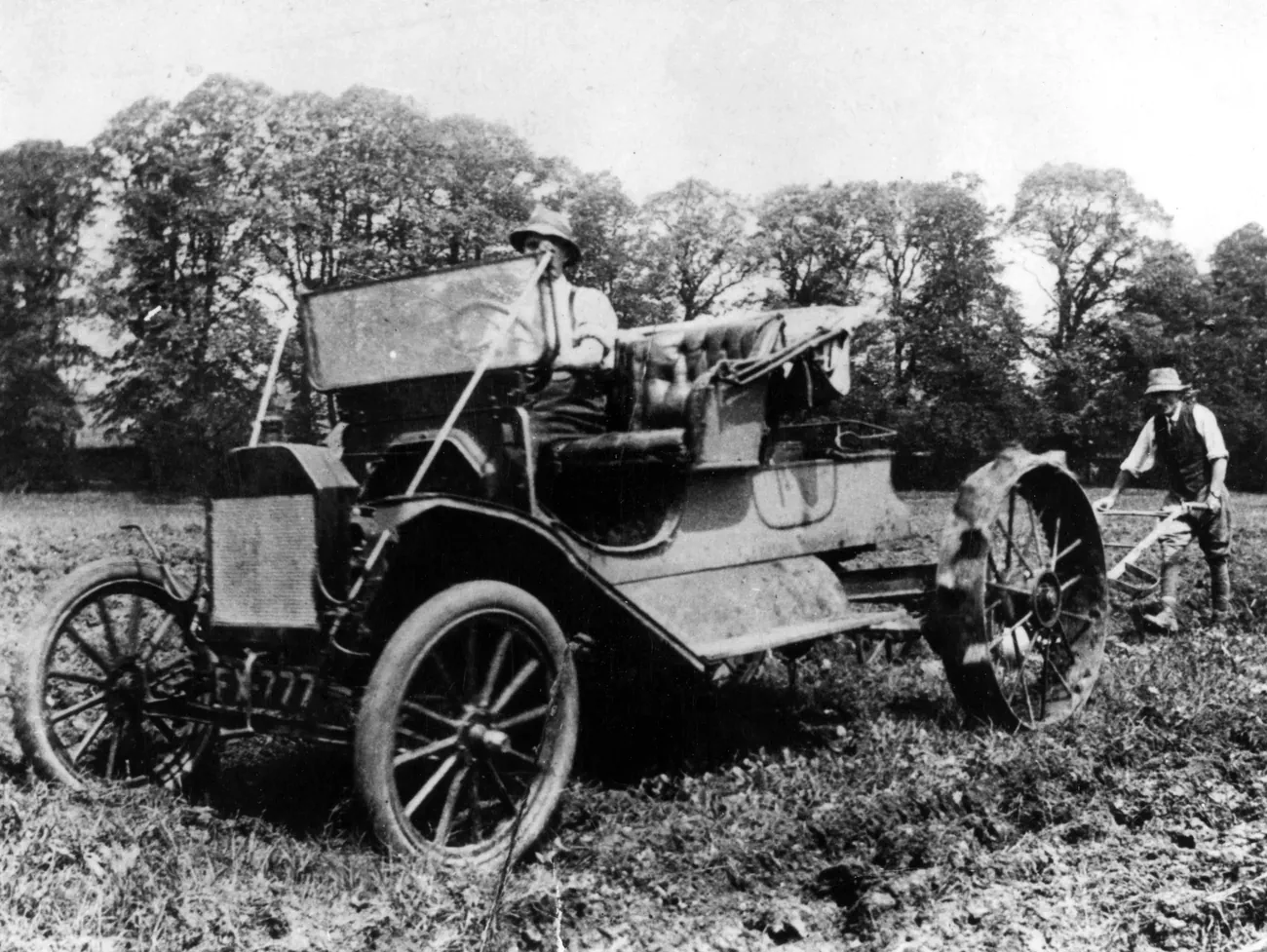
The Model T was known for being nearly indestructible and incredibly adaptable.
Owners turned them into tractors, snow vehicles, delivery vans, and all kinds of utility machines. By replacing one rear wheel with a leather belt drive connected to a pulley, farmers could even power threshers, sawmills, and other equipment directly from the car.
Some churches reportedly converted Model Ts into mobile chapels, while railroad companies modified them with steel wheels to inspect train tracks.
The trend became so common that entire businesses emerged offering aftermarket conversions. Magazines of the era even published regular guides explaining how to transform your Model T for different uses.
There Was a Truck Version Called the Ford Model TT
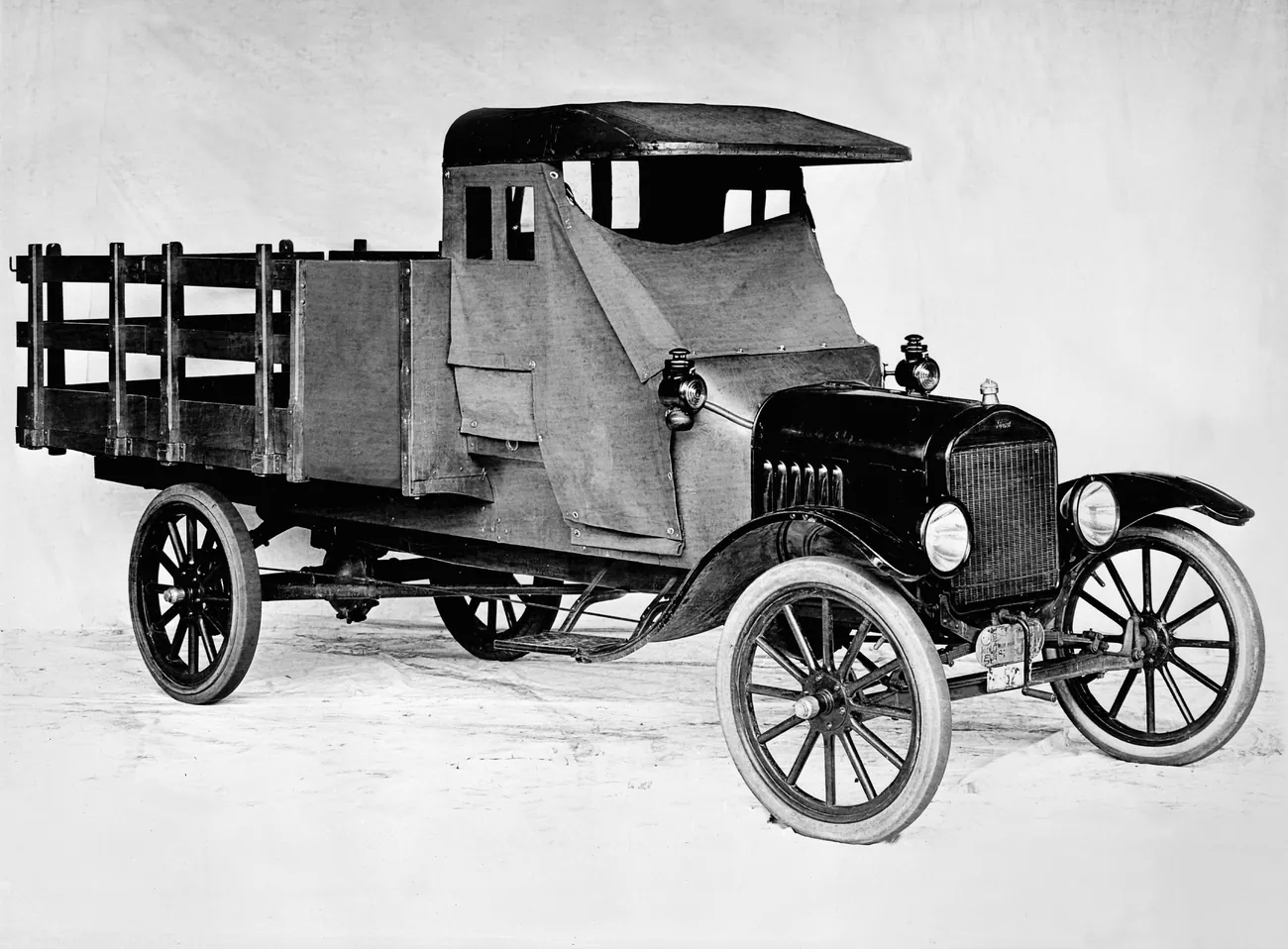
Many people don’t realize Ford also built a truck version of the Model T.
Henry Ford originally had little interest in producing anything beyond passenger cars, but after seeing owners remove rear seats and turn their cars into work vehicles, he changed his mind.
The first Model TT truck went on sale on July 27, 1917, and remained in production until 1927.
The Successor Was the Model A—Not the Model U
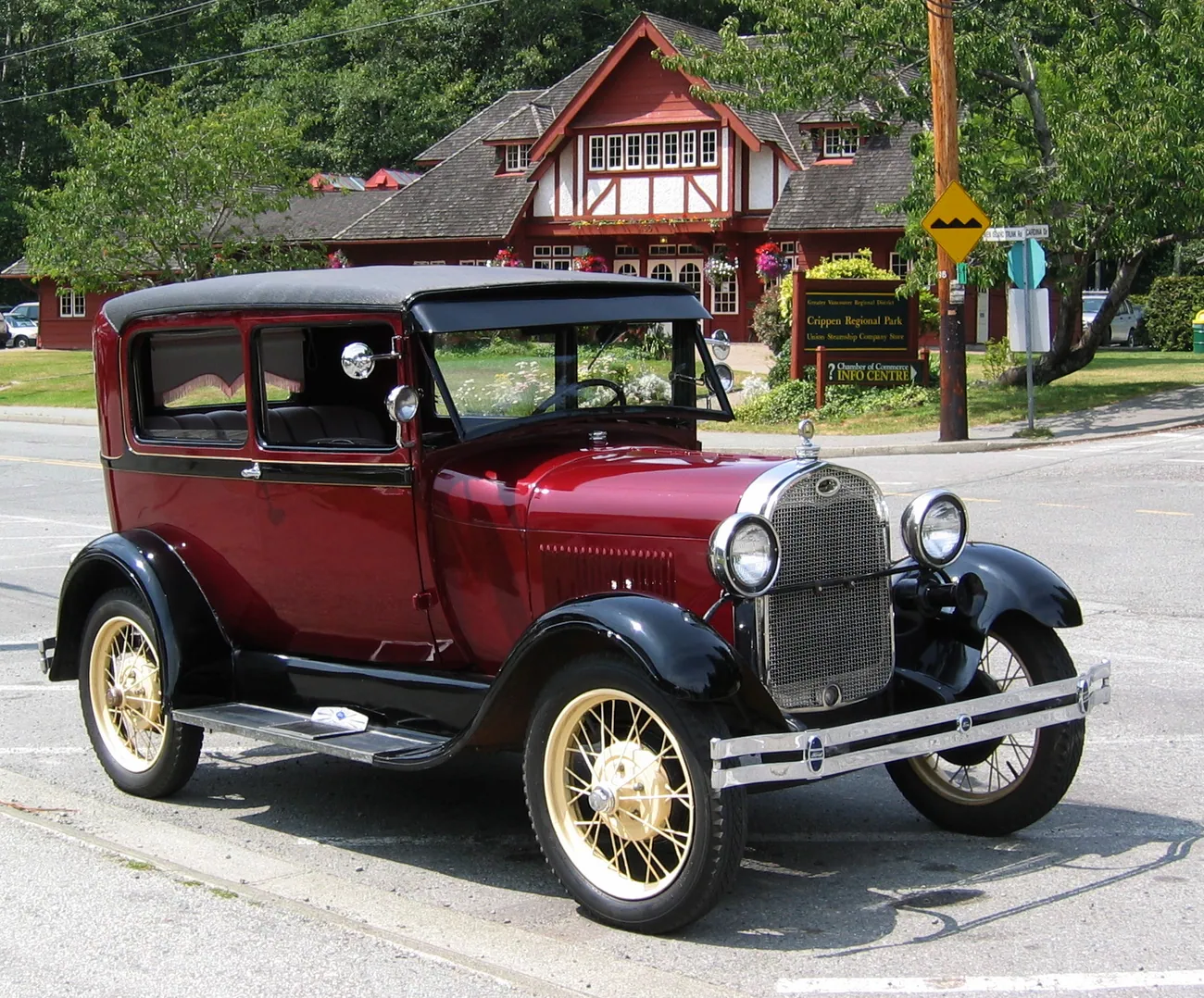
Ford’s first car was called the Model A. The second became the Model B, and the company continued alphabetically until it reached the Model T.
Naturally, many assumed the next car would be the Model U—but it wasn’t. Instead, Ford returned to the name Model A.
Why? Henry Ford believed the Model T was the best car possible and resisted replacing it for years. But by the mid-1920s, competitors were catching up and Model T sales began to fall.
Production officially ended in May 1927, and in November the all-new Model A arrived.
The return to the “A” name was meant to show this was a completely new vehicle built from scratch, not simply an updated Model T. To avoid confusion with the earlier version, historians often refer to it as the 1927–1931 Model A.
Henry Ford Stopped Advertising the Model T
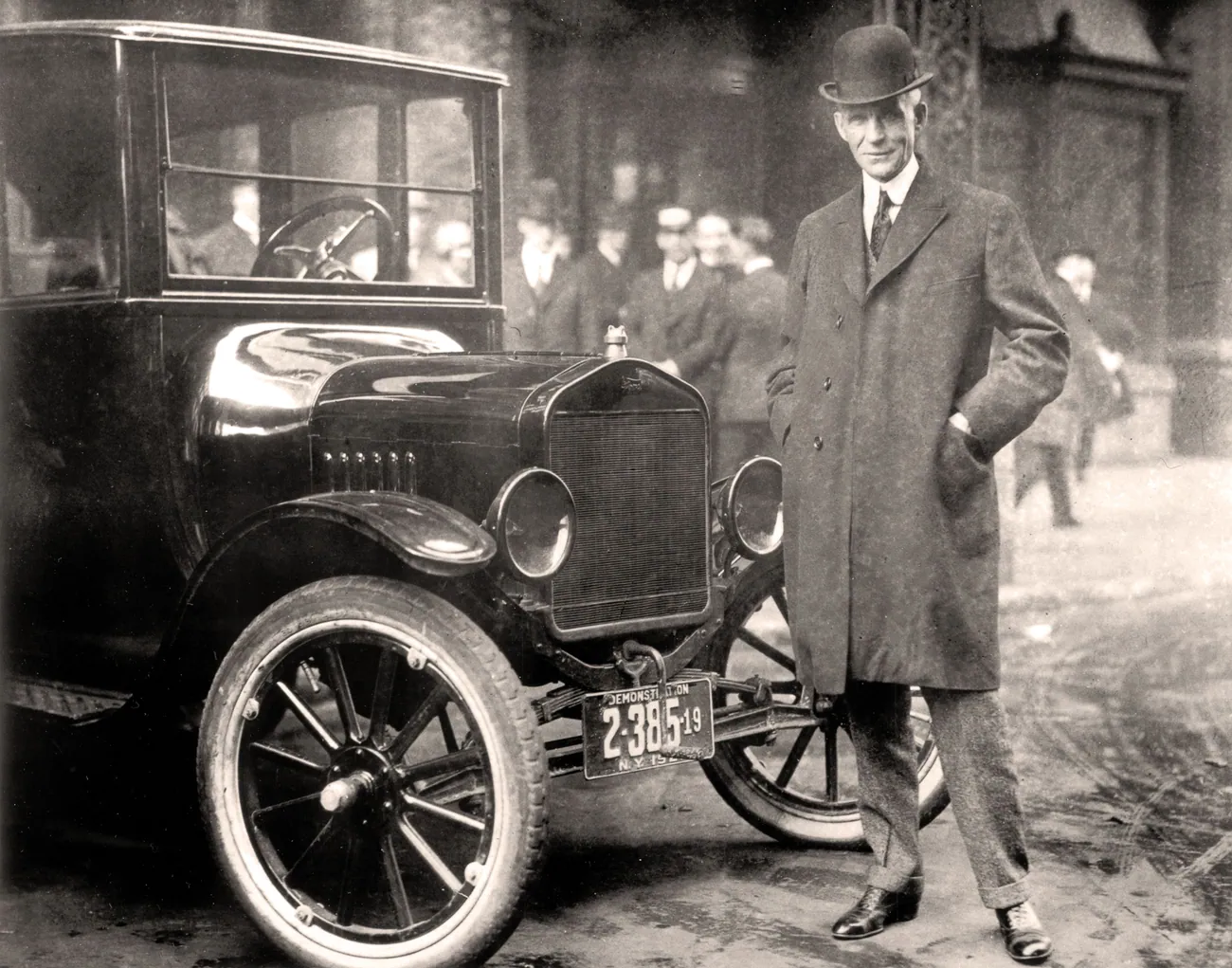
When Ford launched his earliest cars, he used traditional advertising. But the Model T became so successful that Henry Ford stopped relying on ads almost entirely.
He trusted word-of-mouth instead.
From 1917 to 1923, Ford ran virtually no national advertising for the Model T, although dealerships still promoted it locally. Its popularity was simply overwhelming.
Meanwhile, rivals like General Motors and Chevrolet invested heavily in major ad campaigns. By 1931, Chevrolet had overtaken Ford in total sales. Ford didn’t reclaim market leadership until 1957.
A remarkable fact: in 1921, the Model T accounted for an incredible 56.5% of all registered cars in the world—a level of dominance that remains almost unmatched.
It Didn’t Cause Prohibition
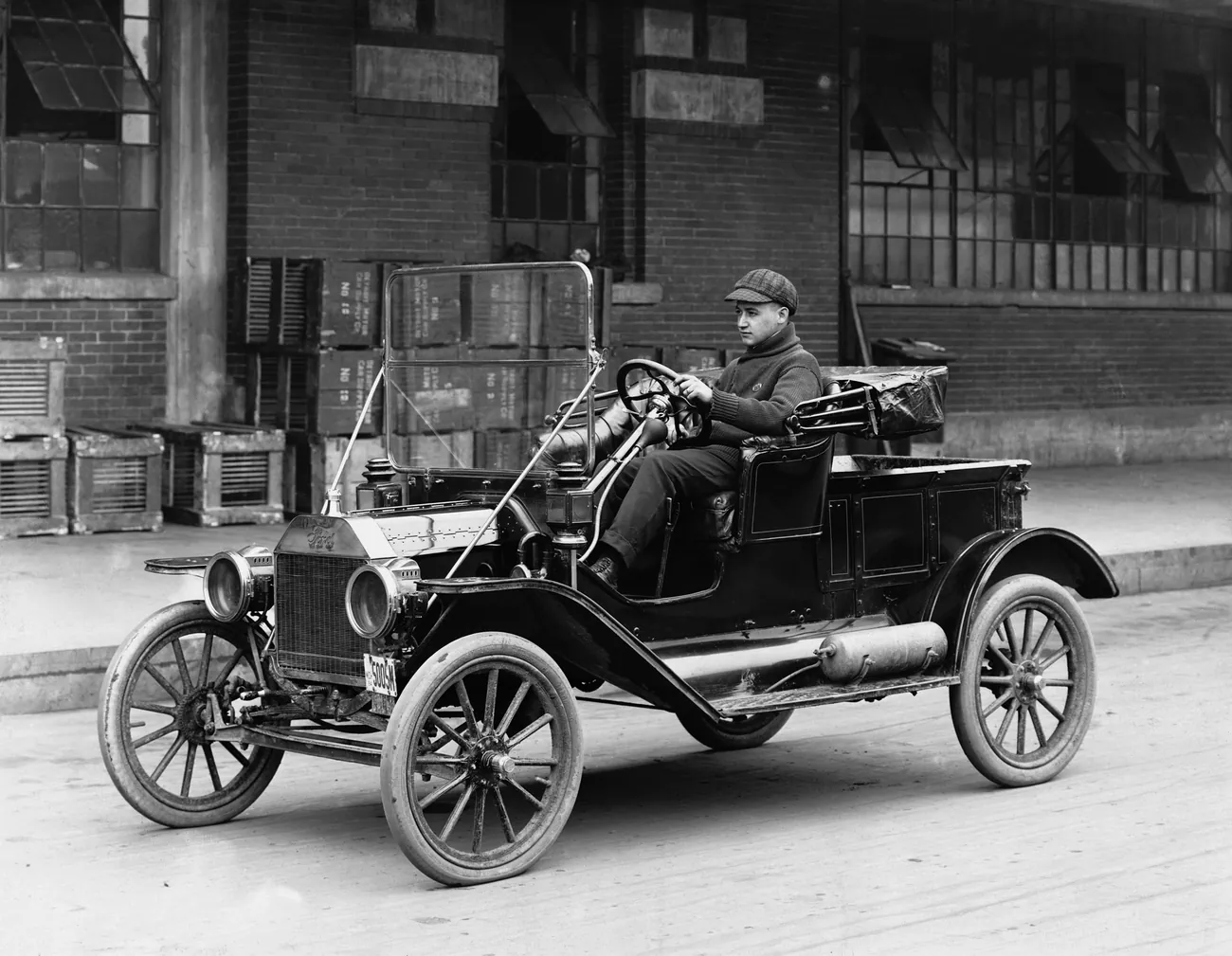
There’s a long-running myth that the Ford Model T was originally designed to run on alcohol-based fuel and that gasoline only became standard because Prohibition banned alcohol sales.
Some conspiracy theories even claim oil magnate John D. Rockefeller pushed for Prohibition so Ford would be forced to rely on gasoline.
In reality, the Model T had nothing to do with Prohibition.
Henry Ford experimented with both gasoline and ethanol as fuel options, but the car itself was never the reason alcohol was banned. The connection is mostly a modern myth rather than historical fact.
You may also be interested in the news:

These 8 Cars Went Over 1 Million Miles — They Just Don’t Build Them Like They Used To
Some cars outlast generations of owners, proving that careful maintenance and durable engineering can deliver extraordinary mileage.
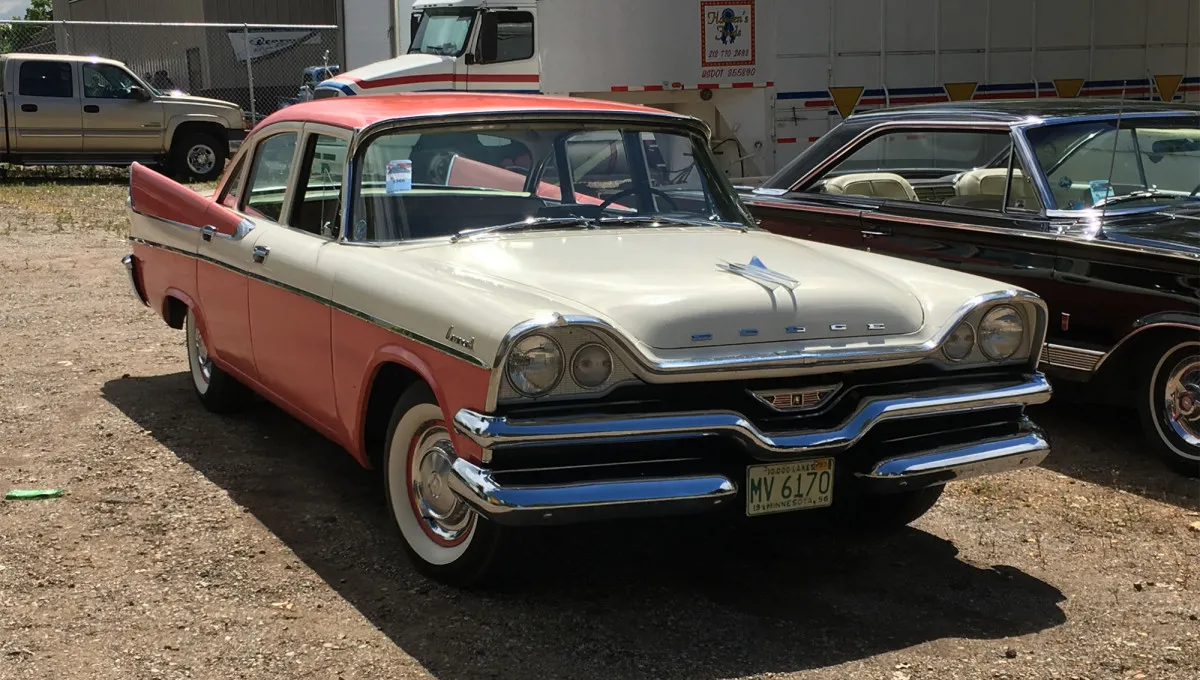
The 1957 Dodge: How “Autodynamics” Shaped One of Detroit’s Boldest Designs
The 1957 Dodge Looked Like a Dream Car, but Its Biggest Flaw Was Hiding Beneath the Surface.
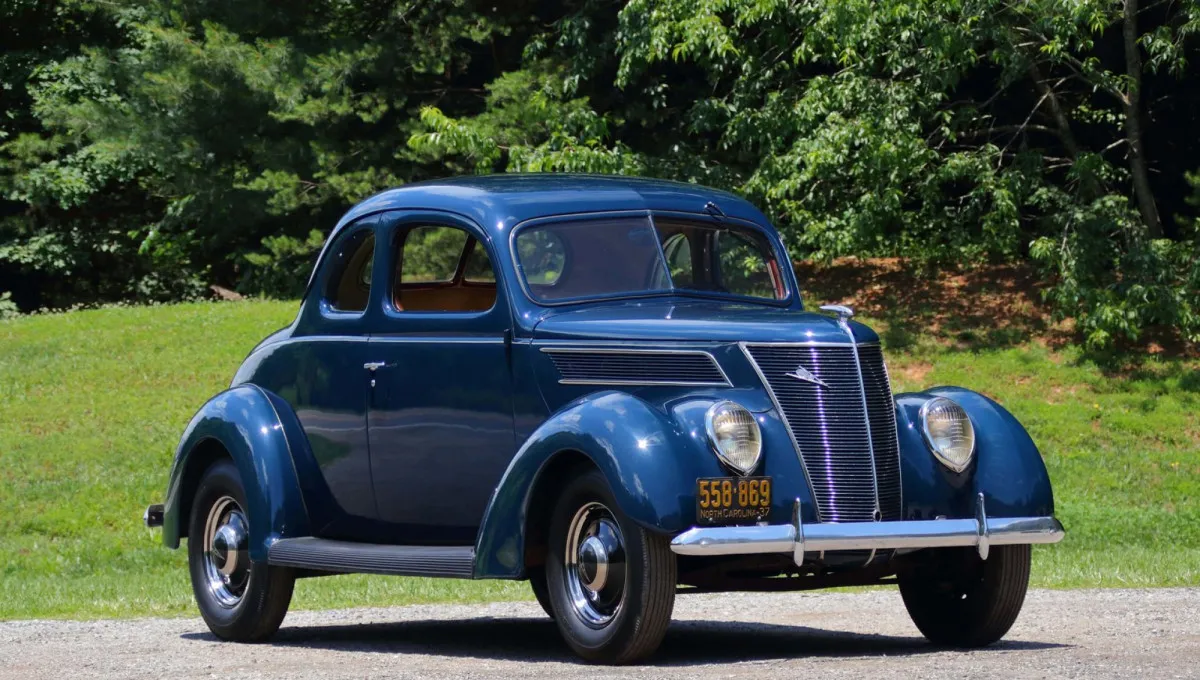
The 1937 Ford Was a Quality Car at an Affordable Price — Here’s What Made It Stand Out
The 1937 Ford featured several major changes and improvements. Let’s take a closer look.

Two Ferrari F40s Spotted on Google Maps Turn Out to Be Pontiac Fiero Replicas
Two Ferrari F40 lookalikes spotted on Google Maps in Spain turned out to be replicas built on an American sports car.
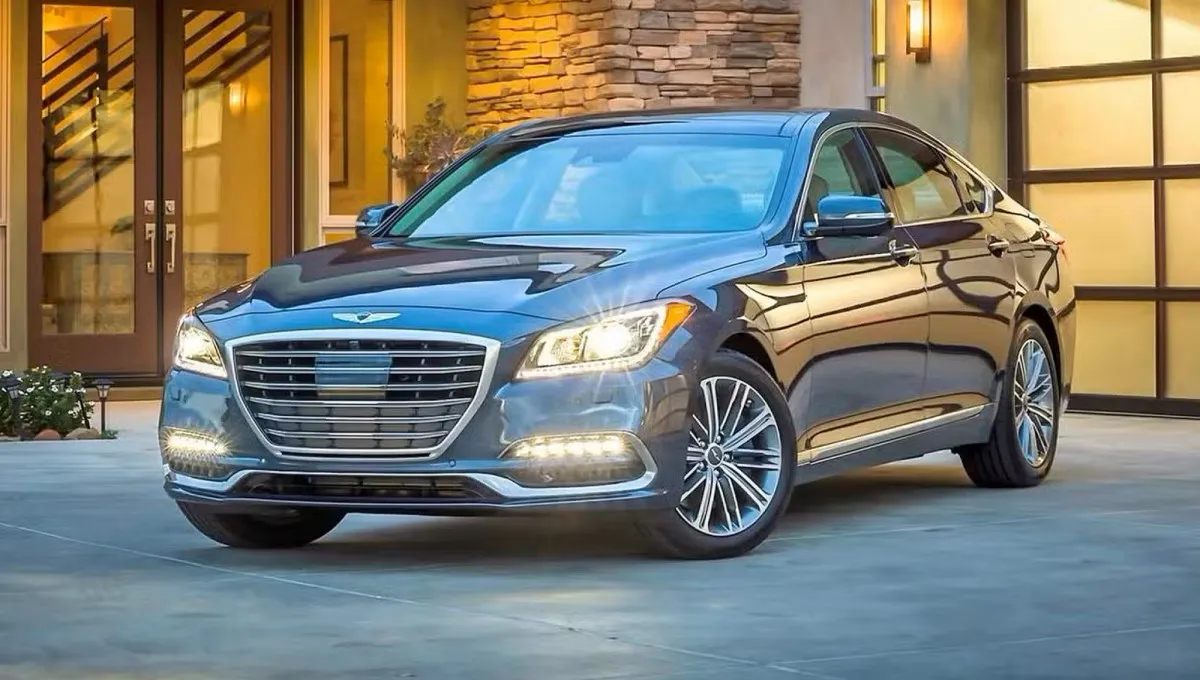
Hyundai Recalls Nearly 95,000 Genesis Sedans Over Fire Risk From Power Seats
Hyundai is recalling 94,622 Genesis sedans after a faulty power seat switch was linked to overheating and potential vehicle fires.