
Too Smart for Its Own Good: When Modern Car Tech Does More Harm Than Help
Today’s cars are crammed with high-tech solutions to the point where the very idea that some of them might be harmful sounds almost absurd.
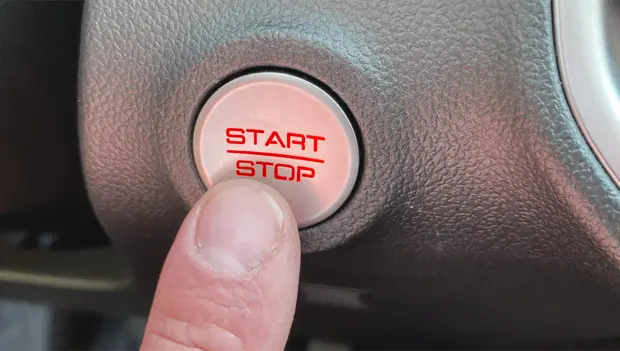
Modern cars are packed with all kinds of cutting-edge features, so it seems unthinkable that any of them could actually make things worse. ABS, stability control, power steering and brakes, airbags, and a long list of other options that early Soviet-era compacts never even dreamed of — all of this looks like undeniable progress. In situations where a driver might hesitate or lose control, electronics are supposed to step in and save the day.
But it’s not that simple. And plenty of drivers are increasingly unhappy with certain modern design choices.
Take the parking brake. Back in the day, the handbrake was right there by the driver’s side. In an emergency, your hand found it instantly. It was a completely independent braking system, unaffected by whether the engine was running or not. If the main brakes failed, the driver reached for the handbrake without thinking.
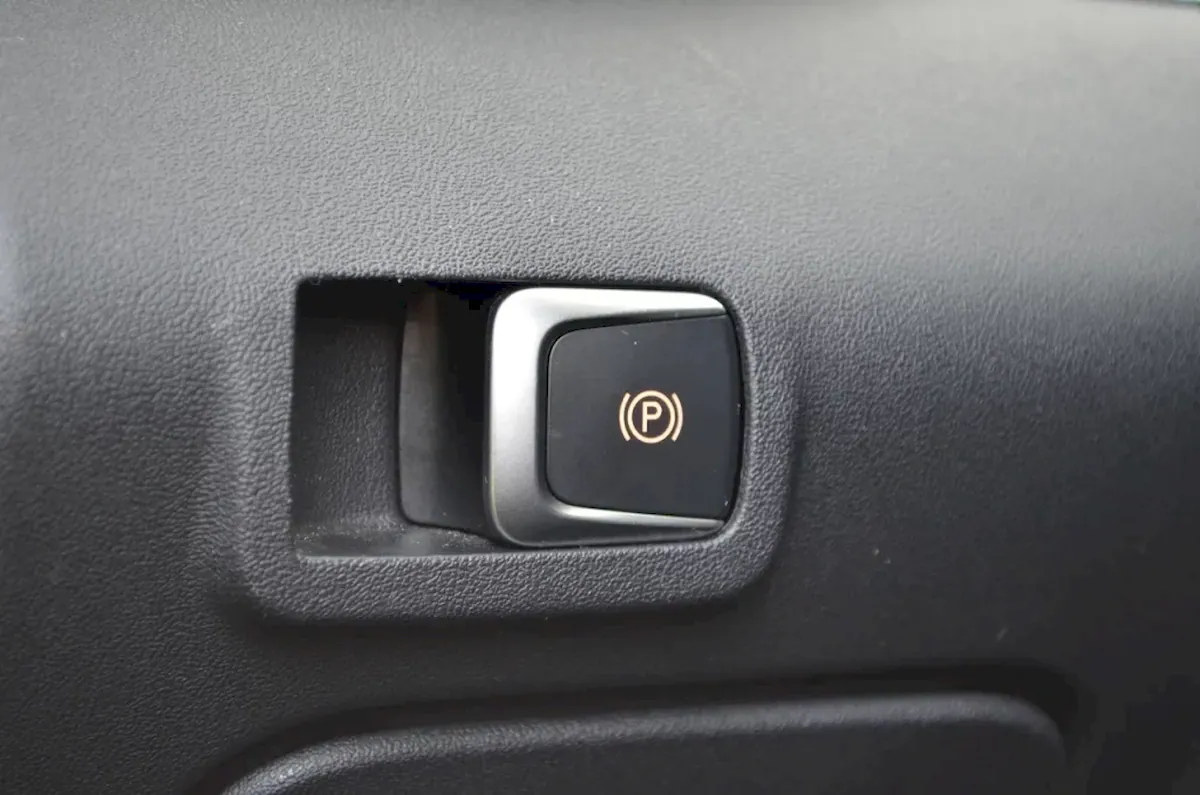
Then something changed. The lever disappeared, replaced by an electronic parking brake. Turn the ignition off — and suddenly there is no “handbrake” at all. Worse still, in many cars activating it requires digging through on-screen menus. What if you need to act immediately? How many drivers would manage that under stress? In effect, the car is left without a true emergency braking option.
Now let’s talk about power windows. They’re undeniably convenient: press a button and the glass moves. No cranking required, and the driver can even control the passenger’s window. But there’s a serious downside. Imagine a crash — the car rolls over, airbags deploy, chaos everywhere. Anyone could quickly find a manual window crank. But where exactly is the right button now? And will it even work after the impact?
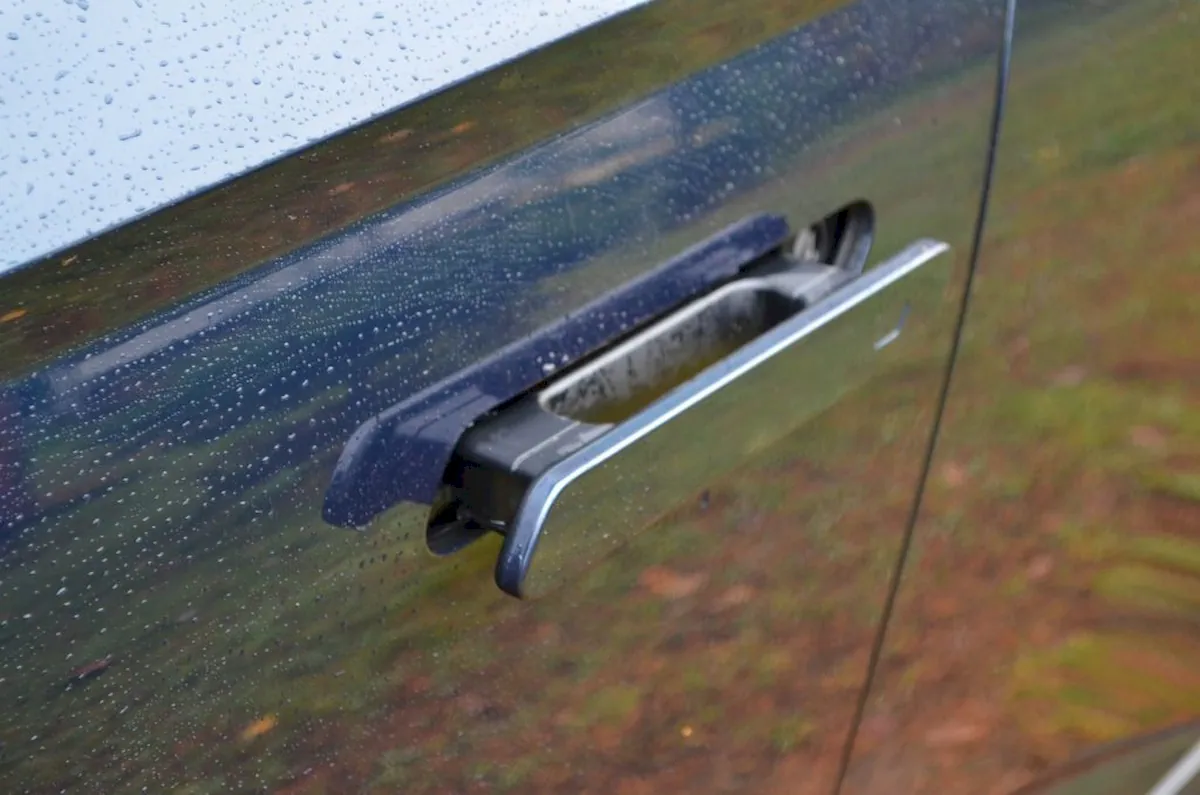
Another modern “toy” is keyless entry — essentially a gift to car thieves. Walk up to the vehicle and it unlocks itself automatically.
Physical buttons are also disappearing fast, replaced almost entirely by touchscreens. A real, tactile button has become almost a luxury feature (just look at Bugatti). Yet it’s well known that people struggle with touch controls, especially without looking. What happens when a decision has to be made at highway speed? The driver gets irritated, distracted — and how does that affect everyone else on the road? One accidental tap in the wrong place, and you may activate something you never intended to touch.
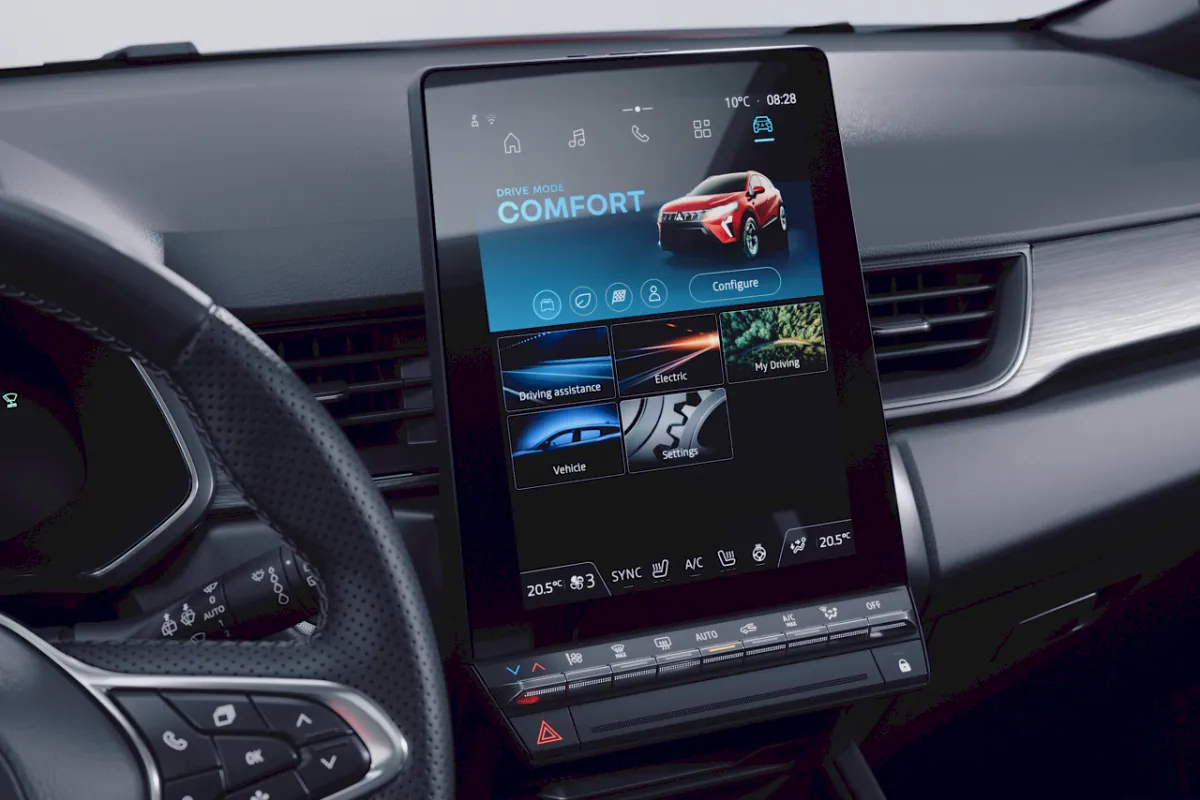
Cars have become overly complicated. Many drivers don’t fully understand half their vehicle’s functions — much like smartphones. Not everyone can easily switch from high beams to low beams anymore. You constantly see cars driving at night with their lights off because the selector isn’t in automatic mode. Drivers increasingly feel like outsiders in a world of blinking icons, warning messages, and endless menus within menus. Even tuning from one radio station to another is harder today than it was 50 years ago. And what’s with automakers’ obsession with secondary features like “concert hall” audio presets? All of this might make sense in a perfectly tuned self-driving car, where bored passengers are just looking for entertainment.
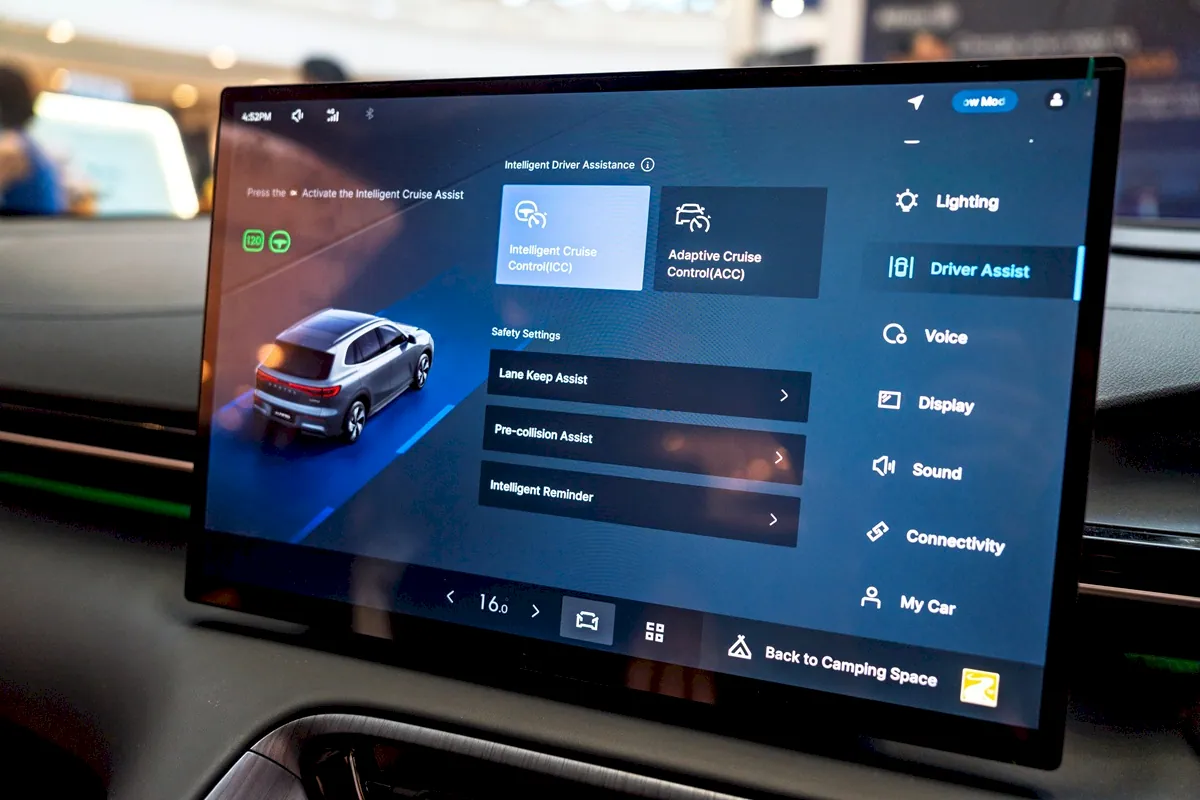
There’s another problem, too: modern systems create a dangerous sense of invincibility. The idea is that the car’s electronics will handle everything. So inexperienced drivers speed along icy roads, convinced the vehicle will sort things out on a slippery curve. It won’t — not yet. The car simply isn’t that smart. But the driver doesn’t know this. The owner’s manual doesn’t explain it either — assuming anyone still reads manuals at all. Consumers are encouraged to believe that a new car will solve every problem on its own.
That’s why comedians have long joked about why there were fewer accidents back in the days of horse-drawn transport. After all, there was always another head doing the thinking.
You may also be interested in the news:
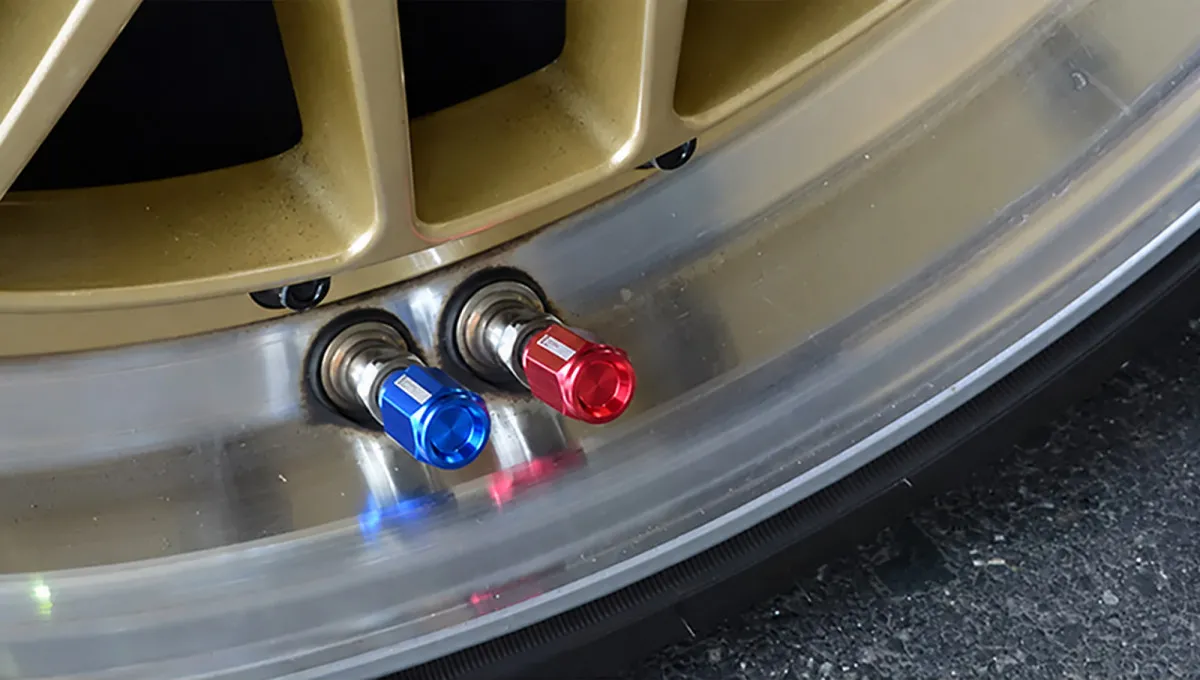
Not a Manufacturing Error: Why Some Wheels Have Two Valve Stems
Two valve stems on one wheel may look unusual, but the setup serves a practical purpose in racing and specialized tire service.
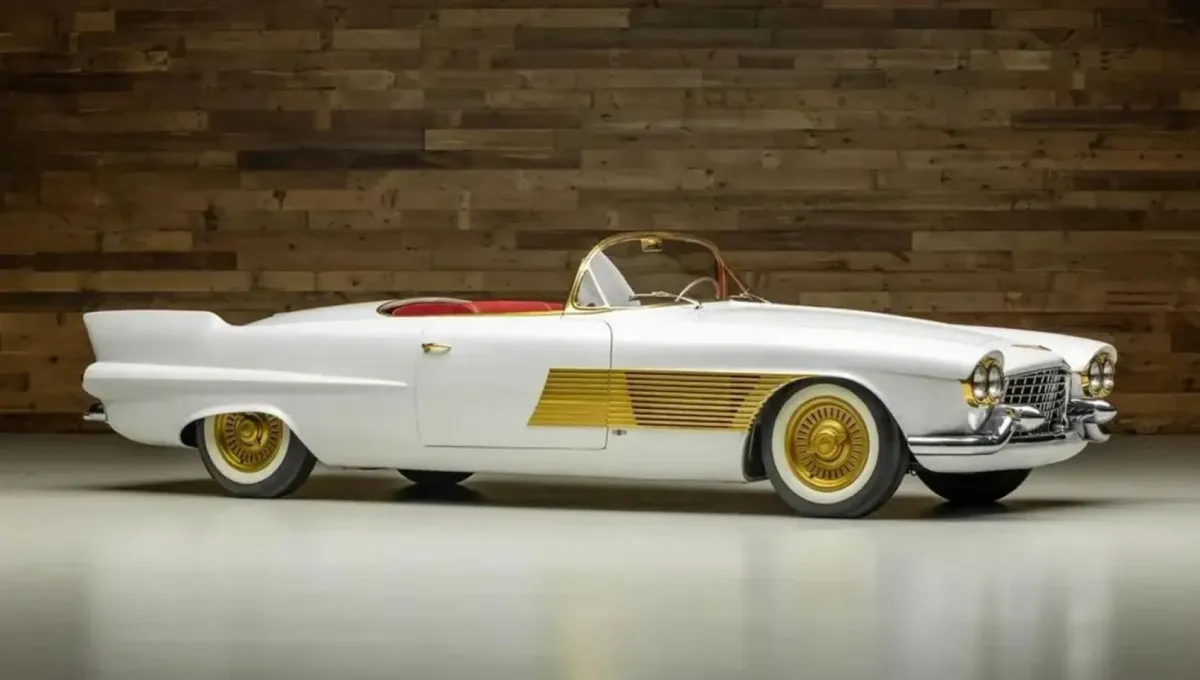
Gilded 1953 Cadillac Sells for a Record $1.275 Million
The unique Cadillac Elegante, featuring an Italian aluminum body and 24-karat gold trim, went to auction for the first time more than 70 years after it was built. It became the most expensive Cadillac ever sold at public auction.

Why Your Neighbor Always Parks With the Wheels Turned: An Auto Expert Explains Three Reasons
Straight wheels aren’t always the smartest choice: experienced drivers turn them for three practical reasons you may not expect.
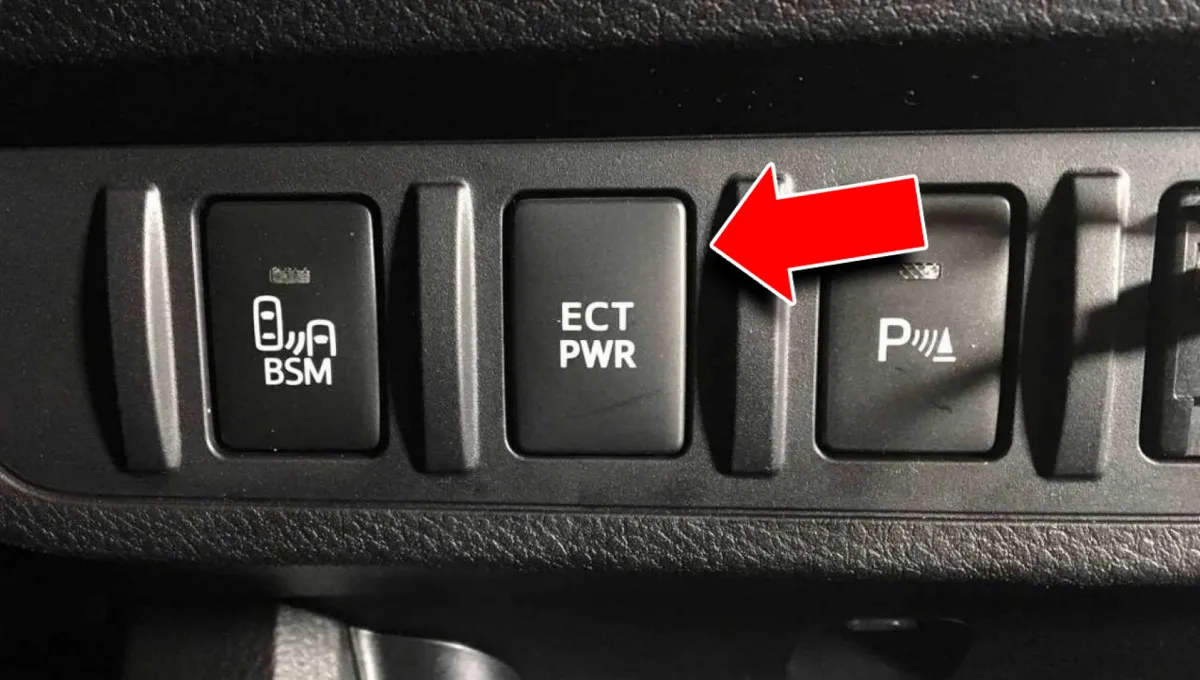
You Hit ECT PWR and Your Toyota Suddenly Wakes Up: What That Mysterious Button Really Does
This little button can change the way a Toyota drives, but plenty of owners have no idea what actually happens when they press it.
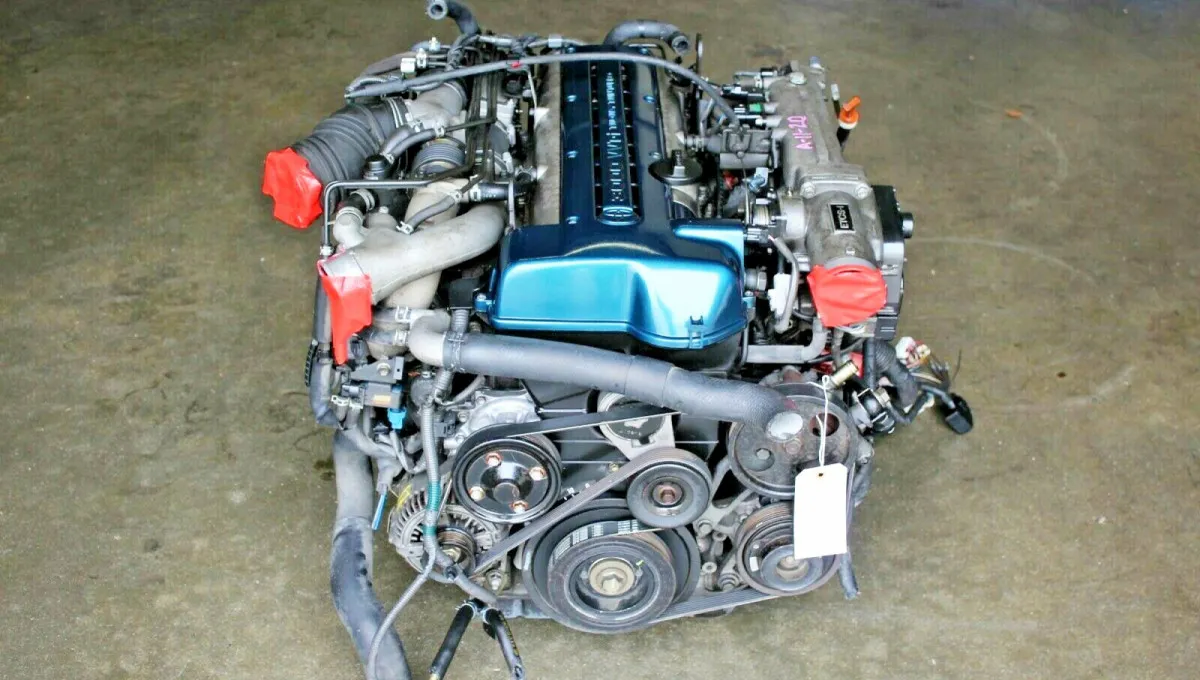
Toyota Built It to Survive 300,000 Miles. Tuners Turned It Into a 2,000-HP Beast
Toyota engineers may have gone too far with durability — and accidentally created the ultimate engine for hot-rodding.