
1975 Opel GT2: Aerodynamic Efficiency and Bold Technology From a Bygone Era
By today’s standards the ideas may look dated, but in the mid-1970s they represented genuinely forward-thinking automotive engineering.
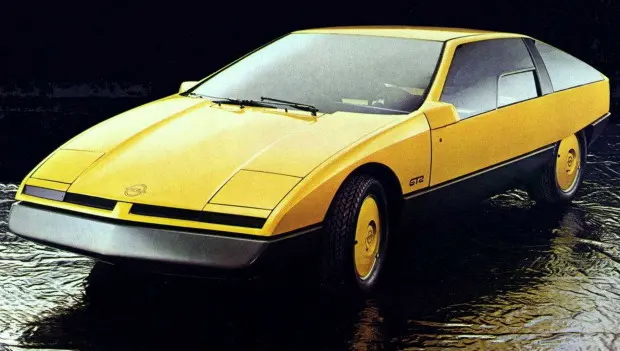
At the 1975 IAA auto show, one of the cars that drew serious attention was the highly aerodynamic Opel GT2. As the name suggests, it was a styling exercise intended as a potential successor to the legendary Opel GT, which was built from 1968 to 1973 and won fans with its “baby Corvette” design cues.
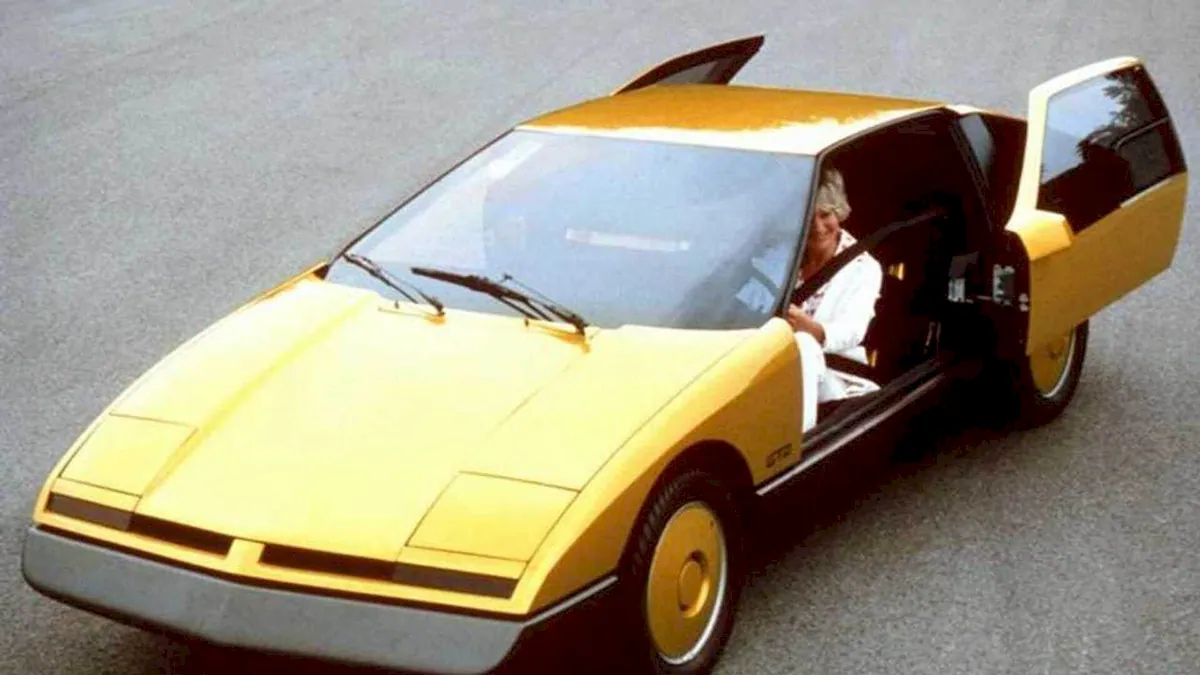
Seen through a modern lens, many of the GT2’s solutions may appear old-fashioned. At the time, however, they were truly innovative and pushed the boundaries of what a compact sports coupe could be.
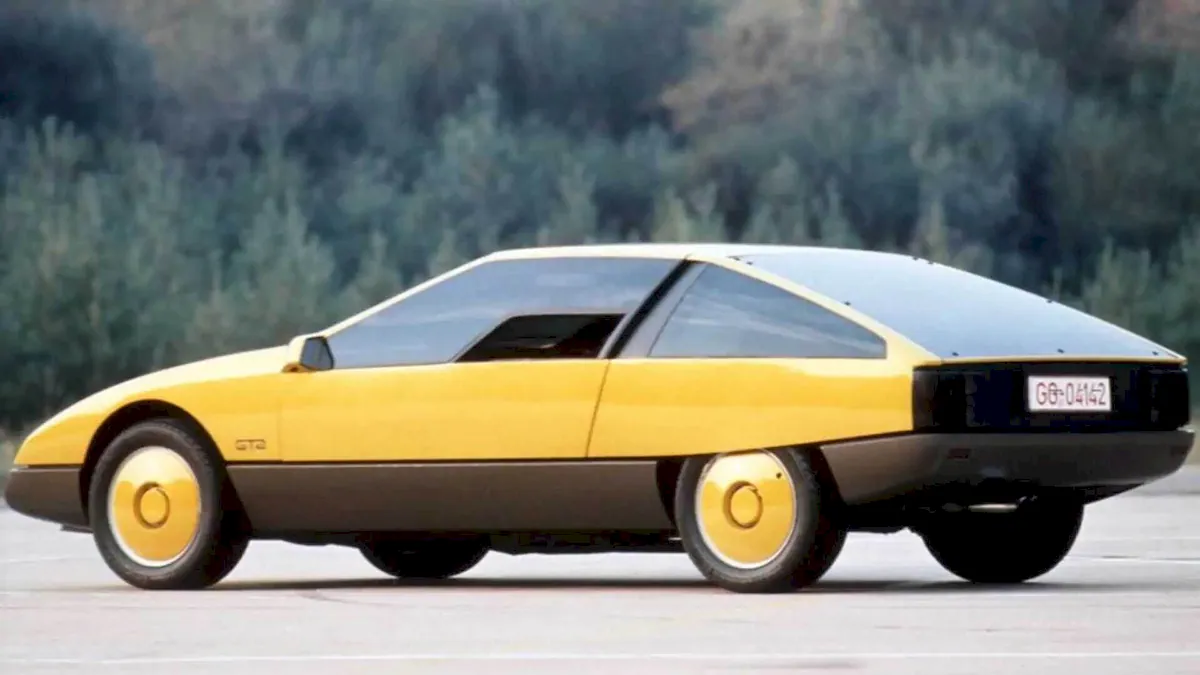
When Opel unveiled the GT2, the company put a strong emphasis on efficiency. In practical terms, that meant lower fuel consumption and reduced operating costs — a critical consideration in the aftermath of the 1973 oil crisis.
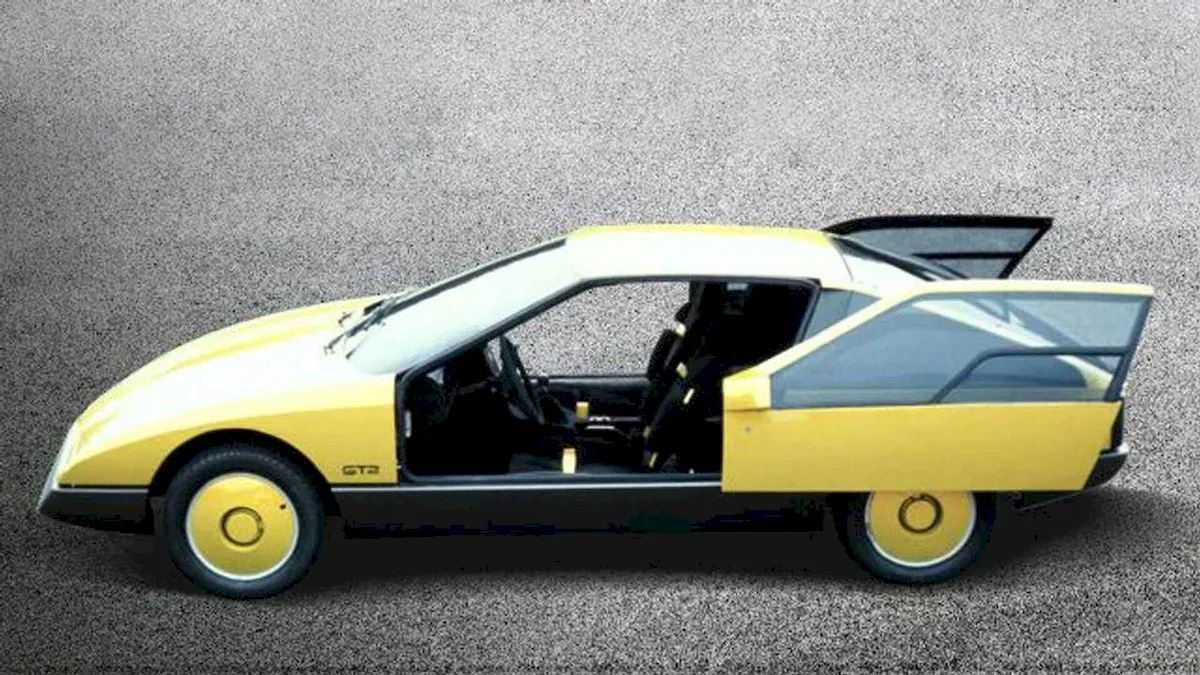
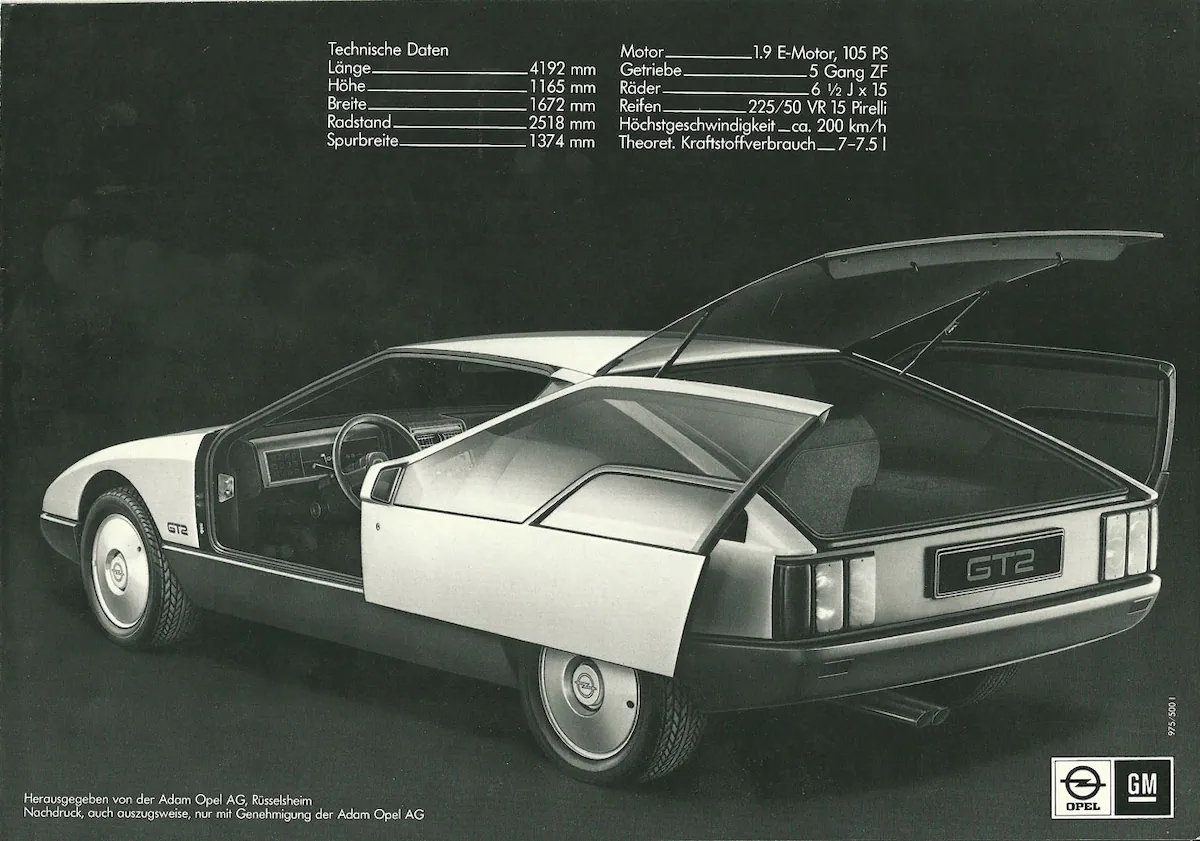
Even then, good aerodynamics were recognized as a key factor in achieving that efficiency, which explains the coupe’s wedge-shaped profile. Thanks to its smooth surfaces, the GT2 achieved a drag coefficient of just 0.326. Even the wheels were optimized for airflow, with the rear wheels partially covered.
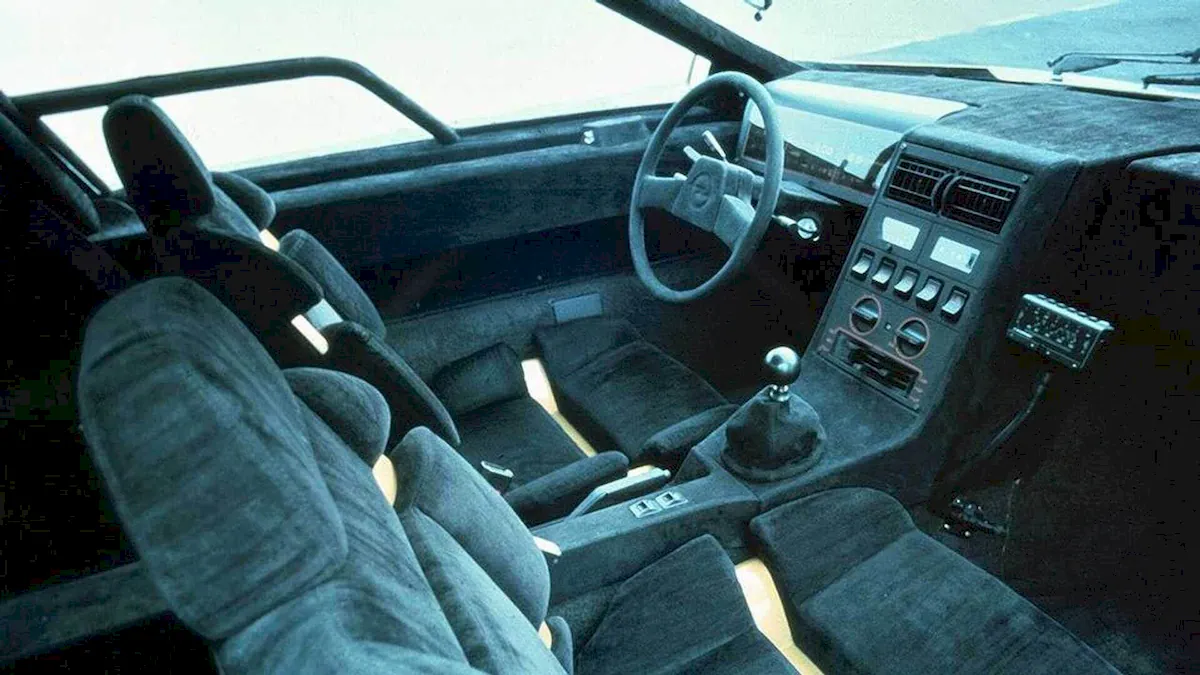
Power came from a 1.9-liter overhead-valve four-cylinder engine. Beyond the mechanicals, the most striking feature of the concept was its sliding doors. Today, sliding doors are common on vans, but in the mid-1970s — and on a passenger car — the idea was nothing short of sensational. What made it even more impressive was that no external tracks or rails were visible.
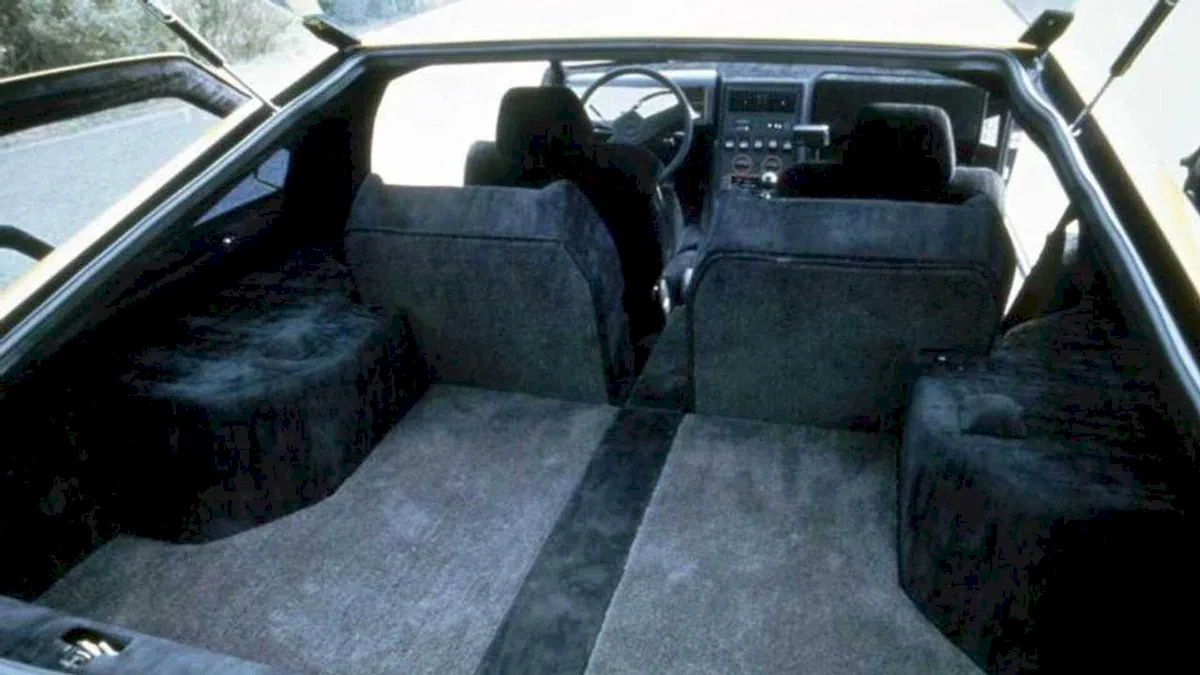
The doors were opened by pressing a button located beneath the side mirrors and then slid rearward into the body, allowing easy entry and exit. The downside was that only a small section of the side windows could be opened.
The GT2 also featured digital displays and even an onboard computer, remarkable technology for its era. Unfortunately, the concept never made it to production due to high costs.
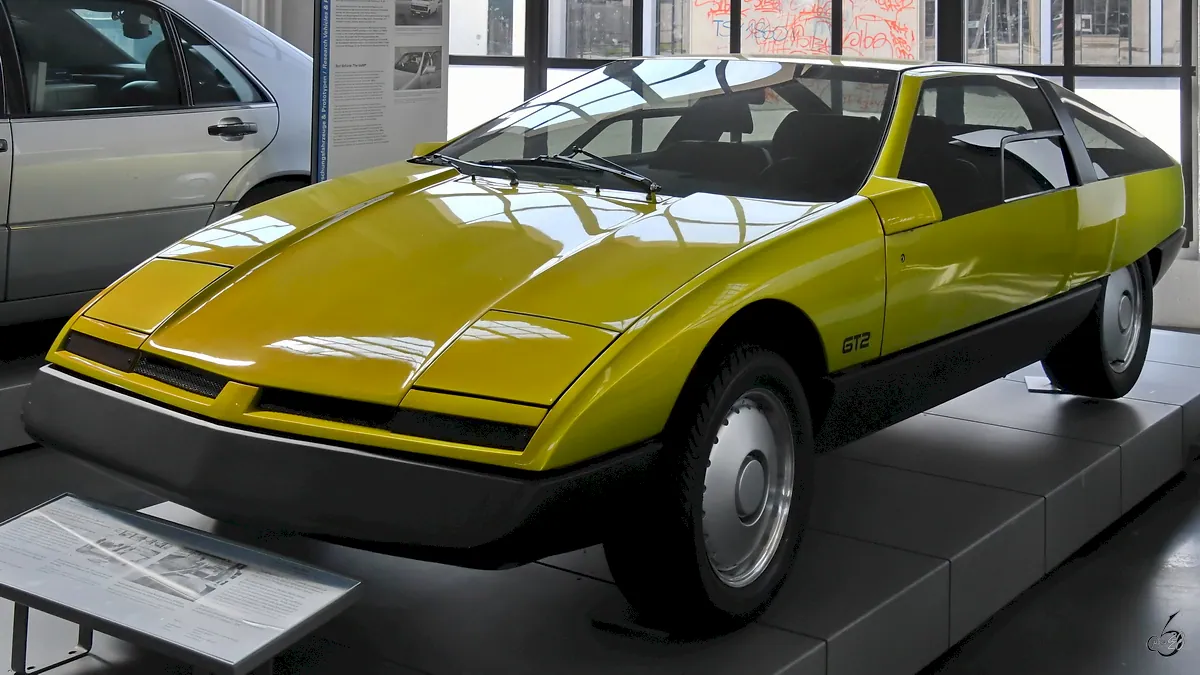
General Motors’ top management decided that one Corvette in the lineup was enough, and plans for a production GT2 were shelved. As a result, Opel’s range was left with just one remotely sporty model at the time — the Manta.
You may also be interested in the news:
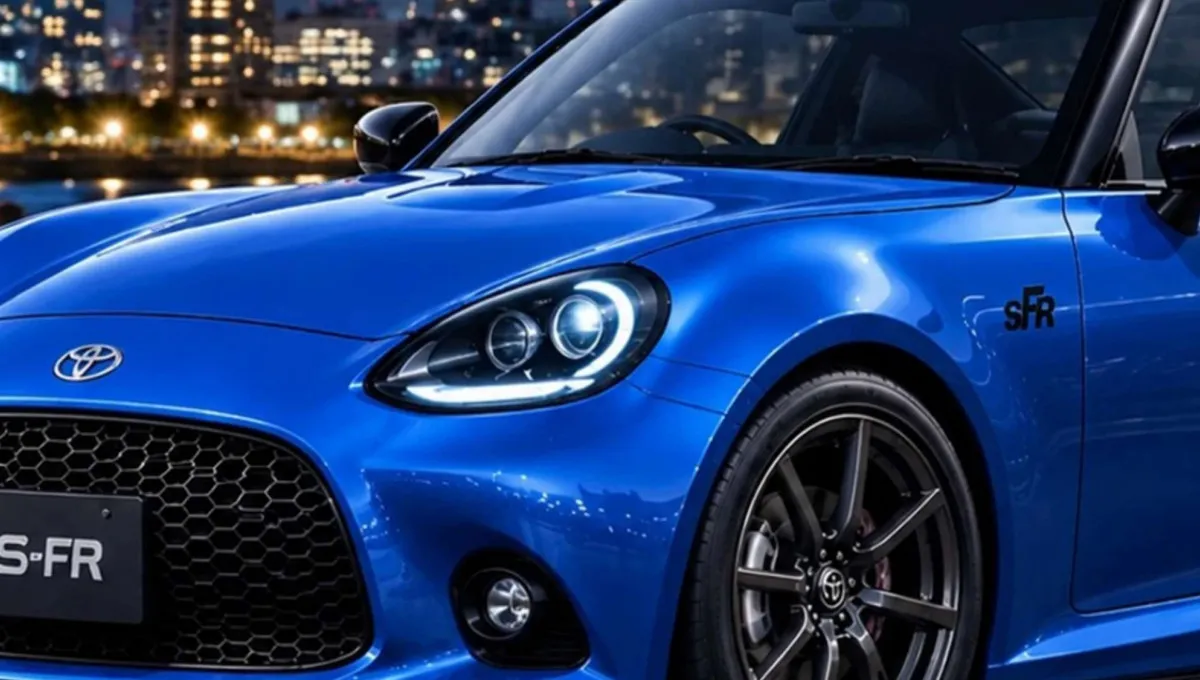
Toyota Could Build a Tiny, Affordable Sports Car With Just 64 Horsepower
Toyota’s long-rumored S-FR sports coupe could return in 2027 as a tiny, rear-wheel-drive kei car with a turbocharged engine.
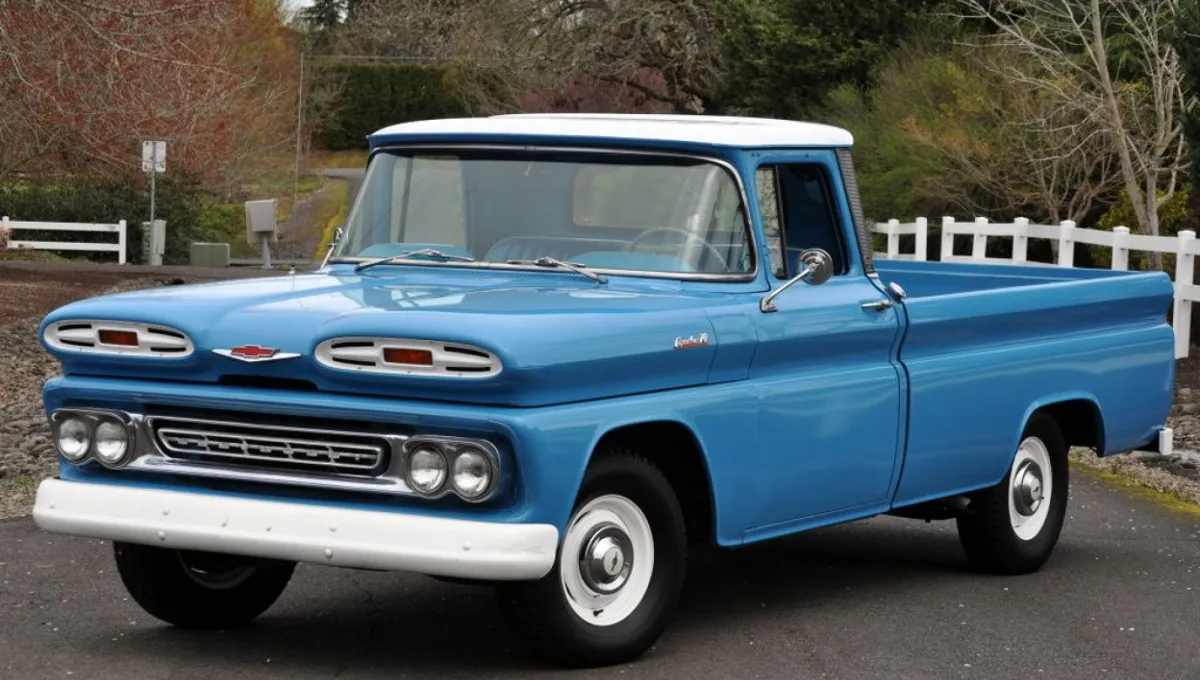
The 1960 Chevrolet Pickup: The Biggest Thing to Happen to Trucks Since Trucks Were Invented
Chevrolet unveiled an all-new pickup for 1960, calling it “the most important news since trucks came into being!”
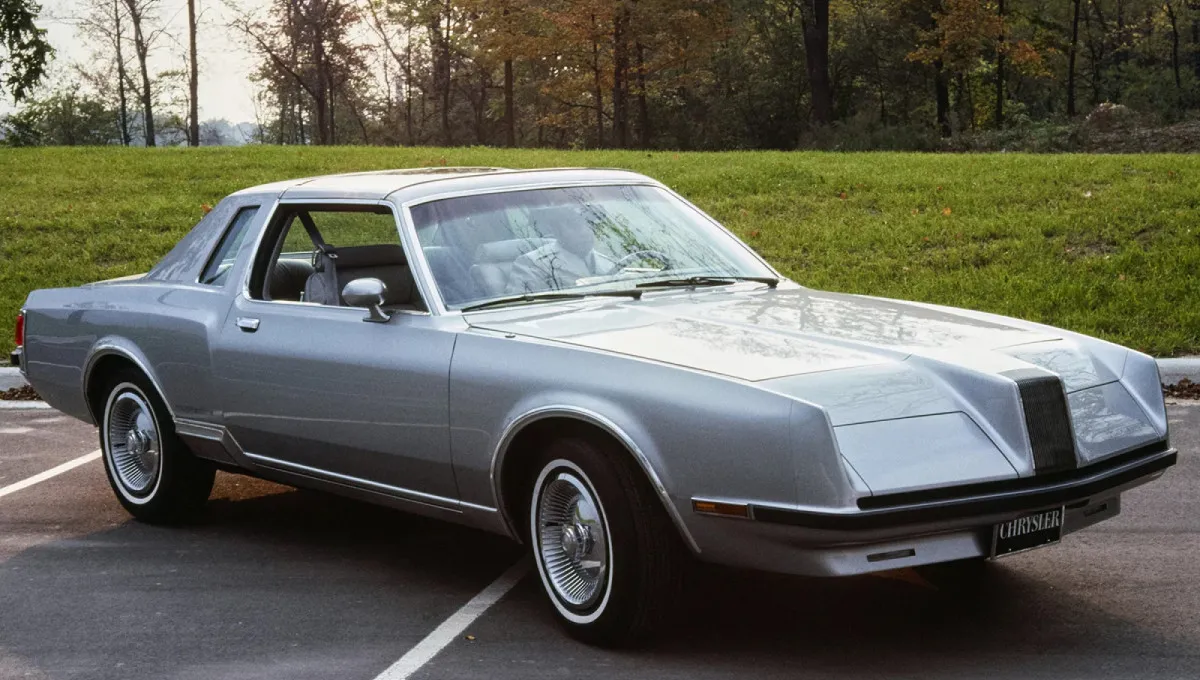
The 1977 Chrysler LeBaron Turbine: The Final Chapter of a 25-Year Experiment
Chrysler's 1977 LeBaron Turbine concept showcased decades of gas turbine research, but financial troubles ultimately brought the ambitious program to an end.
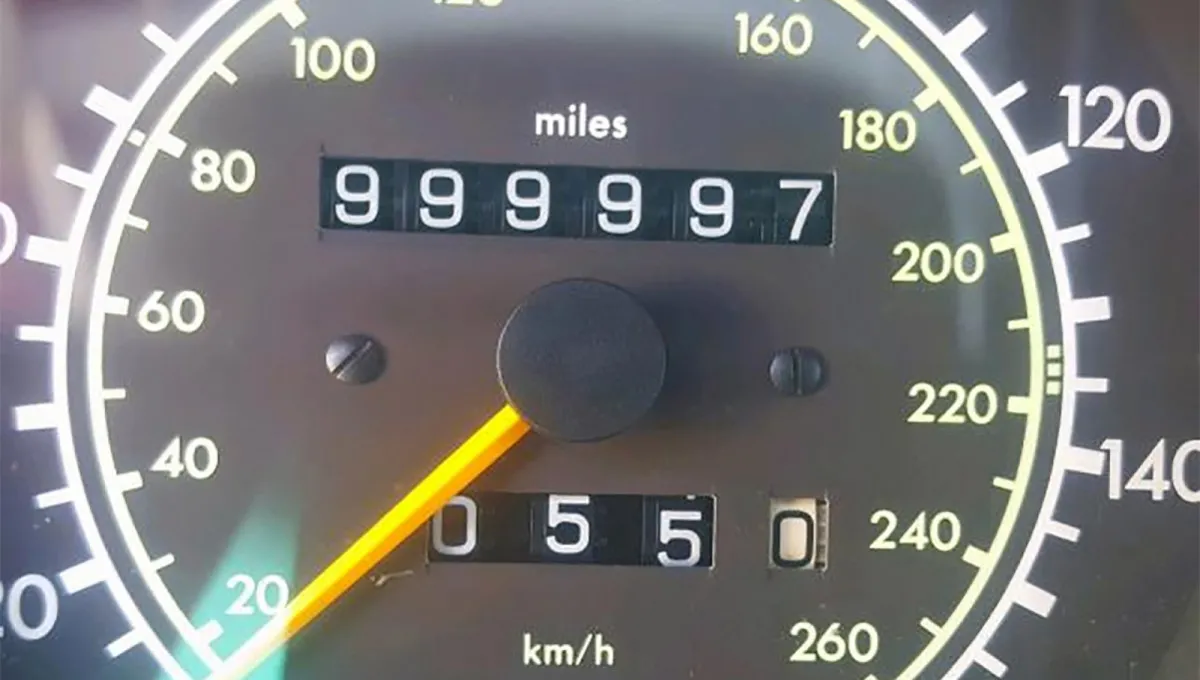
These 8 Cars Went Over 1 Million Miles — They Just Don’t Build Them Like They Used To
Some cars outlast generations of owners, proving that careful maintenance and durable engineering can deliver extraordinary mileage.
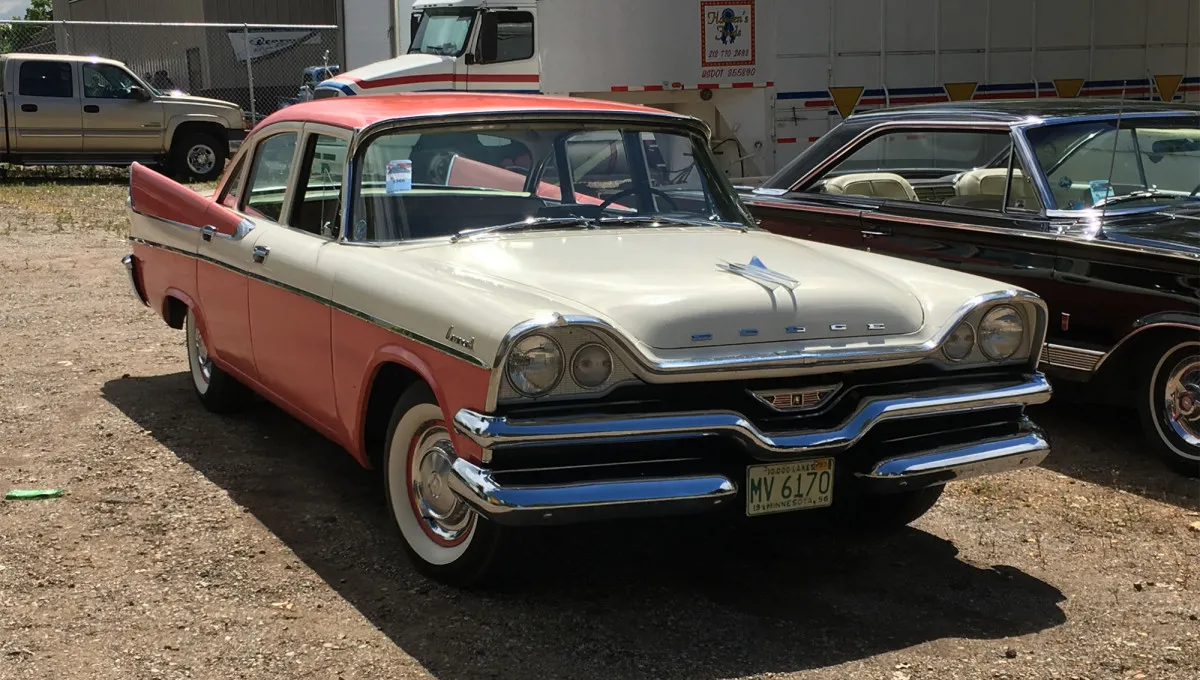
The 1957 Dodge: How “Autodynamics” Shaped One of Detroit’s Boldest Designs
The 1957 Dodge Looked Like a Dream Car, but Its Biggest Flaw Was Hiding Beneath the Surface.