
The Honda Engine That Can Easily Survive 370,000 Miles
A legendary Japanese powerplant has built a reputation for refusing to quit—even after extreme mileage.
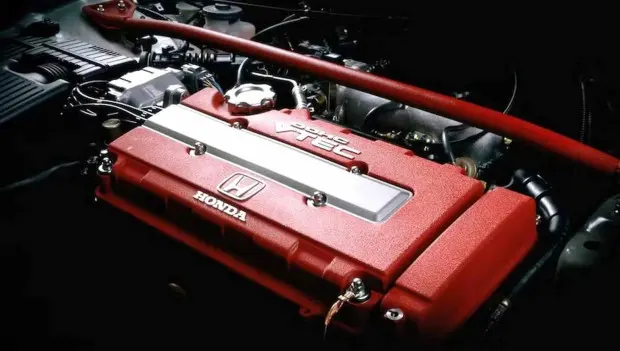
Honda has earned a long-standing reputation in the U.S. for building exceptionally reliable vehicles, and much of that credit goes to one specific engine family. Over time, it has proven that even well beyond 300,000 miles on the odometer doesn’t have to be the end of the road.
We’re talking about Honda’s K-Series engines, which replaced the iconic B-Series motors. These engines have powered a wide range of sedans, coupes, and crossovers, not only from Honda but also from its premium Acura brand.
The K-Series consists of inline four-cylinder engines with an all-aluminum design and Honda’s well-known i-VTEC system. While many consider around 180,000–200,000 miles to be a typical lifespan for a modern engine, K-Series Hondas often go far beyond that.
Owners frequently report reaching 310,000 to 370,000 miles with no major mechanical failures—an impressive figure by any standard.
Engineering Built for the Long Haul
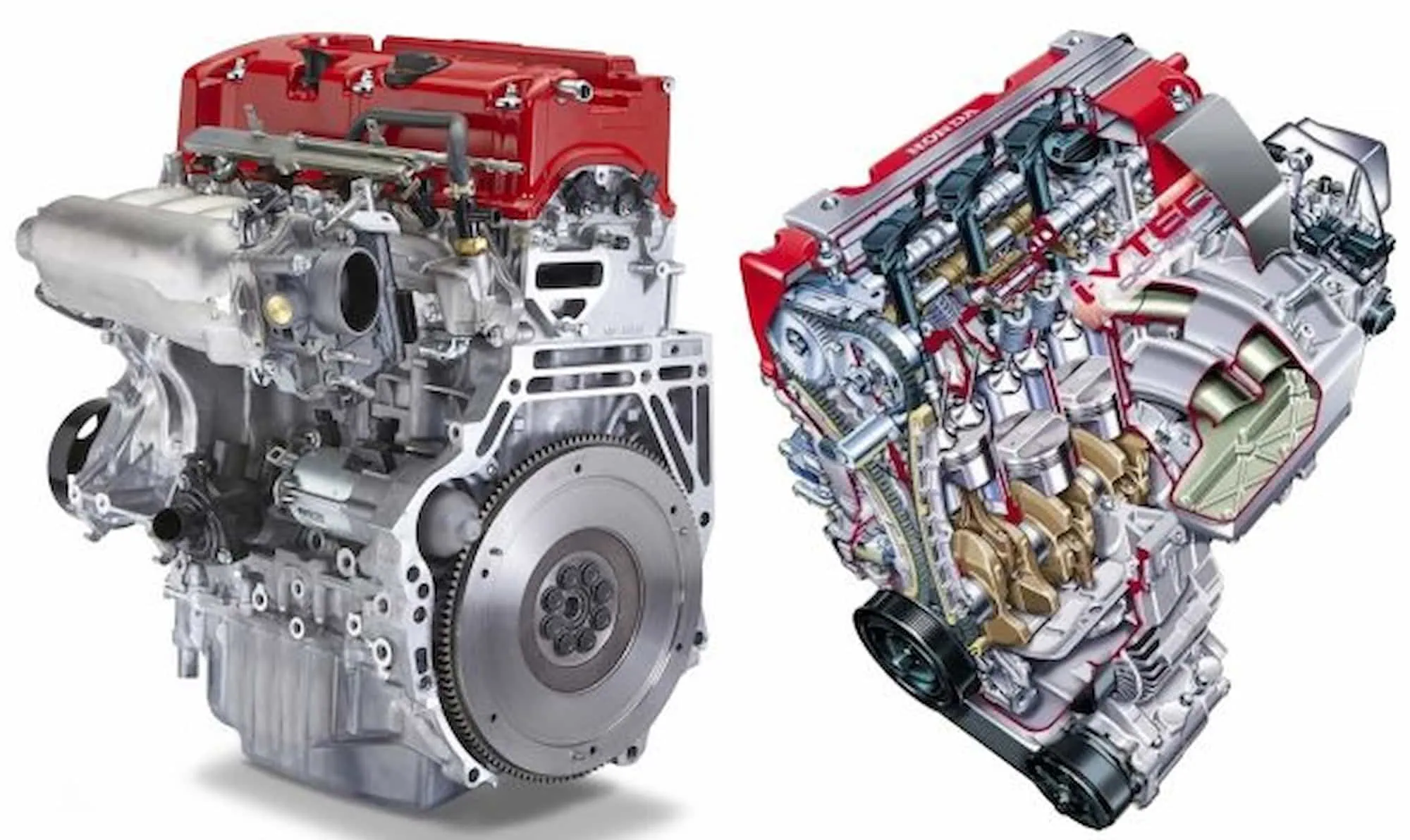
Honda’s K-Series includes two main variants: the K20 and K24. While they differ in displacement and tuning, both share the same core design focused on durability, efficient cooling, and conservative engineering margins.
The aluminum engine block and cylinder head keep weight low while providing excellent heat dissipation. Meanwhile, cast-iron cylinder liners are used to better withstand heat and reduce long-term wear.
Key internal components—such as the crankshaft and other rotating parts—are forged rather than cast, making them stronger and more resistant to metal fatigue. Combined with moderate compression ratios and conservative factory tuning, these engines experience less internal stress during everyday driving, which significantly extends their service life.
Another major plus is the use of a timing chain instead of a timing belt. Chains are generally more durable and don’t require regular replacement, reducing maintenance costs over the long run.
Known Weak Spots
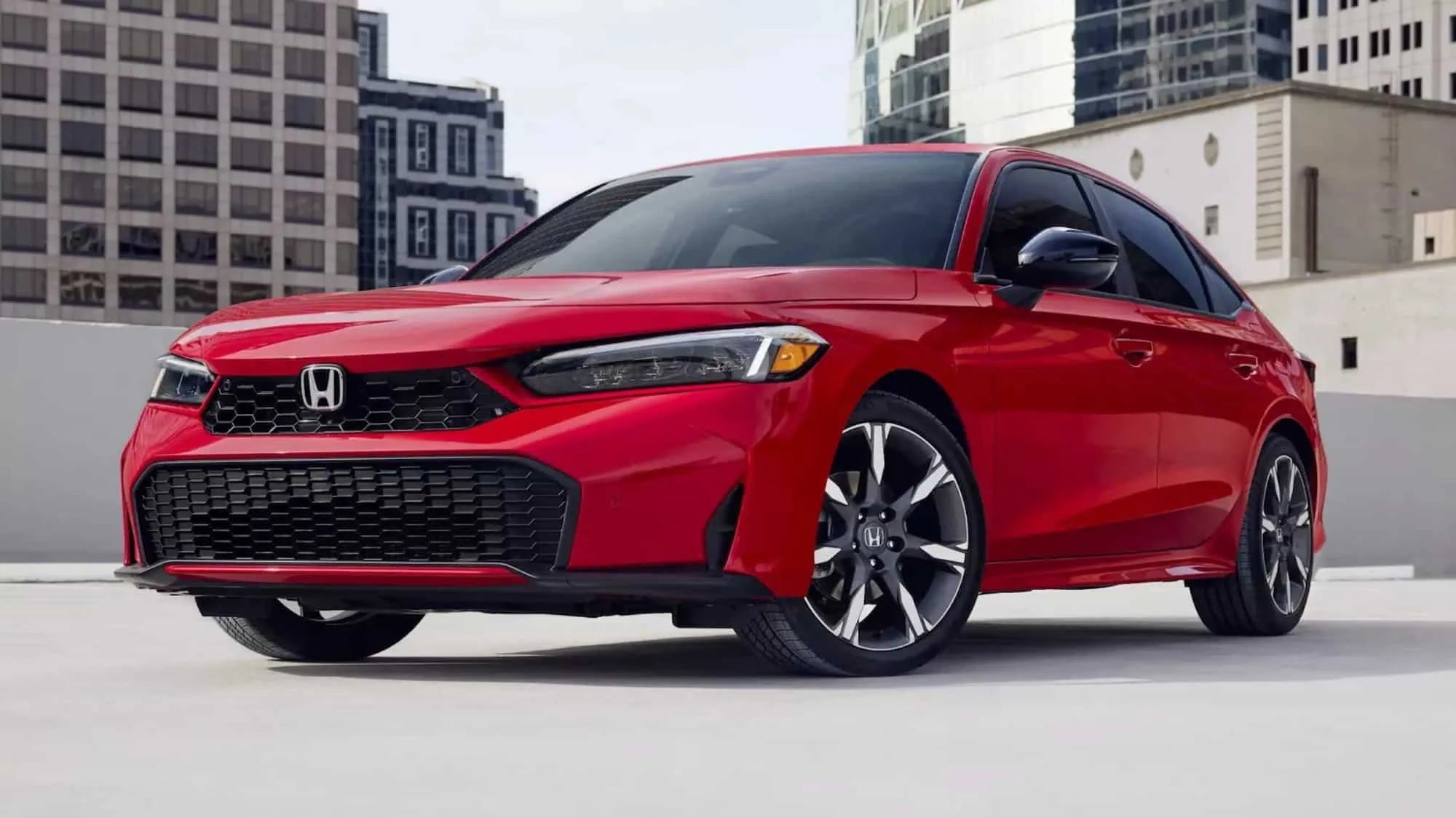
That said, no engine is truly indestructible. With very high mileage, even K-Series engines can develop issues.
The most common age-related problems include oil leaks from worn gaskets and seals, as well as wear in the timing chain tensioner, which can signal that the engine is nearing the upper end of its lifespan.
On direct-injection versions, carbon buildup on the intake valves can also occur over time. However, this is typically a maintenance concern rather than a major mechanical failure.
Still, by modern standards, few four-cylinder engines can match the real-world longevity of Honda’s K-Series—especially when properly maintained.
You may also be interested in the news:
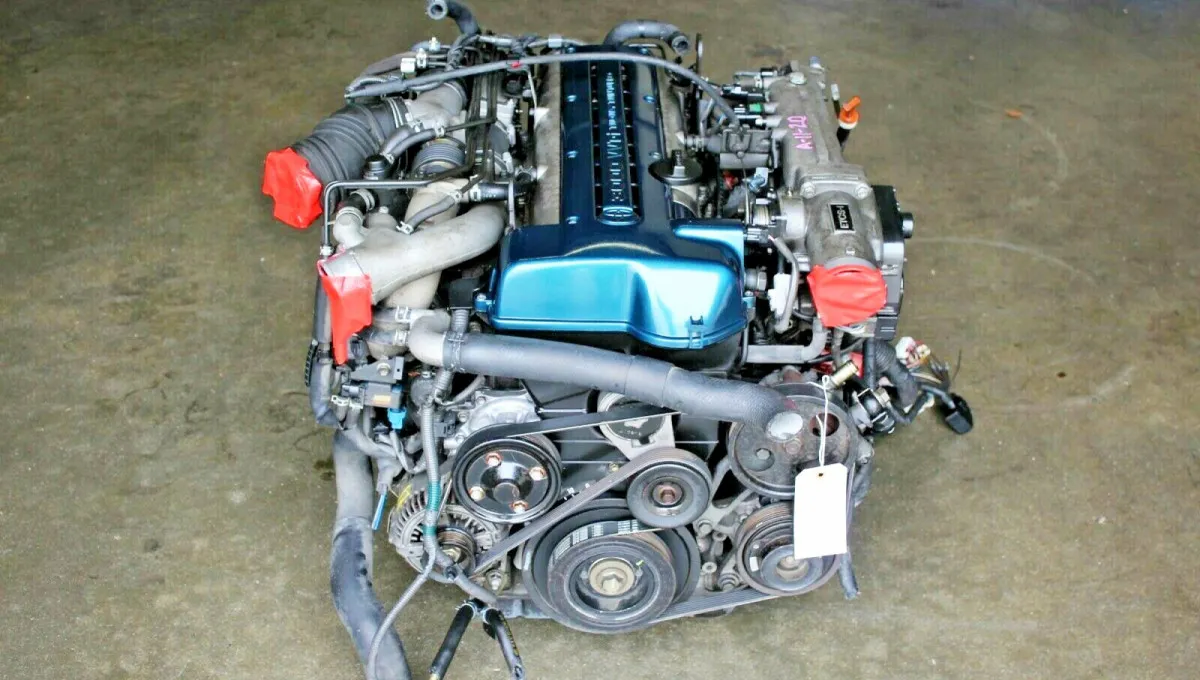
Toyota Built It to Survive 300,000 Miles. Tuners Turned It Into a 2,000-HP Beast
Toyota engineers may have gone too far with durability — and accidentally created the ultimate engine for hot-rodding.
Audi 80 Has Covered Nearly 1 Million Kilometers With Its Original Engine
A 1991 Audi 80 is closing in on a mileage record.

Flooded Honda NSX Sells for $52,100 in Japan
A 1991 Honda NSX that went underwater sold at auction for an astonishing price.

Honda S2000 Type R Rendered as a 2028 Model in Independent Digital Images
A virtually revived Honda S2000 gets an aggressive Type R version

Toyota's First Engine Was Copied From a Chevrolet
Toyota's first engine, the Type A, wasn't entirely Japanese—it was based heavily on a Chevrolet straight-six.