
Three of the Greatest Engines in Automotive History That Will Be Remembered for Decades
An engine is the beating heart of a car, and these three proved nearly indestructible.
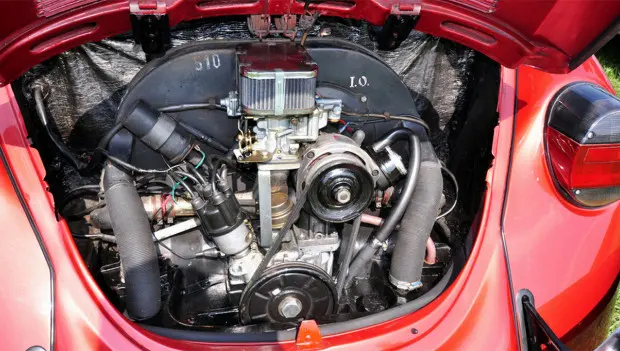
An engine is often described as the hot-blooded heart of a vehicle—the component that pushes it forward, or sometimes even backward. When engine problems start, there’s a high chance the car won’t go much further. That’s why drivers have always looked for powerplants that can truly go the distance. While the market is full of solid options, three engines stand out as some of the most durable ever built.
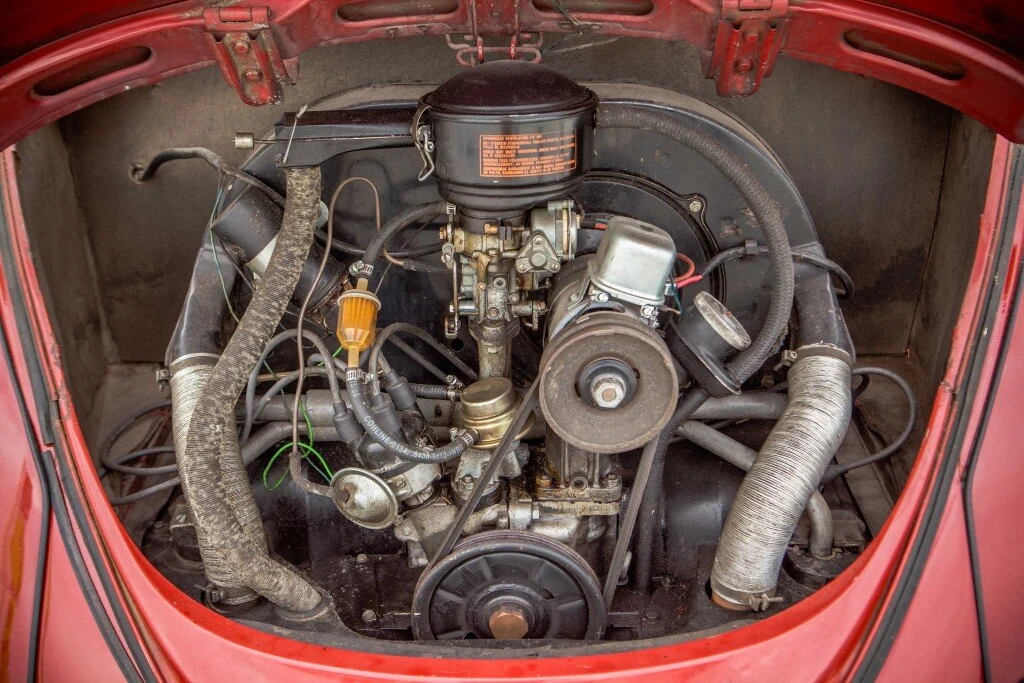
One of the most iconic examples comes from the Volkswagen Beetle. Even people who aren’t car enthusiasts are familiar with this small German classic. At the center of its reputation is a tiny but remarkably tough engine: a 0.985-liter unit producing just 24 horsepower. Despite its modest output, it earned a reputation as one of the most reliable engines ever made.
This engine consistently appears in various European reliability rankings. What’s even more impressive is its production lifespan—Volkswagen used versions of this design from 1938 all the way to 2003, with continuous updates along the way.
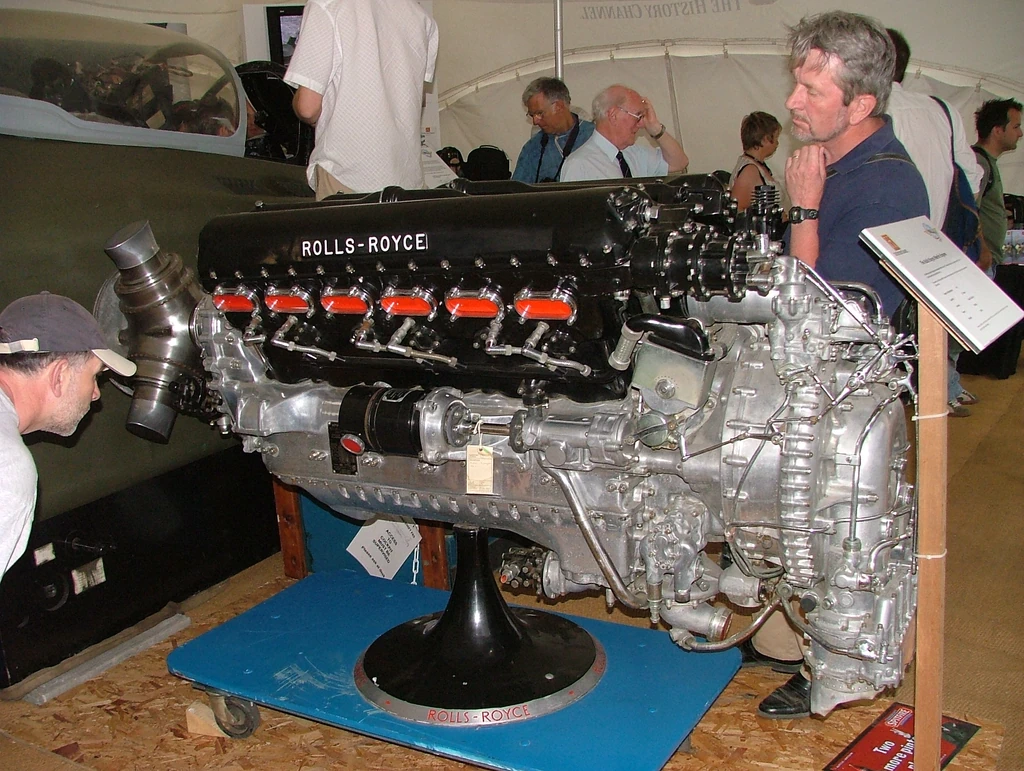
Another legendary powerplant is Rolls-Royce’s L-Series engine. First introduced in 1959, it powered some of the brand’s most famous models, including the Silver Cloud II, Phantom V, and Bentley S2. Despite its age, the engine has survived in heavily updated form and can still be found in modern luxury sedans like the Mulsanne.
Even today, Rolls-Royce has shown little interest in abandoning this long-running design, a testament to how well the original architecture was engineered.
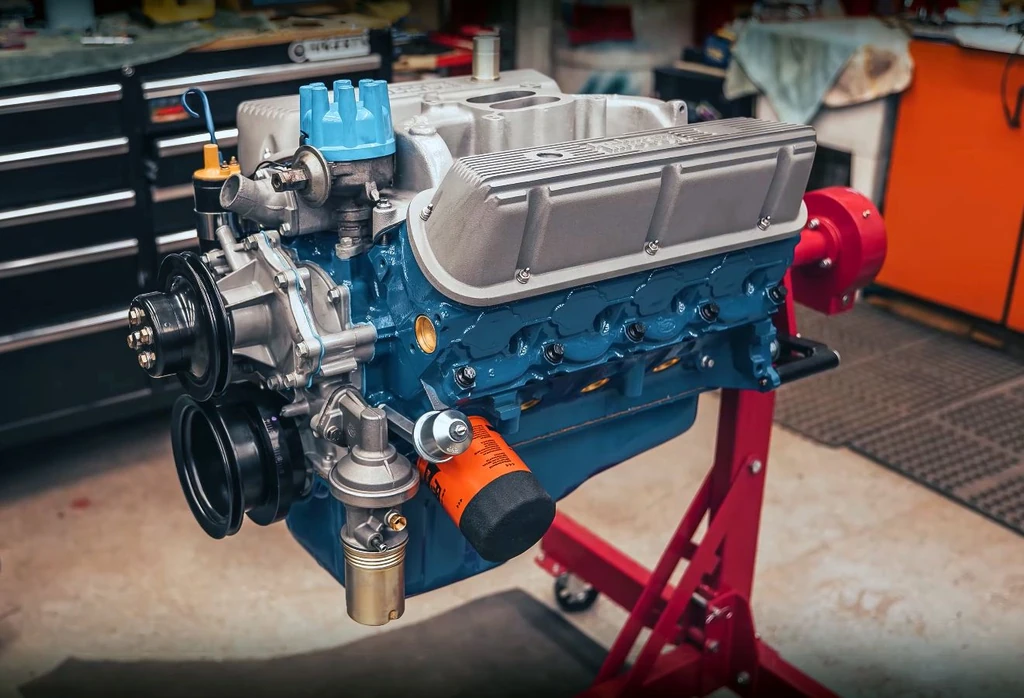
Finally, many automotive experts often highlight Ford’s Windsor V8 as one of the most dependable American engines ever built. Introduced in 1961, it first appeared under the hood of the Ford Fairlane.
Although production officially ended years ago, the last vehicle to feature this engine was the 2001 Ford Explorer. It has since been replaced by more modern powertrains, but many of those newer units still borrow heavily from the Windsor’s proven mechanical foundation.
Together, these three engines helped shape automotive history—and their reputation for durability ensures they won’t be forgotten anytime soon.
You may also be interested in the news:
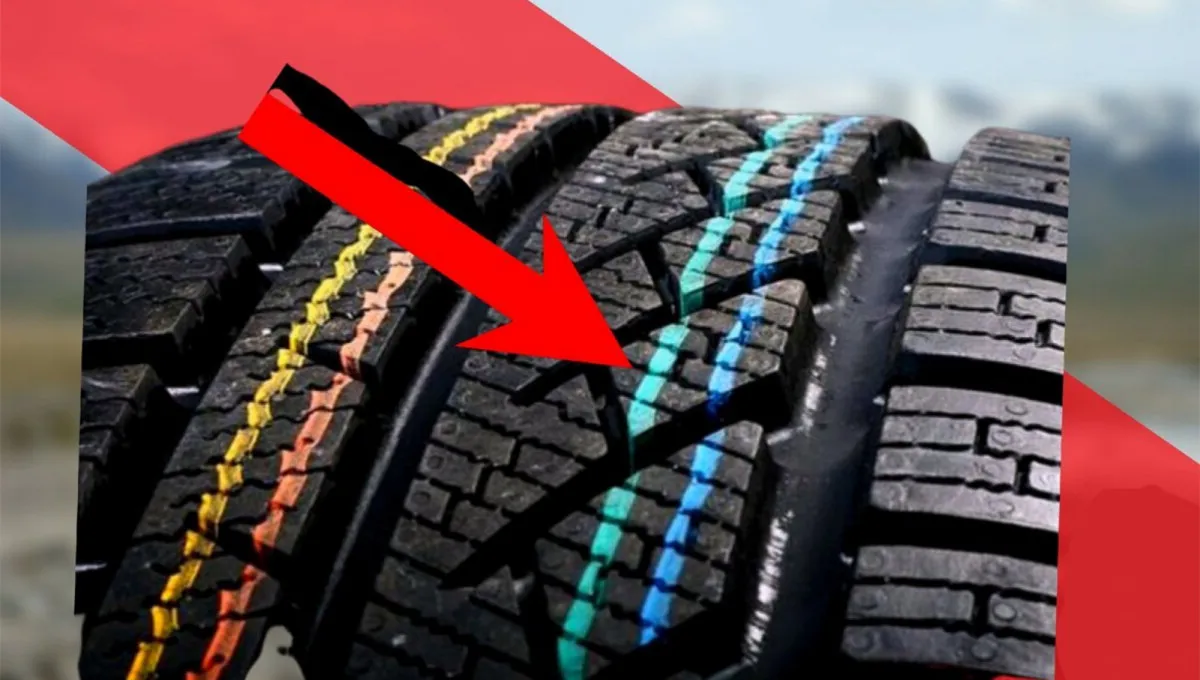
Why Colored Stripes on New Tires Confuse Drivers: What They Really Mean
A blue stripe on one tire brand can mean something entirely different on another, leaving drivers wondering what the markings mean.
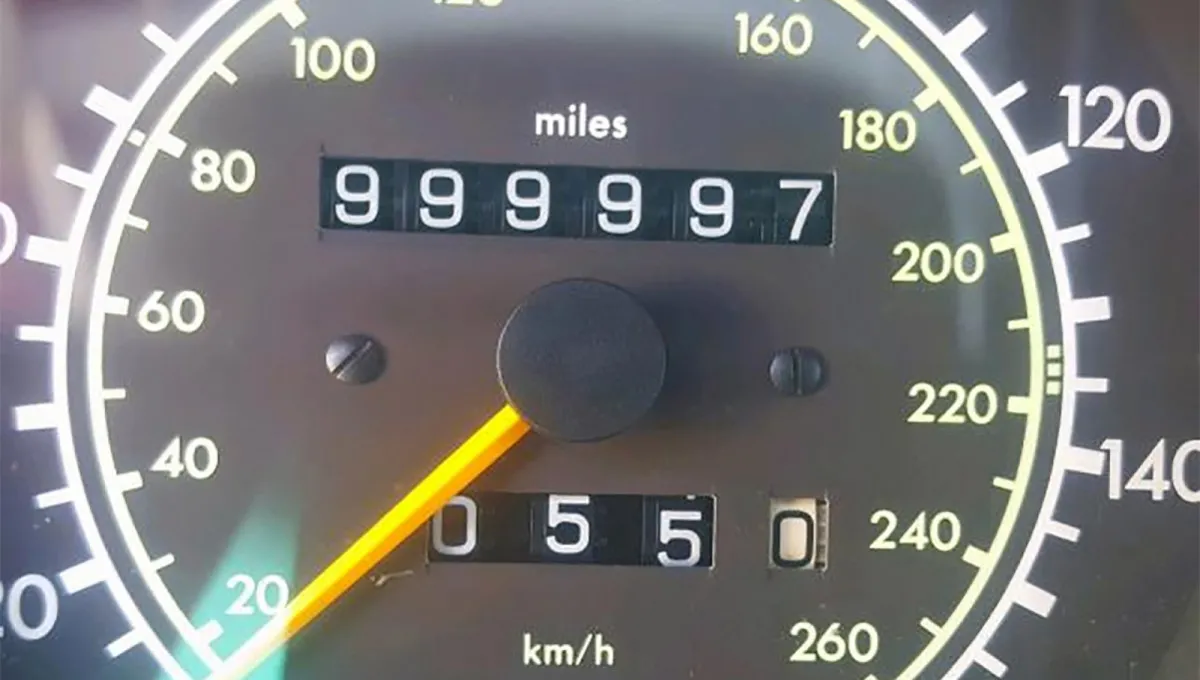
These 8 Cars Went Over 1 Million Miles — They Just Don’t Build Them Like They Used To
Some cars outlast generations of owners, proving that careful maintenance and durable engineering can deliver extraordinary mileage.
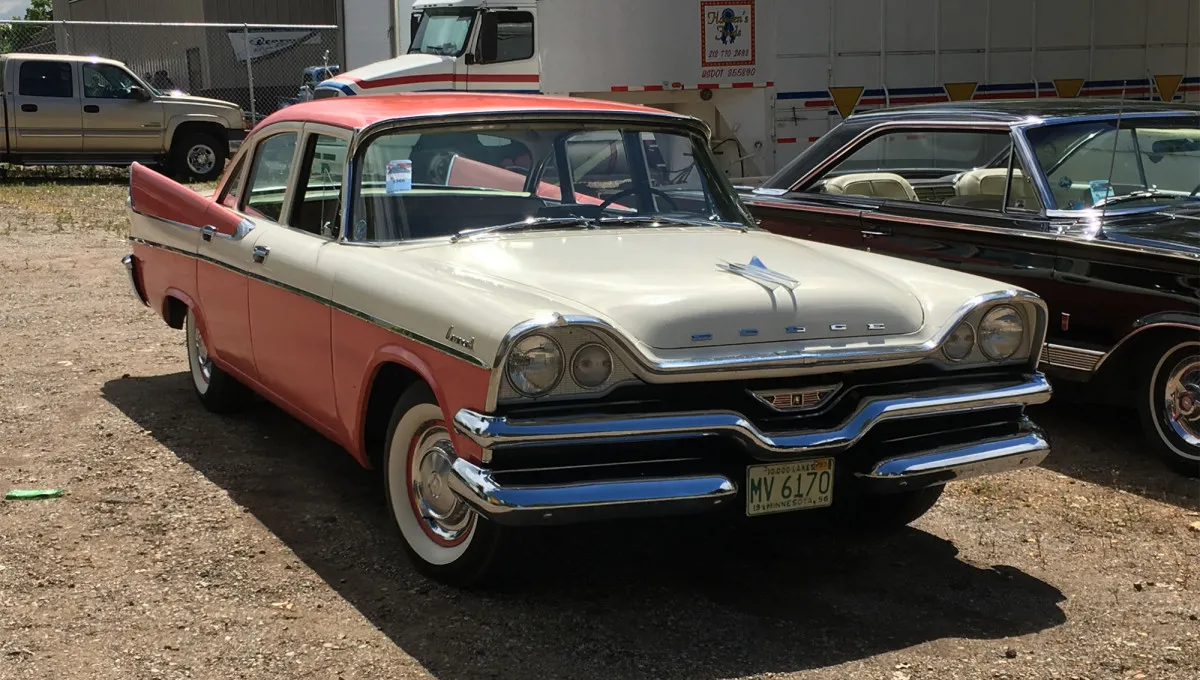
The 1957 Dodge: How “Autodynamics” Shaped One of Detroit’s Boldest Designs
The 1957 Dodge Looked Like a Dream Car, but Its Biggest Flaw Was Hiding Beneath the Surface.
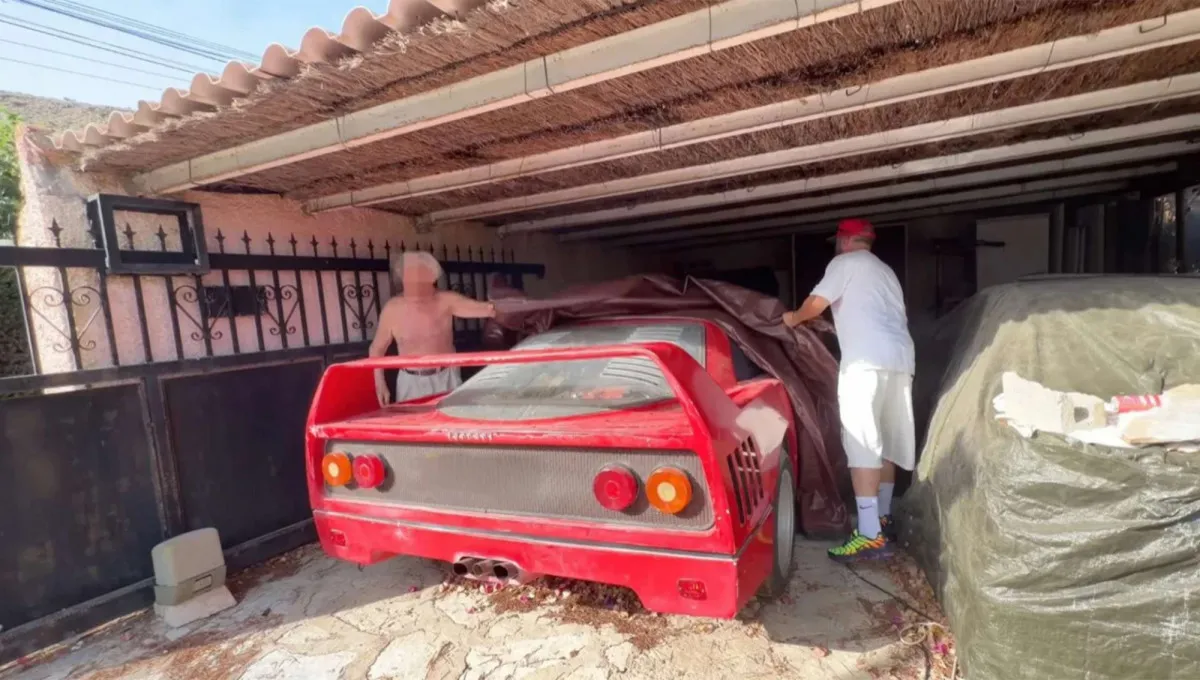
Two Ferrari F40s Spotted on Google Maps Turn Out to Be Pontiac Fiero Replicas
Two Ferrari F40 lookalikes spotted on Google Maps in Spain turned out to be replicas built on an American sports car.
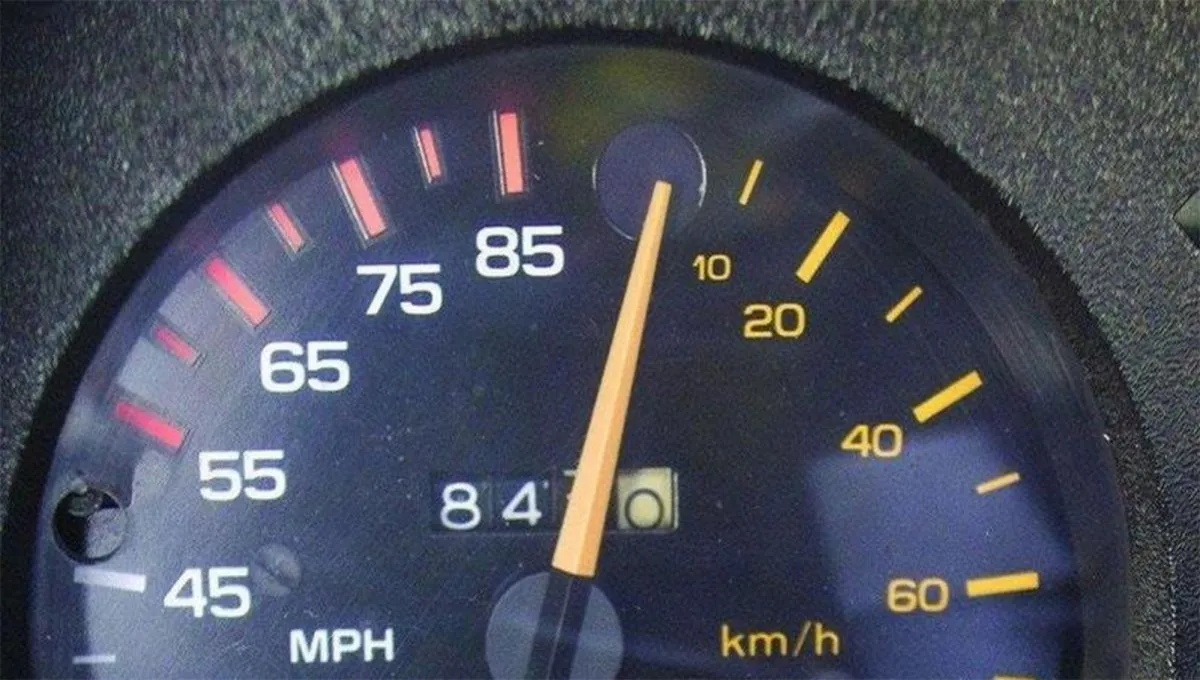
Your Speedometer Says 65 MPH, but Your GPS Says 62 — Here’s Why Your Car Does That
Your speedometer reads 65 mph, but your GPS says 62 mph. Here’s why the numbers rarely match.