
Most Drivers Don’t Know What This Small Button on a Seat Belt Is For
The seat belt stopper explained: how it works and when it needs to be replaced.
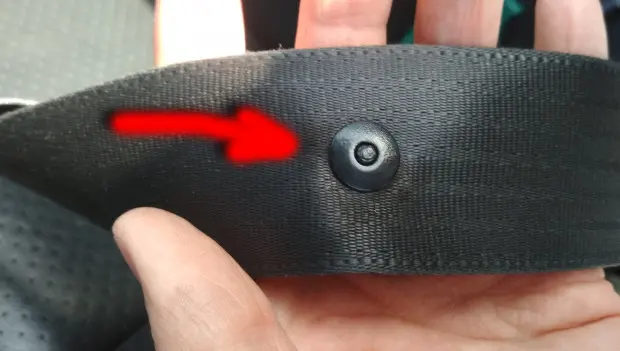
A seat belt is designed to protect drivers and passengers from serious injury in a crash. But there’s a small, often overlooked detail on the belt itself—a tiny button—that serves an important purpose.
Seat belts are one of the most critical safety systems in any vehicle. They save lives and reduce injuries, yet many drivers have no idea how the seat belt stopper works or why that small button is there in the first place. Here’s what you need to know.
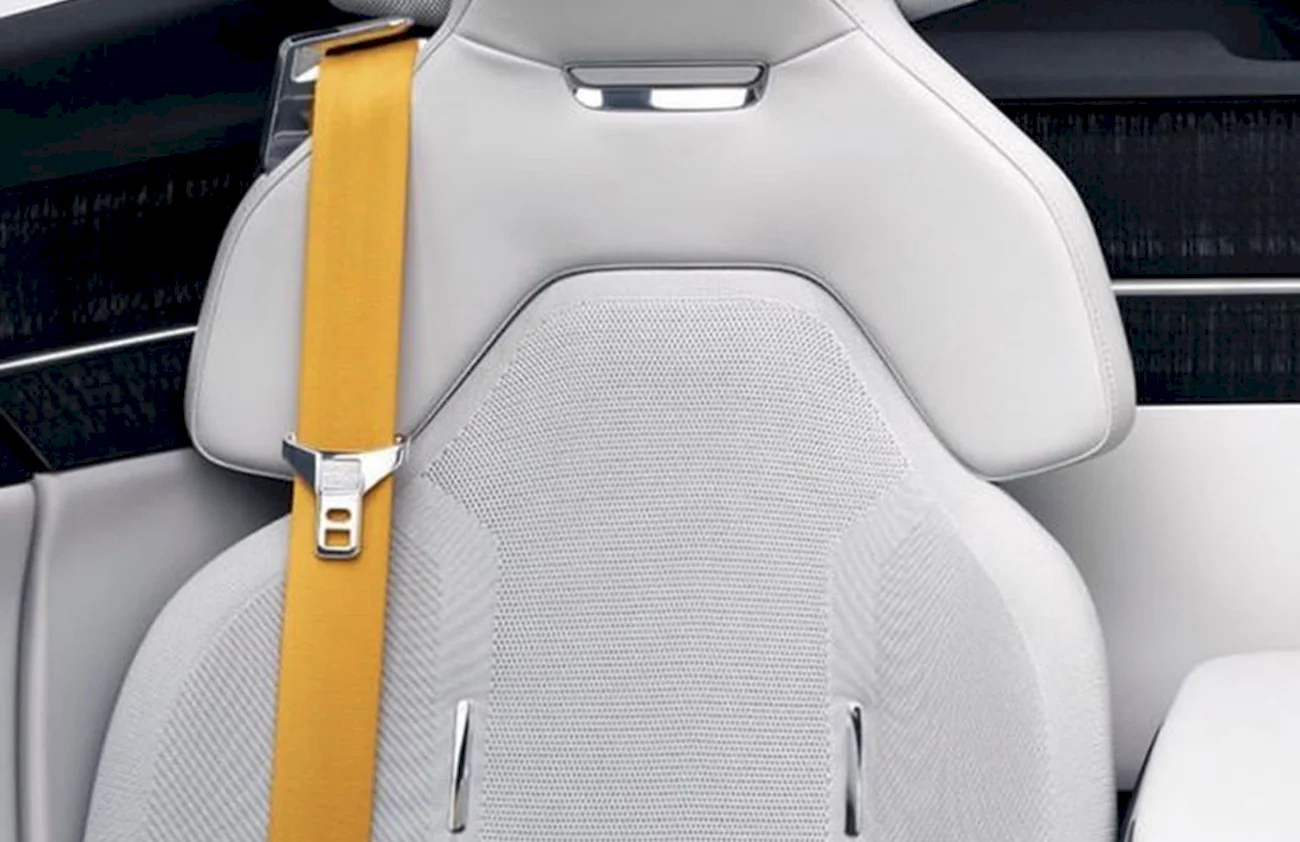
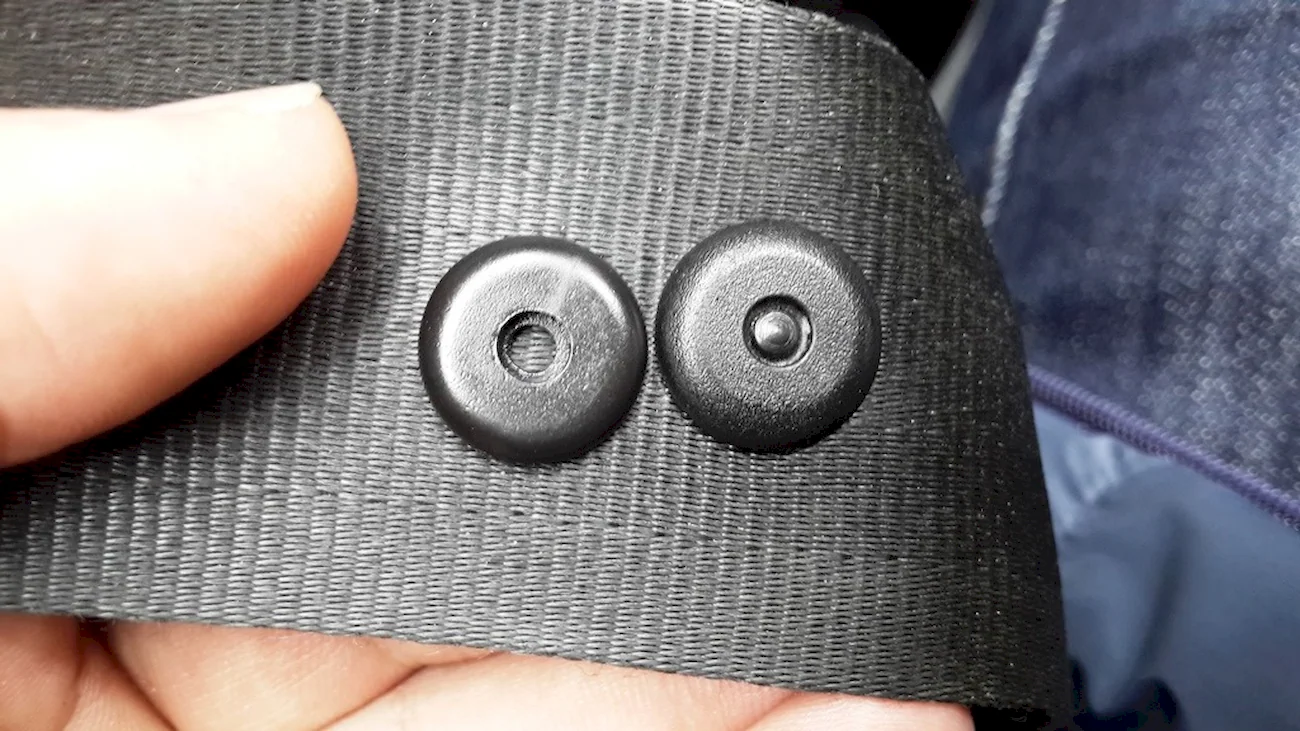
Have you ever gotten into a car only to find the seat belt twisted, hard to pull out, or hanging all the way down to the floor? It’s annoying—and inconvenient. In most cases, the issue is related to that small plastic button. Designed for comfort, safety, and everyday usability, it’s commonly known as a seat belt stopper, retainer button, or clip. Some belts have one, others have two.
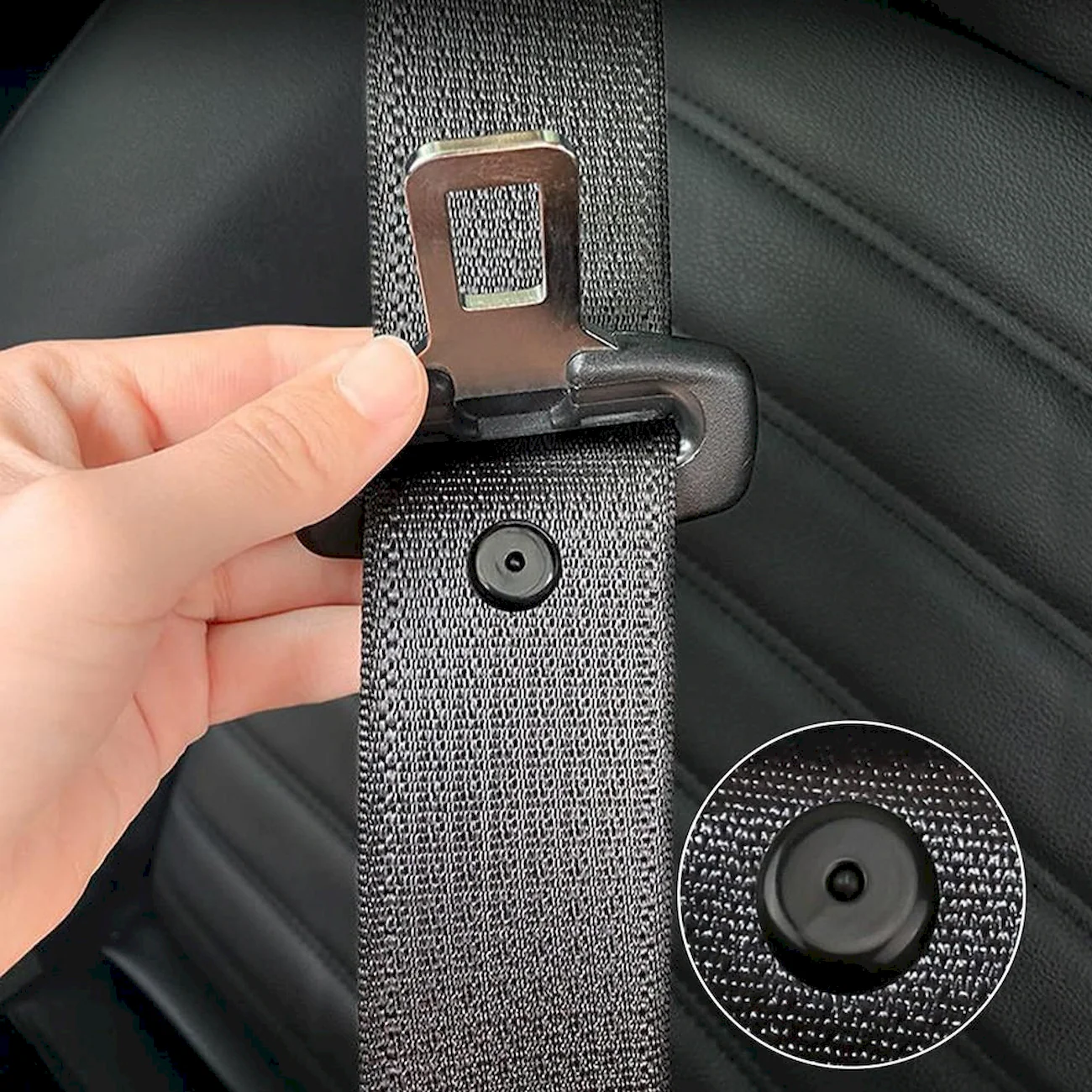
Its job is simple but essential: the stopper keeps the buckle at a fixed position on the belt, so it’s always easy to grab when you get into the car. Without it, the buckle would slide down the belt and constantly end up on the floor.
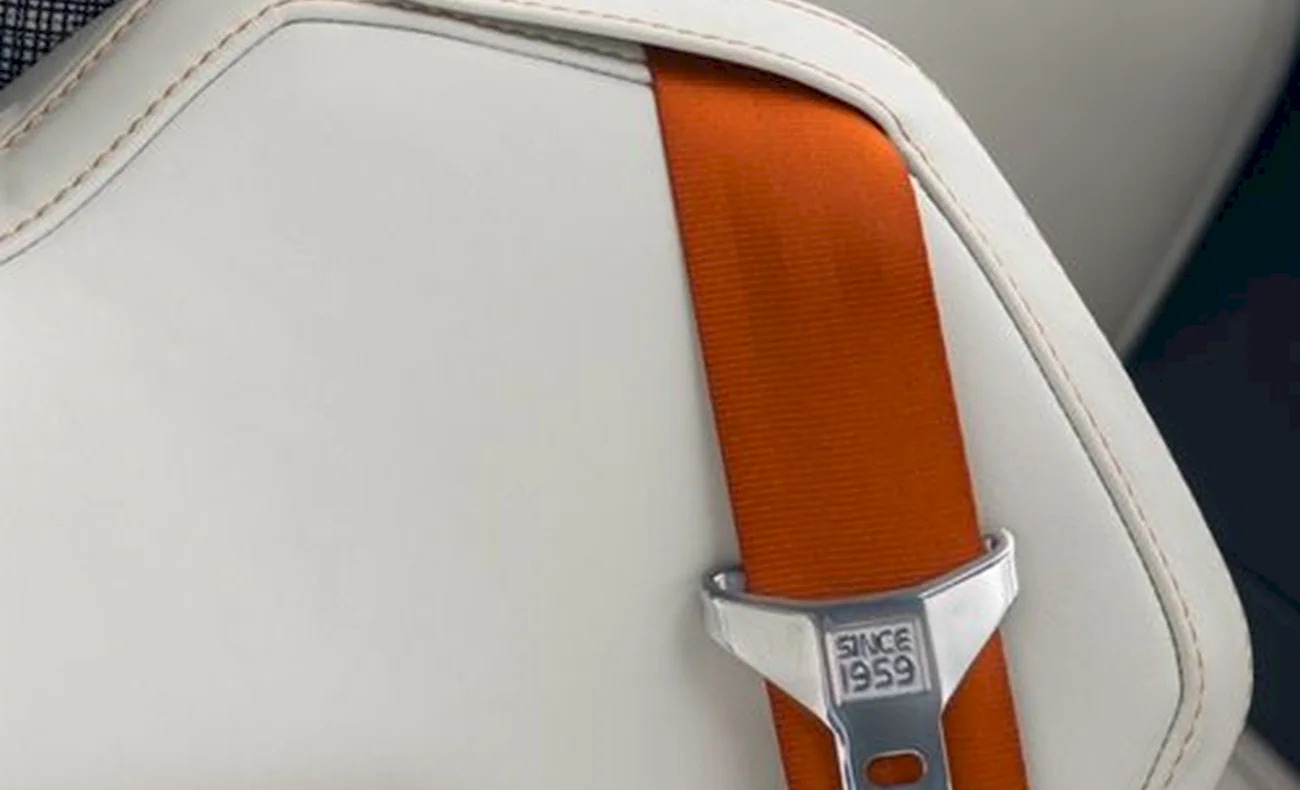
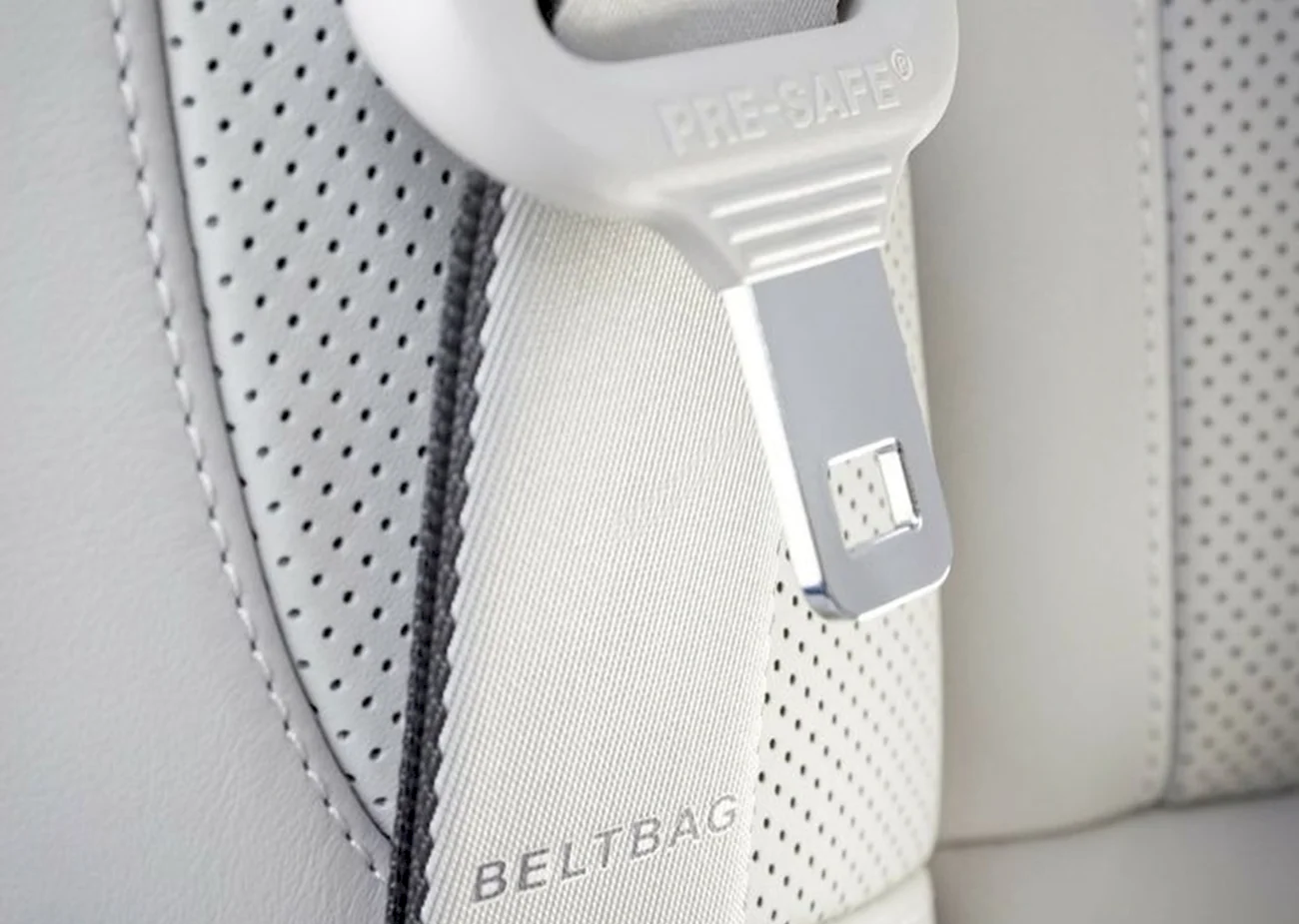
Automakers continue to improve seat belt technology. Volvo, for example, has developed an advanced multi-adaptive seat belt system with 11 load-limiting profiles. It adjusts how much force is applied to the body during hard braking or a collision, reducing the risk of injury. While systems like this haven’t become standard worldwide yet, even small features like belt stoppers already add everyday convenience and peace of mind.
How the Seat Belt Stopper Works—and How to Replace It
The stopper button plays a key role by locking the buckle in a specific spot on the belt, which makes adjusting and using the seat belt much easier.
The modern three-point seat belt, introduced in 1959, is simple to operate. You pull the belt across your body using the buckle and click it into the latch. The belt holds you securely in place until you press the release button. After that, the belt retracts smoothly back into its housing, thanks to the retractor mechanism. In a crash, this mechanism locks the belt in place, preventing it from extending and helping protect you.
If you notice that the stopper button is broken or has come loose, there’s no need to panic—it’s usually easy to fix. Replacement clips are widely available online, and the job requires only basic tools.
A DIY Tip
If the buckle has slipped into the seat belt slot after being released too quickly, try the following:
-
Make a small hook from insulated wire to avoid scratching interior trim. While gently pulling and releasing the belt, hook the stopper through the lower opening.
-
Pull back the trim panel slightly and carefully retrieve the stopper. Be cautious—sharp edges can damage upholstery. Placing a cloth underneath can help protect the fabric.
-
If one end of the spring is broken, you can make a replacement using spring wire about 0.5 mm thick. Shape it to match the original and reinstall it.
-
If the latch mechanism is sticking in the open position, apply lubricant. A few drops of WD-40 under the side covers can help free a jammed ratchet mechanism.
Keep in mind that seat belt components can vary between models. A solution that works for one vehicle may not be suitable for another.
When to Go to a Repair Shop
In some cases, it’s best to leave seat belt repairs to professionals. You should visit a service center if:
-
The issue is uncommon and replacement parts aren’t readily available.
-
Repair costs are high, especially for premium or imported vehicles.
-
Your vehicle is equipped with seat belt pretensioners. In a crash, a pyrotechnic charge activates and locks the belt mechanism. Once triggered, it can’t be repaired at home—only trained technicians can service or replace it safely.
That tiny button may seem insignificant, but it plays a real role in keeping your seat belt comfortable, functional, and ready when you need it most.
You may also be interested in the news:

Your Steering Wheel Starts Shaking at 60 MPH? Don’t Ignore These Warning Signs
A vibrating steering wheel is often most noticeable at highway speeds, but the cause isn’t always immediately obvious.
Windshield Wipers Aren’t Cleaning Properly? Here’s What Could Be Wrong
Why do windshield wipers sometimes fail to do their job?
Best Sedans for Interior Space: The Roomiest Cars of 2026
These six sedans offer generous legroom and shoulder room, giving families a comfortable alternative to larger SUVs for long trips.

Best Cars for Teen Drivers: Affordable and Safe Picks
These affordable used and new vehicles combine strong safety ratings, reliability, and reasonable prices for young drivers and their families.

12 Used Cars Retirees Should Know About—These Models Put Safety, Comfort and Reliability First
Great for Retirees: These Used Cars Stand Out for Safety, Reliability and Comfort