
Is Your Car's Start-Stop Feature Helping or Hurting: Am I the Only One It Annoys?
Most modern vehicles come with auto start-stop systems that shut off the engine at stops, but drivers remain divided.
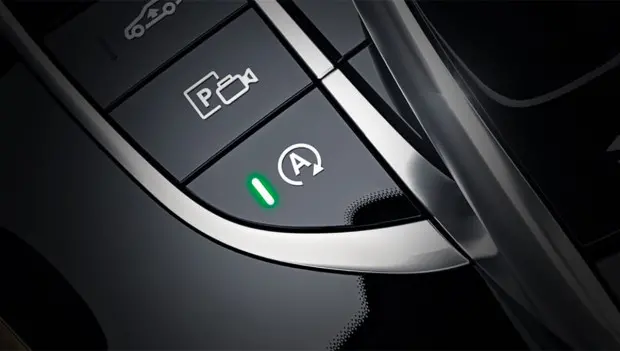
Most modern vehicles are equipped with an auto start-stop system that turns the engine off at traffic lights and in congestion, and automakers promote it as an eco-friendly feature. Among drivers, however, the belief has taken hold that the technology does more harm than good. The truth lies somewhere in between and largely depends on how and where the vehicle is driven.
What It Is and Why It Exists
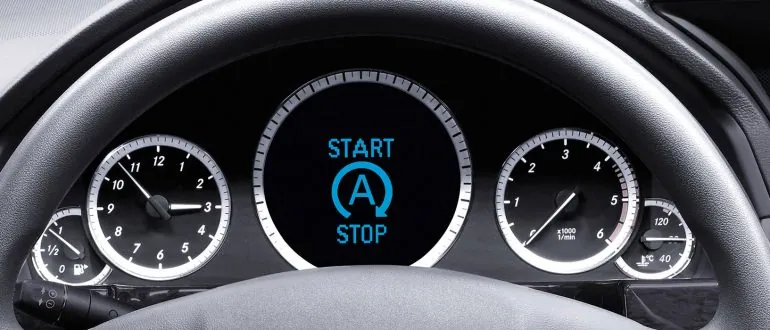
At first glance, automatically shutting off the engine may seem unnecessary—after all, the driver can do this manually. But convenience isn’t the point. The real reason is increasingly strict emissions regulations. These rules cap average levels of harmful and carbon dioxide emissions for all new vehicles. In city driving, a large share of emissions comes from idling, when the car isn’t moving but the engine is still running.
Because automakers must meet these standards, they adopted one of the simplest and most effective ways to cut emissions: the start-stop system. It helps bring a vehicle’s average emissions figures in line with regulatory limits.
The system operates based on a preset algorithm. It only activates when several conditions are met: the vehicle is fully stopped, the transmission is in neutral (or the clutch is depressed), and the brake pedal is pressed. The control unit also checks whether the engine is warmed up and the battery sufficiently charged. If everything checks out, the electronics shut down the engine. During the stop, power for headlights, climate control, and infotainment comes solely from the battery.
As soon as the brake is released (or the clutch is pressed to select a gear), a heavy-duty starter—often a geared starter or even a starter-generator—restarts the engine almost instantly. Fuel savings were never the primary goal; reducing emissions was. The system was designed for urban driving, and its effectiveness depends directly on how often and how long the car is stopped.
The Case For
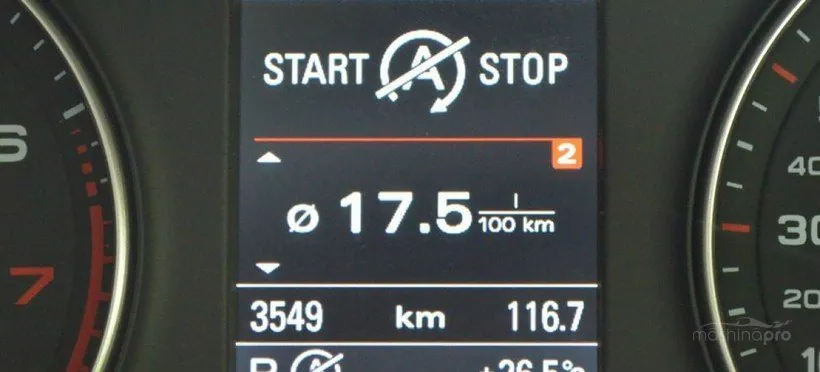
According to automakers, start-stop can reduce fuel consumption by 3 to 8 percent in city driving. These figures are based on real-world data, not just marketing claims, but the savings only materialize during full stops, when the engine would otherwise be idling. That means long traffic jams or red lights lasting more than 30–40 seconds.
In those conditions, the system works as intended, and the savings approach the advertised numbers. For taxi drivers or couriers spending all day in urban traffic, this can add up to noticeable savings over a month.
The second benefit is environmental. Lower carbon dioxide emissions and reduced output of pollutants such as nitrogen oxides and soot in congested city centers are the system’s primary purpose. From that perspective, start-stop delivers real value—not so much for the driver, but for everyone else. It slightly improves air quality.
A side benefit is reduced noise. When the car is stopped, the cabin becomes quieter, and outside there’s one less engine running. In a large city, this effect is barely noticeable, but it’s still there. Despite widespread criticism, start-stop can benefit both drivers and the broader environment—but only under the right conditions. On highways or during brief, infrequent stops, it’s largely useless and can even be annoying.
Myths and Reality Behind the Against Arguments
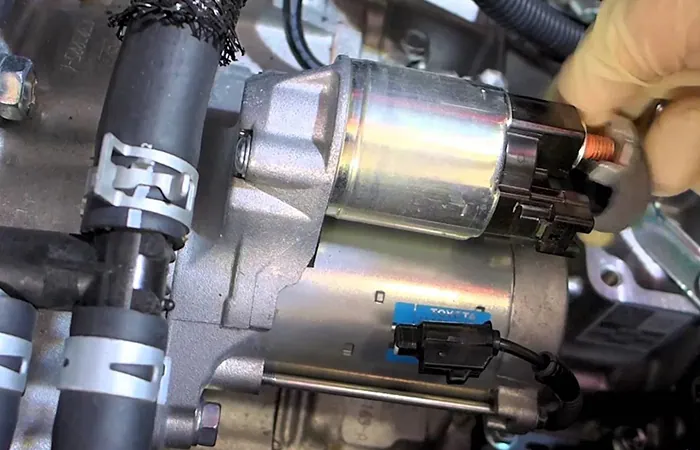
The biggest fear among drivers is that start-stop systems wear out the starter and battery. This isn’t a myth—additional load does increase wear—but engineers accounted for it. Vehicles with start-stop use reinforced components, including high-durability starters and special AGM or EFB batteries designed to handle deep discharge cycles.
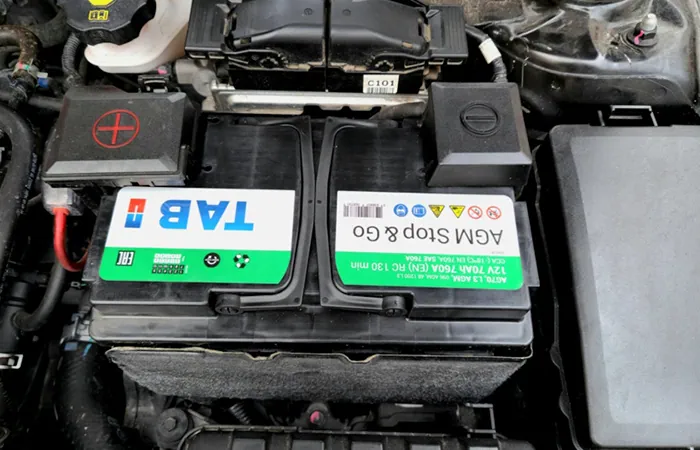
The real risk comes later, during replacement. Installing a cheaper, conventional battery or standard starter can lead to premature failure and higher repair costs.
Another common concern is increased engine wear from frequent restarts. Here, it’s important to make a distinction. Most engine wear occurs during cold starts, when oil has drained into the sump and metal parts briefly operate with minimal lubrication. Start-stop, however, only works when the engine is already warm and all moving parts are protected by a stable oil film. There is some additional wear, but it’s relatively minor. One cold start does far more damage than dozens of warm restarts.
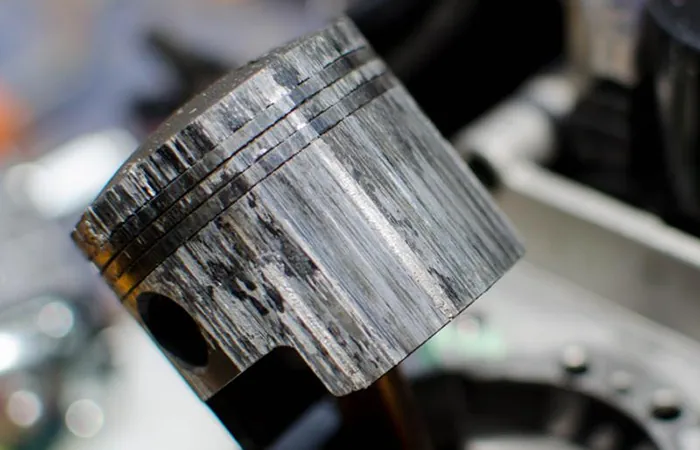
Maintenance costs are a more legitimate complaint. Replacing an AGM battery, for example, can cost 1.5 to 2 times more than a conventional one. The same goes for reinforced starters. That’s essentially the price of the technology.
There are also practical downsides. In vehicles with traditional belt-driven A/C compressors, cabin cooling can suffer during stops in hot weather. Frequent engine shutdowns can be irritating in stop-and-go city traffic. And finally, there’s the slight delay when pulling away, as the engine needs a moment to restart—something more aggressive drivers may notice.
So, Benefit or Harm?
There’s no single answer to whether start-stop is necessary. It all depends on driving conditions. In urban use with frequent stops, the system does what it was designed to do, saving some fuel and reducing emissions. In that case, the added wear on certain components can be seen as a reasonable trade-off.
If the engine only stops for very short periods, however, the technology provides little benefit while its downsides remain. For some drivers, it’s simply nerve-racking. Increased load on the starter and battery, discomfort from frequent shutdowns, and reduced cabin cooling can easily outweigh the intended gains. That’s why many drivers choose to turn the system off entirely.
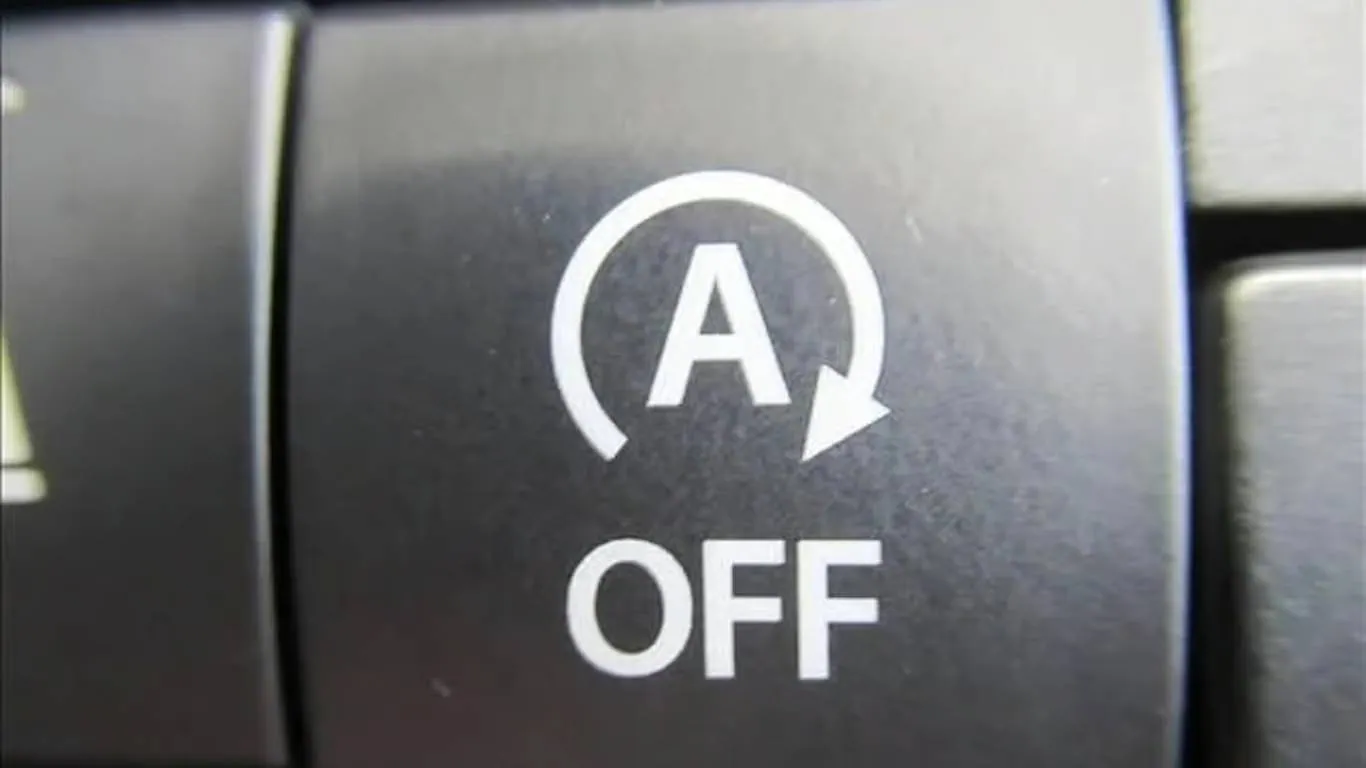
Ultimately, it’s a personal choice. Automakers even equip vehicles with dedicated disable buttons so drivers can quickly and easily switch off the feature when it becomes more annoying than useful. Market demand made that necessary: start-stop isn’t needed everywhere, and it isn’t for everyone.
You may also be interested in the news:
Not a Manufacturing Error: Why Some Wheels Have Two Valve Stems
Two valve stems on one wheel may look unusual, but the setup serves a practical purpose in racing and specialized tire service.
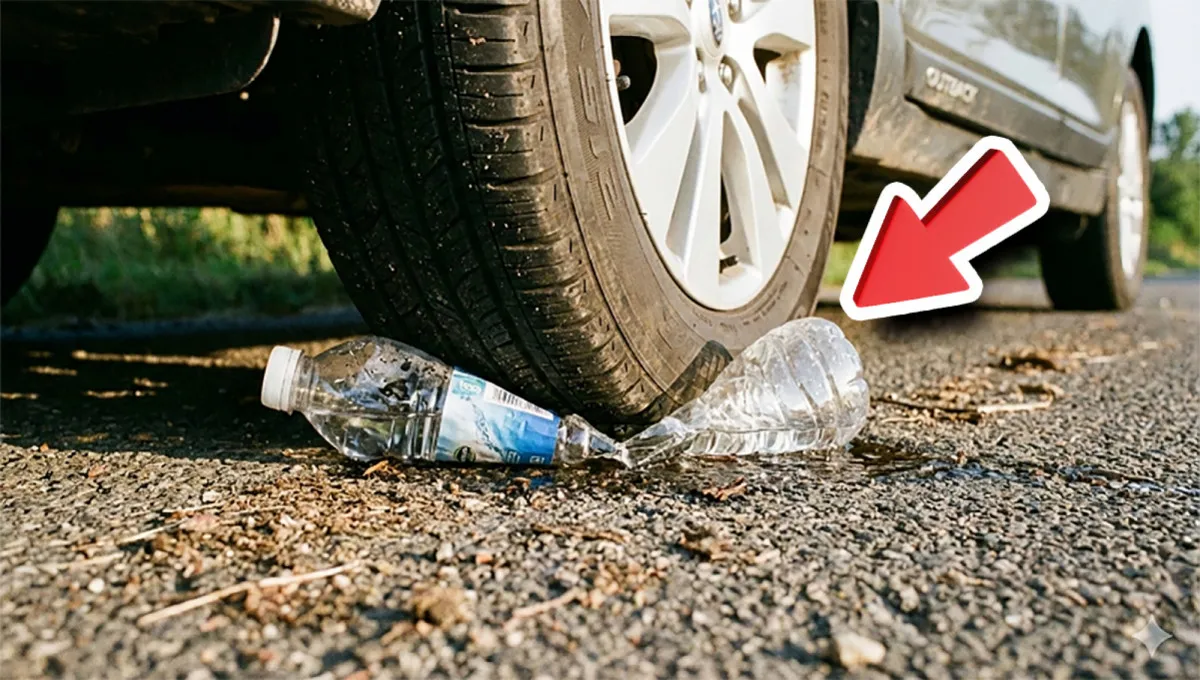
Bottle Under the Tire: The New Roadside Scam Targeting Drivers
A new roadside scam is gaining traction, using a simple plastic bottle to trick unsuspecting drivers.

Why Your Neighbor Always Parks With the Wheels Turned: An Auto Expert Explains Three Reasons
Straight wheels aren’t always the smartest choice: experienced drivers turn them for three practical reasons you may not expect.

Why You Should Never Ignore a Plastic Bag on Your Car Mirror
You park your car, head inside, and return a short time later to find an ordinary plastic bag hanging from the side mirror.

Auto Expert Warns Drivers About Common Mistakes When Installing a Roof Cargo Box
Roof cargo boxes have become increasingly popular with drivers looking for an easy way to carry more gear on road trips.