
Most Drivers Have No Idea Their Car Has This Hidden Button — It Can Instantly Restart a “Dead” Engine
It’s safe to say that roughly 80% of drivers have no idea their car is hiding this little-known switch.
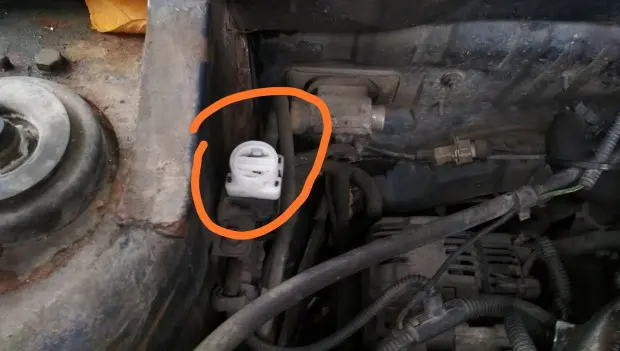
Some drivers may have already noticed that even today’s fuel-efficient cars are far more complex than their predecessors. Technology brings clear benefits, but it can also lead to unexpected malfunctions — and costly repairs. One example: a surprising number of drivers are completely unaware that their vehicle may be equipped with a hidden fuel pump shutoff button.
What is it for?
Automakers include this button as a safety feature, allowing the driver to immediately stop fuel delivery to the engine in an emergency. Imagine a crash where there’s a risk of fire — cutting off the fuel supply can be critical.
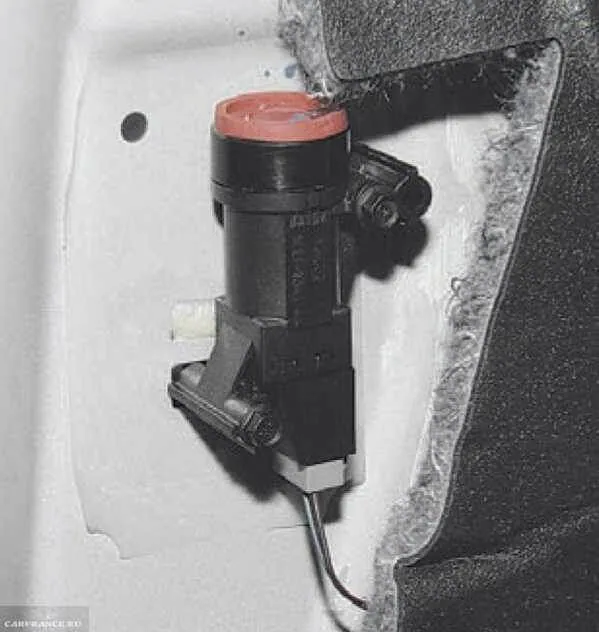
In most modern vehicles, this button works alongside an inertia switch that automatically shuts down the fuel pump if the car experiences a sudden stop or a collision.
On many newer vehicles, the inertia sensor is located near the driver-side airbag module. However, in some situations it can trigger unintentionally — for example, during extremely hard braking. When that happens, fuel delivery is cut off, and the engine stalls. To restore fuel flow, the driver simply needs to press the fuel pump reset button. Once activated, the engine can be restarted and normal driving can resume.
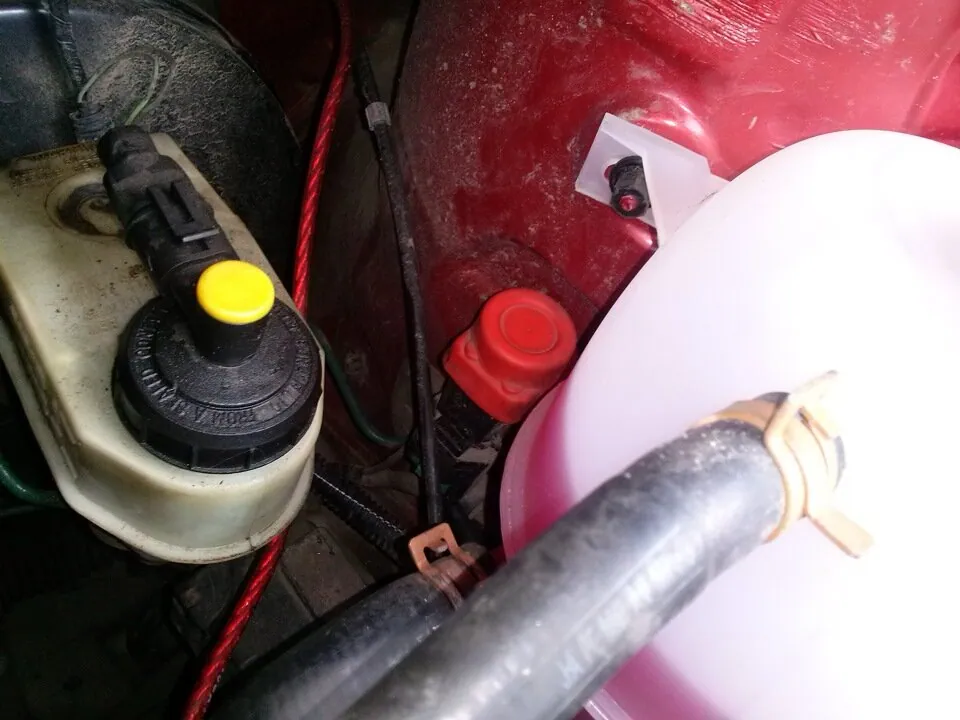
Even minor damage from a low-speed collision can be enough to interrupt fuel delivery. In such cases, the car may stall, and repeated attempts to restart it will result in nothing more than the starter motor cranking. A single press of this button can bring the engine back to life.
Where can you find it?
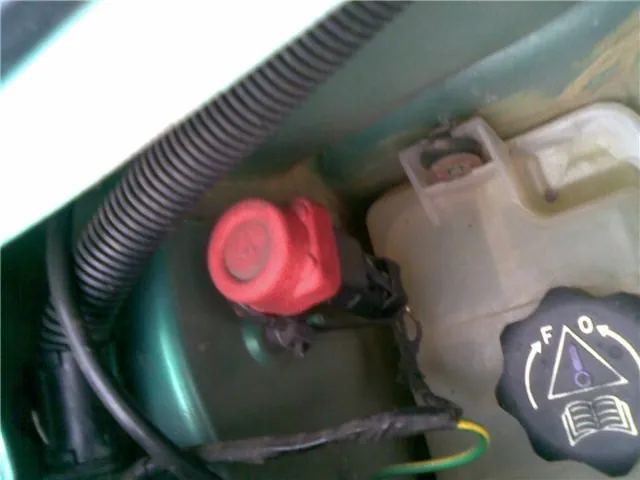
Unlike the inertia switch — which is usually positioned near the driver’s airbag control unit — the fuel pump reset button can be located in very different places depending on the vehicle.
The best way to find it in a specific car is to carefully read the owner’s manual. If the documentation doesn’t mention it, a dealership can usually provide the information.
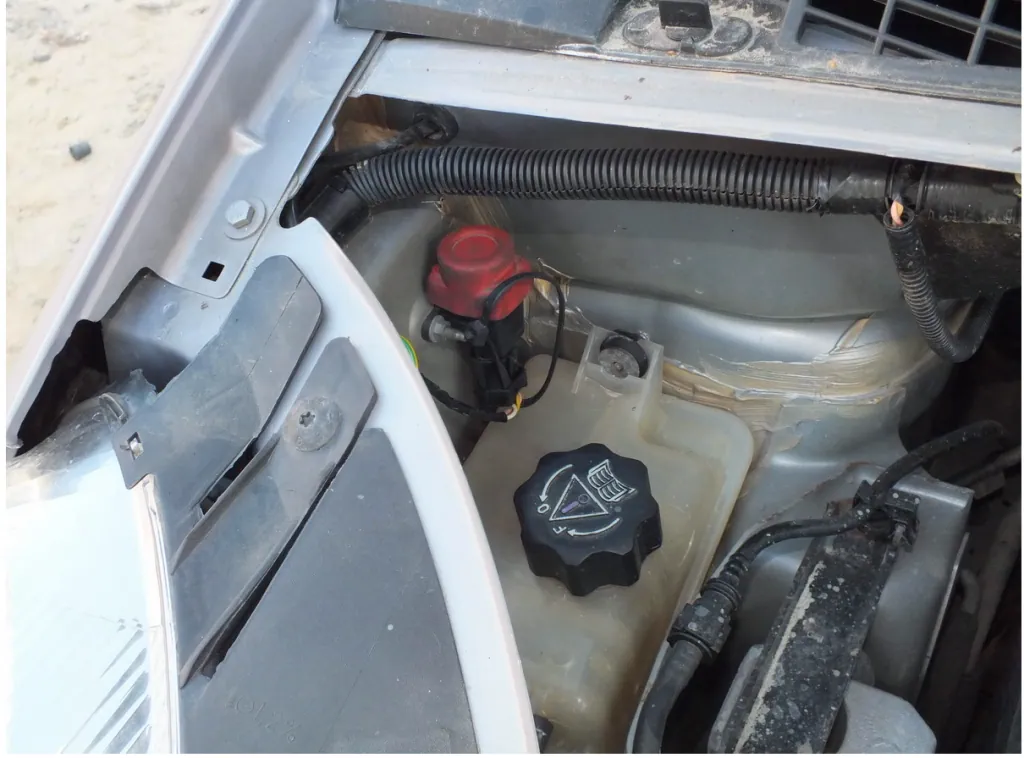
For example, on older Citroën ZX models, the button is located under the hood in the upper-left corner. That car, however, does not have a separate inertia sensor. On the Honda Accord, the button is hidden beneath the steering column and can only be accessed after removing a trim panel. On some Ford models, it’s found under the hood — sometimes on the left side, sometimes on the right.
When can it be triggered?
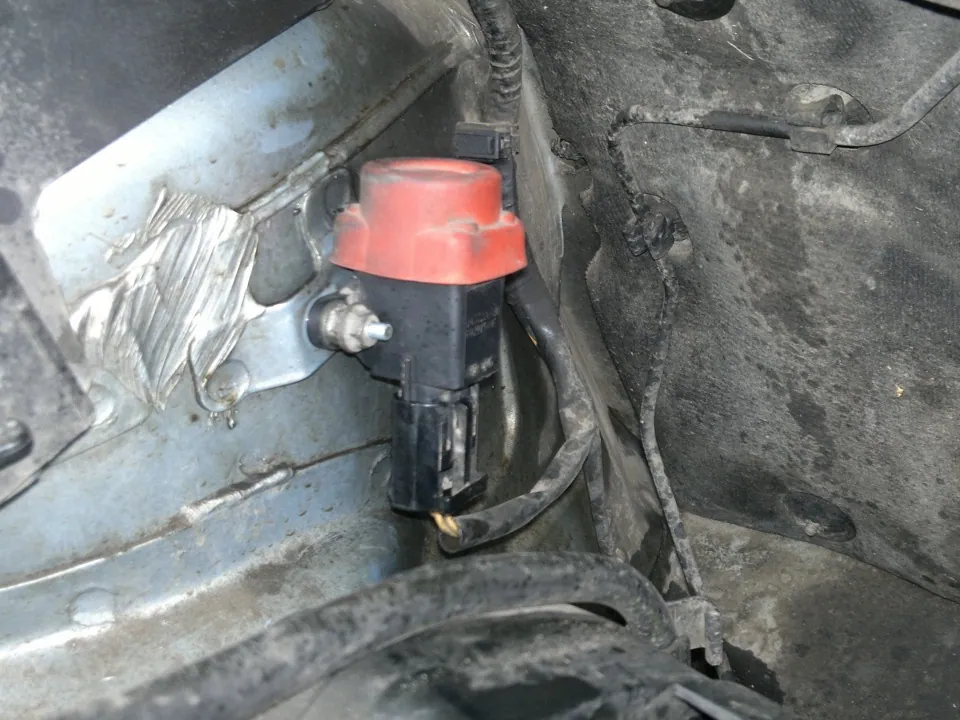
As mentioned earlier, accidental activation can occur during sudden, aggressive braking. The inertia sensor may also trip if the vehicle hits a deep pothole or severe road imperfection. And, of course, it is designed to activate in the event of a crash.
Knowing this button exists — and where to find it — can save drivers time, frustration, and even a tow truck call when the engine unexpectedly refuses to start.
You may also be interested in the news:

Why Your Neighbor Always Parks With the Wheels Turned: An Auto Expert Explains Three Reasons
Straight wheels aren’t always the smartest choice: experienced drivers turn them for three practical reasons you may not expect.

Why You Should Never Ignore a Plastic Bag on Your Car Mirror
You park your car, head inside, and return a short time later to find an ordinary plastic bag hanging from the side mirror.
Auto Expert Warns Drivers About Common Mistakes When Installing a Roof Cargo Box
Roof cargo boxes have become increasingly popular with drivers looking for an easy way to carry more gear on road trips.

One Capful and Your Wipers Stop Squeaking: Experts Reveal a Simple Trick
We've all been there: windshield wipers start squeaking, smear grime across the glass and leave streaks behind instead of actually helping.
You Hit ECT PWR and Your Toyota Suddenly Wakes Up: What That Mysterious Button Really Does
This little button can change the way a Toyota drives, but plenty of owners have no idea what actually happens when they press it.