
Toyota RAV4 2026 Production Begins in Canada for the U.S.: Crossover Goes Hybrid-Only in North America
Assembly is ramping up at the Woodstock, Ontario plant, with crossovers destined for U.S. customers.
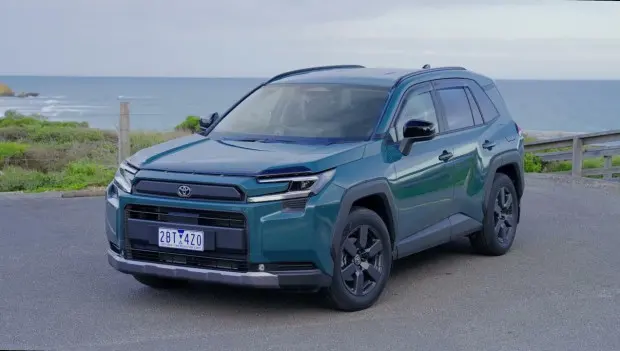
The first 2026 model-year RAV4 crossovers are beginning to reach customers, and once again Canada is playing a ключ role in the North American launch. Production is ramping up at Toyota Motor Manufacturing Canada’s plant in Woodstock, Ontario, where vehicles will also be built for export to the United States.
Toyota appears confident that its international logistics network can weather potential political turbulence—or that it is prepared to manage the consequences should supply chains face renewed disruption.
For the first time in the model’s history in North America, the RAV4 will be offered exclusively with hybrid powertrains. To support production of the redesigned crossover, Toyota has invested more than 1.1 billion Canadian dollars (about $810 million USD) into its Canadian operations. The expansion covers not only the Woodstock facility but also the company’s plant in Cambridge, Ontario.
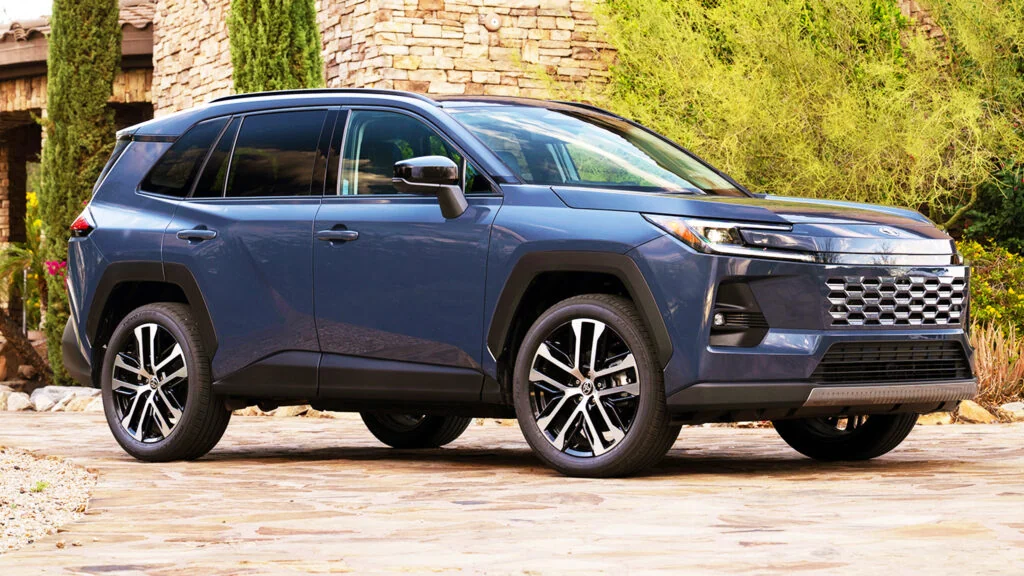
Over the next five weeks, both plants will ramp up output, with full production capacity expected by March. Canadian facilities underwent significant upgrades for the 2026 RAV4, including:
-
Increased assembly capacity in Woodstock and Cambridge
-
Production line upgrades tailored specifically for the 2026 model
-
New battery assembly operations for the hybrid crossover
U.S. Production to Follow
Production of the 2026 RAV4 has not yet started in the United States, but the model is expected to be assembled, as before, at Toyota’s plant in Lexington, Kentucky. The site is also slated to produce a new Highlander EV, and RAV4 output there is expected to increase over time.
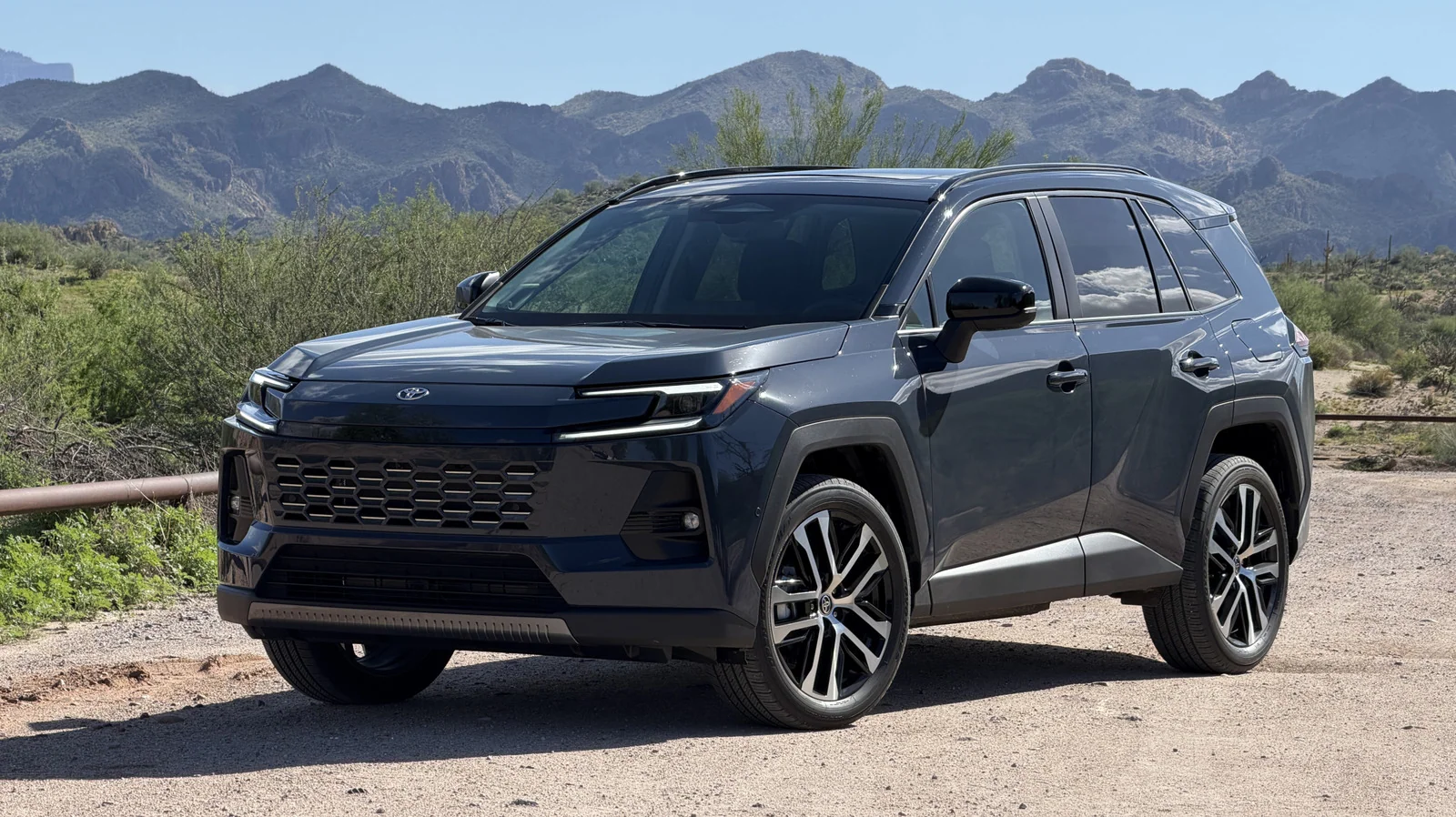
Previously, the Kentucky plant built gasoline-only (pure ICE) versions of the outgoing RAV4, while hybrids were produced in Canada. Now, as the lineup transitions entirely to hybrid power, the production strategy is being realigned. Meanwhile, plug-in hybrid (PHEV) versions of the latest-generation RAV4 will continue to be manufactured in Japan.
In short:
-
Canada: Primary production ramp-up for the 2026 RAV4 and hybrid models
-
U.S. (Kentucky): Production launch preparation and future volume growth, plus Highlander EV
-
Japan: Assembly of RAV4 plug-in hybrid models
Toyota Motor Manufacturing Canada remains the country’s largest automaker, producing more than 535,000 vehicles last year. However, uncertainty lies ahead. President Donald Trump has described the United States–Mexico–Canada Agreement (USMCA) as “outdated,” with negotiations expected later this year.
Toyota Canada says it is closely monitoring the situation, acknowledging that the long-term viability of Canadian production could be affected if the agreement were to unravel.
According to Toyota Canada spokesperson Scott MacKenzie, the integration of the U.S., Canada, and Mexico remains the most efficient model for North American auto manufacturing. Still, he noted that the industry landscape over the next two to five years is difficult to predict. While Toyota has absorbed some of the costs associated with current tariffs, prolonged trade pressures could eventually push vehicle prices higher.
You may also be interested in the news:
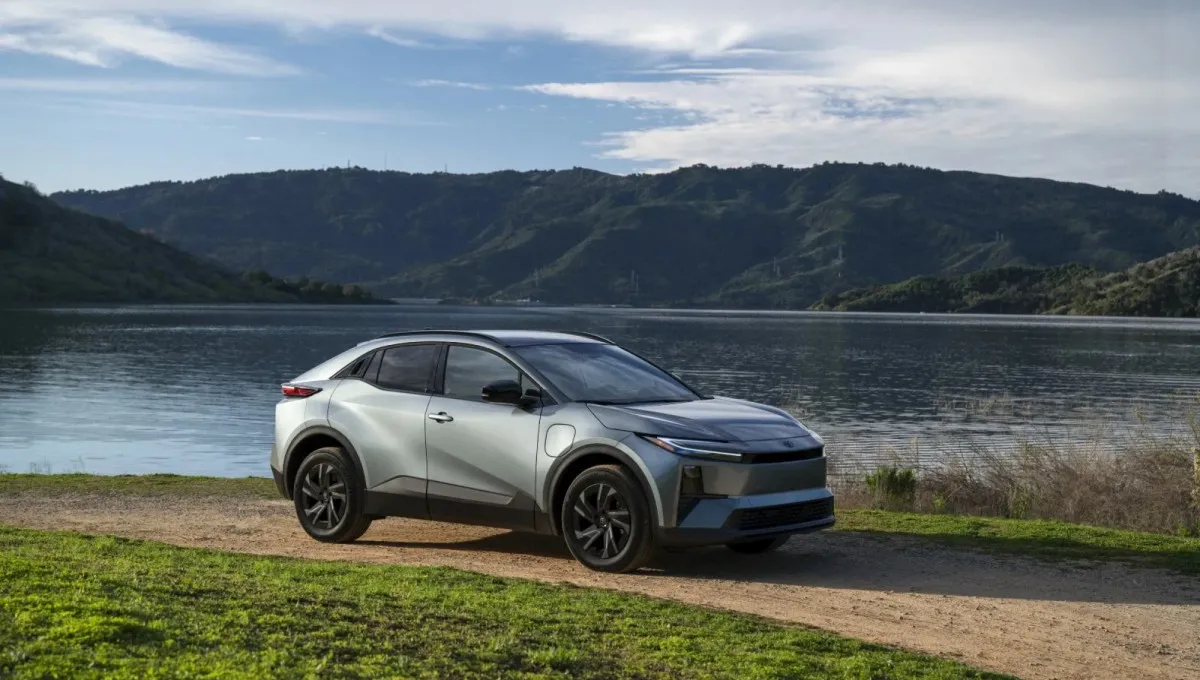
EV sales plunge 31% in the U.S. in July as hybrid registrations soar 86%.
U.S. EV registrations fell 31% in July as hybrid demand surged and federal tax credits expired.
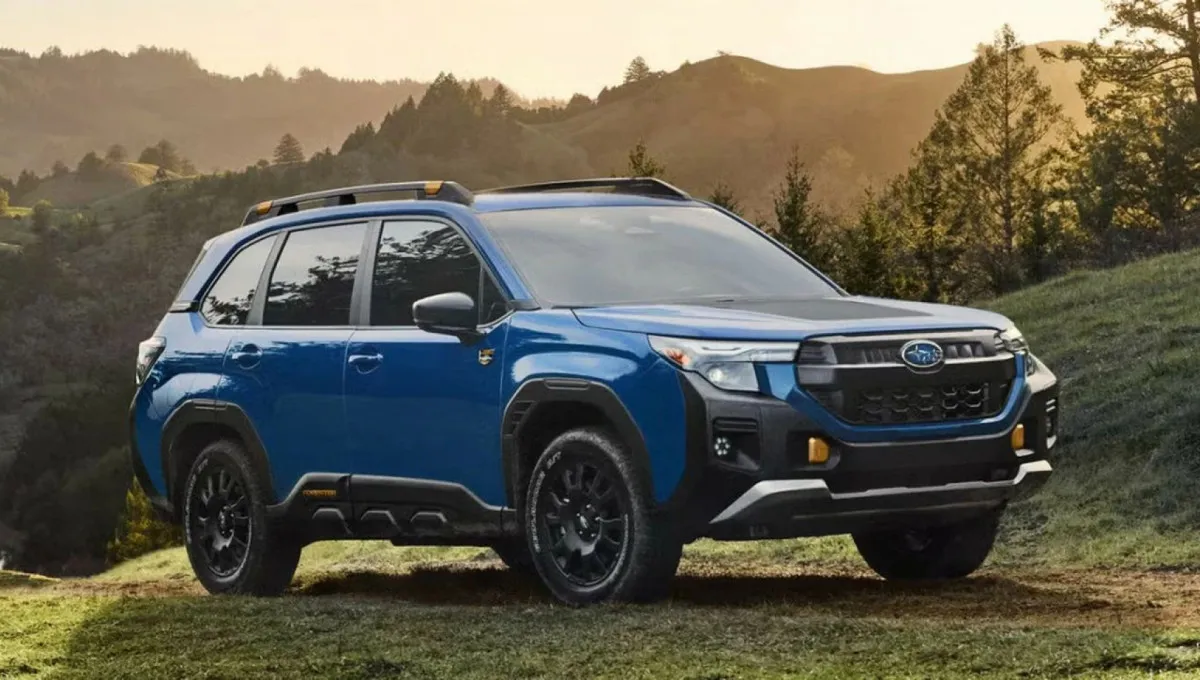
2027 Subaru Forester Debuts in the U.S. With Revised Lineup and More Hybrid Options
Subaru has revised the 2027 Forester lineup for America, dropping slower-selling trims while expanding hybrid availability.
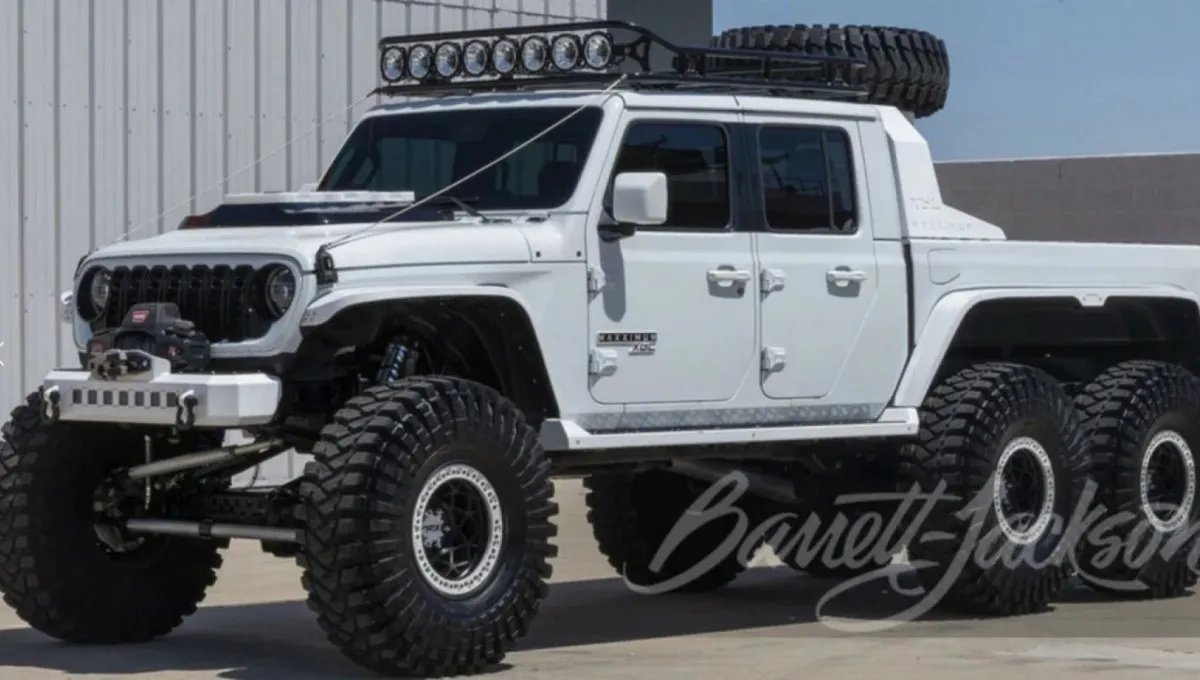
“Jeep Apocalypse” Goes to Auction: Extreme Gladiator 6x6 Hits the Block
The extreme six-wheel-drive Jeep Gladiator Maximus 6x6, built as a one-off, is now headed to a U.S. auction.
GM Faces Federal Lawsuit Over CVT Problems in Malibu, Trailblazer, Equinox and Terrain
GM faces a federal lawsuit alleging CVT defects affect several Chevrolet and GMC models.
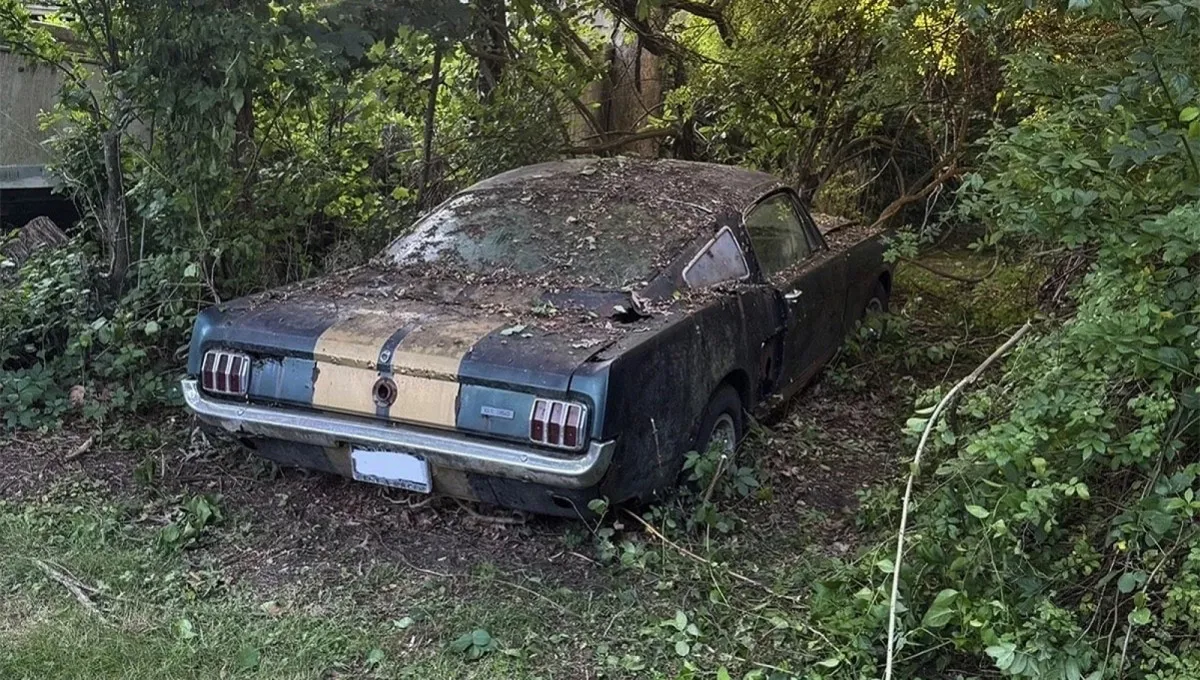
This Shelby-Style 1966 Mustang Was Left to Rot—and Someone Still Wants $15,000 for It
This 1966 Mustang looks like it spent decades outdoors after being transformed into a Shelby clone, and now needs saving.