
Many Drivers Don’t Know What the Econ Button Really Does — Here’s What It’s For
In many cars, an Econ button sits in plain sight on the dashboard, yet its real purpose often remains misunderstood.
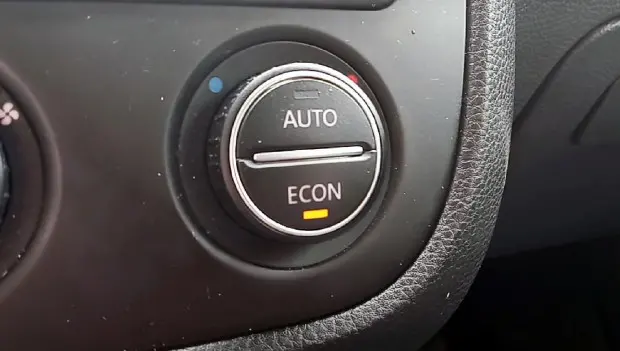
In a wide range of vehicles, you’ll notice an Econ button placed prominently within easy reach. Automakers from different countries use it, but its purpose can vary significantly. Over time, plenty of myths have formed around this feature, and many of them miss the mark. Let’s break down what the Econ button actually does.
I’ve personally seen the Econ button in vehicles from Volkswagen, Skoda, Toyota, and Honda, and it’s likely other brands have adopted it as well. Despite sharing the same name, the function of the button can be very different from one model to another. In some cars, its behavior is fairly intuitive, while in others it takes a bit of observation and comparison to understand.
Starting with Volkswagen Group vehicles, the Econ button is typically part of the climate control panel. As the name suggests, it activates an economy-focused operating mode, and how it works depends heavily on outside conditions.
In warm weather, pressing Econ forces the air-conditioning compressor to shut off. By default, when the climate system is running and the outside temperature is above about 39°F, the A/C compressor stays active at all times. Hitting the Econ button manually disables it, reducing load on the engine.
Cold weather brings a different scenario. When outside temperatures drop below roughly 39°F, pressing Econ turns off auxiliary heating systems such as a Webasto heater or an electric air heater, if the vehicle is equipped with one. On some Volkswagen Group models, the same button also activates the climate system’s self-diagnostics mode.
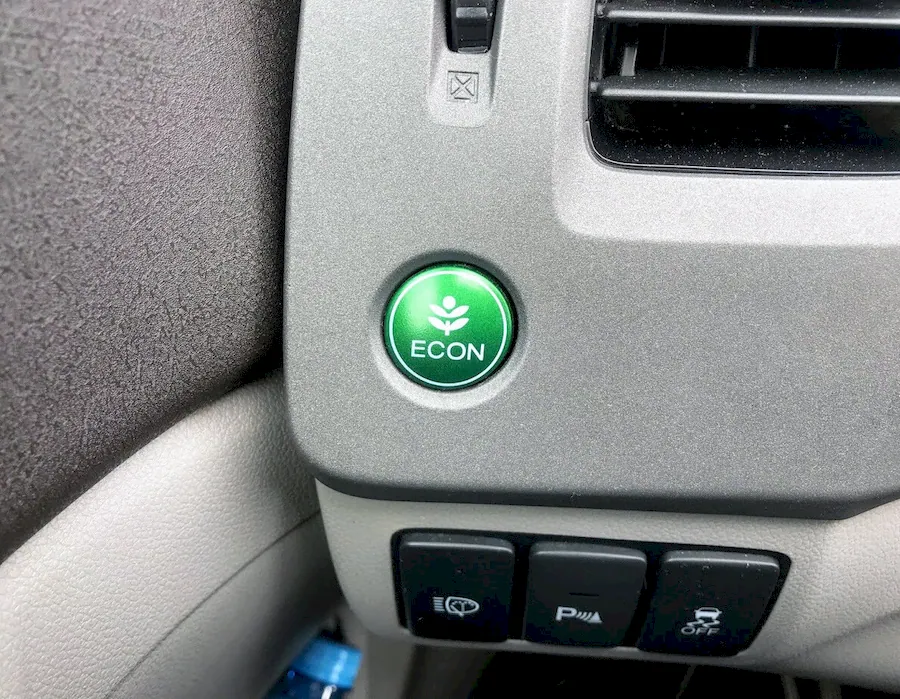
In Japanese vehicles, the Econ button serves a different role altogether. It’s usually located to the left of the driver and often marked in green, though designs vary. Pressing it enables an economy mode for the A/C compressor rather than switching it off completely. Real-world driving shows this can noticeably reduce fuel consumption, especially during highway cruising.
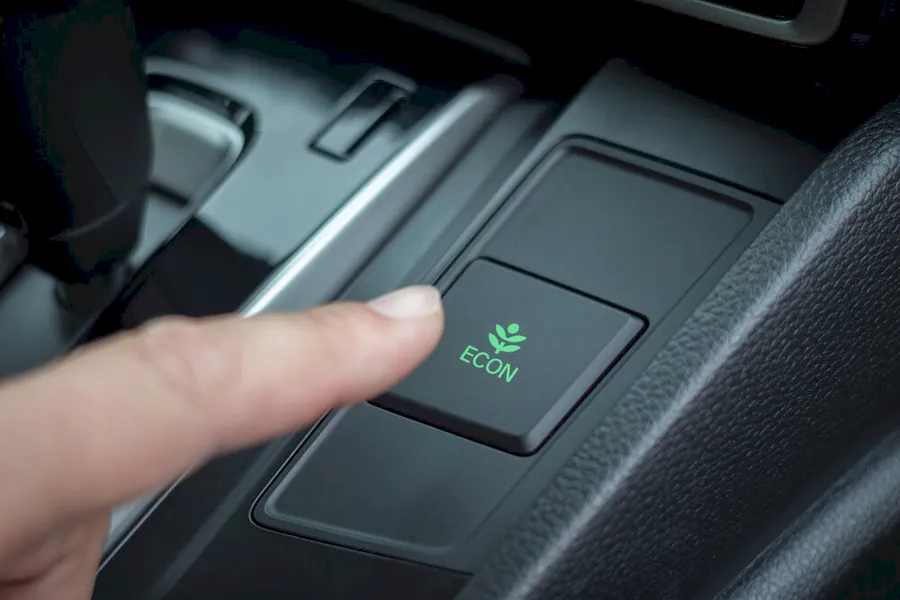
On these models, Econ mode lowers how often the air-conditioning compressor engages. It does this by widening the temperature range in which the system remains inactive. Cabin cooling becomes less aggressive, but drivers can save around 5% on fuel.
Renault vehicles take yet another approach. In those cars, Econ mode affects the air-fuel mixture and throttle response. It makes sense to use it in heavy traffic, but on the move the engine can feel noticeably less responsive.
You may also be interested in the news:

The “Gas-Saving” Tricks That Could Destroy Your Car — And What Drivers Should Do Instead
Some fuel-saving tricks can backfire, costing drivers far more in repairs than they ever save at the gas pump.
Why New Cars Are Ditching the Spare Tire — And What Drivers Get Instead
More new vehicles are replacing the spare tire with a compressor and sealant kit, and there are two practical reasons why.
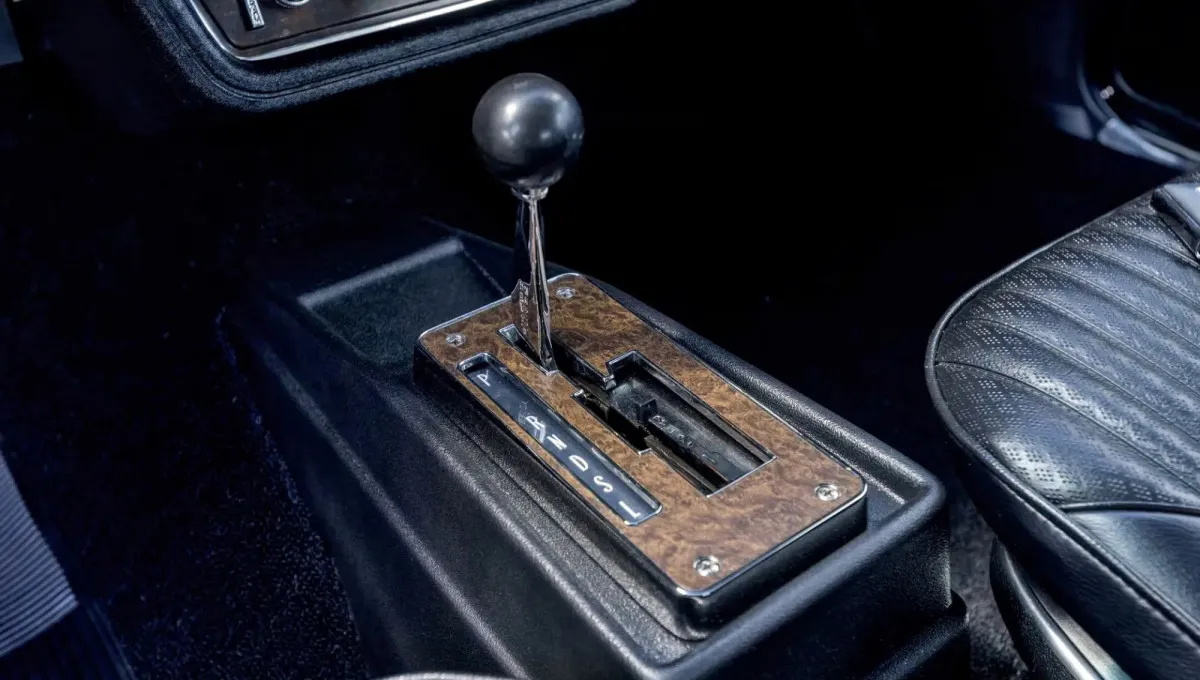
How Oldsmobile Invented a Manual Gearbox for an Automatic
Long before paddle shifters and electronic driving modes, Oldsmobile found a clever mechanical way to let drivers shift an automatic transmission themselves.
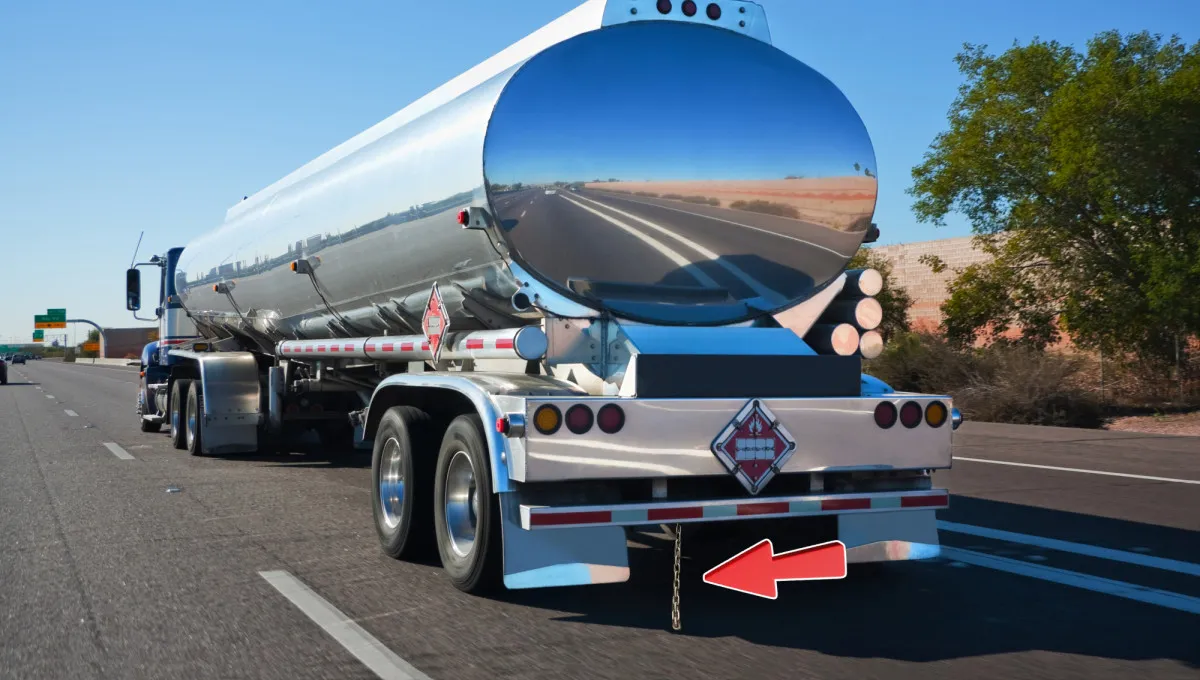
You’ve Seen This Chain Behind Fuel Tankers — But Do You Know What It’s Really For?
The metal chain dragging behind a fuel tanker isn't a forgotten part or a coincidence—it has long been associated with fire safety.

How to Protect Your Car Mirrors From Rain: A Simple Home Hack
A simple household product can help keep your car’s side mirrors clearer when rain makes visibility a challenge.