
Why Automakers Moved Away From Cast-Iron Engines—Even Though They Were Known for Extreme Durability
Cast-iron engines were famously tough and heat-resistant, yet automakers still abandoned them for a reason.
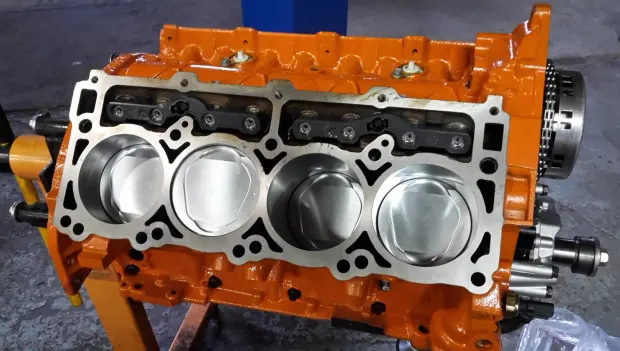
For decades, cast-iron engines were considered nearly indestructible. They handled heavy loads with ease, tolerated high temperatures, and earned a reputation for outstanding reliability. So why did automakers gradually replace them with aluminum designs? Many people assume the answer is simple—money. But the real explanation is a bit more complicated.
Short and to the point
The large-scale shift away from cast-iron engines began in the 2010s, when the entire auto industry started chasing stricter emissions rules and better fuel economy. Aluminum cylinder blocks weigh significantly less than cast iron. A lighter engine means a lighter vehicle overall, which in turn improves fuel efficiency and helps manufacturers meet environmental regulations.
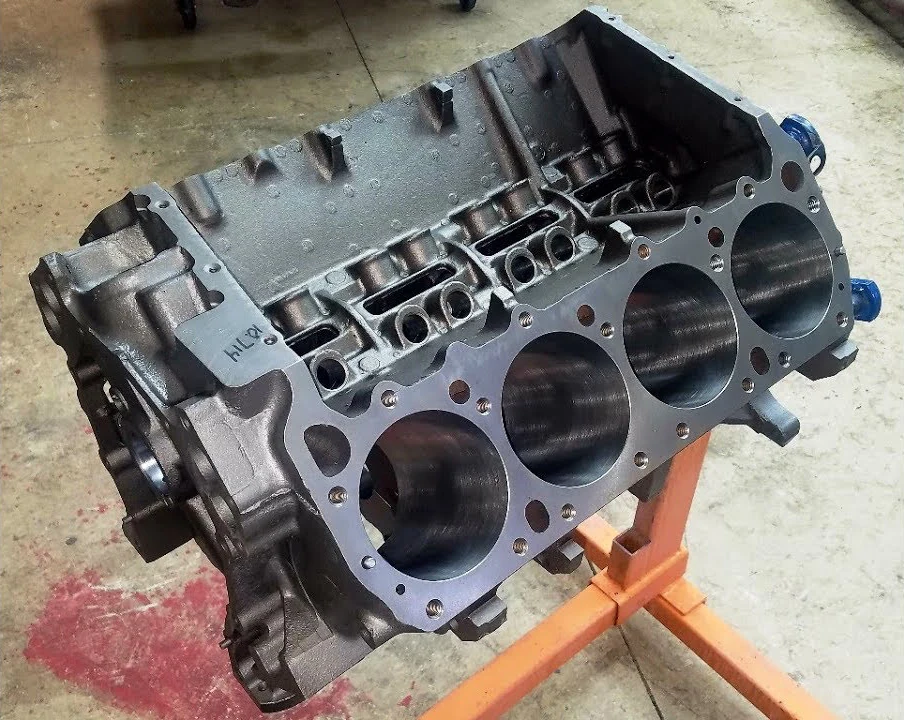
As the decade progressed, many companies also began investing heavily in hybrid and electric powertrains. That trend further reduced the need for heavier engine constructions traditionally made from cast iron.
Attempts to keep durability
In some cases, engineers tried to combine both materials. To improve durability, aluminum engines are sometimes fitted with cast-iron cylinder liners. The idea is to maintain strength where it matters most while keeping the engine lightweight.
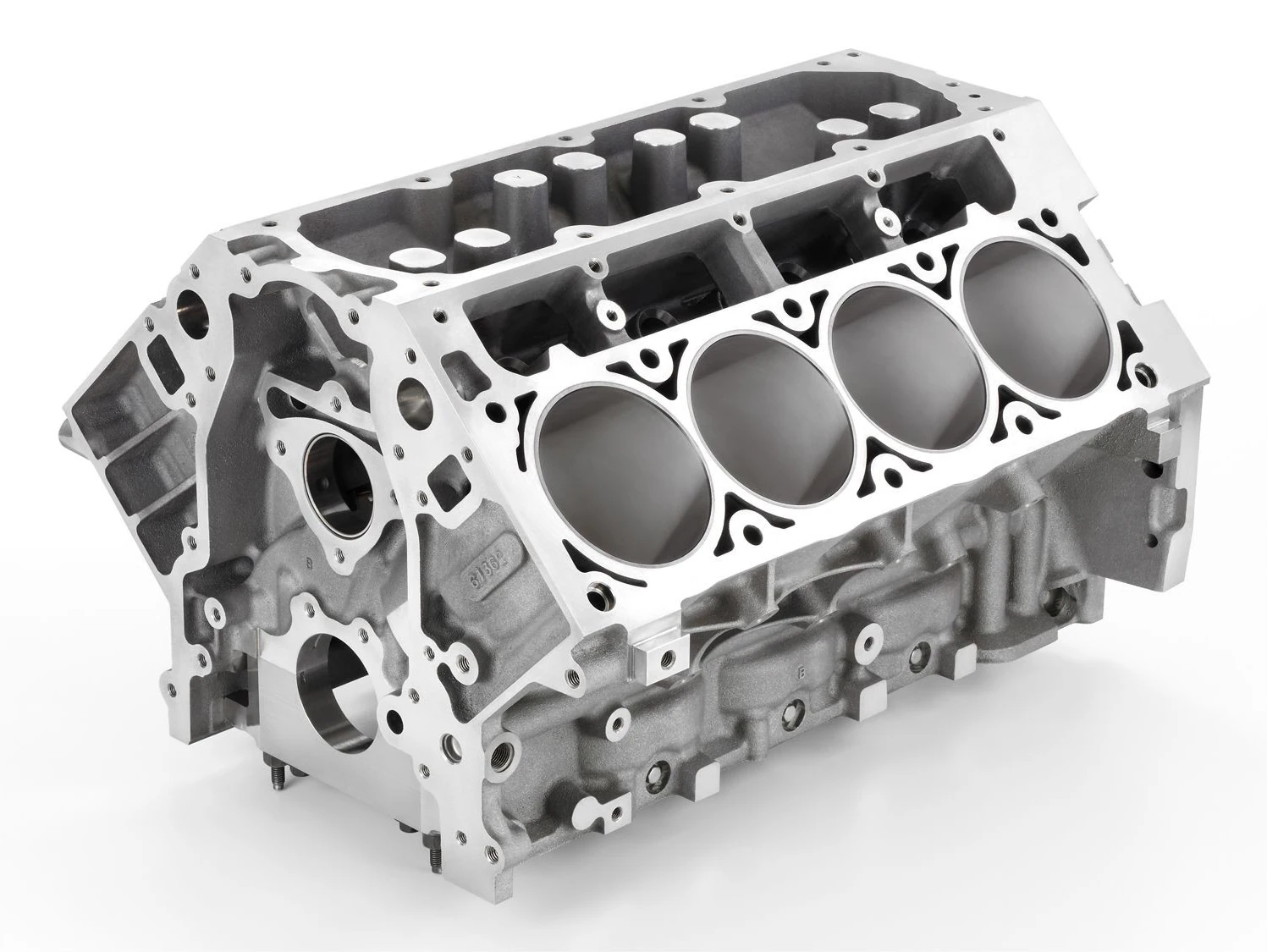
However, this solution doesn’t always deliver the long lifespan drivers once associated with older cast-iron motors. Even with such reinforcements, many modern engines rarely exceed about 155,000 miles of service life before major repairs become necessary.
The business side of the equation
There’s another factor that often gets overlooked: the economics of automotive service. Selling replacement parts for engines isn’t just an extra revenue stream—it’s a major business. Some manufacturers openly acknowledge that income from parts sales has, in many cases, surpassed profits from selling vehicles themselves.
While components like filters or brake pads are widely available from competing brands, engine parts are often recommended to be purchased directly from official suppliers. That limited supply chain can keep prices high and ensures steady demand for manufacturer-approved components.
In the end, the shift away from cast-iron engines wasn’t caused by a single factor. Weight reduction, emissions regulations, evolving technology, and long-term business strategy all played a role in reshaping how modern engines are built.
You may also be interested in the news:
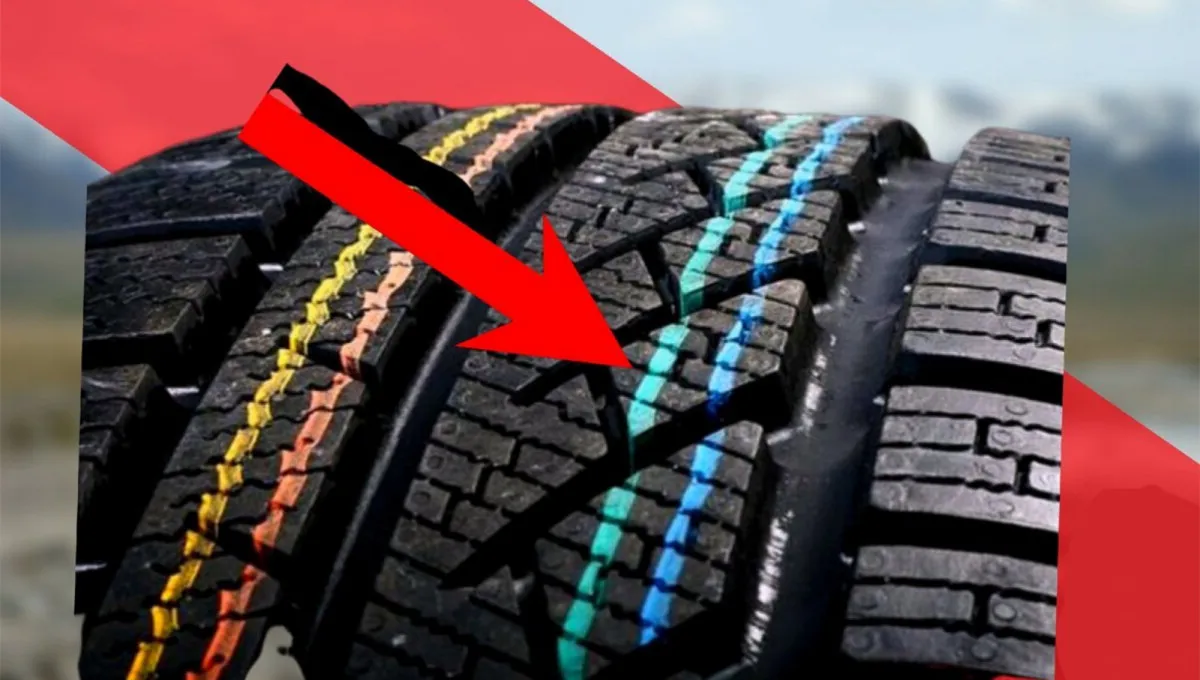
Why Colored Stripes on New Tires Confuse Drivers: What They Really Mean
A blue stripe on one tire brand can mean something entirely different on another, leaving drivers wondering what the markings mean.

These 8 Cars Went Over 1 Million Miles — They Just Don’t Build Them Like They Used To
Some cars outlast generations of owners, proving that careful maintenance and durable engineering can deliver extraordinary mileage.
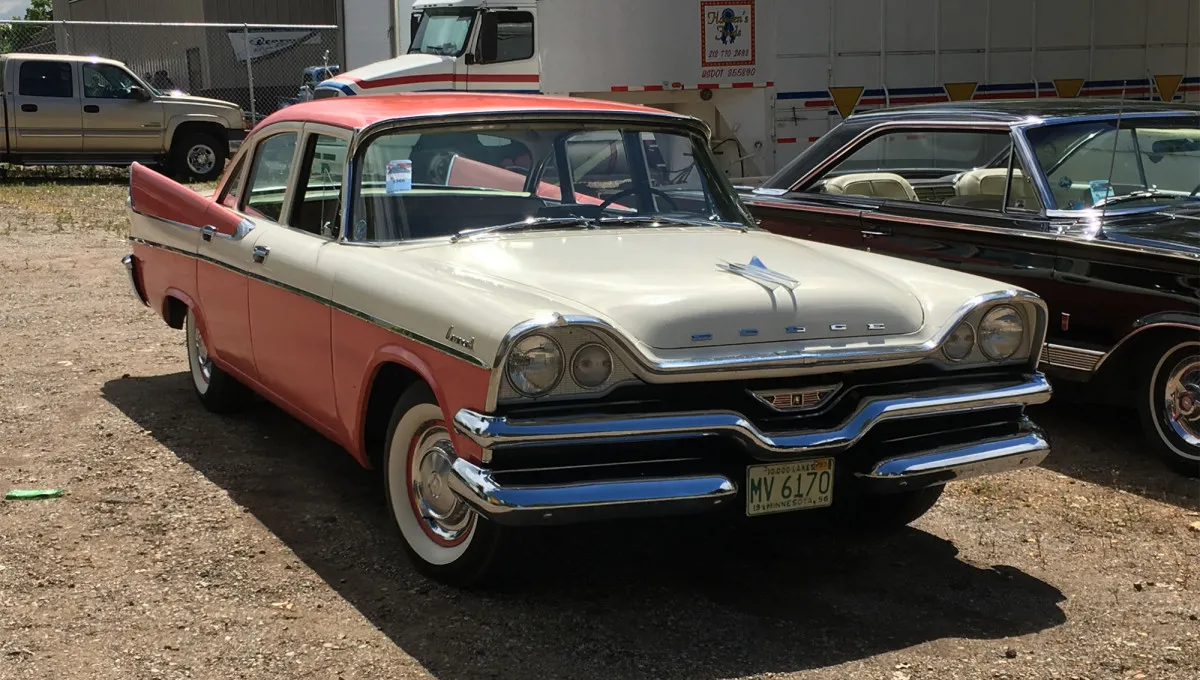
The 1957 Dodge: How “Autodynamics” Shaped One of Detroit’s Boldest Designs
The 1957 Dodge Looked Like a Dream Car, but Its Biggest Flaw Was Hiding Beneath the Surface.
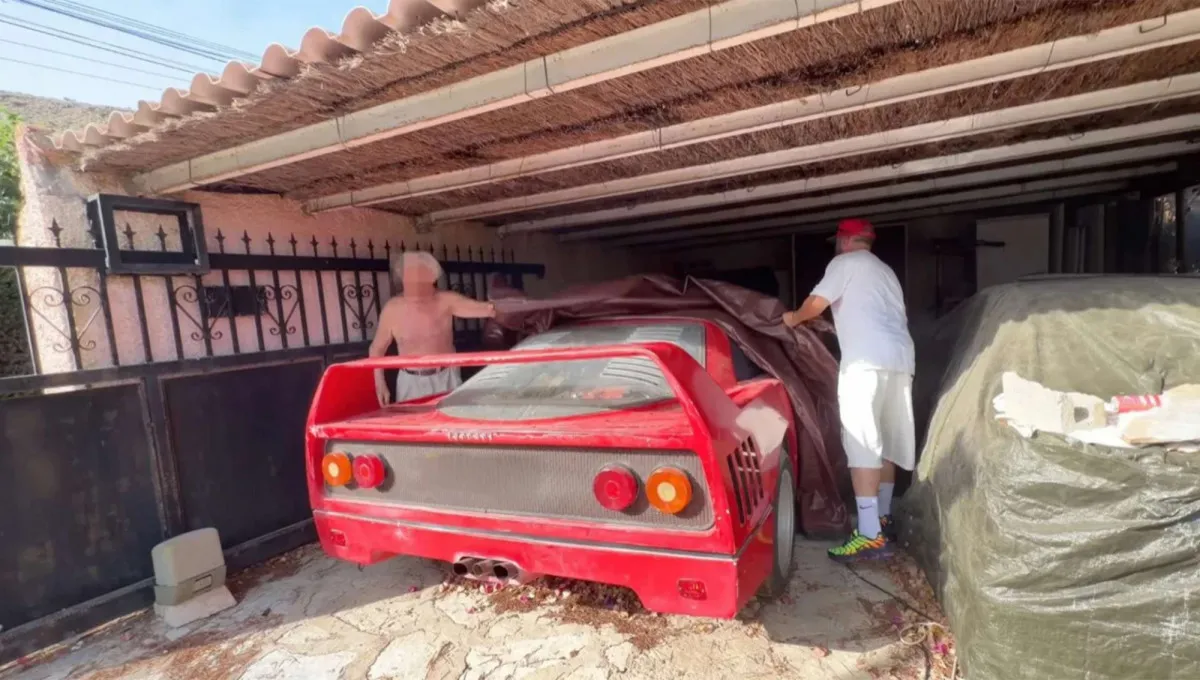
Two Ferrari F40s Spotted on Google Maps Turn Out to Be Pontiac Fiero Replicas
Two Ferrari F40 lookalikes spotted on Google Maps in Spain turned out to be replicas built on an American sports car.
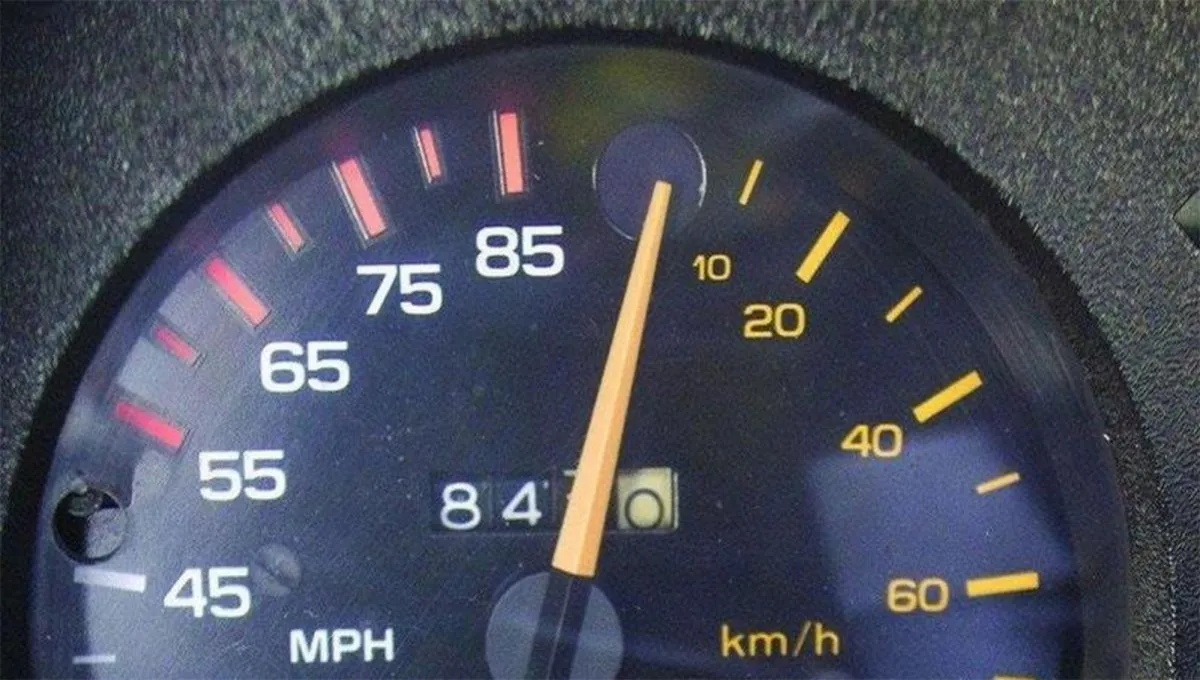
Your Speedometer Says 65 MPH, but Your GPS Says 62 — Here’s Why Your Car Does That
Your speedometer reads 65 mph, but your GPS says 62 mph. Here’s why the numbers rarely match.