
Mercedes-Benz W123: The Story of a Car That Became Immortal
In 2026, the automotive world marks the 50th anniversary of one of the most famous and recognizable models ever built.

In 2026, the automotive world celebrates the 50th anniversary of one of the most iconic and recognizable models in history. Exactly half a century ago, the Mercedes-Benz W123 made its debut—a car destined to become a true cult classic.
There are only a handful of automobiles in global automotive history whose names are spoken with genuine respect decades after production ended. The Mercedes-Benz W123 is one of them.
For some, it became a symbol of success; for others, a benchmark of honest engineering; for many, a reliable companion for a lifetime. From 1976 to 1985, this model defined what a “real Mercedes” was supposed to be and remains a gold standard for durability, quality, and thoughtful design.

The arrival of the W123 was no accident. In the early 1970s, Mercedes-Benz was at a turning point. The W114/W115 series, known by the nickname “Stroke Eight,” enjoyed enormous demand and had earned a reputation for being nearly indestructible. But the world was changing: safety regulations were tightening, comfort expectations were rising, and competition from BMW, Audi, and Japanese automakers was intensifying.
Work on the project, internally designated W123, began as early as 1971. The exterior design was led by the legendary Friedrich Geiger, the man behind such icons as the 300SL Gullwing and the SL Pagoda. His task was to create a car that looked solid and modern, yet timeless—immune to fleeting trends and visual aging.

The result was a strict, almost architectural design with straight lines, a massive chrome grille, large headlights, and a high window line. Even then, it was clear this shape would remain relevant for decades.
The official premiere of the W123 took place in January 1976 at the Brussels Auto Show. Public and media reaction exceeded all expectations. The new Mercedes looked substantial, expensive, and inspired confidence at first glance. Orders poured in as soon as sales began, and within the first few years, waiting times could stretch to as long as 18 months.
Note: In some countries, nearly new cars were resold for more than factory list price—a rare phenomenon for a mass-market model.

Visually, the W123 gave the impression of being “carved from a single block of metal.” Thick body panels, heavy doors with a distinctive solid thud when closed, and minimal use of plastic all pointed to the fact that engineers had not cut corners on materials.
Large windows provided excellent visibility, while the high seating position gave drivers a strong sense of control. This design laid the foundation for Mercedes-Benz’s corporate styling for many years to come.

One of the key factors behind the model’s success was its versatility. The W123 was offered not only as a classic sedan, but also as a wagon, coupe, and long-wheelbase version. The S123 became Mercedes-Benz’s first production station wagon and quickly gained popularity among families and business owners. The C123 coupe, with its frameless doors and shortened wheelbase, looked sportier and targeted more affluent buyers. Long-wheelbase versions were widely used as taxis and as chassis for special-purpose vehicles, especially in Germany and the Middle East.
The W123 interior was a textbook example of German functionalism. There was no unnecessary decoration, yet every detail was exactly where it belonged.

The instrument cluster was perfectly legible, controls were logically arranged, and material quality was impressive even by today’s standards. Soft-touch plastics, durable fabrics, and, in higher trims, natural wood and leather created an atmosphere of understated luxury.
Special attention was paid to the seats, which were developed with input from ergonomics and orthopedic specialists. They delivered exceptional comfort, even on long, multi-hour drives.

Even in base trims, the W123 offered a level of equipment that many competitors couldn’t match. Higher-end versions could be fitted with air conditioning, a sunroof, power windows, cruise control, and an anti-lock braking system—cutting-edge technology in the late 1970s. Mercedes-Benz was among the first automakers to introduce ABS on a large scale, and the W123 played a key role in that rollout.
Note: The engine lineup became one of the W123’s greatest strengths.
Buyers could choose from a wide range of gasoline and diesel engines. Gasoline units were known for smooth operation and solid performance, especially in the fuel-injected 230E and 280E versions. However, it was the diesel engines that truly cemented the model’s legendary status. The W123 helped make diesel powertrains prestigious and desirable in the passenger-car segment.
The 200D, 240D, and 300D diesels became famous for their phenomenal longevity. These engines could cover hundreds of thousands of miles without major overhauls—and sometimes well over a million. They were mechanically simple, relatively easy to maintain, and tolerant of lower-quality fuel. In 1979, the 300D Turbo debuted, becoming Mercedes-Benz’s first production turbo-diesel passenger car, combining efficiency with respectable performance.
The W123’s suspension was tuned primarily for comfort, yet it also delivered excellent stability at highway speeds. Independent suspension, precise steering, and effective brakes made the car predictable and safe to drive.

Passive safety was another major focus. The body featured crumple zones, reinforced pillars and doors, a collapsible steering column, and a carefully engineered cabin structure. For its time, the W123 was among the safest cars in its class for both drivers and passengers.
Production took place at multiple plants across Europe, Africa, and Asia. Over nine years, nearly 2.7 million units were built—a record figure for Mercedes-Benz at the time. The W123 became the most mass-produced and commercially successful Mercedes of the 20th century.
The model also played a significant social role. In Western Europe, the W123 was the car of choice for doctors, engineers, architects, and entrepreneurs. In Africa and the Middle East, it became a true workhorse, capable of enduring years of use on poor roads.
In 1985, production of the W123 came to an end, and it was replaced by the more modern W124. The new model was more advanced, faster, and more efficient, yet many brand loyalists believed that the W123 represented the pinnacle of old-school Mercedes engineering.
Note: It was created without marketing constraints or rigid cost limits, in an era when quality remained the top priority.
Today, the W123 is considered a full-fledged classic. Well-preserved examples are highly valued by collectors, actively restored, and regularly take part in classic rallies. Versions like the 280E, 300D Turbo, and the coupe are especially sought after. Their values continue to rise year after year, and interest in the model shows no signs of fading.
The secret of the W123’s immortality lies in its rare combination of qualities. It is reliable, comfortable, dignified, easy to maintain, and full of character. This is a car built not for rapid model cycles, but for a lifetime of service.
Note: It embodied Mercedes-Benz’s philosophy of the era: building cars “for decades.”
The Mercedes-Benz W123 is more than just an old model from the past. It is a symbol of honest engineering, a monument to a time when a car was a lifelong investment. It has outlived fashion trends, economic crises, and technological revolutions—and that is why today it is called not just a classic, but a true legend on wheels.
You may also be interested in the news:
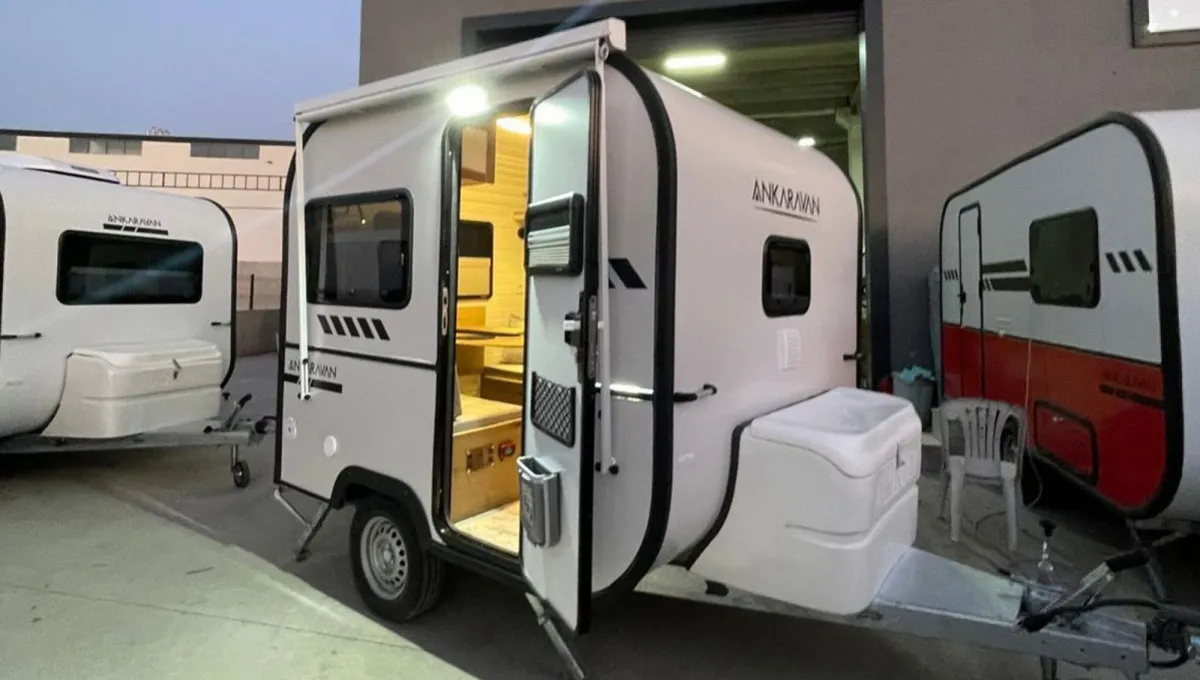
Micro 240 Travel Trailer Packs Three Beds and a Full Bathroom Into a Tiny, Affordable Package
Micro 240 debuts at 2026 Dusseldorf Caravan Salon in four configurations for off-grid family vacations.
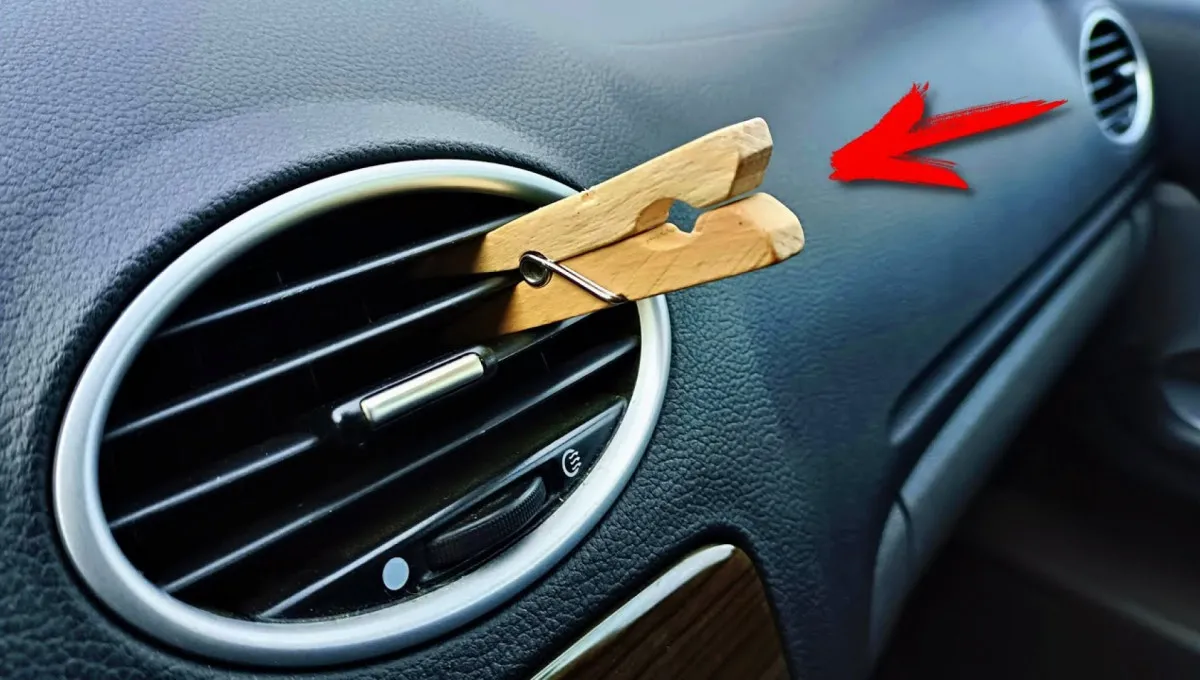
Drivers Are Putting a Clothespin on Their Car’s Air Vent: Here’s Why This Simple Hack Works
This simple trick doesn’t affect the air conditioner, but it can quickly change the way your car’s interior smells.

Honda CR-V Tops U.S. Sales in the First Half of 2026
The U.S. auto market delivered a surprising result in the first six months of 2026.
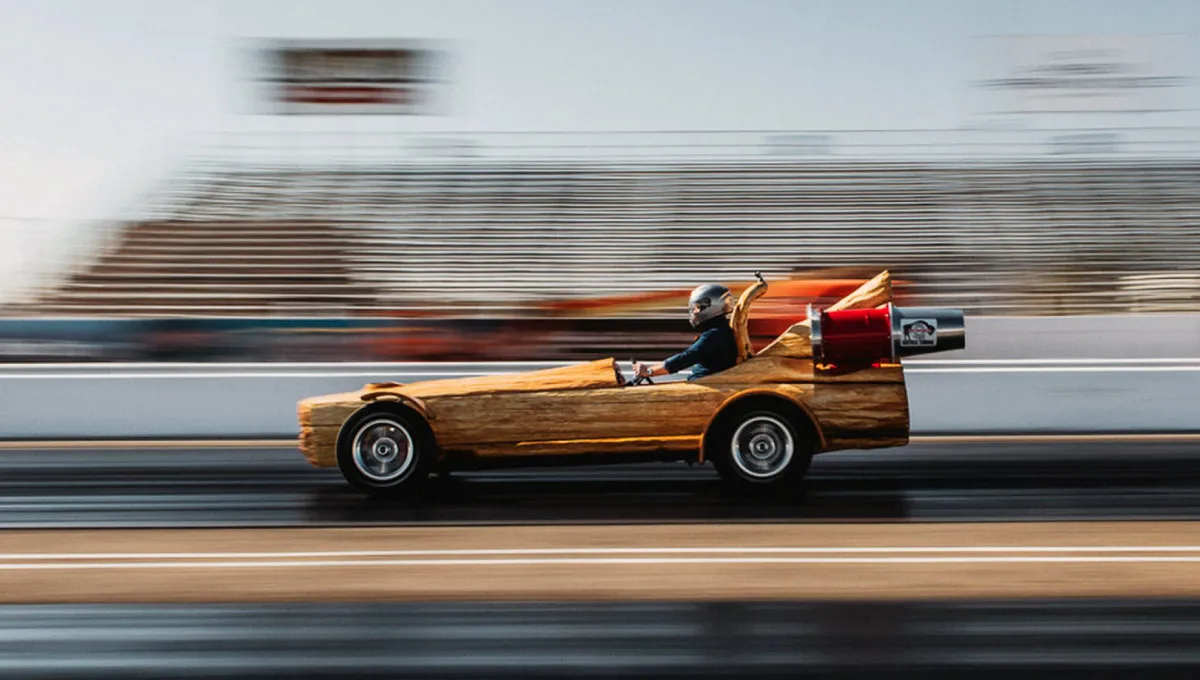
10 Bizarre Vehicles That Made It Into the Guinness World Records
People create incredible machines. Human engineering ingenuity truly knows no limits.
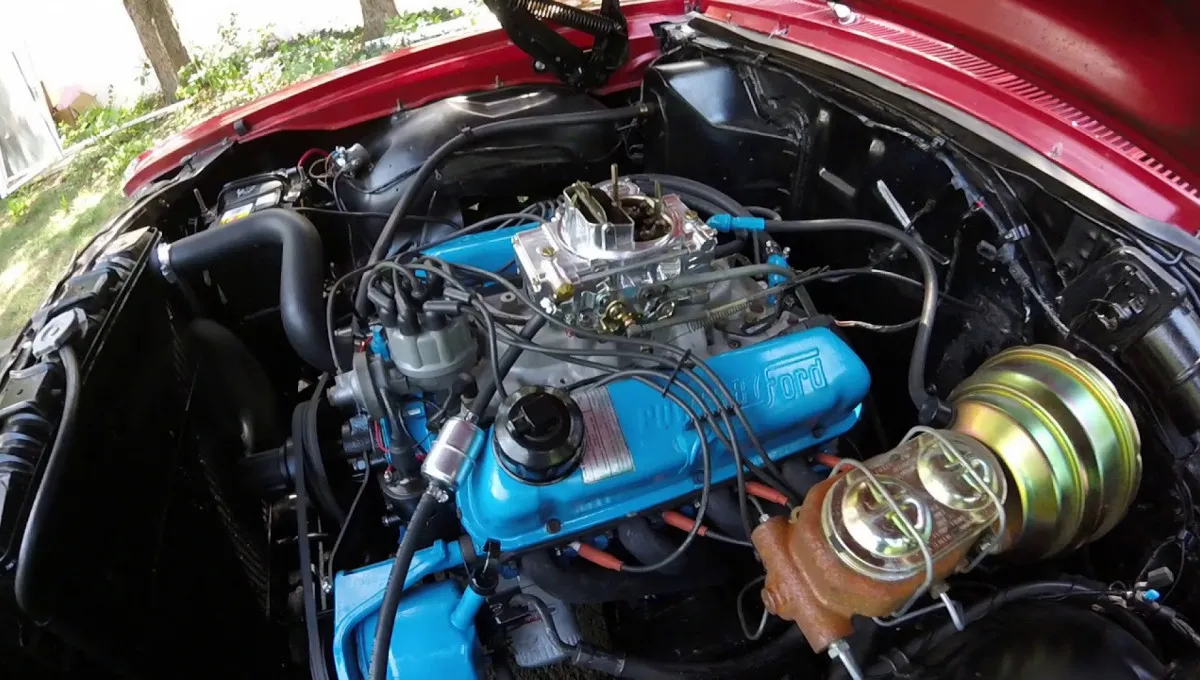
How the U.S. Invented an Engine That Could Travel 932 Miles on 1.3 Gallons of Gas
Everyone who believes in conspiracy theories—and that oil companies and the automotive lobby are behind everything—has reason to celebrate.