
Mechanics Rarely Admit This: How Long Spark Plugs Really Last and Fuel Economy Effects
Actual spark plug life often differs from manuals, directly affecting fuel efficiency and engine performance.
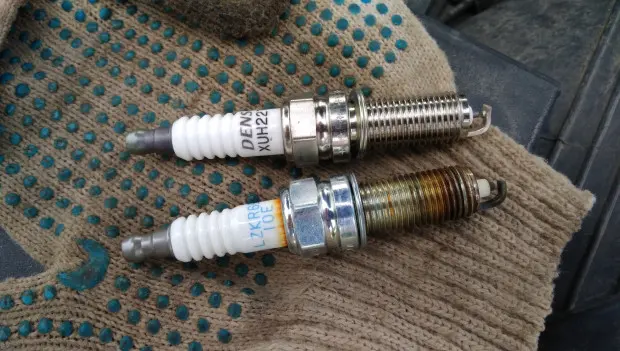
The lifespan of spark plugs in real-world driving often differs significantly from the figures listed in vehicle manuals. Manufacturers typically recommend replacing standard plugs every about 18,500 miles, while more expensive iridium plugs can sometimes last up to 55,900 miles. Yet actual conditions on the road can drastically change these numbers.
Relying solely on mileage guidelines isn’t enough. Several factors influence plug wear. Fuel quality plays a major role, as does driving style: gentle driving versus frequent hard acceleration produces very different outcomes. Engine condition is another key factor. As a result, one set of plugs may last a long time, while another needs replacement far earlier.
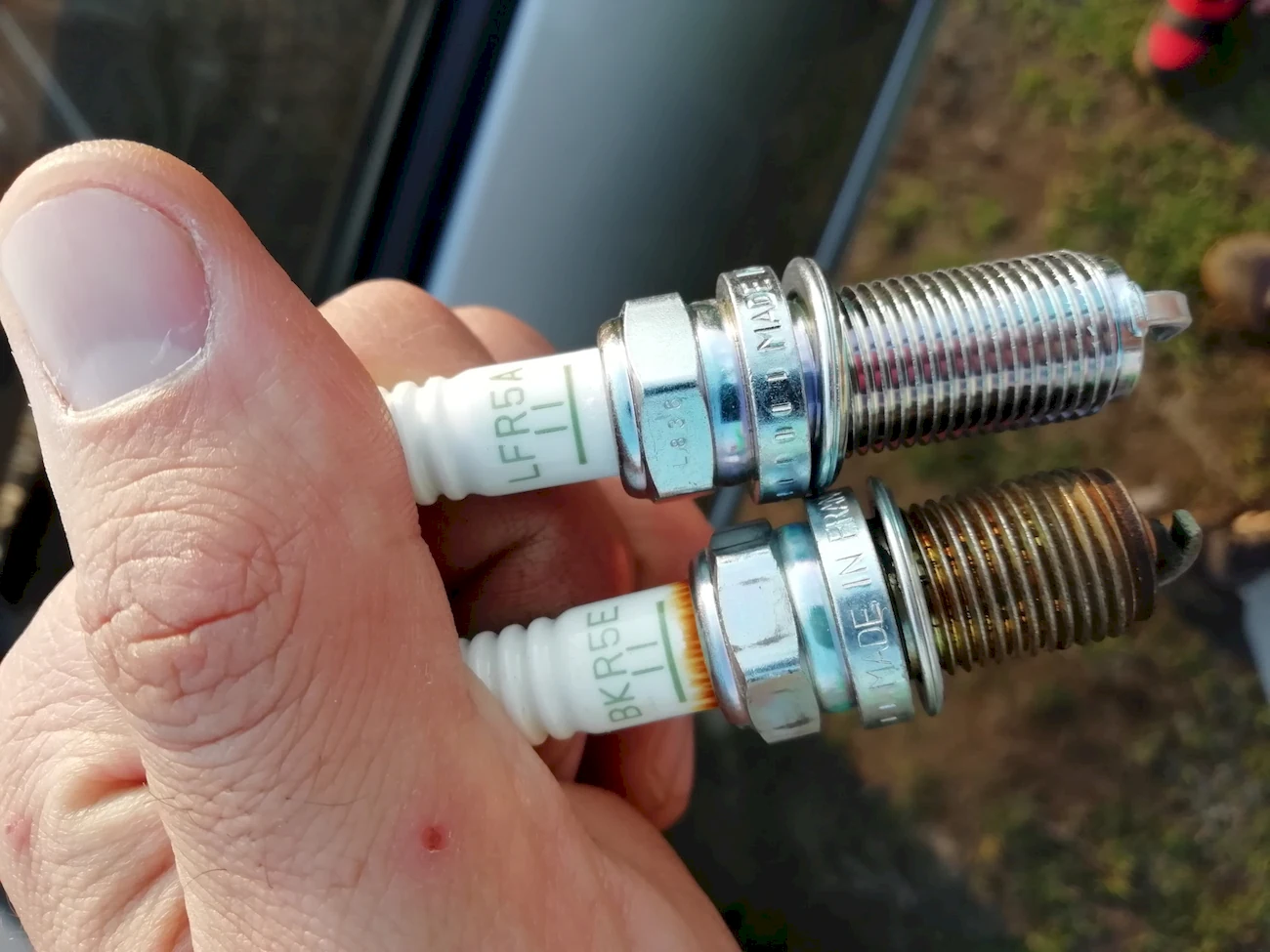
Some drivers try to delay changing plugs to save on maintenance costs. But this “economy” often backfires. Worn spark plugs can make the engine run unevenly, increase fuel consumption, cause misfires, and reduce driving smoothness. Ignoring the issue over time may lead to more serious engine problems.
Experts recommend focusing on the actual condition of the plugs. Once removed, a careful inspection usually reveals whether replacement is needed. Signs like carbon deposits on electrodes, oil traces, or obvious wear indicate it’s time for a new set. This simple check helps maintain engine performance and prevent further issues.
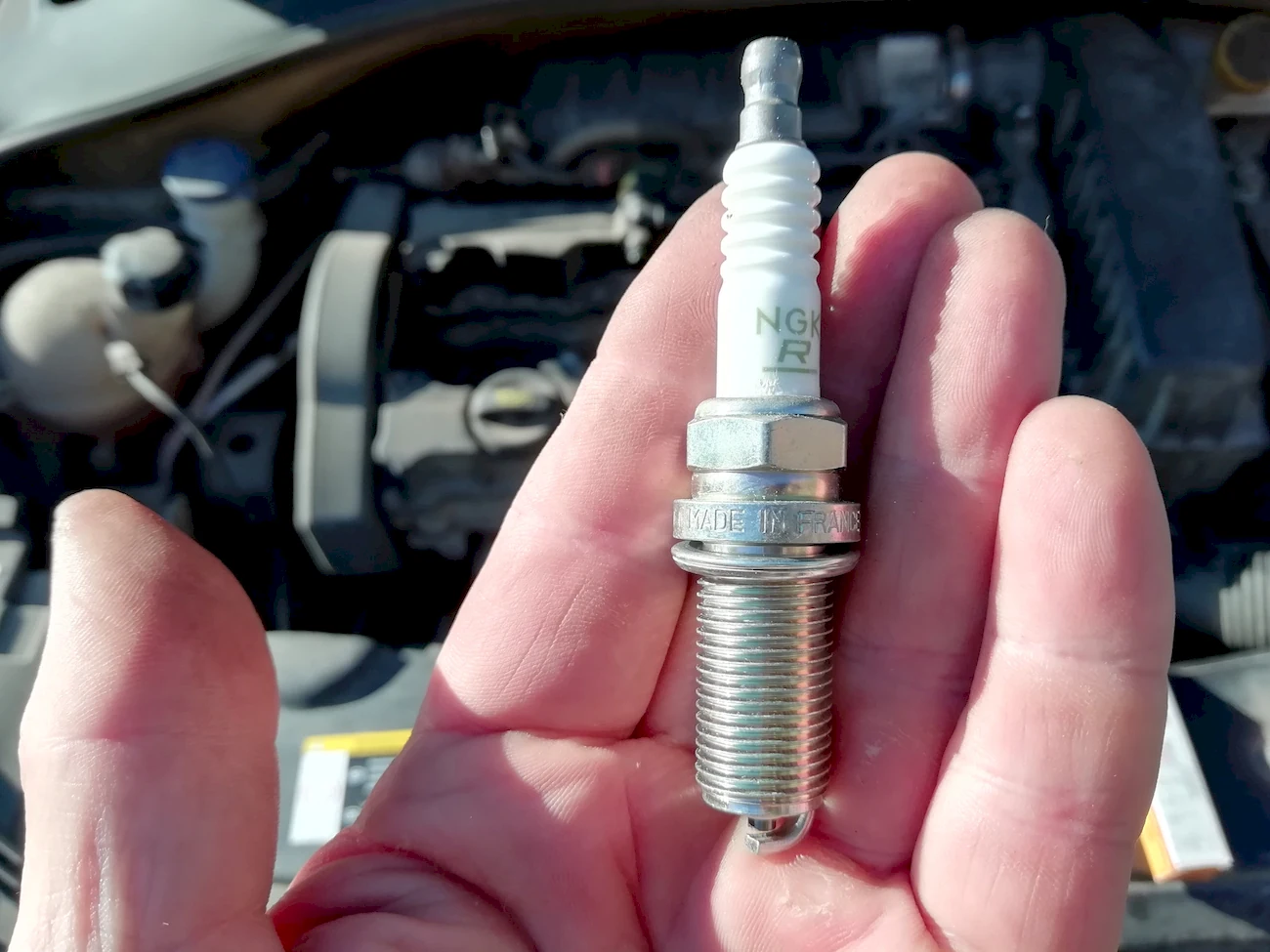
Rapid plug wear is often tied to poor-quality fuel. Gasoline with impurities gradually forms thick deposits on the electrodes. At first, a light coating appears, darkening into soot over time. Eventually, the layer can become so dense that the spark weakens—even if the plug itself isn’t physically damaged. Choosing reputable gas stations is essential to avoid this problem.
Engine condition also plays a major role. If oil consumption is normal and the ignition system works properly, plugs tend to last much longer. That’s why manual mileage recommendations should be treated as rough guidelines. With high-quality fuel and a well-maintained engine, standard spark plugs often last around 31,000 miles, despite manuals suggesting shorter intervals.
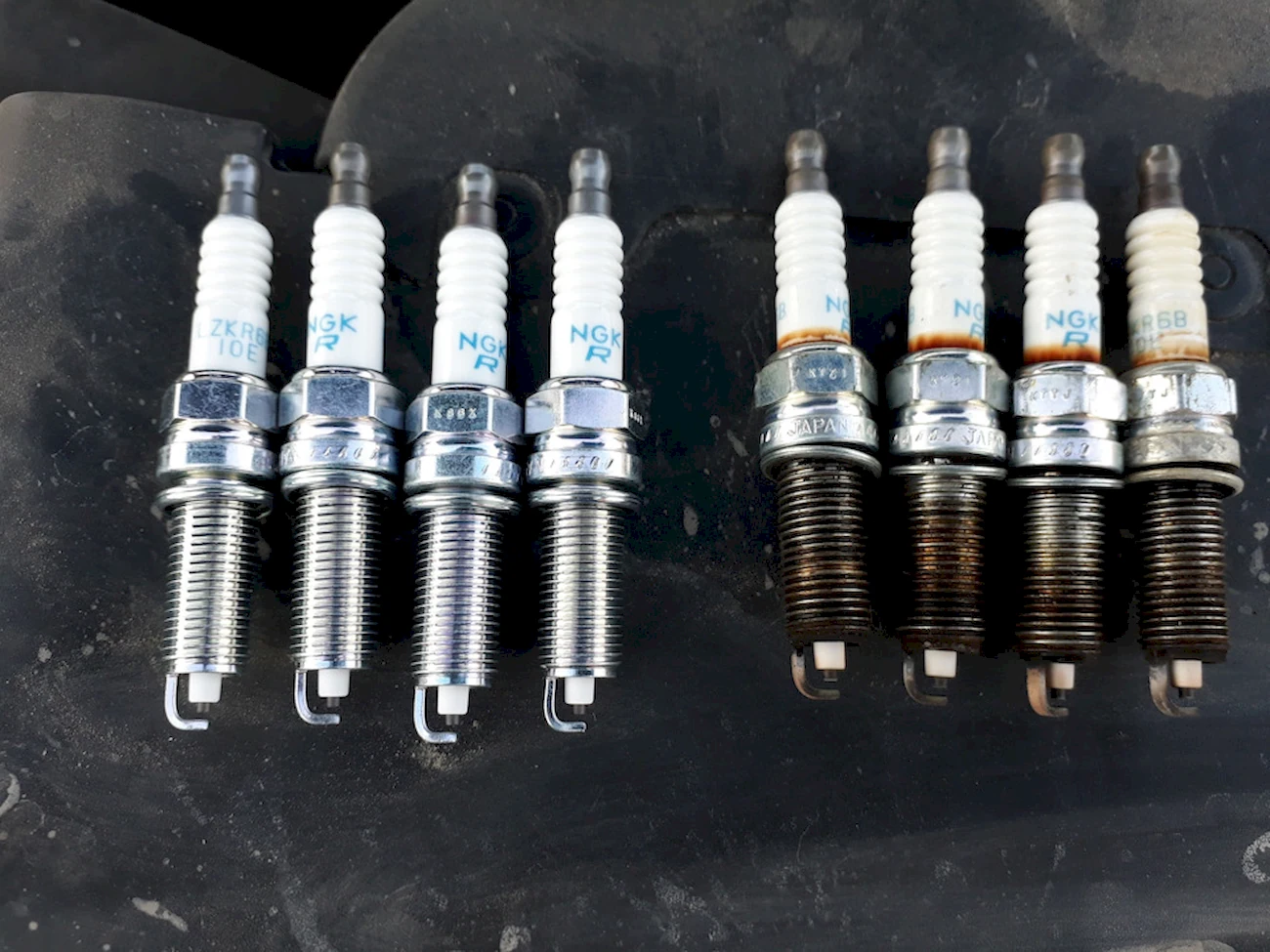
Older or worn engines tell a different story. Removing a plug often reveals oil deposits, heavy carbon buildup, or thick soot layers. Service centers usually recommend replacement immediately, though some drivers attempt cleaning first.
In certain cases, cleaning works. Light surface deposits can be wiped off with a soft cloth, or gently cleaned. For stubborn buildup, specialized cleaning solutions can dissolve residues and restore electrode function.
In practice, standard spark plugs commonly last 30,000–37,000 miles, while iridium plugs may reach up to 93,000 miles before replacement. Proper fuel and engine care remain key to maximizing their lifespan and maintaining fuel efficiency.
You may also be interested in the news:
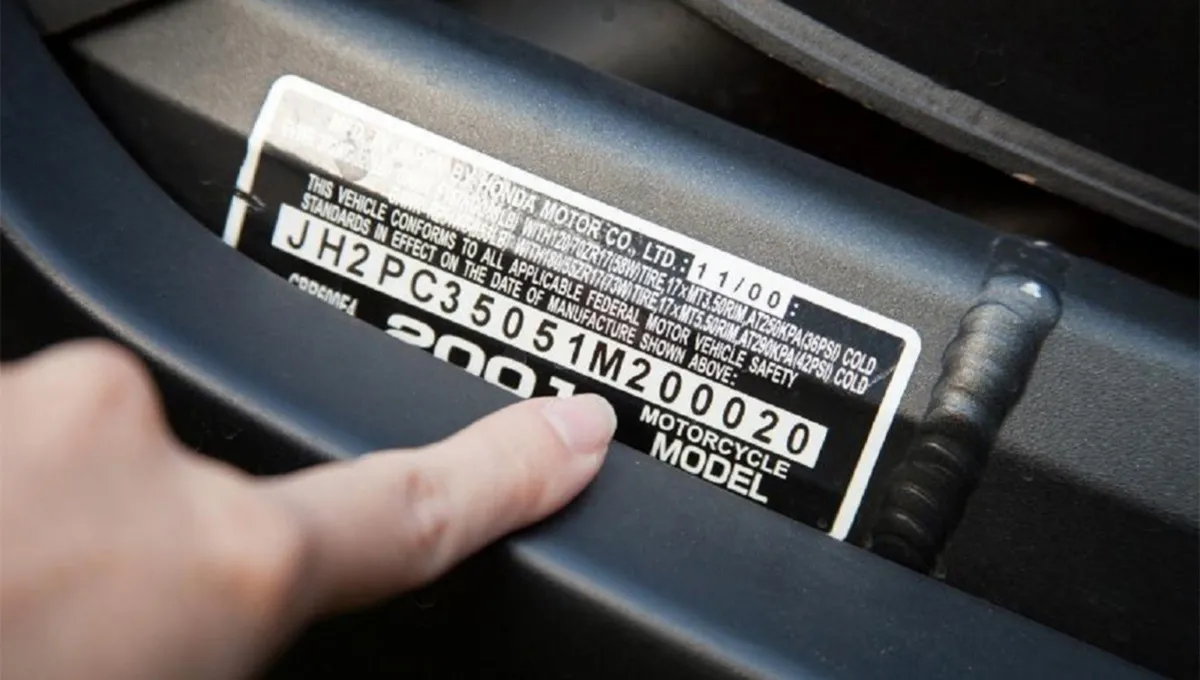
VIN-Based Auto Parts Lookup: Where Buyers Make the Most Mistakes
A VIN helps identify the right replacement part for your vehicle, but it cannot account for every change. Here’s what sellers need to know.

Why Experienced Drivers Put Socks on Their Car Mirrors in Fall: The Clever Trick Explained
An old pair of socks can help reduce frost buildup on your side mirrors overnight, saving time on cold mornings when every minute counts.

How to Clean Your Windshield Without Streaks: Experts Recommend This Simple DIY Mix
The secret to a streak-free windshield comes down to the right cleaning solution, two microfiber cloths, and the proper drying technique.

Why Some Drivers Keep Bay Leaves in Their Cars — It’s Not Just About Superstition
Can a common kitchen spice help repel bugs, freshen your car’s interior, or even help you relax behind the wheel?
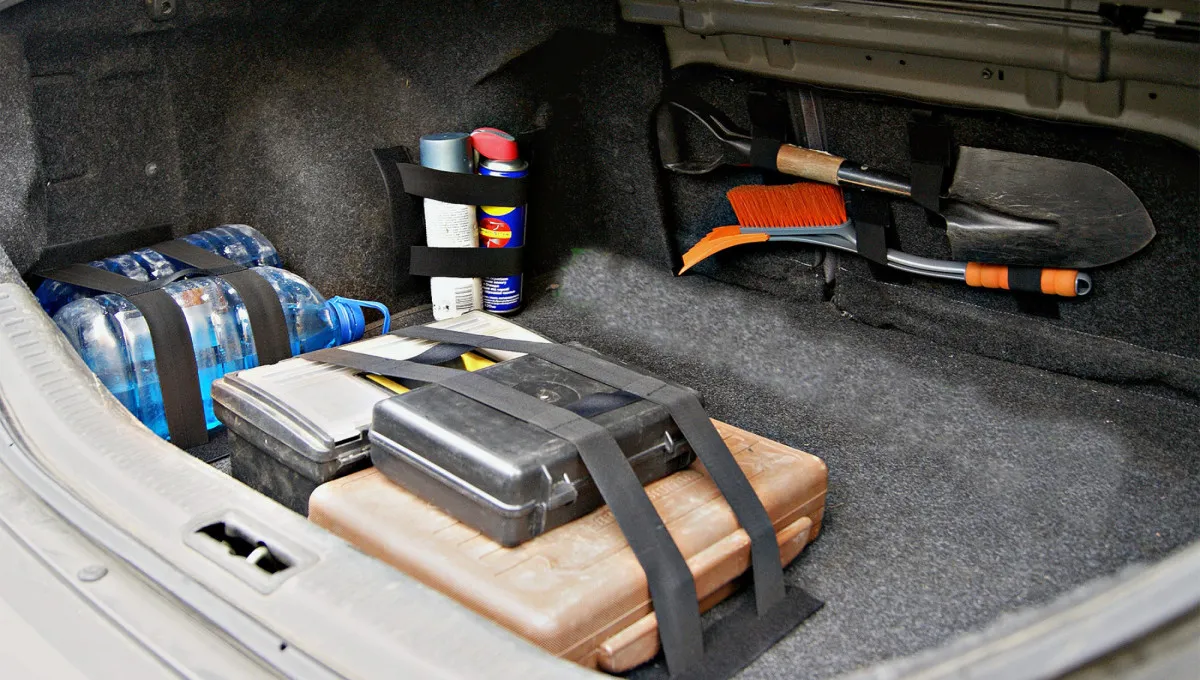
Cold Weather Can Leave You Stranded — 5 Things Every Driver Should Have in Their Car
The first hard freeze can catch drivers off guard. Here's what to keep in your vehicle and how to prepare your battery, tires, and fluids for colder weather.