
Steam Rising, Temperature in Red: How to Handle an Overheated Engine on the Road
Cool your engine safely if it overheats mid-drive: stop, ventilate, and check fluids carefully.
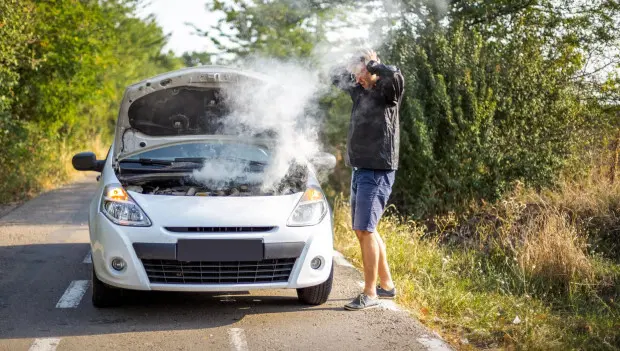
Seeing steam billow from under the hood while driving is a heart-stopping experience—even for seasoned drivers. But panic is your worst enemy; the right actions can prevent costly engine damage.
As soon as the temperature gauge creeps into the red zone, turn off the air conditioning immediately. It adds extra load to an already struggling cooling system.
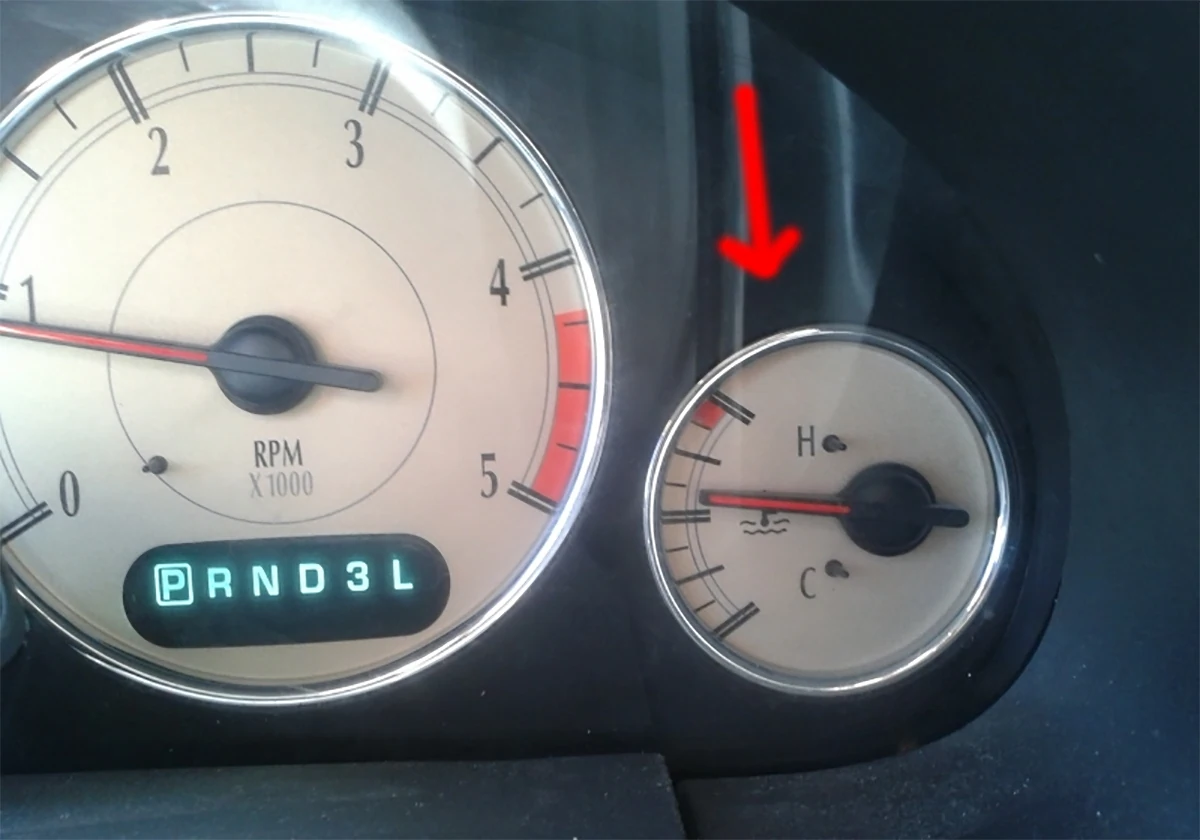
Next, do something that may feel counterintuitive on a hot day: turn the heater to maximum. The cabin will become uncomfortably warm, but the heater acts like a secondary radiator, drawing heat away from the engine. Open the windows to avoid dizziness and gain precious minutes to safely pull over.
If the heater doesn’t bring the temperature down—or if you detect a burning smell—stop immediately. Continuing to drive can severely damage the engine within just a few hundred feet. Cracked engine blocks or a blown head gasket can be extremely expensive consequences. Turn off the ignition, but do not open the hood right away. Wait at least 15–30 minutes, because scalding coolant or steam can cause serious burns when the hood is opened.
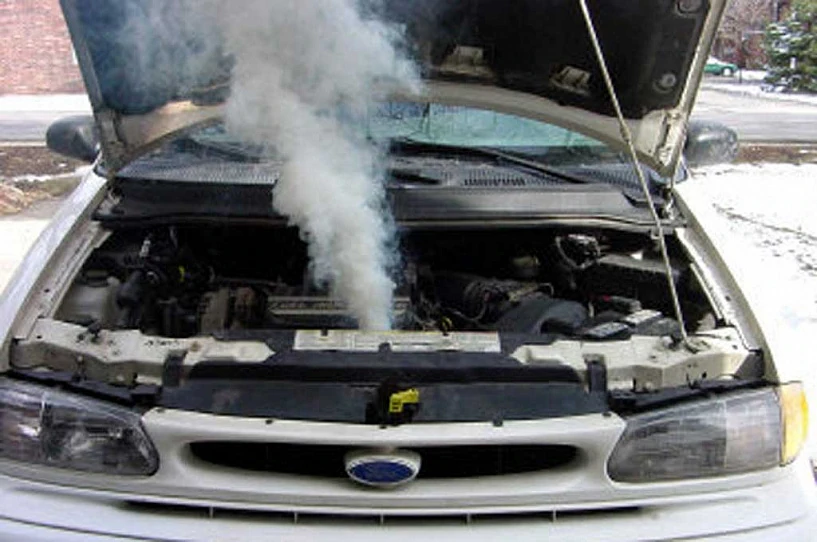
Once the engine has cooled slightly, carefully lift the hood and locate the transparent coolant reservoir, usually near the radiator. If the fluid is low, top it off with coolant—or, in an emergency, plain water. Never remove the radiator cap while the engine is hot, as the pressurized fluid can erupt violently along with steam.
After restoring coolant levels, if the temperature stabilizes, you can continue driving—but do so cautiously. Avoid hard acceleration and steep climbs. If stuck in traffic and unable to stop, shift to neutral or park and lightly rev the engine. This helps the water pump circulate coolant more effectively while the fan improves airflow.
It’s also wise to turn off unnecessary electronics—headlights, stereo, phone chargers—since every electrical load adds strain to the alternator, which in turn stresses the engine. If you have extra water, you can lightly spray the front of the radiator—but never pour water directly onto a hot exhaust manifold, as sudden temperature changes can crack it.

Remember, engines don’t overheat without a reason. Common causes include a stuck thermostat, broken water pump belt, or a radiator clogged with debris, restricting airflow. Even after a temporary fix, visit a service center promptly.
Regular inspections under the hood pay off. Cracked hoses or unusual whining from the water pump are easier to spot in your garage than on a remote highway. Keep a small emergency kit with spare coolant, water, and a clean rag—these items can turn a potentially serious breakdown into a manageable incident.
You may also be interested in the news:
Windshield Washer Fluid Frozen in the Reservoir? Here’s How to Thaw It
A frozen washer system can catch drivers off guard, especially when a cold morning reveals that yesterday’s windshield washer suddenly stopped working.
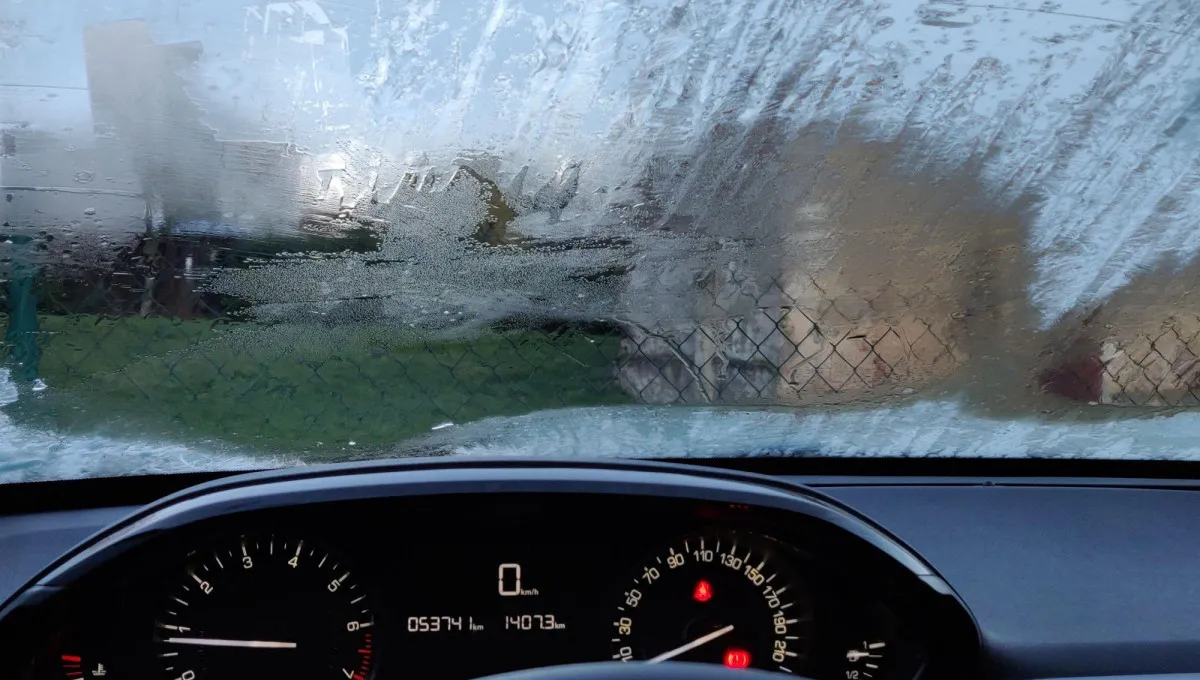
One Car Button Can Make Your Windows Fog Up Faster: What Not to Do in the Rain
Moisture brought into the cabin by drivers and passengers can linger in the air and settle on cold windows, reducing visibility.
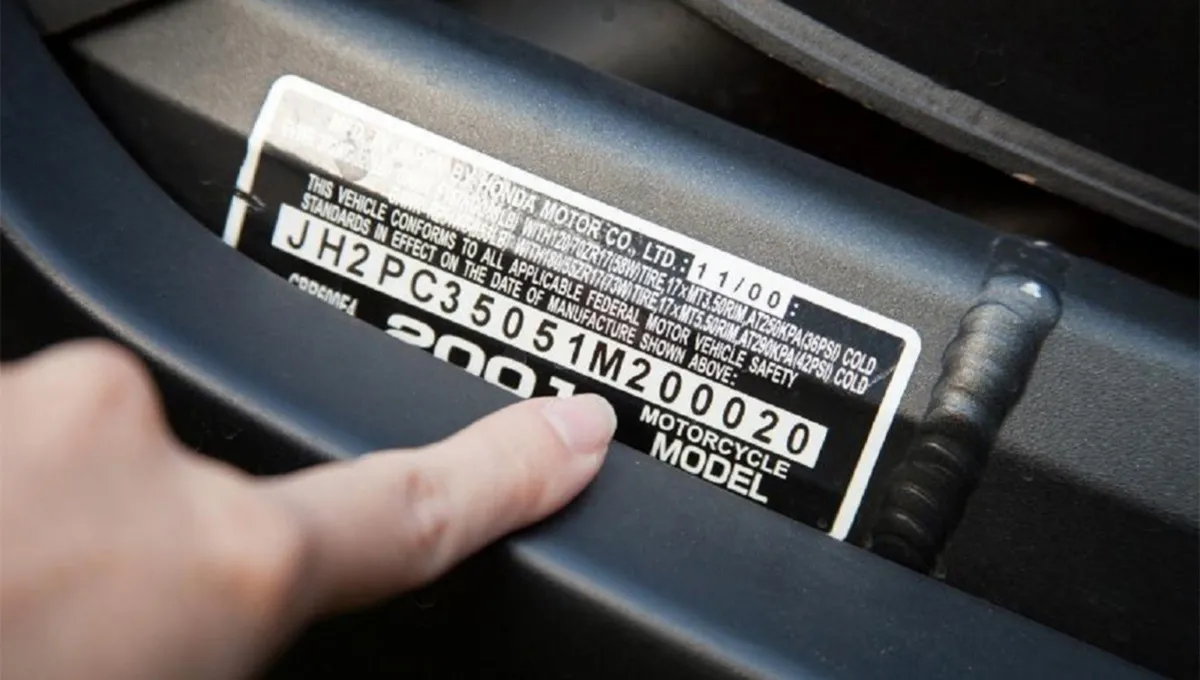
VIN-Based Auto Parts Lookup: Where Buyers Make the Most Mistakes
A VIN helps identify the right replacement part for your vehicle, but it cannot account for every change. Here’s what sellers need to know.
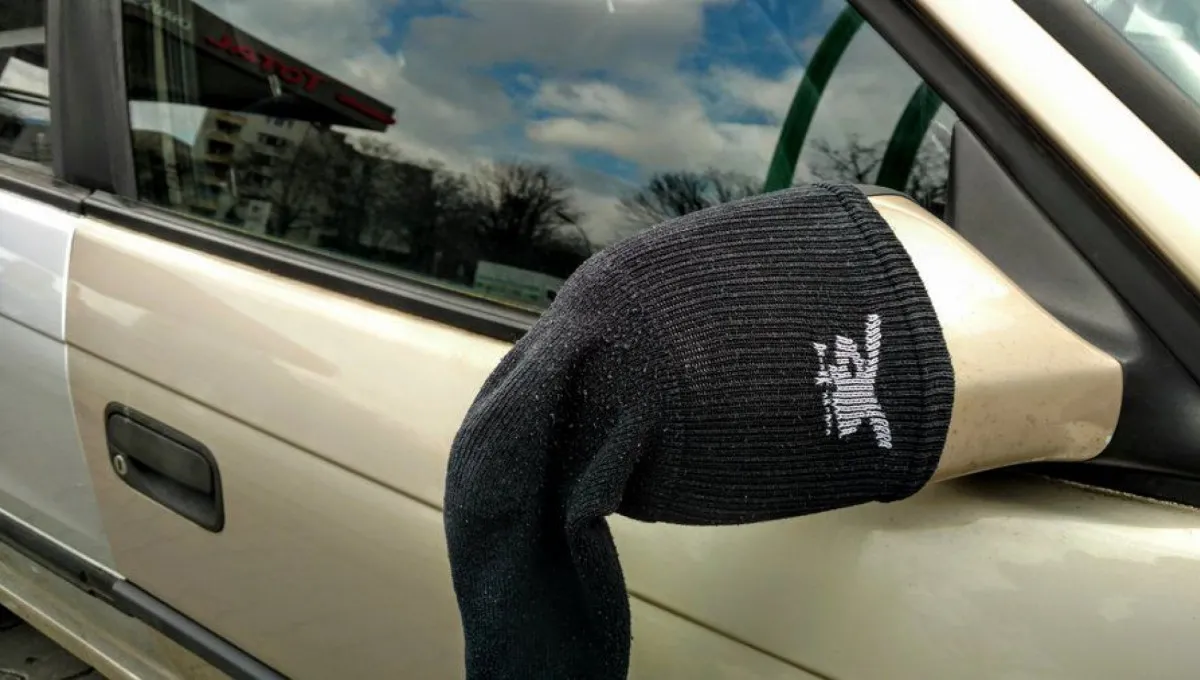
Why Experienced Drivers Put Socks on Their Car Mirrors in Fall: The Clever Trick Explained
An old pair of socks can help reduce frost buildup on your side mirrors overnight, saving time on cold mornings when every minute counts.
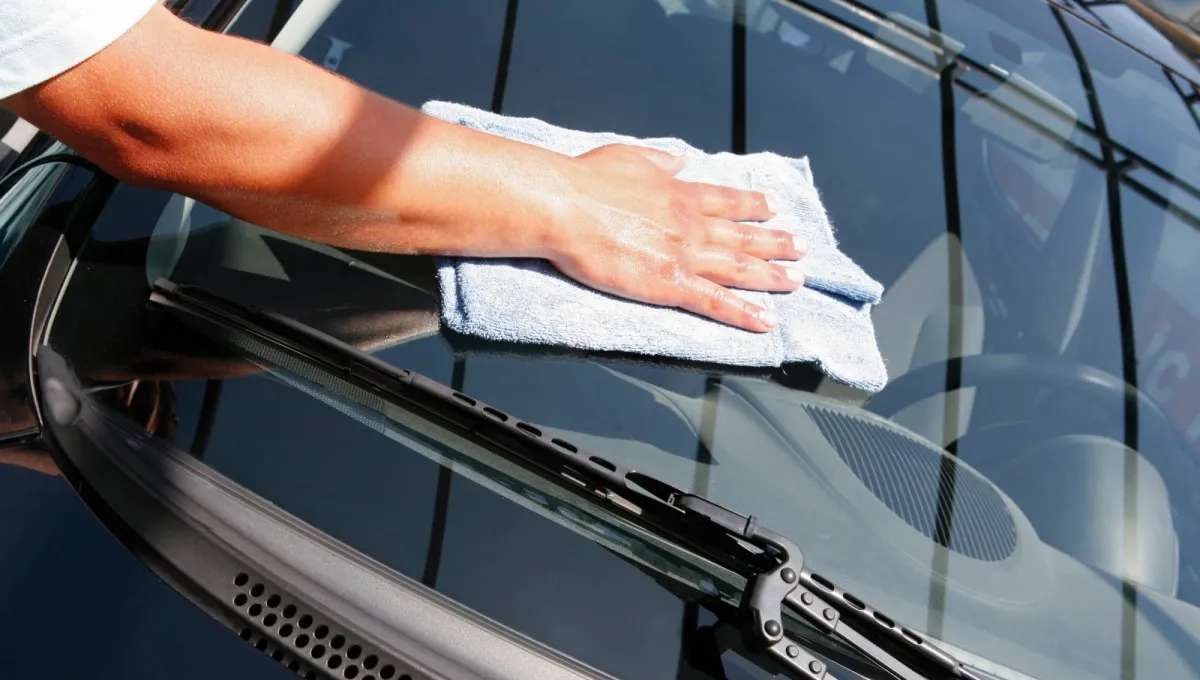
How to Clean Your Windshield Without Streaks: Experts Recommend This Simple DIY Mix
The secret to a streak-free windshield comes down to the right cleaning solution, two microfiber cloths, and the proper drying technique.