
Autobianchi A112 Runabout: A Boat on Wheels That Became a Production Car
Bertone built this concept to win a contract for a new sports car design. It ultimately gave rise to the production Fiat X1/9.
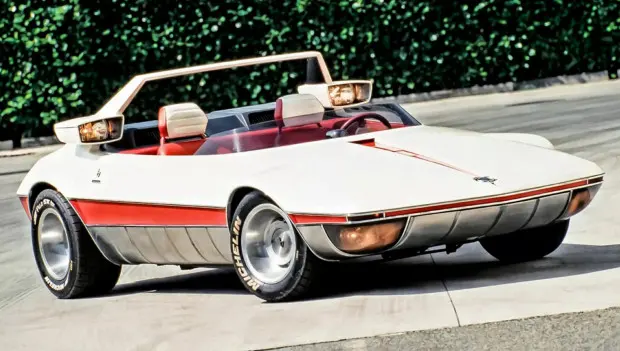
This car looks as if it’s caught somewhere between water and land. The slightly odd-looking Italian barchetta is known as the Bertone Runabout—though it would be more accurate to call it the Autobianchi Runabout. After all, it proudly wears Autobianchi’s stylized “A” badge on its sharply pointed nose.
The unusual two-door concept from design house Bertone debuted at the 1969 Turin Motor Show and appears to be split horizontally by an imaginary waterline. Below that line, it resembles an amphibious vehicle; above it, a motorboat or speedboat.
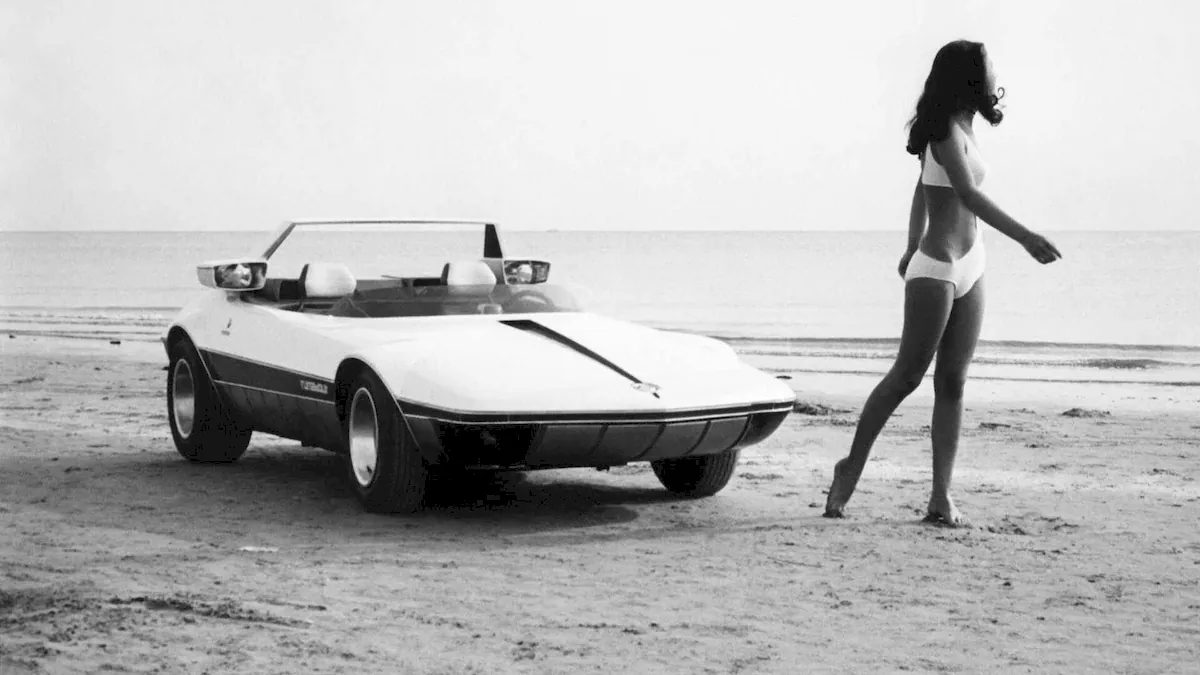
With this approach, designer Marcello Gandini blended the spirit of compact leisure boats popular in the 1960s with the emerging fashion for convertibles, roadsters, and spiders that would soon follow.
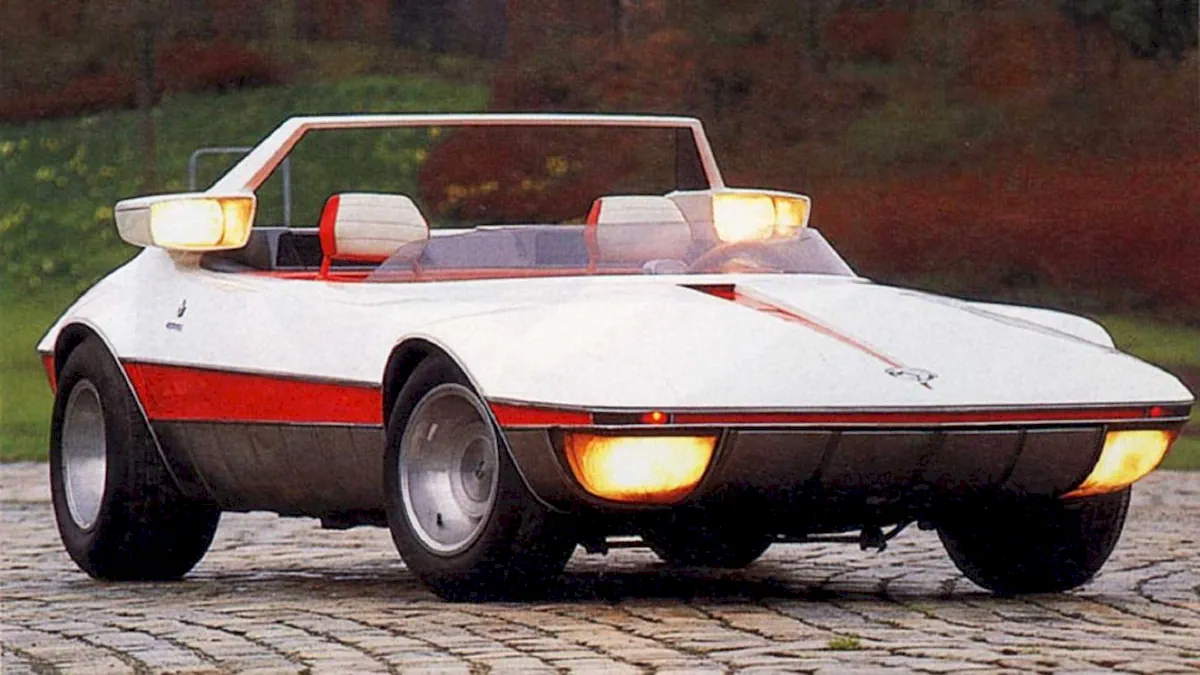
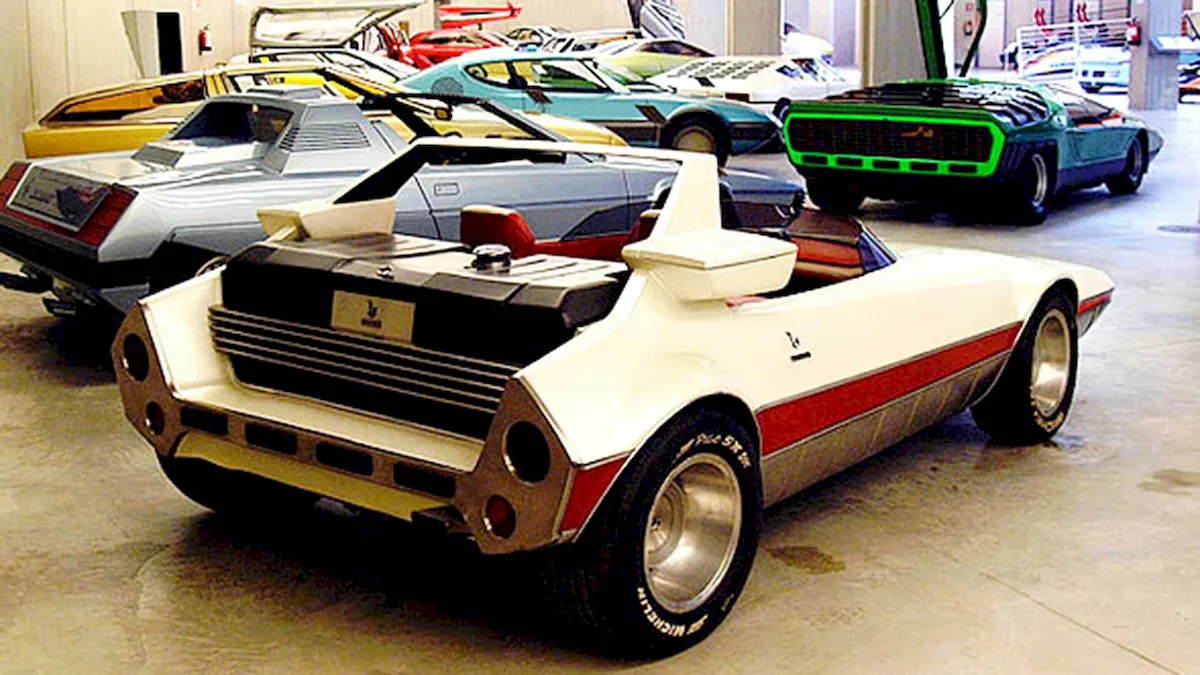
Beyond its white paint, several details further link the concept to watercraft. Behind the cockpit with its red leather seats sits a tall roll bar, reminiscent of a marine design. Headlights are mounted on either side of it and automatically adjust their angle depending on vehicle load. At the rear—where the engine is positioned, as on a real boat—there’s a distinctive flat platform, the kind you’d normally dive from, or where sunbathers in swimsuits might lounge.
Still With Us
Remarkably, this long-forgotten concept car has survived. In 2015, when the famed Bertone studio shut down following bankruptcy, the A112 Runabout was acquired by Italy’s Automotoclub Storico Italiano (ASI), along with 78 other prototypes from the Bertone museum.
Gandini’s Signature Style
The Runabout clearly showcases the design language typical of Bertone’s chief designer at the time, Marcello Gandini. That includes a pronounced wedge-shaped profile, rounded wheel arches, and a sharply truncated rear with minimal overhang. The same design DNA can be seen in other iconic creations from that era, such as the Lancia Stratos HF, the 1971 Lamborghini Countach, and the 1973 NSU Trapeze.
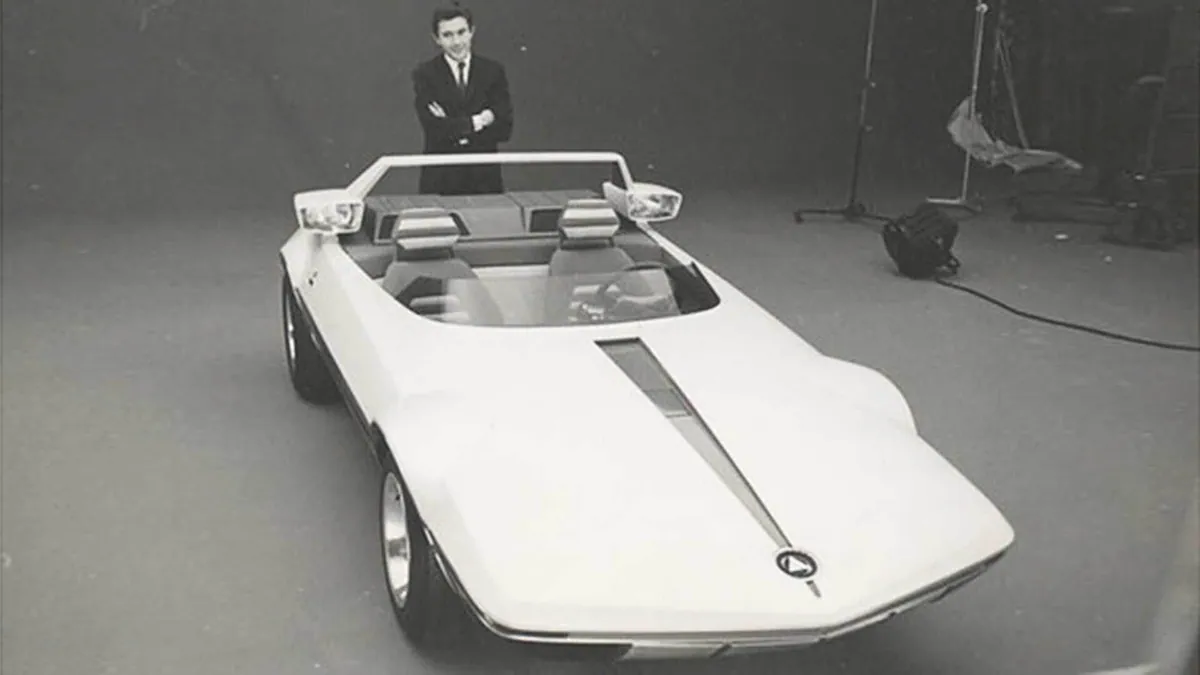
The resemblance is also evident in the Fiat X1/9 production model that appeared three years later. In fact, the Runabout was conceived from the outset as a preview of that car. After successfully launching the front-wheel-drive Fiat 128 in the late 1960s, Fiat urgently needed a new sports car to replace the aging 850 Coupe.
Powered by Fiat 128 Hardware
Anticipating this demand—and hoping to secure a design contract from the Italian auto giant—Nuccio Bertone ordered the concept to be developed ahead of time. The strategy worked. Fiat executives, impressed by the roofless, windshield-free Autobianchi Runabout barchetta, soon approached Bertone with a proposal for collaboration.
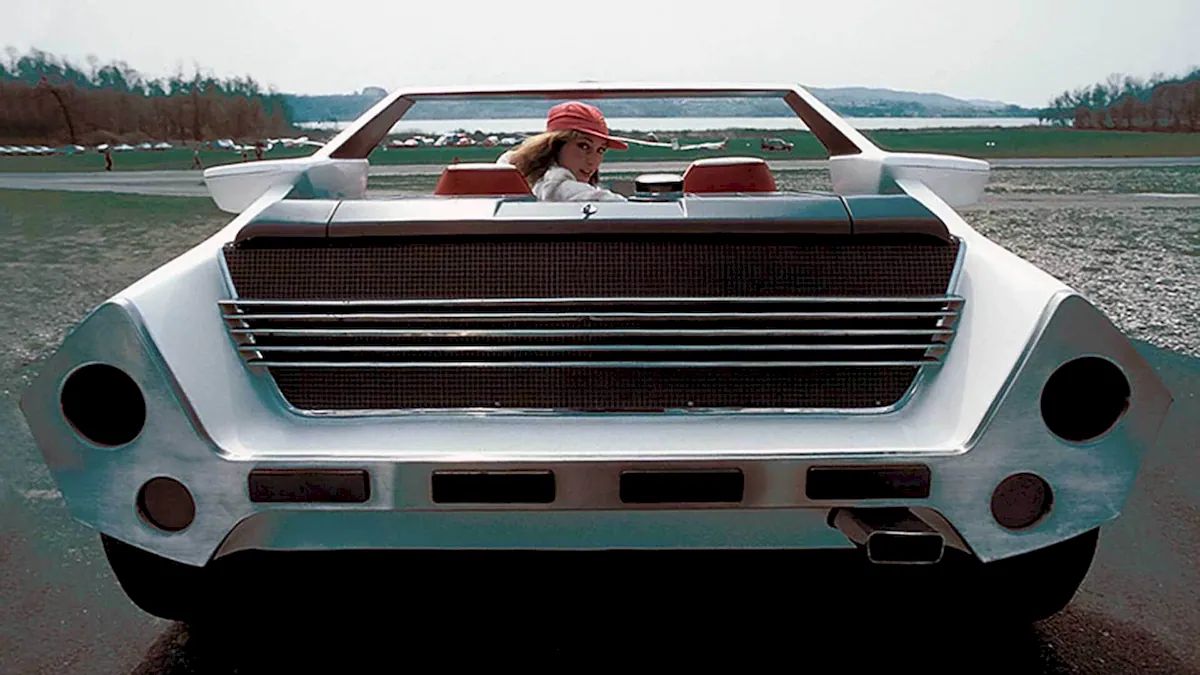
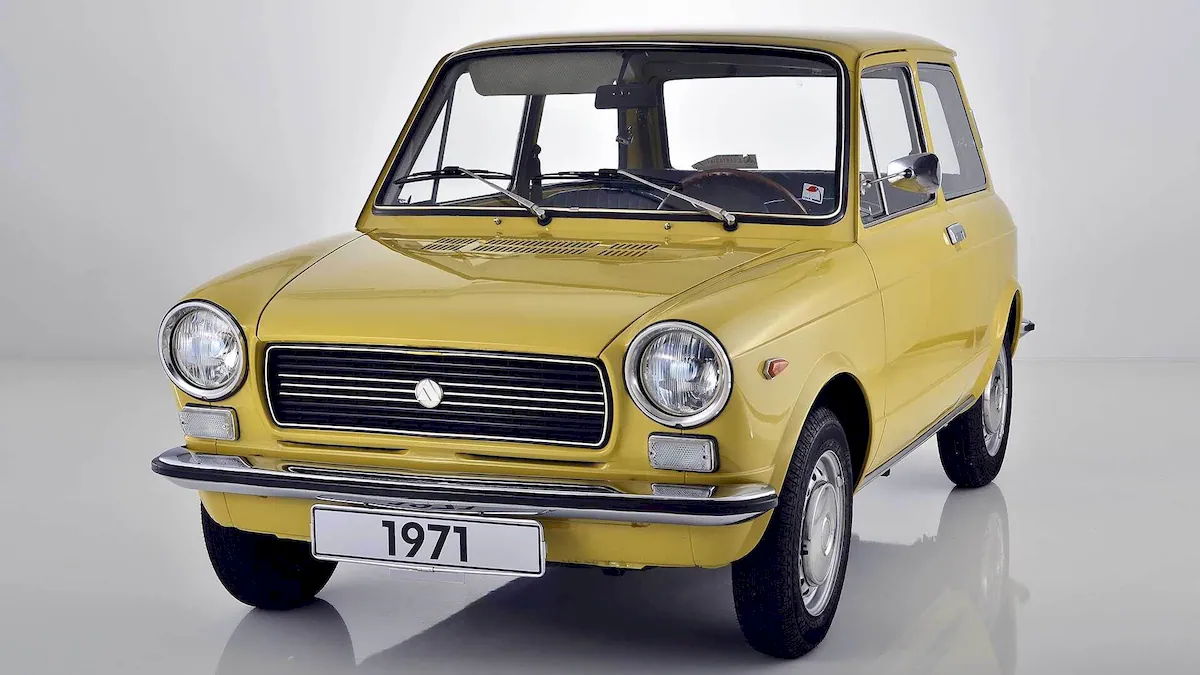
Another advantage was the concept’s familiar mechanical foundation. The “boat on wheels” was built on the front-wheel-drive chassis of the Autobianchi A112, a model from Fiat’s subsidiary brand.
The A112 itself was Italy’s answer to Alec Issigonis’ Mini. The mid-engine, rear-wheel-drive prototype used a 1.1-liter inline-four paired with a four-speed manual transmission, borrowed directly from the Fiat 128. That same platform later formed the basis for the production Fiat X1/9, whose development was entrusted to Bertone.
A Missed Opportunity
The Autobianchi A112 Runabout is a unique representative of a brand that no longer exists. After being absorbed into Lancia in 1989, Autobianchi was officially discontinued in 1995. Along with the beach-buggy-style A112 Giovani, the Runabout was among the last prototypes from the Milan-based company, once known for its small cars that tested advanced technologies for future Fiat production models.
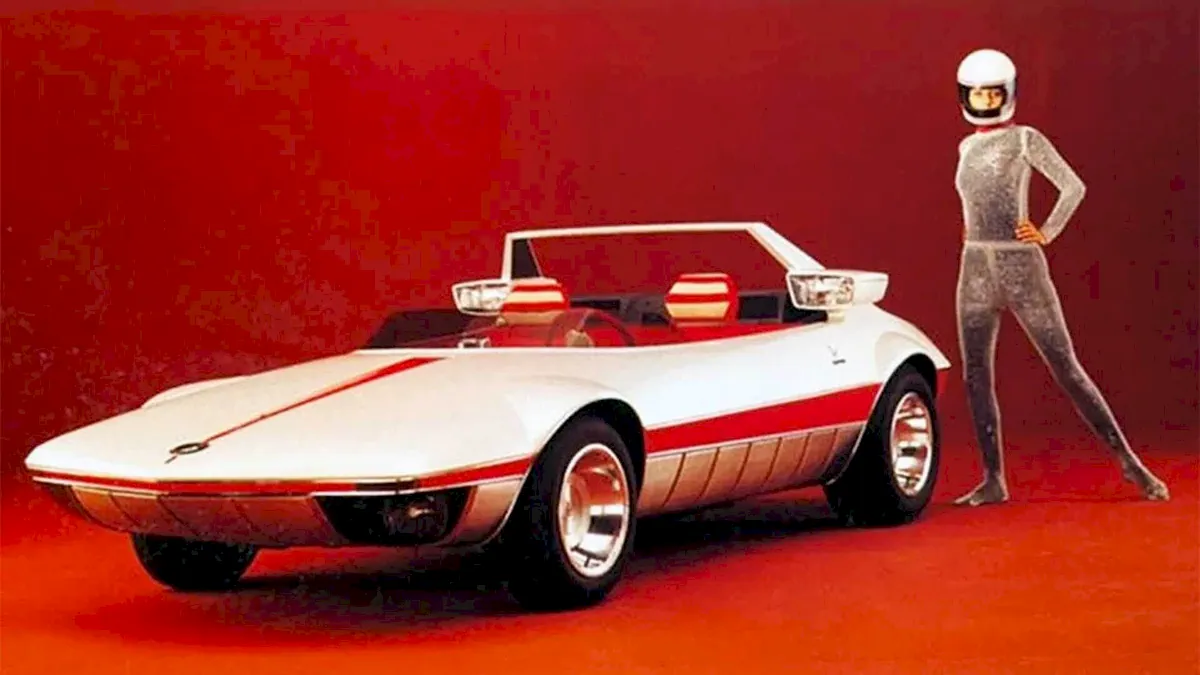
It also represented a missed opportunity. Autobianchi could have launched its own striking spider—one that might have proven far more successful than the fiberglass-bodied Autobianchi Stellina, which lasted only a couple of years on the assembly line. Unfortunately, that chance was never taken.
You may also be interested in the news:
These 8 Cars Went Over 1 Million Miles — They Just Don’t Build Them Like They Used To
Some cars outlast generations of owners, proving that careful maintenance and durable engineering can deliver extraordinary mileage.
The 1957 Dodge: How “Autodynamics” Shaped One of Detroit’s Boldest Designs
The 1957 Dodge Looked Like a Dream Car, but Its Biggest Flaw Was Hiding Beneath the Surface.
The 1937 Ford Was a Quality Car at an Affordable Price — Here’s What Made It Stand Out
The 1937 Ford featured several major changes and improvements. Let’s take a closer look.
Two Ferrari F40s Spotted on Google Maps Turn Out to Be Pontiac Fiero Replicas
Two Ferrari F40 lookalikes spotted on Google Maps in Spain turned out to be replicas built on an American sports car.
Your Speedometer Says 65 MPH, but Your GPS Says 62 — Here’s Why Your Car Does That
Your speedometer reads 65 mph, but your GPS says 62 mph. Here’s why the numbers rarely match.