
Hard to Beat for Reliability: Cars With Engines Capable of Up to 280,000 Miles Without Major Failures
When shopping for a new—or lightly used—car, there’s little point obsessing over suspension tuning or steering feel. These days, most brands are more or less on the same level there.
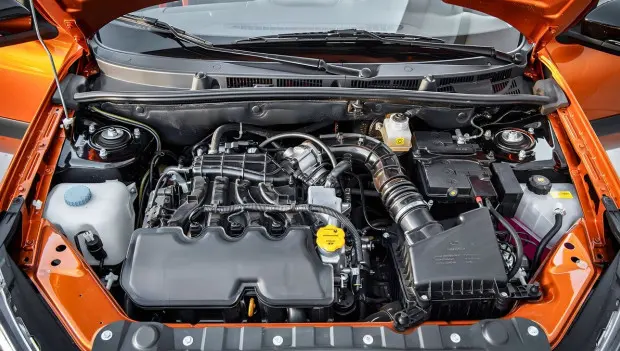
Today, let’s talk about how to choose a car based on the engine—so you don’t end up haunting owner forums asking, “Why is my oil disappearing like it fell into a black hole?”
Right away, let’s clear something up. When buying a new or nearly new car, you don’t need to overthink the suspension, chassis, or steering setup. Across most brands, those things are fairly comparable now. The real question is simple: what’s under the hood?
Volkswagen 2.0 TSI EA888 — Gen 3
Engine codes: CHHA, CHHB, CJX, CULA, DKZA, DKTB, DNUE
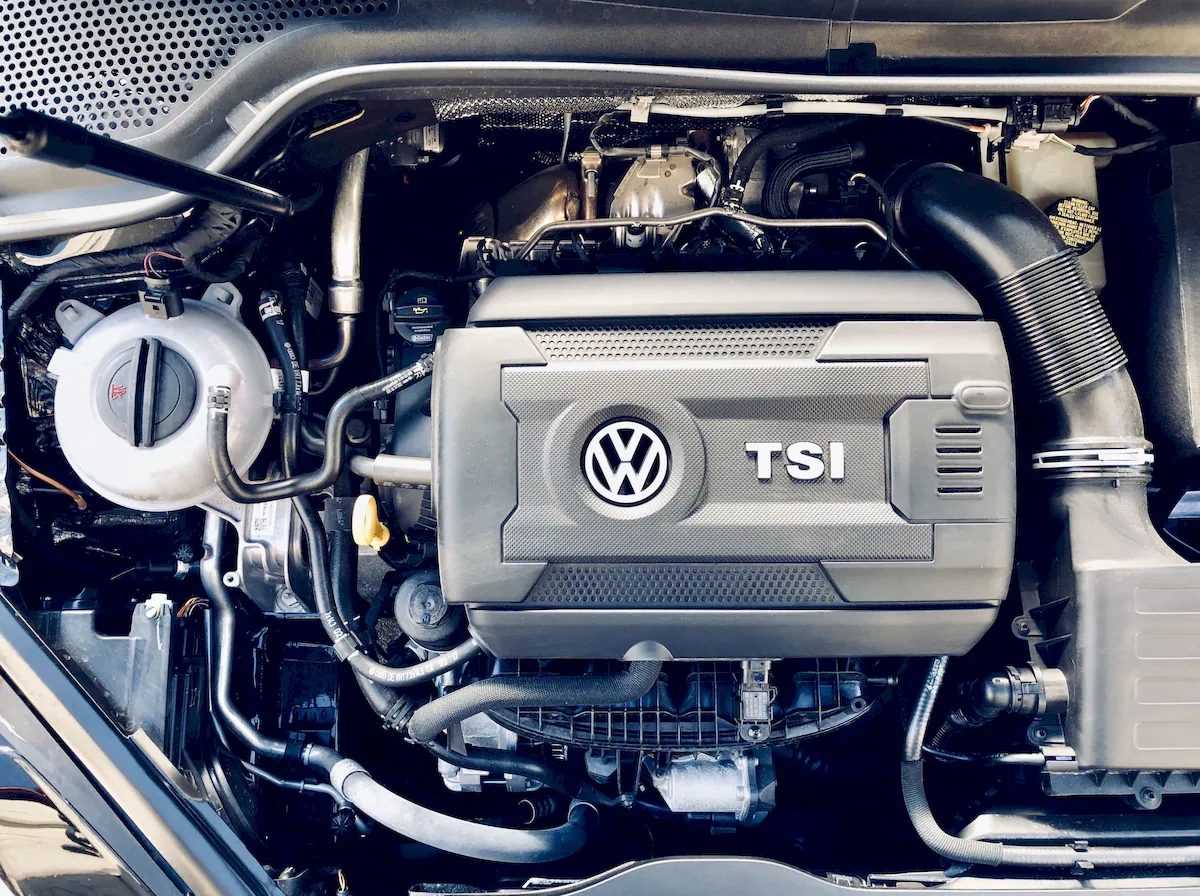
Yes, the Germans know how to build solid engines. The EA888 family is one of VW’s better success stories. Reliability is high—as long as you stay on top of maintenance.
Expected lifespan is up to about 300,000 miles, though it can be less if you cheap out on oil or skip scheduled services. Treat it right, and it will return the favor.
Nissan HR16DE
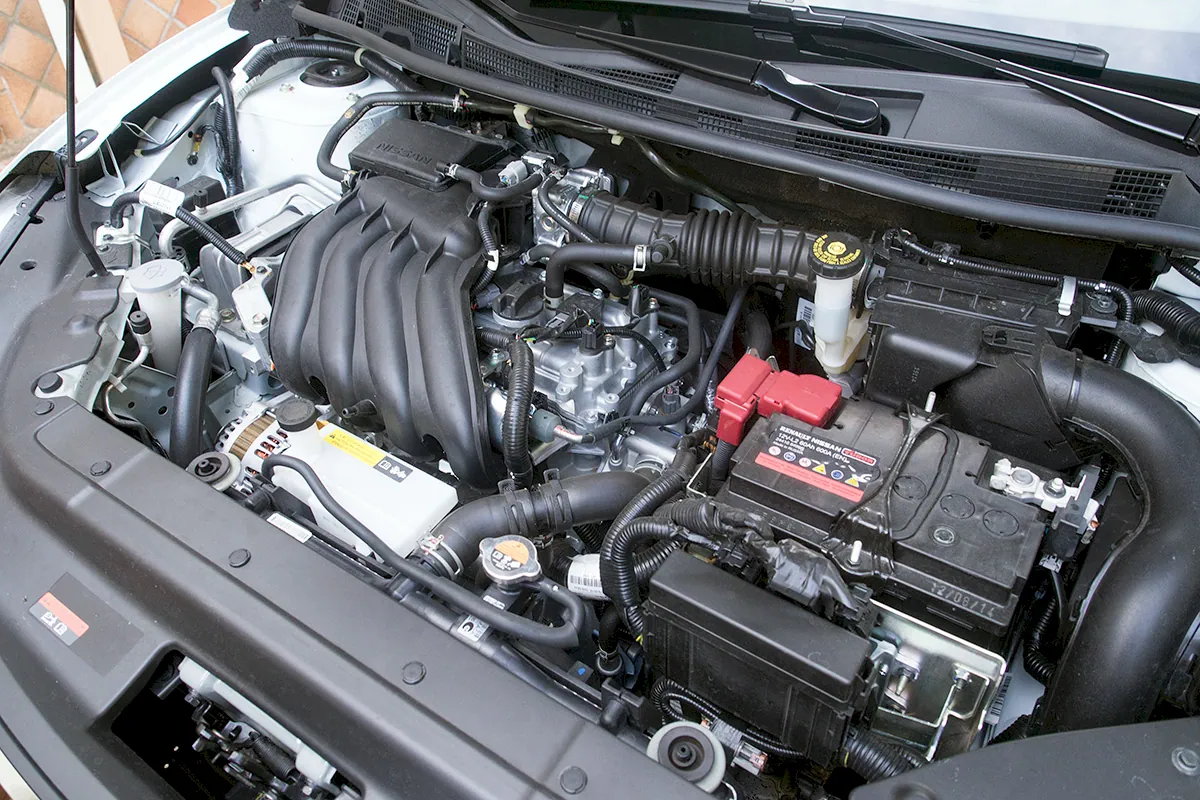
Nissan’s 1.6-liter HR16DE is an engine that likes highway driving and hates being babied. It makes about 120 horsepower, has no turbo, a simple layout, and a realistic lifespan of 155,000–170,000 miles.
It enjoys higher revs and absolutely despises lugging along in top gear at low speeds. After around 90,000 miles, it may start using some oil, but nothing catastrophic. Spark plug replacement can be a chore, so don’t let maintenance slide.
Toyota 4GR-FSE
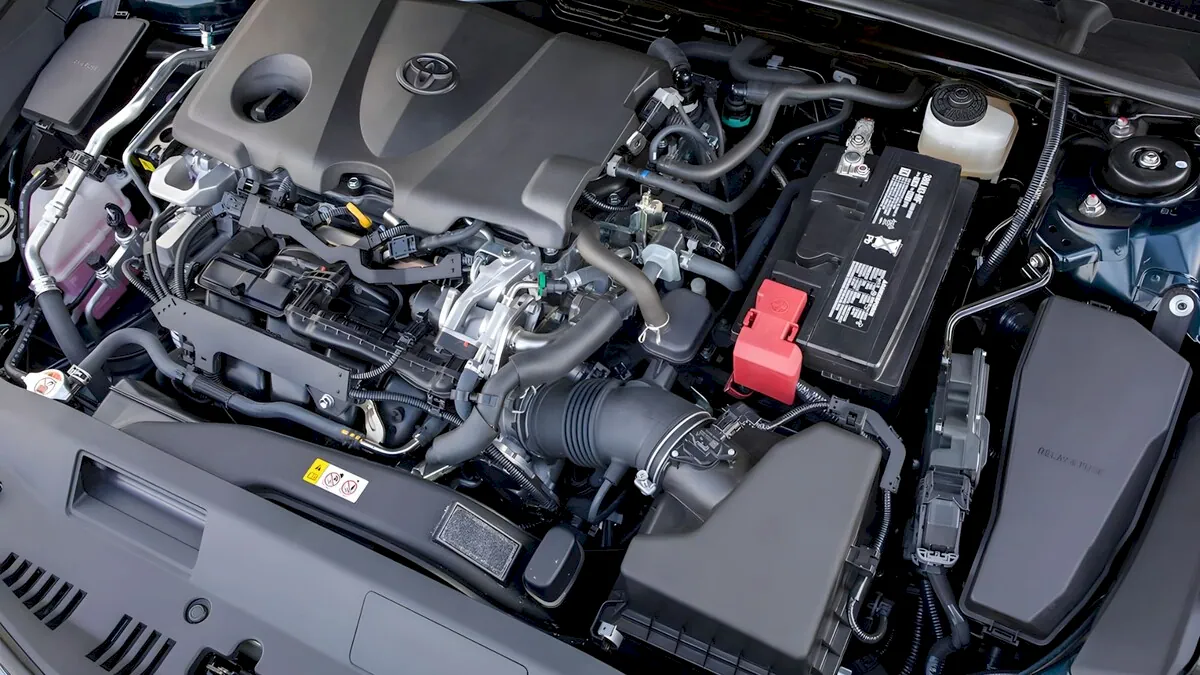
Here, there’s really only one thing to say: Toyota’s engineers pulled it off again.
A 2.5-liter, 200-horsepower engine with direct injection, VVT-i, and lots of aluminum—basically a checklist of everything people warn you about. And yet, it can run up to 280,000 miles.
The weak points are few: the water pump and moderate oil consumption once mileage climbs past roughly 125,000 miles. That’s about it.
How Toyota managed to make something this complex and still this durable is the million-dollar question. Maybe it’s production discipline. Maybe it’s engineering culture. Or maybe it’s some kind of Japanese mechanical zen the rest of the world still hasn’t cracked.
Think with your head, not the horsepower numbers
When choosing a car, remember this: not everything that’s fast is reliable, and not everything that’s boring is bad. Sometimes an old-school, naturally aspirated engine with modest output will quietly rack up 300,000 miles and bow out with dignity.
Meanwhile, a trendy, highly boosted turbo motor can turn into an expensive headache the moment the warranty runs out. Trust the hardware, not the marketing—and may your engine run long, smooth, and drama-free.
You may also be interested in the news:

What Does a Flashing Red Traffic Light Mean? Can You Keep Driving?
Drivers must come to a complete stop at the stop line before deciding whether it is safe to proceed.
5 of the Most Beautiful Chevrolet Cars: Timeless Designs With Stunning Silhouettes
Which Chevrolet models deserve to be called the most beautiful?
Nissan Restarts US-Made Murano, Pathfinder, Frontier Sales in Canada
Nissan resumed Canadian sales of three U.S.-built models, but tariffs keep supply below earlier levels.
Why You Should Check a Tire’s Manufacturing Date Before Buying
Tire buyers should check more than size, tread, and brand because rubber changes with age, even without visible wear.

Your Car Sat for a Few Days and Won’t Start: What Could Be Draining the Battery
Your car can sit for days and still drain its battery, even when everything appears switched off.