
How Long You Need to Drive in Winter to Recharge Your Car Battery
In winter, drivers often notice a puzzling situation: yesterday the car started without any trouble, but today the starter barely turns over.
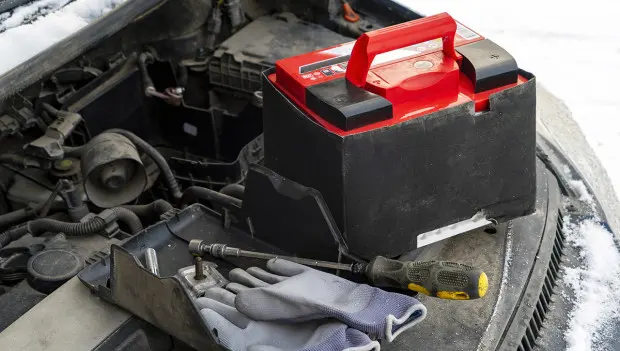
In winter, drivers often notice a puzzling situation: yesterday the car started without any trouble, but today the starter barely turns over — even with a relatively new battery. As the automotive site auto30.com explains, the reason is almost always the same: the battery isn’t getting enough charge. There simply isn’t enough energy to confidently crank the engine when it’s cold.
In summer, this problem is rarely noticeable. Warm air helps the battery perform better, the engine starts more easily, and the oil remains fluid, offering little resistance. But once temperatures drop below freezing, everything changes. The engine puts up more resistance, while the battery’s capabilities decline sharply. At around –4°F, even a brand-new battery can deliver only a fraction of the energy it provides in warm conditions. The older the battery, the more pronounced this effect becomes.
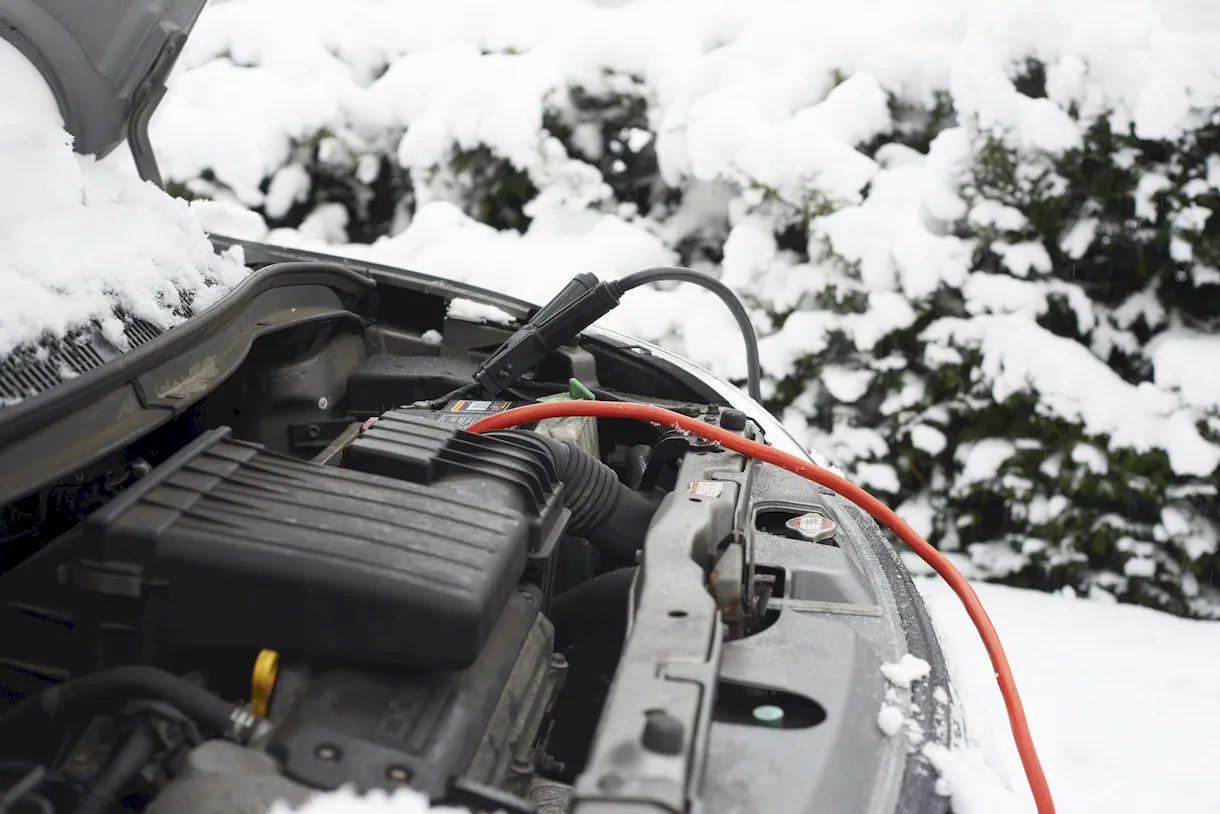
Short trips are a separate issue altogether. When a car is used mainly for “home–store–home” runs, the battery doesn’t have time to recover its charge. In summer, most drivers don’t notice this: the alternator quickly makes up for the losses. In winter, it’s a different story. Cold temperatures slow the charging process dramatically. Real charging begins only after the engine compartment warms up; before that, the alternator barely charges the battery at all.
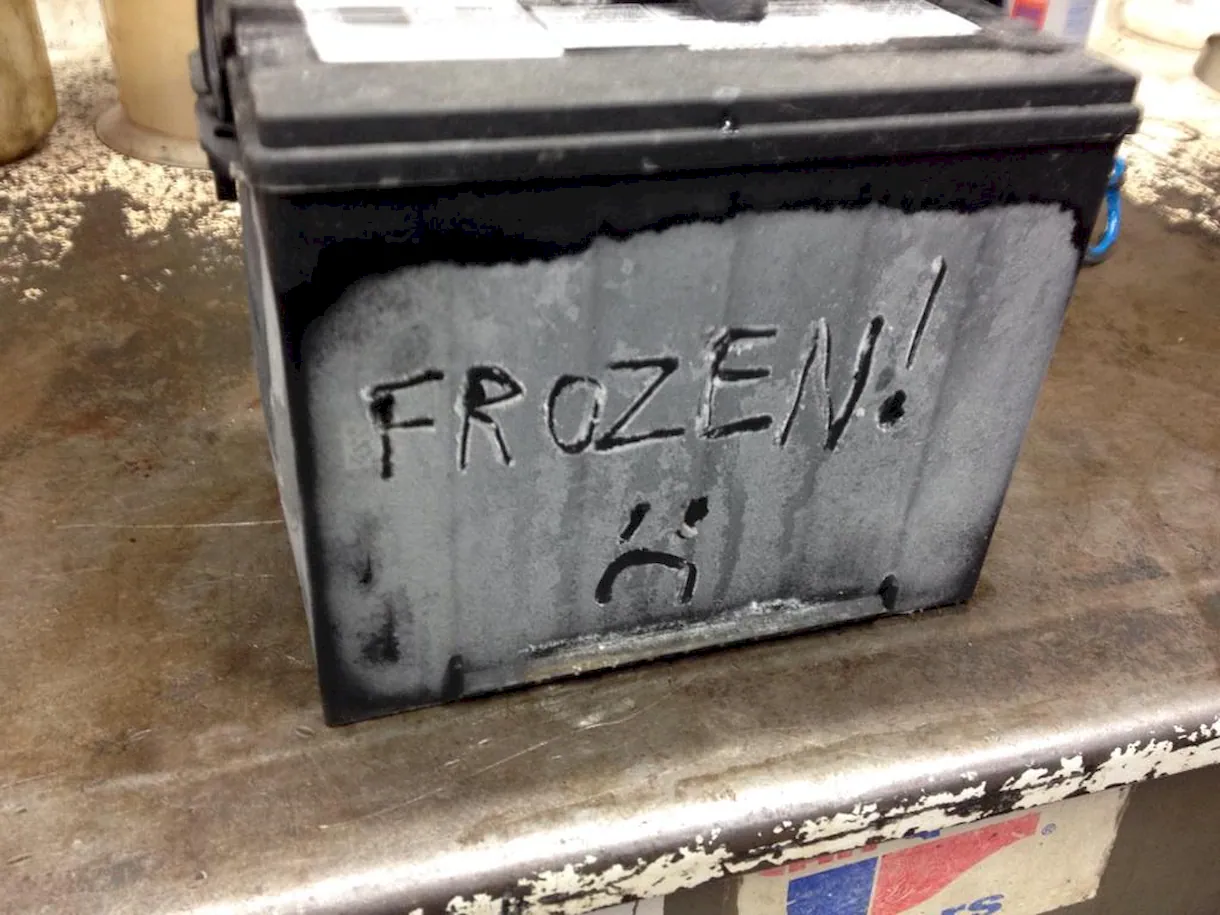
When a car is used mostly for short trips, the battery takes a beating. Every engine start consumes a noticeable amount of energy, and a few minutes of driving aren’t enough to replenish it. Over time, a chronic energy deficit develops. At first it’s barely noticeable, but eventually the battery loses capacity, ages faster, and struggles more and more to turn the starter.
There are only two real solutions: either regularly connect the battery to a charger, or occasionally change your driving routine and take longer trips. After a cold start, the battery isn’t immediately ready to accept a charge. At around –4°F, it takes 15–20 minutes of engine operation just to recover the energy used to start the engine. During this time, the battery slowly warms up, and the charging process becomes more effective.
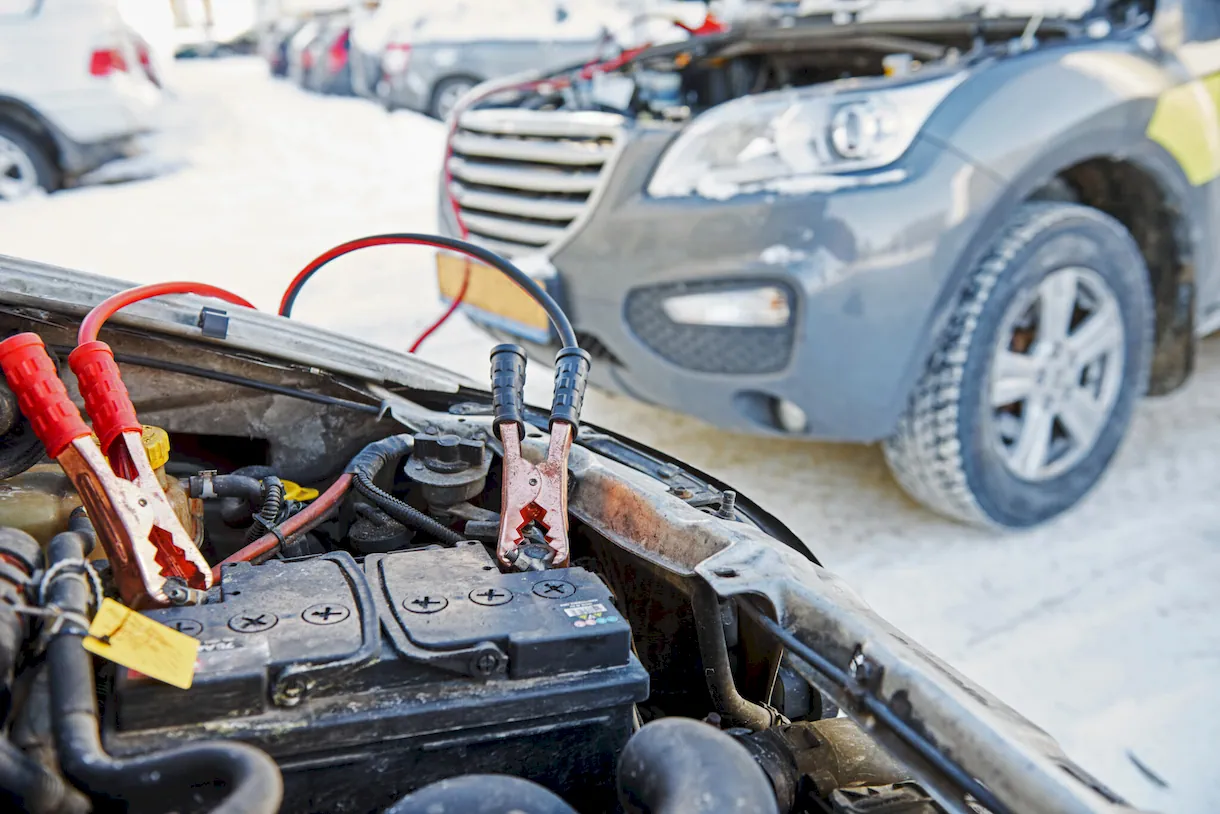
Even then, the problem isn’t fully solved. Any previous undercharging remains. It doesn’t disappear on its own. Real-world experience shows that at around –4°F, it can take up to two hours of city driving to bring the battery close to a full charge. During this time, the battery warms up and restores lost capacity. To fully charge it, at least an hour of highway driving is usually required — and the colder it is, the more time that will be needed.
There’s another nuance to consider. In cars with direct fuel injection, short winter trips can allow some fuel to seep into the engine oil. The engine doesn’t fully warm up, causing the oil to lubricate less effectively and degrade faster. The only way to fix this is with a longer drive that allows the engine to reach proper operating temperature.
If nothing changes, the outcome is predictable: the battery fails earlier than it should, and cold starts become a real problem. That said, there’s no need to drive long distances all the time. In winter, simply recharging the battery once a month is often enough to prevent short trips from causing serious damage.
You may also be interested in the news:
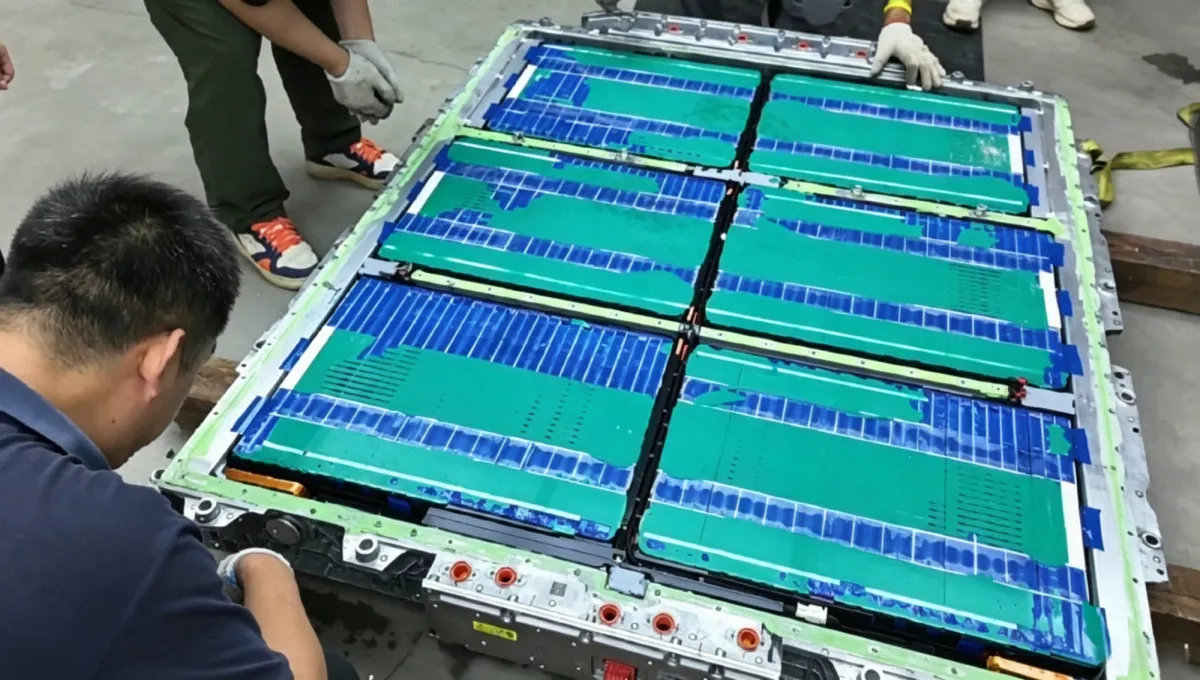
BYD Patents a Battery That Is Cooled by Literally Submerging It in Liquid
A new BYD patent describes a battery architecture that uses dielectric fluid to cool battery modules while keeping electrical components dry.
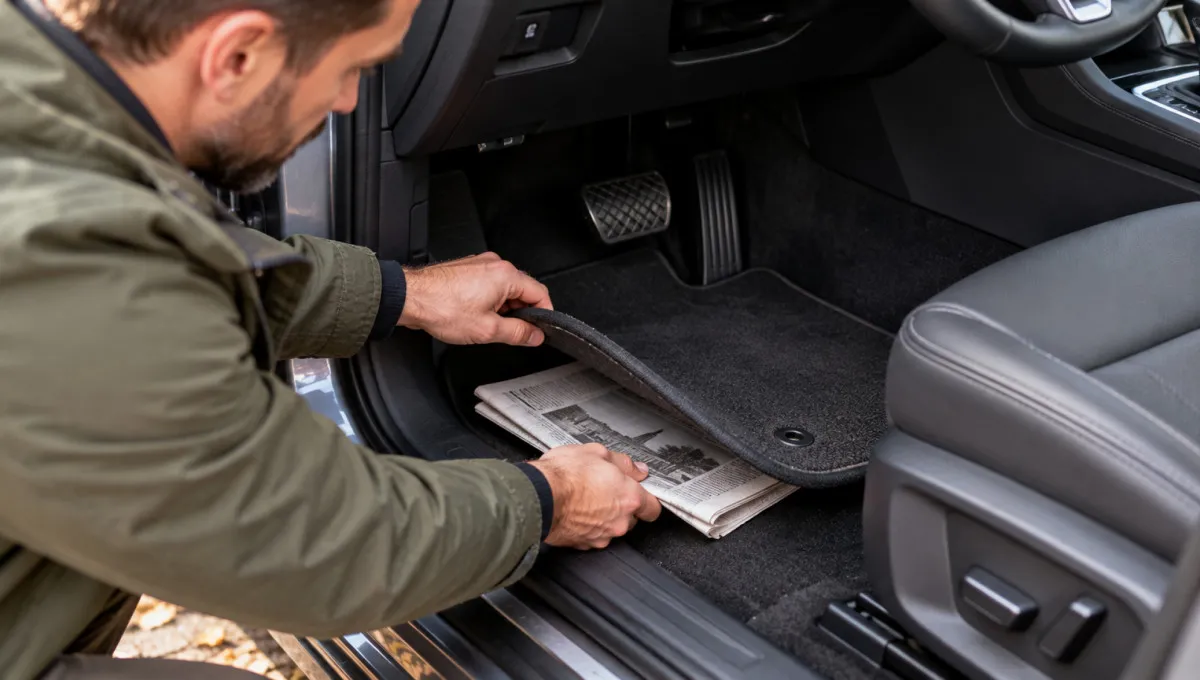
When the First Freeze Hits, Put Newspaper Under Your Floor Mat: An Old Winter Driving Trick
Newspaper under a floor mat can help protect a car's floor from winter moisture, but it requires regular attention.
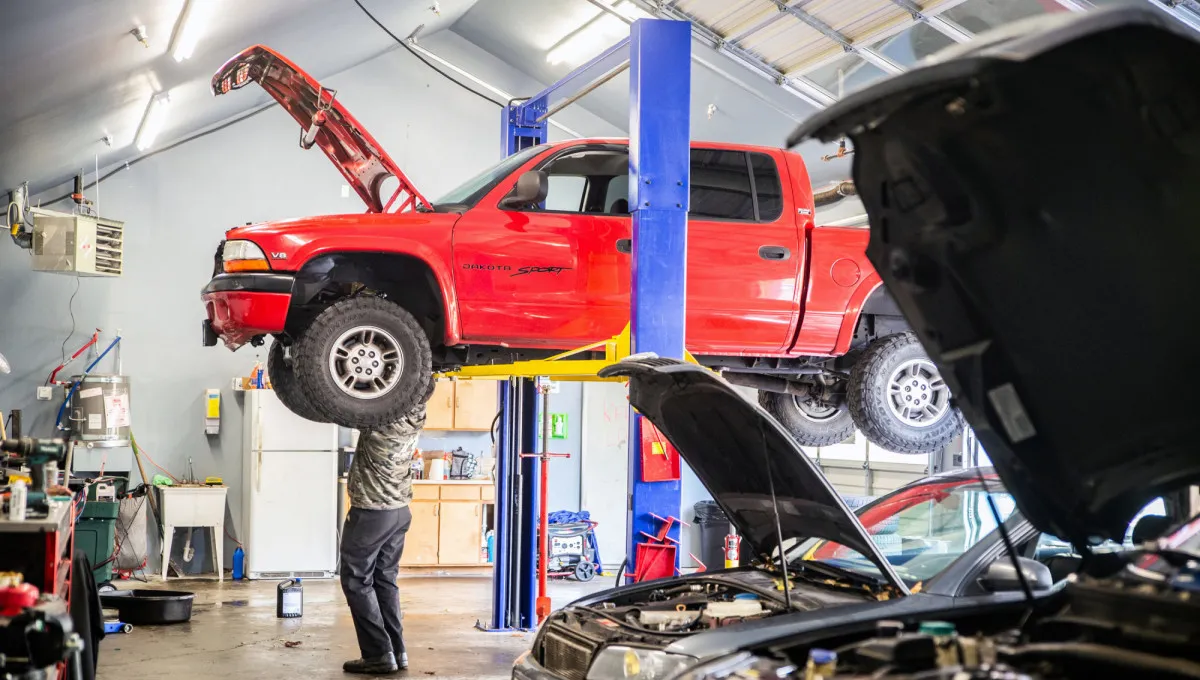
How a Repair Shop Can Overcharge You: What Every Driver Should Know
An experienced mechanic knows how to increase a repair bill, and drivers should know what to watch for before approving work.
How to Find the Source of a Car Interior Rattle in 15 Minutes
A simple trick can help drivers pinpoint an annoying interior rattle without taking apart half the cabin or visiting a repair shop.
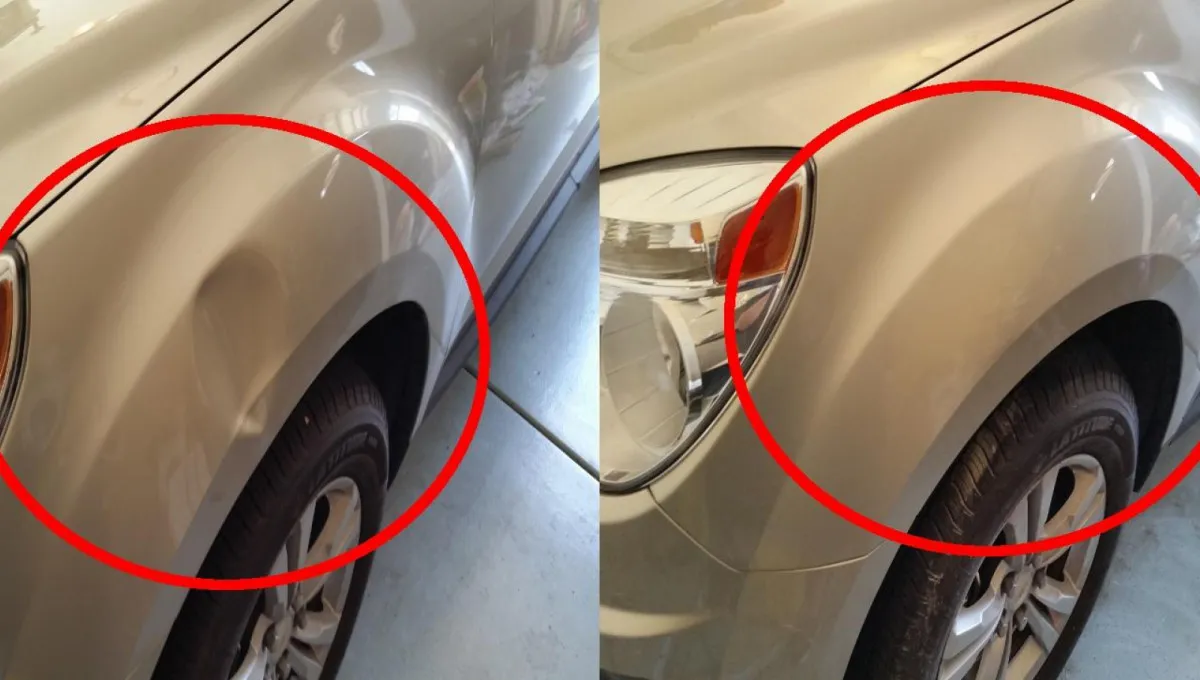
The Dent Can Disappear Without a Trace: How to Repair Car Body Damage Without Paint
Paintless dent repair can restore a damaged panel to its original shape, but only when certain conditions are met.