
Six Car Smells That Should Put Drivers on Alert — What They Usually Mean
Unusual smells inside a car aren’t just about comfort — often, your vehicle is warning you of trouble before gauges or lights do.

Smells inside a car are more than a minor inconvenience. In many cases, a vehicle “talks” to its driver far more honestly through odors than through the instrument panel. Sometimes a strange scent signals a problem long before a warning light turns on or a suspicious noise appears. Below are the most concerning smells inside the cabin or under the hood that should never be ignored, even if the car still seems to be driving fine.
Burning or burnt rubber smell
This is one of the most dangerous warning signs. Drivers often describe it as burnt plastic or hot rubber. Possible causes include overheated brake pads, a seized brake caliper, a slipping accessory belt, or wiring coming into contact with hot engine components.
The situation is especially concerning if the smell gets stronger after braking or while creeping through heavy traffic. In that case, it’s best to pull over immediately, let the vehicle cool down, and look for the source. Continuing to drive can, in the worst case, lead to a fire.
Sweet, chemical odor
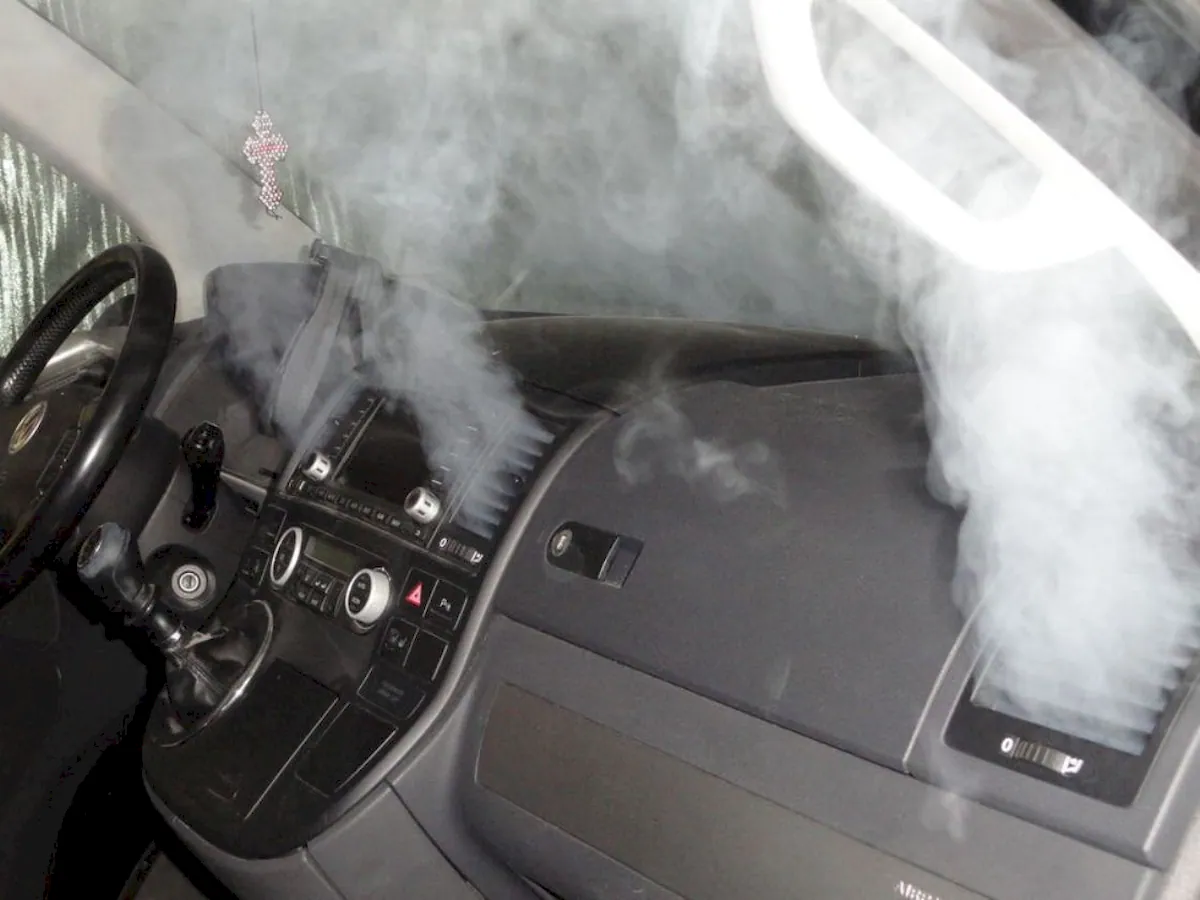
A sugary, almost syrup-like smell inside the cabin is usually a sign of a coolant leak. Antifreeze has a distinctive sweet odor. If the smell becomes stronger when the heater is on, the problem may be a leaking heater core.
What seems like a small issue can quickly turn serious. Ignoring it often leads to engine overheating, and repairs later can cost far more than fixing the leak early.
Gasoline or diesel smell
Fuel odors inside a vehicle are a bad sign under any circumstances. Even a faint smell suggests a loss of pressure or sealing in the system — a cracked hose, a loose or faulty gas cap, injector issues, or problems with the fuel pump.
Beyond the obvious fire risk, breathing fuel vapors while driving is harmful to your health. If the smell appears while the car is in motion, a diagnostic check should not be delayed.

Rotten egg smell
This is one of the most distinctive and unpleasant odors drivers encounter. It typically points to issues with the catalytic converter or the fuel system. The hydrogen sulfide smell appears when the catalytic converter overheats or fails to function properly.
In some cases, poor-quality fuel is to blame. But if the smell doesn’t go away, it’s often a sign of a serious malfunction that can result in expensive exhaust system repairs.
Burning oil smell
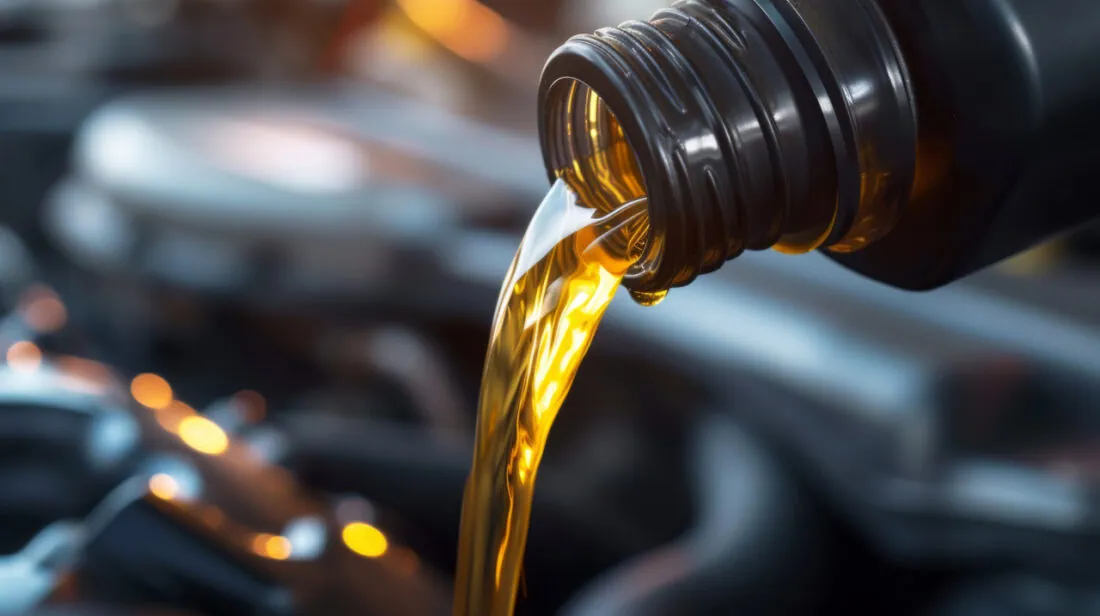
Hot engine oil has a sharp, heavy odor. If it finds its way into the cabin, there may be leaks from gaskets, seals, or the oil filter. The situation becomes especially dangerous when oil drips onto the exhaust manifold — the smell intensifies almost instantly.
This scenario risks not only engine damage but also an under-hood fire.
Burnt clutch smell
This is mainly an issue for vehicles with manual transmissions. The distinctive, harsh smell appears when the clutch slips — for example, in stop-and-go traffic or during aggressive launches.
If the odor shows up regularly, it’s a sign the clutch is worn or the driving style needs adjustment. Otherwise, the clutch may fail at the worst possible moment.
You may also be interested in the news:
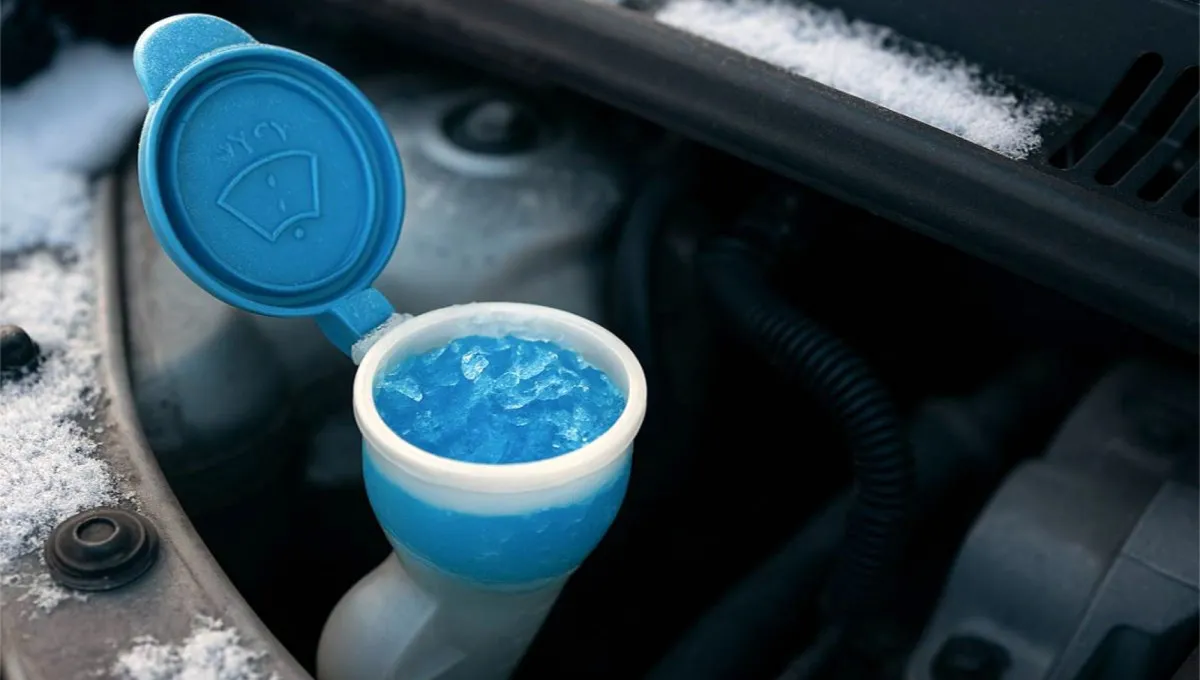
Windshield Washer Fluid Frozen in the Reservoir? Here’s How to Thaw It
A frozen washer system can catch drivers off guard, especially when a cold morning reveals that yesterday’s windshield washer suddenly stopped working.
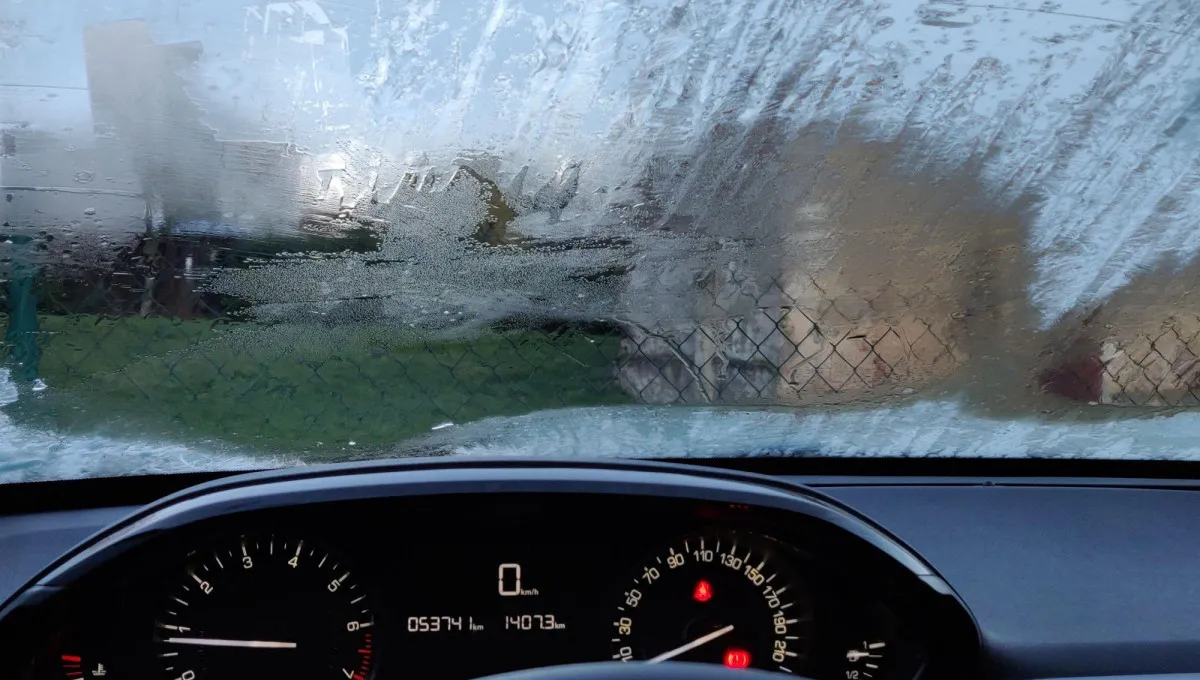
One Car Button Can Make Your Windows Fog Up Faster: What Not to Do in the Rain
Moisture brought into the cabin by drivers and passengers can linger in the air and settle on cold windows, reducing visibility.
VIN-Based Auto Parts Lookup: Where Buyers Make the Most Mistakes
A VIN helps identify the right replacement part for your vehicle, but it cannot account for every change. Here’s what sellers need to know.
Why Experienced Drivers Put Socks on Their Car Mirrors in Fall: The Clever Trick Explained
An old pair of socks can help reduce frost buildup on your side mirrors overnight, saving time on cold mornings when every minute counts.
How to Clean Your Windshield Without Streaks: Experts Recommend This Simple DIY Mix
The secret to a streak-free windshield comes down to the right cleaning solution, two microfiber cloths, and the proper drying technique.