
AWD, 4WD, FWD, RWD, and Torque Vectoring AWD: Key Differences and How They Perform on the Road
Understanding drivetrain types helps drivers choose better performance, safety, and efficiency for everyday driving needs.
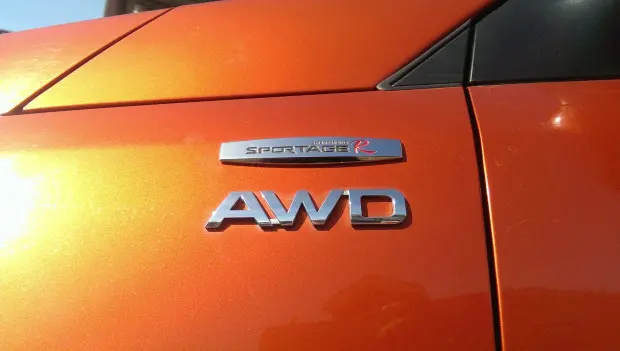
If you’ve ever shopped for a car, you’ve likely seen terms like FWD, AWD, or 4WD. At first glance, they may seem like minor technical details—but drivetrain type has a direct impact on how a vehicle behaves, from fuel economy to confidence on slippery roads. Here’s how they differ and what it feels like behind the wheel.
Front-Wheel Drive (FWD): Practical and Efficient
Front-wheel drive is the most common setup in modern passenger cars. In this layout, the engine sends power to the front wheels, which handle both steering and propulsion.
The biggest advantages of FWD are simplicity, lighter weight, and better fuel efficiency. These vehicles are generally less expensive to build and maintain. Because the engine sits over the drive wheels, FWD cars also tend to have better traction in rain or light snow.
There are trade-offs, though. Under hard acceleration, the steering wheel can tug slightly (known as torque steer). With more powerful engines, the front wheels can struggle to put power down effectively. In corners, FWD cars often show understeer—meaning they tend to push wide instead of turning sharply.
Rear-Wheel Drive (RWD): Balance and Driving Feel
Rear-wheel drive is the traditional layout, still favored for its handling characteristics. The front wheels steer, while the rear wheels deliver power.
This setup allows for better weight distribution and a more natural feel when cornering. During acceleration, weight shifts to the rear, improving traction where it’s needed most.
However, RWD has its downsides. On slick roads, the rear wheels can lose grip more easily—especially without modern traction aids. In winter conditions, these vehicles can be trickier to control and require more driver skill.
All-Wheel Drive (AWD): Everyday Versatility
All-wheel drive offers a balance between safety and convenience. These systems automatically distribute power between the front and rear axles—and sometimes even between individual wheels.
Most modern AWD systems operate on-demand. Under normal conditions, the vehicle may behave like a front-wheel-drive car, but when slippage is detected, power is sent to the rear wheels.
On the road, AWD provides a strong sense of stability. Acceleration feels more confident, grip improves in corners, and the car reacts better to changing traction. The downside is added complexity, weight, and cost.
4WD / 4x4: Built for Off-Roading
Unlike AWD, four-wheel drive (4WD) systems are designed primarily for off-road use. Drivers can manually engage different modes depending on conditions.
A traditional 4WD system often includes settings like 2H (rear-wheel drive), 4H (four-wheel drive), and 4L (low-range gearing for tough terrain). This makes these vehicles ideal for mud, sand, rocks, and other challenging surfaces.
On paved roads, however, 4WD systems are less refined. The rigid connection between axles can reduce handling smoothness and even strain the drivetrain during tight turns. That’s why they’re not typically used in everyday city driving.
On-Demand AWD: A Smart Middle Ground
One of the most common modern setups is on-demand AWD. In daily driving, the vehicle remains primarily front-wheel drive, with the rear axle engaging automatically when needed.
These systems work seamlessly in the background. Drivers simply experience better traction on wet or slippery roads without needing to adjust settings. That’s why they’re so popular in crossovers and SUVs.
Torque Vectoring AWD: Maximum Control
The most advanced AWD systems include torque vectoring. Instead of just splitting power between axles, they can precisely distribute torque between the left and right wheels.
In real-world driving, this helps the car “rotate” into corners more effectively. By sending more power to the outside wheel, the system improves turning response and overall stability.
The result is sharper handling, reduced body roll, and greater confidence at higher speeds. This technology is typically found in premium and performance vehicles.
Electric AWD (E-AWD): The Next Step
With the rise of electric vehicles, a new type of AWD has emerged. Known as E-AWD, it uses separate electric motors for the front and rear axles instead of a traditional driveshaft.
This setup allows for near-instant torque distribution and excellent traction in all conditions. It’s also mechanically simpler and reacts faster to changes in grip.
So, Which One Should You Choose?
The right drivetrain depends on how and where you drive. For city commuting and efficiency, FWD is usually the best choice. If you value driving dynamics and balance, RWD stands out. For all-around confidence, AWD is a strong option. And if you plan to go off-road, 4WD is hard to beat.
Modern systems like torque vectoring and electric AWD continue to push the limits of performance and safety. But at the end of the day, the decision still comes down to a simple question—what matters more to you: efficiency, comfort, or control?
You may also be interested in the news:
One Capful and Your Wipers Stop Squeaking: Experts Reveal a Simple Trick
We've all been there: windshield wipers start squeaking, smear grime across the glass and leave streaks behind instead of actually helping.
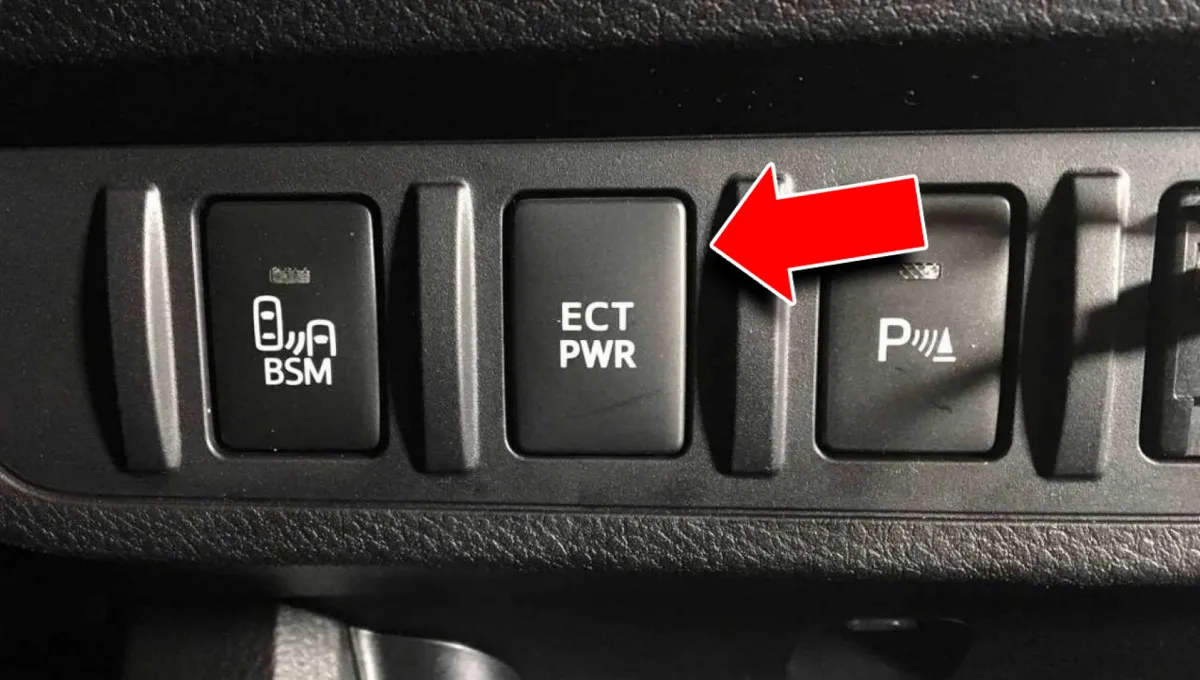
You Hit ECT PWR and Your Toyota Suddenly Wakes Up: What That Mysterious Button Really Does
This little button can change the way a Toyota drives, but plenty of owners have no idea what actually happens when they press it.
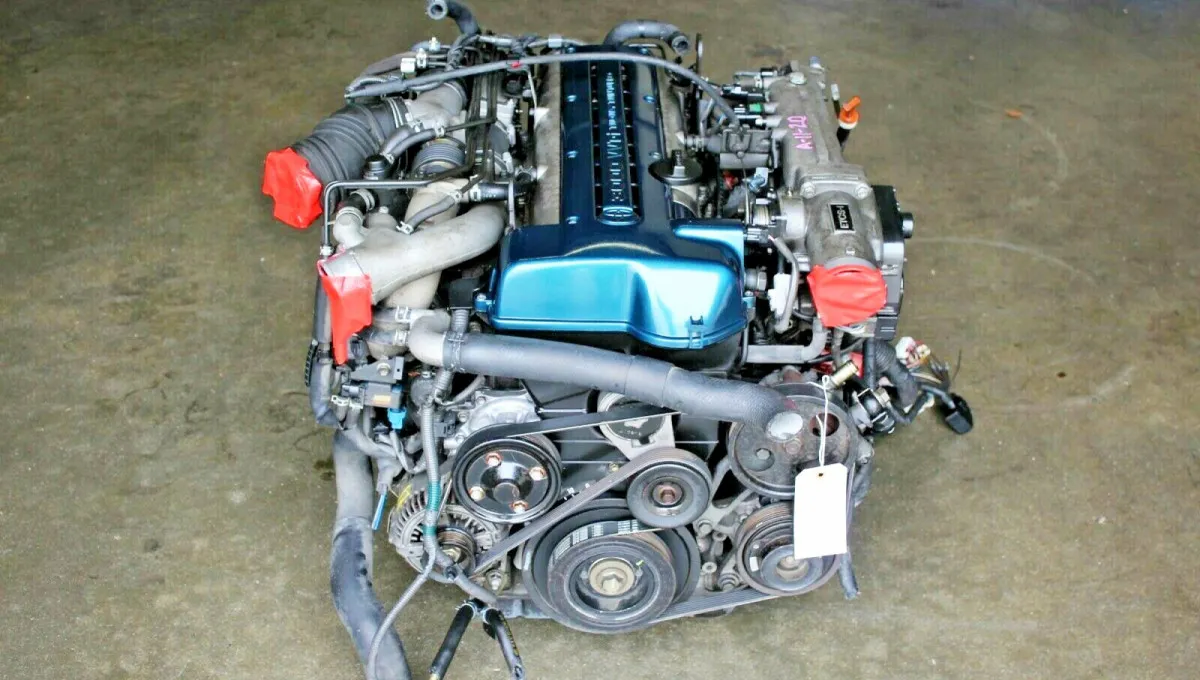
Toyota Wanted a Reliable Engine — It Accidentally Built a 2,000-HP Monster
Toyota engineers may have gone too far with durability — and accidentally created the ultimate engine for hot-rodding.

It Confuses Many Drivers: What Does the Road Sign With a Thumbs-Up Mean?
This unusual sign appears near highway entrances, tunnels and other locations where roadside stops can create serious safety hazards.
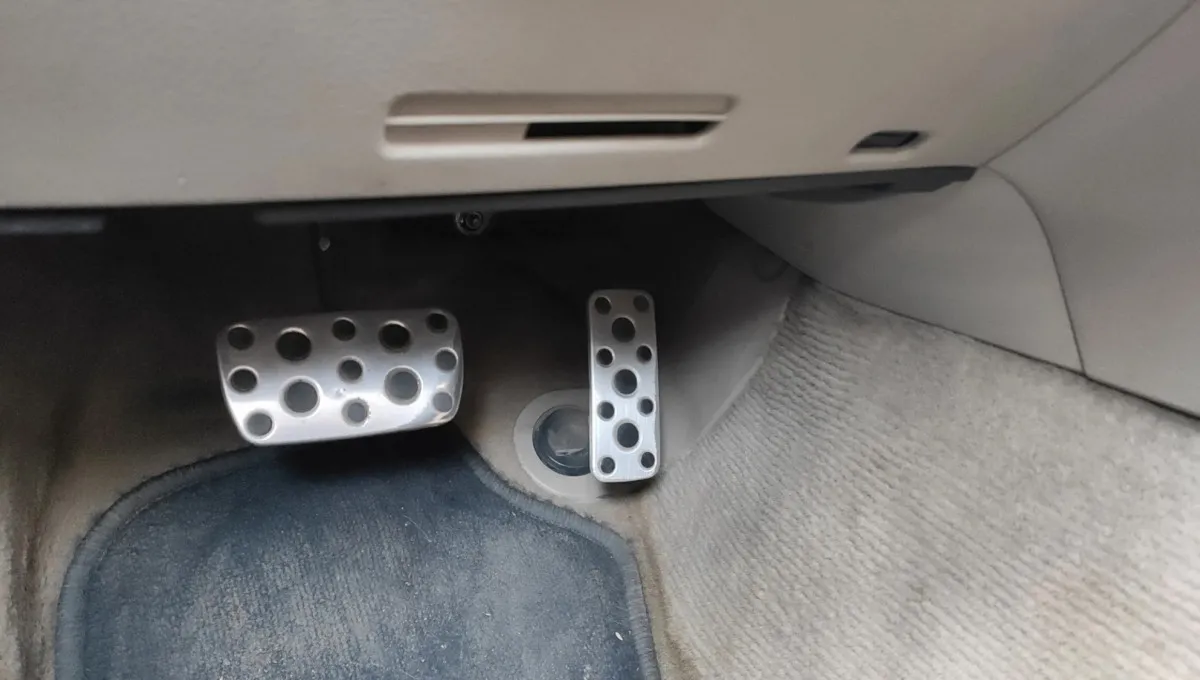
We Know What the Button Behind Your Gas Pedal Does — And It's Even Found in Manual-Transmission Cars
Modern cars are packed with hidden features, and one small button behind the accelerator pedal can serve a surprisingly important purpose.