
Not Many American Drivers Pay Attention to the '(!)' RDC Button — What to Do About the Dashboard Erro
Many drivers ignore the RDC warning, but fixing it can improve safety and prevent issues.
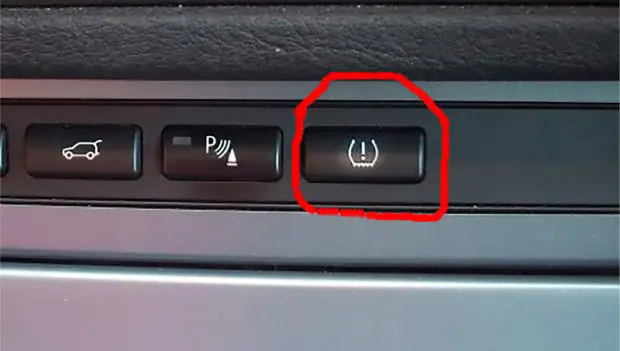
In today’s tech-heavy cars, the abbreviation RDC can be confusing. In most cases—especially in European models—it refers to a tire pressure monitoring system. You’ll most often see it in BMW vehicles, where RDC (Tire Pressure Control) is a direct monitoring setup. That makes it more advanced than systems like RPA, which estimate pressure indirectly by comparing wheel speeds.
RDC works in a pretty sophisticated but reliable way. Each wheel has a small sensor mounted near the valve stem, complete with its own battery and radio transmitter. These sensors measure not only tire pressure but also temperature in real time, sending data to antennas in the wheel wells and then to the vehicle’s central control unit.
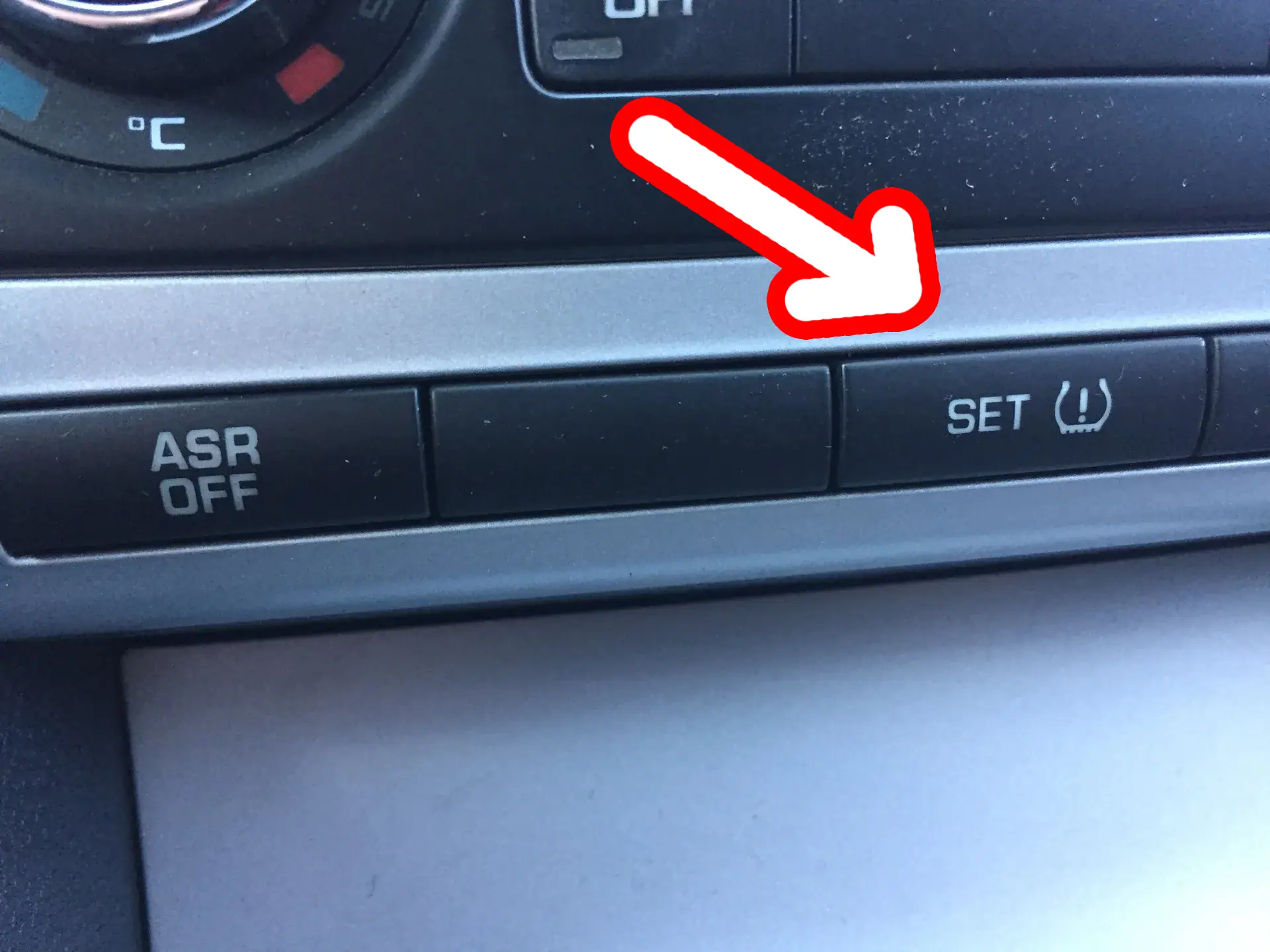
A lot of drivers run into issues with this system—especially after swapping wheels or changing tires for the season. One common question is how to properly reset or initialize the sensors. Contrary to what many expect, this isn’t always buried in touchscreen menus. In some older BMW models, like the BMW 3 Series E46, there’s actually a dedicated physical button for resetting and calibrating the system. Many owners still search for this button or wonder if new sensors can be programmed at home or require dealer-level coding.
Interest in RDC isn’t just about tech—it’s practical. In colder weather, for example, drivers often see warnings about low tire pressure even when nothing is wrong. That’s because air contracts in lower temperatures, triggering the system. Over time, drivers learn to tell the difference between a real issue and a false alert, often sharing tips online.
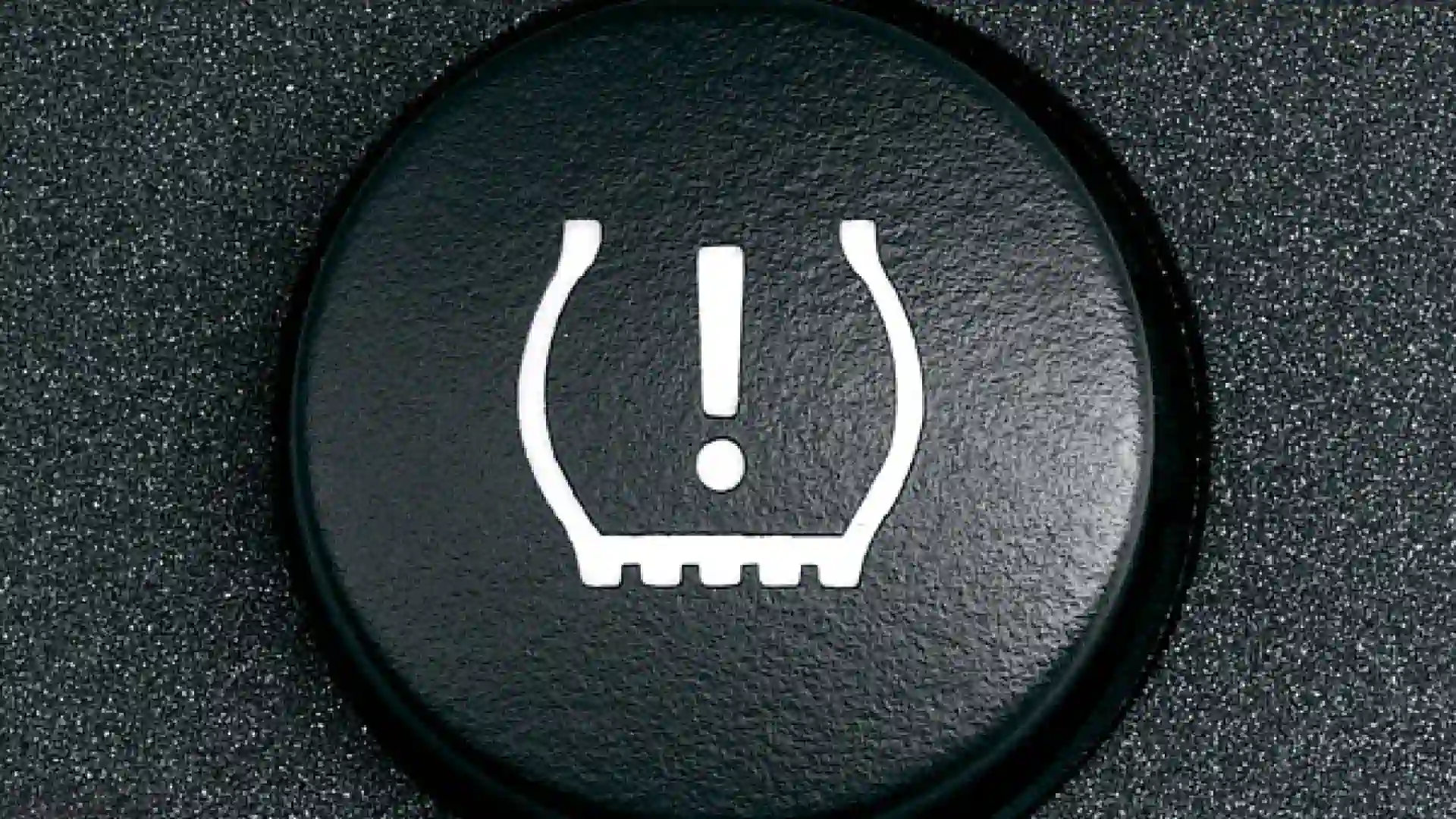
Another common concern is sensor lifespan. The built-in batteries typically last around 7 to 10 years, after which the sensors need to be replaced. This can lead to that persistent warning light on the dashboard. Fortunately, there are plenty of guides out there explaining how to choose compatible sensors and register them in the system.
To add to the confusion, RDC can mean different things in other contexts. Some people mix it up with the RCD 330 infotainment system, while others might stumble across references to the Budd Rail Diesel Car. But in everyday driving, RDC is simply a smart safety feature watching over your tires.
For many drivers, having a physical reset button is actually a plus. It offers quick, direct control—letting you recalibrate tire pressure values right after inflating your tires with a single press. That mix of advanced tech and simple usability is exactly why systems like RDC remain valued by drivers around the world.
You may also be interested in the news:
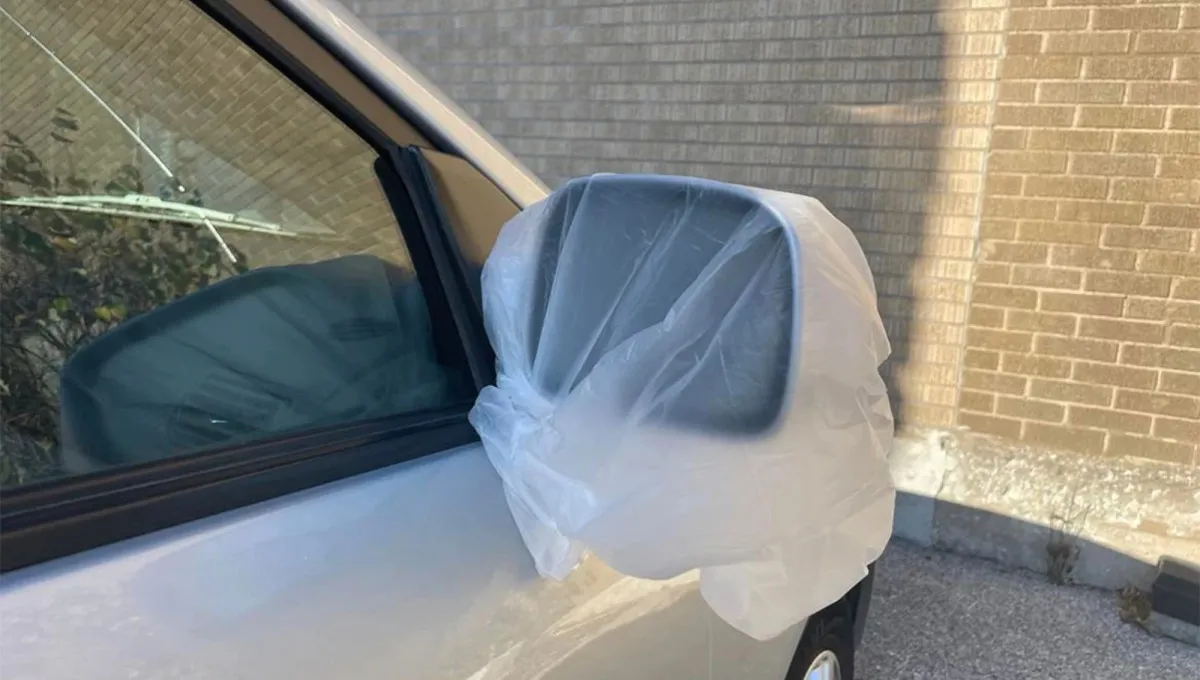
Why You Should Never Ignore a Plastic Bag on Your Car Mirror
You park your car, head inside, and return a short time later to find an ordinary plastic bag hanging from the side mirror.
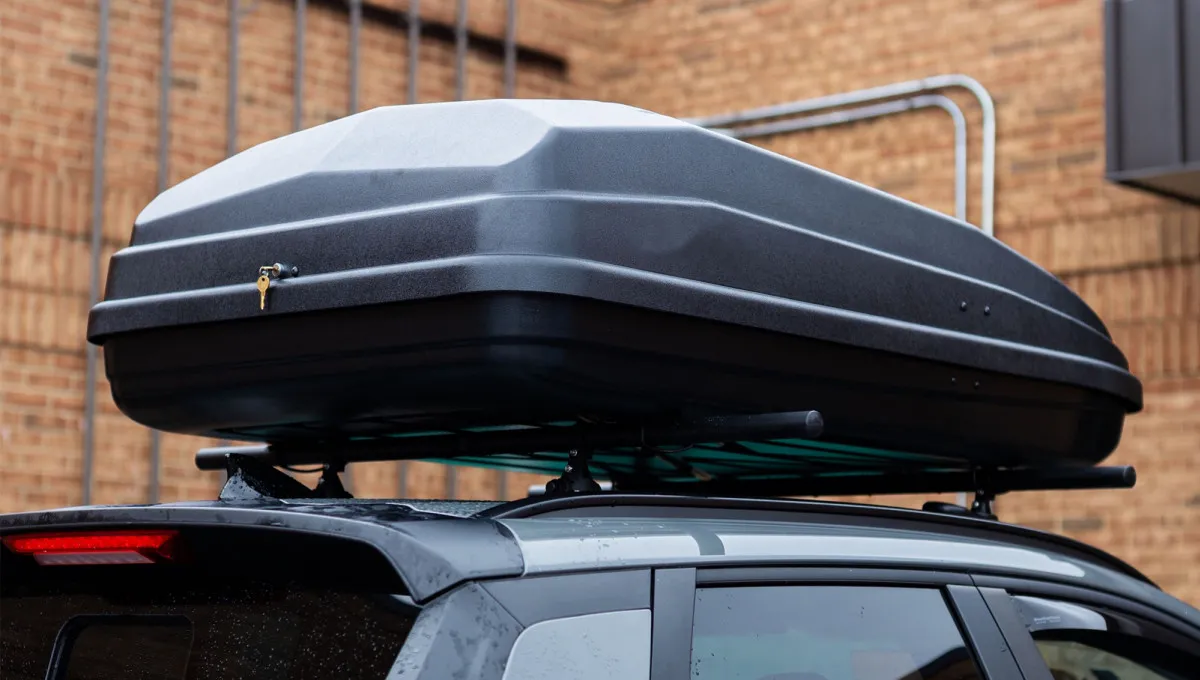
Auto Expert Warns Drivers About Common Mistakes When Installing a Roof Cargo Box
Roof cargo boxes have become increasingly popular with drivers looking for an easy way to carry more gear on road trips.
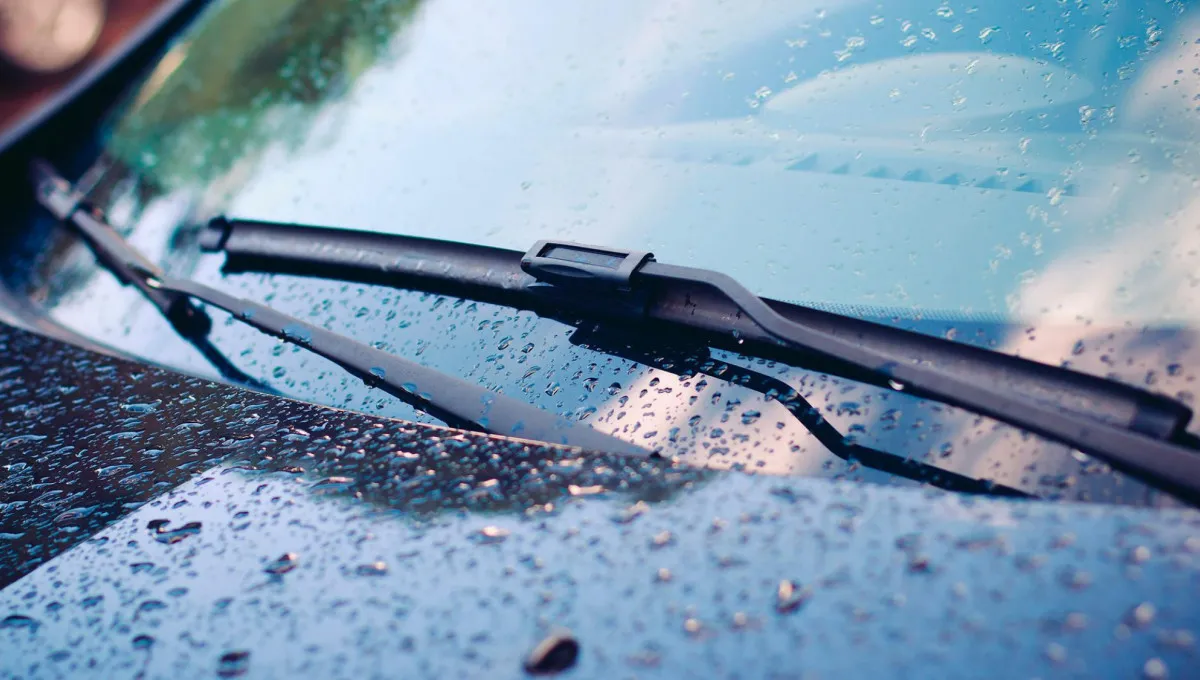
One Capful and Your Wipers Stop Squeaking: Experts Reveal a Simple Trick
We've all been there: windshield wipers start squeaking, smear grime across the glass and leave streaks behind instead of actually helping.
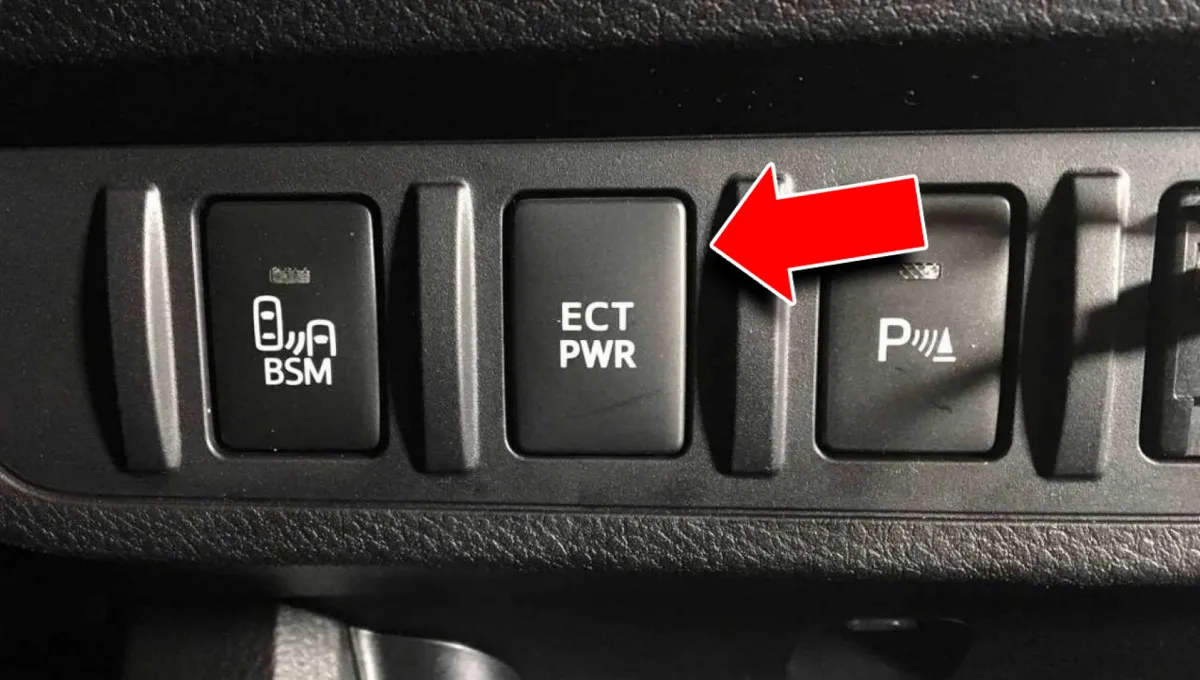
You Hit ECT PWR and Your Toyota Suddenly Wakes Up: What That Mysterious Button Really Does
This little button can change the way a Toyota drives, but plenty of owners have no idea what actually happens when they press it.
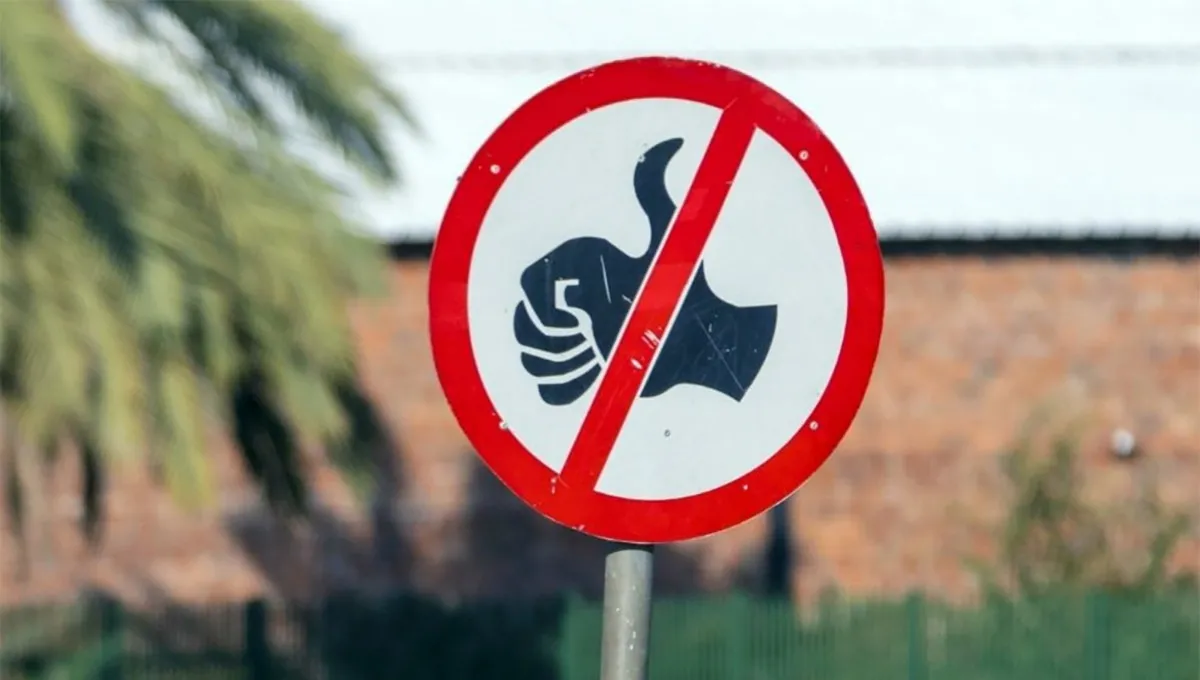
It Confuses Many Drivers: What Does the Road Sign With a Thumbs-Up Mean?
This unusual sign appears near highway entrances, tunnels and other locations where roadside stops can create serious safety hazards.