
Well Done: Experts Say Heated Car Seats Could Be Bad for Your Health
As the cold sets in, many drivers dust off the heated seat button: sliding into a warm seat is certainly more pleasant than sitting on a chair frozen overnight.

With winter approaching, lots of drivers have reactivated the heated seat function. There’s no denying the appeal: getting into a warm seat is far more comfortable than plopping down on a frozen cushion. Slowly warming a stiff backside feels even better. But for those with a deeper understanding of medical science, the popular feature comes with some serious health warnings.
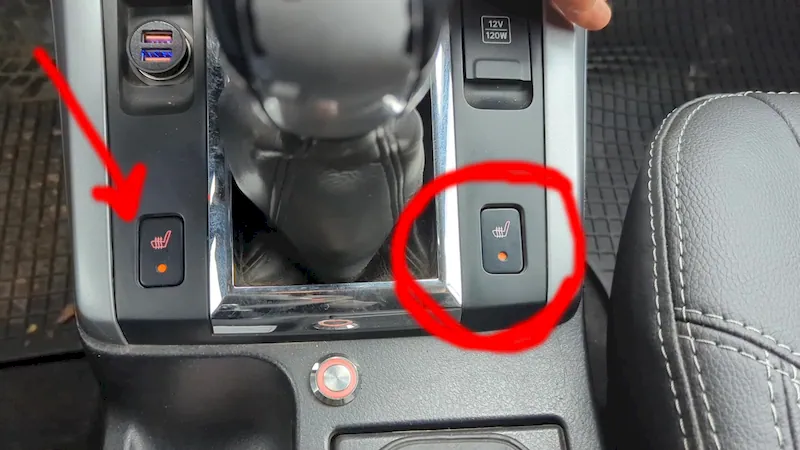
“Warm options” — including heated steering wheels, defrosting windshields, and seat heaters — have long been standard in most cars in the U.S. Winter here can be brutal, and even fall or spring may bring frost that rivals February chills. For drivers, a heated seat seems almost essential. Yet, as it turns out, this comfort feature has a downside: we’re often using it incorrectly — and to the detriment of our health.
Medical experts warn that regular use of heated seats can be harmful to both men and women. Human bodies are not designed for constant localized heat, and leaving a seat heater on for extended periods can lead to serious health consequences, regardless of gender.
We won’t list all the potential ailments for habitual users — the list is long, and the medical terms aren’t exactly comforting. The takeaway: switch it off.
The issue isn’t the feature itself, but how it’s used. Sitting on a freezing seat without heat offers no health benefit, so initial warming is fine. The recommended approach: turn on the heater just long enough to take off snow and ice, then switch it off once you’re settled.
If needed, experts suggest limiting heat exposure to no more than fifteen minutes at a time before turning it off again. But how many drivers actually watch the clock? Usually, people let the heat run until discomfort sets in — and that’s exactly when it starts to harm your body.
Cars today are sophisticated machines packed with features, but the responsibility lies with the driver to understand how to use them properly. That means reading the manual and using common sense when pressing buttons. Unfortunately, many skip the manual, and misuse of features like heated seats can end with long waits at the doctor and some unwelcome diagnoses.
You may also be interested in the news:
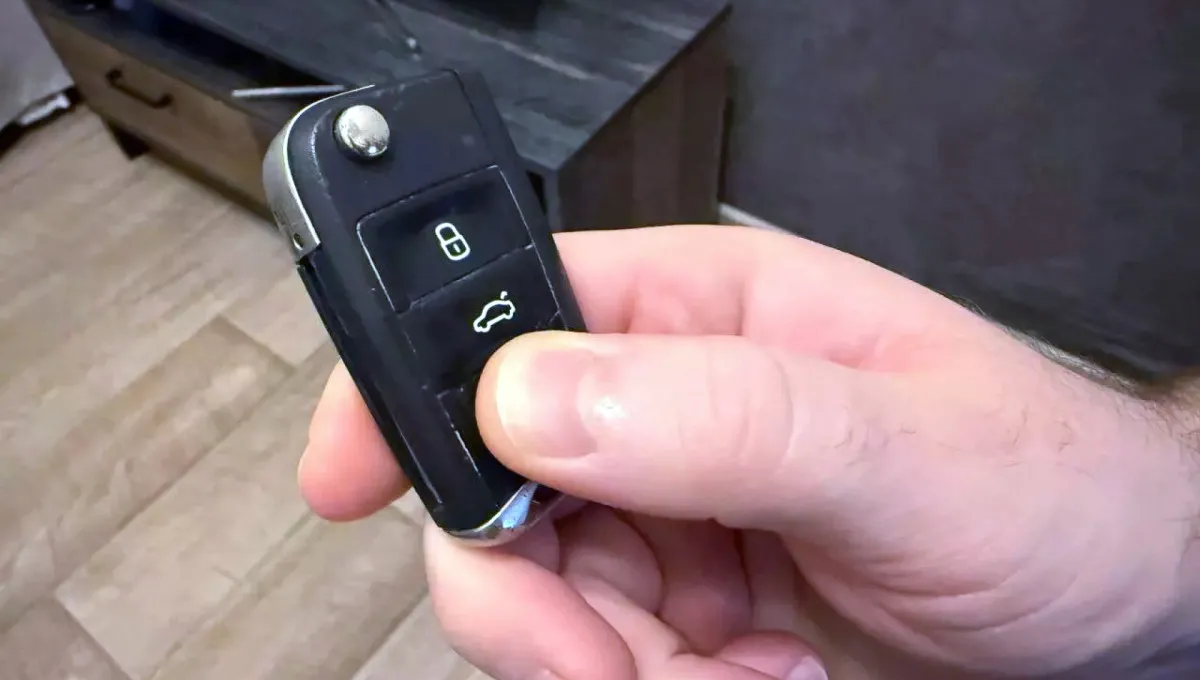
Hidden Key Fob Trick: Open All Your Car Windows With One Button
An auto mechanic explains how drivers can remotely open and close car windows using a key fob, provided the vehicle has the right hardware.
8 Car Maintenance Mistakes That Could Cost You Thousands if You Wait Too Long
Depending on driving conditions, some maintenance tasks may need to be performed sooner and more often than the automaker recommends.
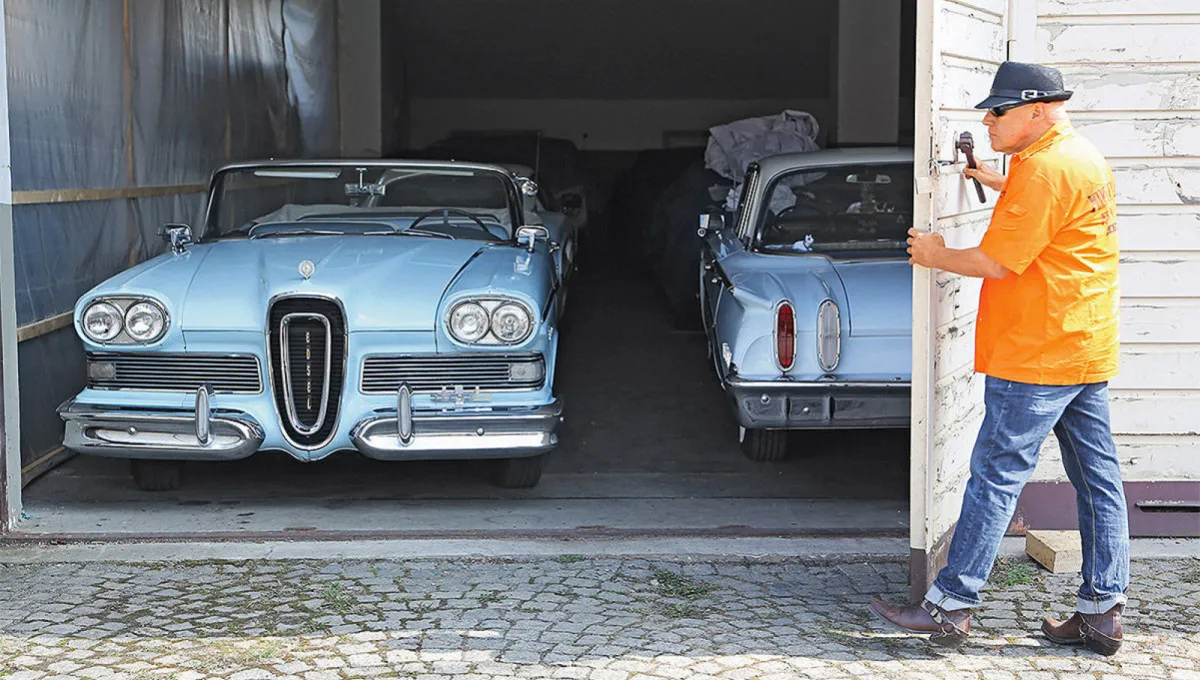
How Long Will Your Car Last? A Guide to Making It Age Gracefully
Automotive experts explain how routine maintenance and timely replacement of aging components can help your car last longer.

Common Car Problems on the Road and How to Handle Them Yourself
A breakdown far from home can leave any driver stranded. Here’s how to assess the problem and decide what to do next.
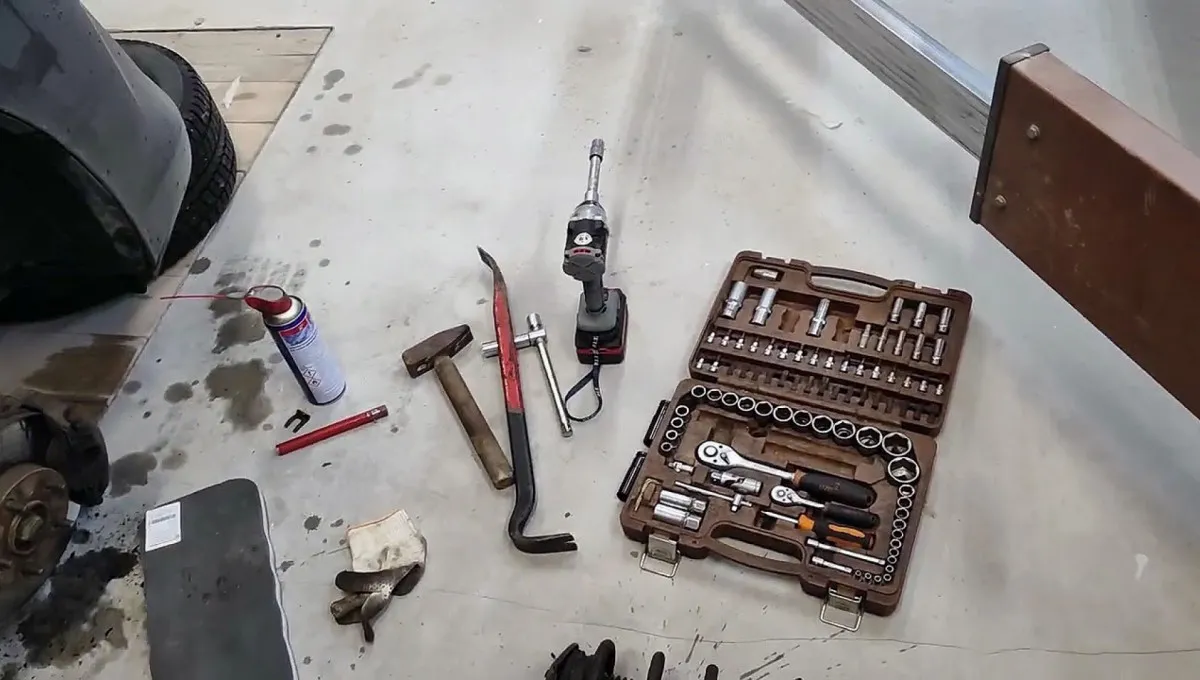
Experienced Drivers Share Their Best Car Hacks: Better Visibility, a Cleaner Backup Camera, and Battery Care
Simple DIY fixes can improve visibility, protect your car’s finish, and make routine repairs easier without expensive tools or parts.