
Forget Streaks on Glass: How to Choose and Wash Microfiber for Your Car
Ditch old sponges — your car loves microfiber and hates foam. Here’s why.
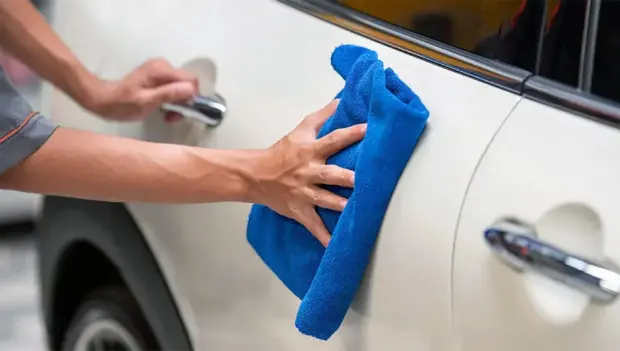
A brand-new microfiber towel works like magic. It wipes away dust, leaves glass streak-free, and gently polishes delicate surfaces. But after one wrong wash cycle, that fluffy miracle can turn into a useless rag that barely absorbs anything. Sound familiar?
Microfiber is a brilliantly engineered, eco-friendly tool — but most people ruin it with simple care mistakes.
The secret is in the name: microfiber consists of millions of ultra-fine synthetic strands that carry an electrostatic charge. That charge acts like a magnet for dirt and dust. Wash it improperly, and you destroy that static power.
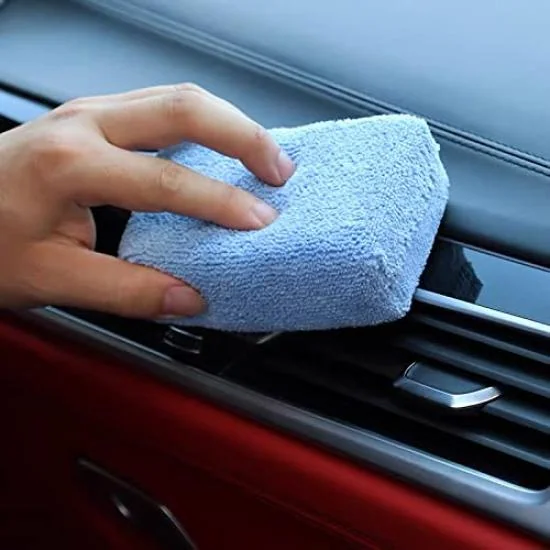
The Golden Rule: Wash Microfiber Alone
Never toss microfiber towels in the wash with cotton bath towels or wool clothing. Natural fabrics shed lint that clogs the synthetic fibers, permanently reducing their ability to attract grime.
Machine washing is not only safe — it’s recommended. Use warm water and a gentle cycle. The real enemy hiding in your laundry room? Fabric softener. It coats the fibers with a thin chemical film, making them water-repellent. Bleach is just as harmful, breaking down the material’s structure.
Air dry your towels or use the lowest heat setting in the dryer. High temperatures can melt or deform the fibers.
Why Detailers Swear by Microfiber
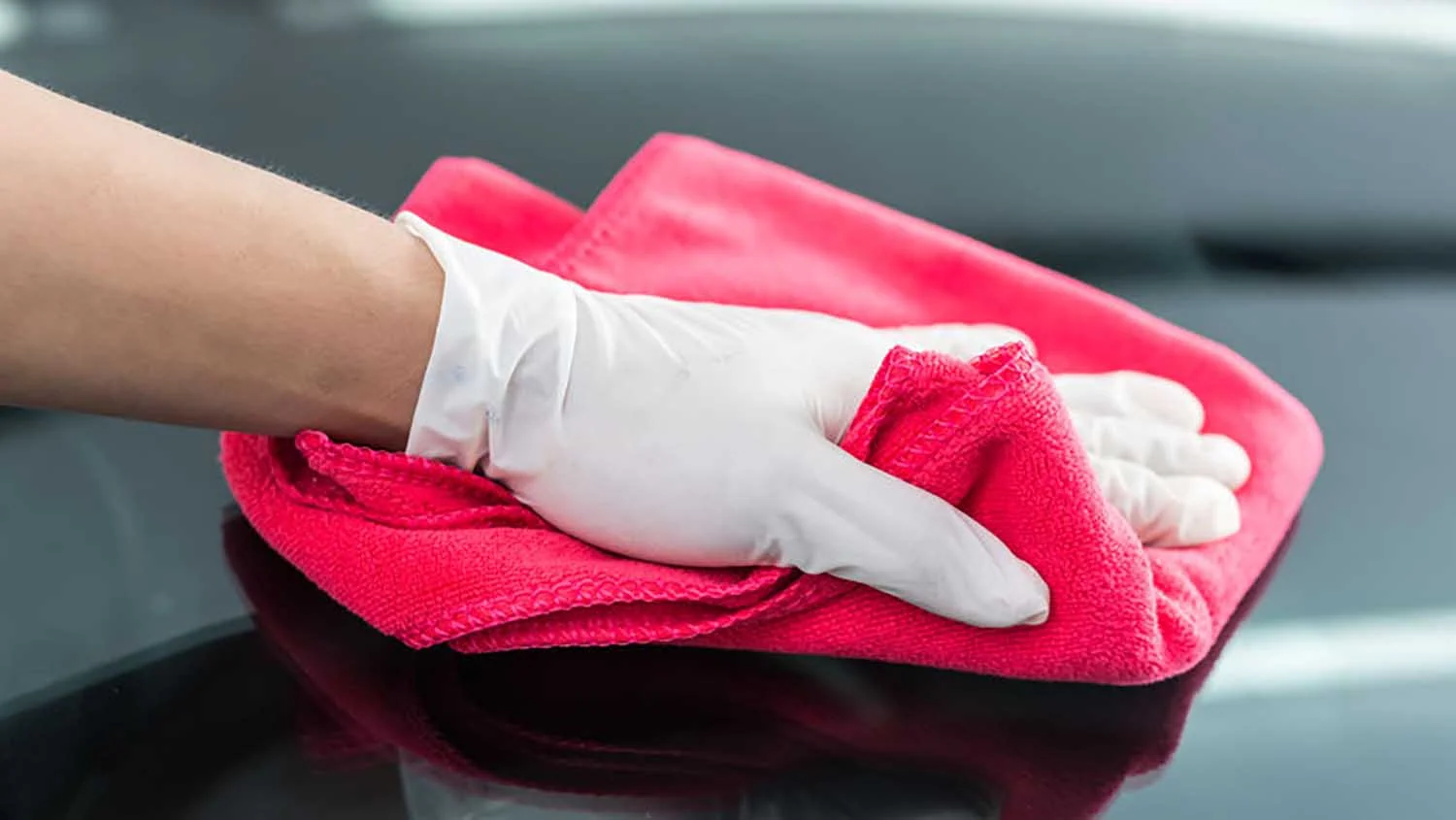
Visit any auto parts store and you’ll see shelves packed with sponges and brushes. But professional detailers abandoned old foam sponges long ago. Microfiber is soft, dense, and highly absorbent, lifting dirt without scratching paint or leaving lint behind.
That said, technique matters.
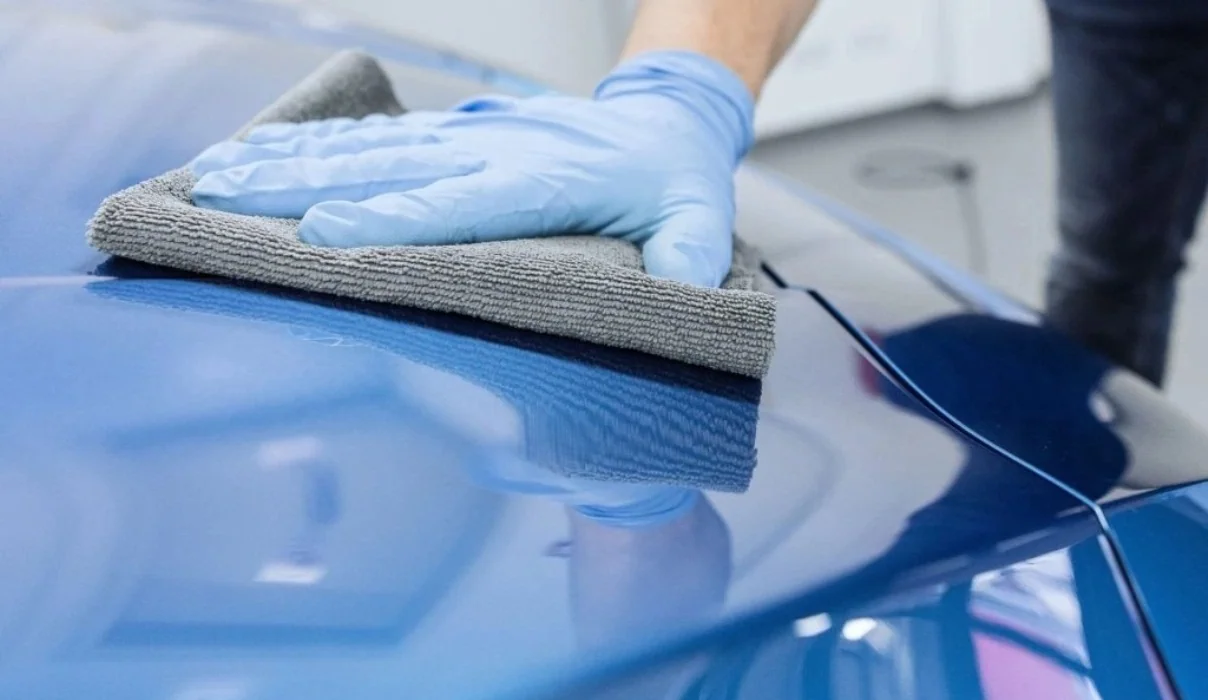
Never wipe a dry, dusty car. Always rinse off sand and grit thoroughly first. And forget the circular motions you were taught for cleaning windows. Wipe in straight lines only — this helps prevent the fine “spiderweb” swirl marks that show up in clear coat finishes.
When drying the vehicle, don’t drag the towel across the surface. Instead, gently lay it on the paint and let it absorb the water.
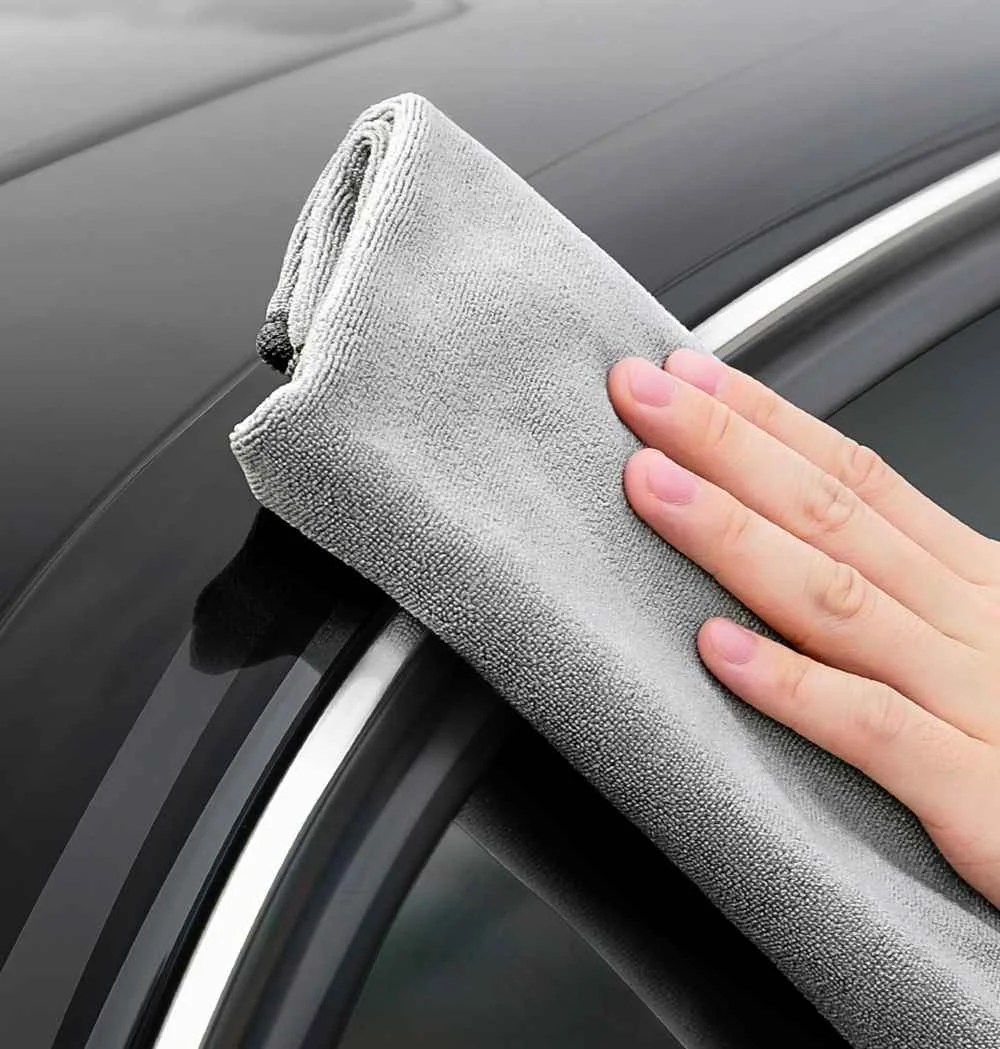
Pro-Level Tips
Color code your towels.
Use one color for interior surfaces and glass, another for body panels, and a third strictly for dirty wheels. This prevents abrasive brake dust from ending up on your hood.
Revive old towels with white vinegar.
Over time, microfiber can clog with detergent residue or car wax. Add half a cup of plain white vinegar to the fabric softener compartment during washing. It removes buildup, restores softness, and helps bring back the electrostatic charge.
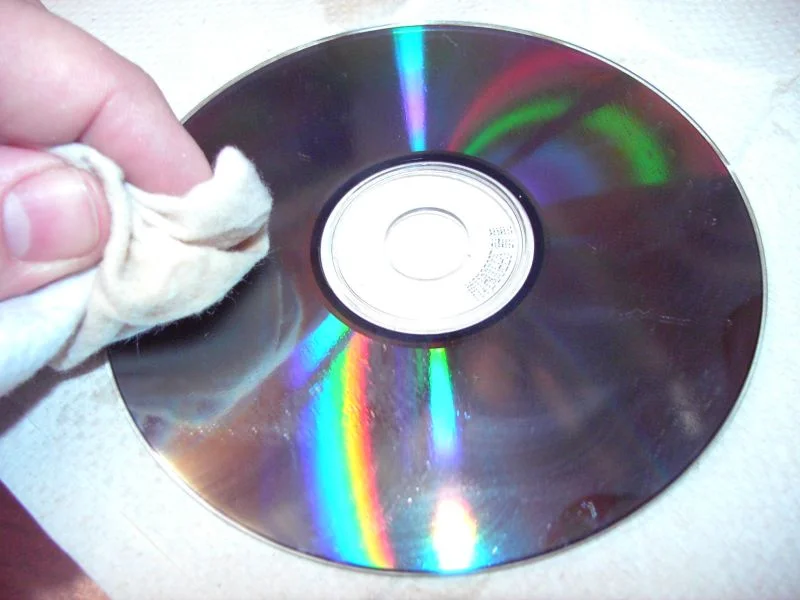
The CD test.
Not sure if a new towel is safe for your car’s paint or a high-end TV screen? Take an old CD and rub it firmly with the cloth. If you see scratches, that towel belongs in the garage for floor duty only. Quality microfiber will leave the surface perfectly smooth.
Treat your microfiber right, and it will reward you with spotless glass, swirl-free paint, and a cleaner car overall.
You may also be interested in the news:
Hidden Key Fob Trick: Open All Your Car Windows With One Button
An auto mechanic explains how drivers can remotely open and close car windows using a key fob, provided the vehicle has the right hardware.

8 Car Maintenance Mistakes That Could Cost You Thousands if You Wait Too Long
Depending on driving conditions, some maintenance tasks may need to be performed sooner and more often than the automaker recommends.
How Long Will Your Car Last? A Guide to Making It Age Gracefully
Automotive experts explain how routine maintenance and timely replacement of aging components can help your car last longer.

Common Car Problems on the Road and How to Handle Them Yourself
A breakdown far from home can leave any driver stranded. Here’s how to assess the problem and decide what to do next.
Experienced Drivers Share Their Best Car Hacks: Better Visibility, a Cleaner Backup Camera, and Battery Care
Simple DIY fixes can improve visibility, protect your car’s finish, and make routine repairs easier without expensive tools or parts.