
How the Volkswagen Tiguan Holds Up After 10 Years: Is It Worth Buying Used?
Decade later, the Volkswagen Tiguan still attracts buyers—but ownership comes with important trade-offs.
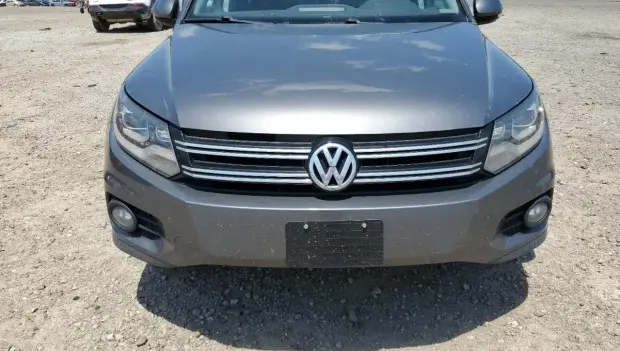
The Volkswagen Tiguan has long been one of the most popular crossovers in its class. But how well does it hold up on the used market after years of real-world driving? Let’s take a closer look at which versions are worth considering, where potential issues lie, and why this model still sparks debate among experts.
The Tiguan remains in demand thanks to its versatility, thoughtful interior design, and wide range of trims. First introduced in 2007, it quickly gained traction with buyers and stayed in production for a full decade in its first generation. Over that time, Volkswagen continuously refined the model based on customer feedback.
The most noticeable updates came with the 2011 facelift. The exterior took on a more refined, upscale look, while the interior became more polished. Materials feel solid, controls are well laid out, and the rear seats can be easily adjusted to expand cargo space. These qualities helped the Tiguan compete with models like the Mazda CX-5 and Nissan Qashqai.
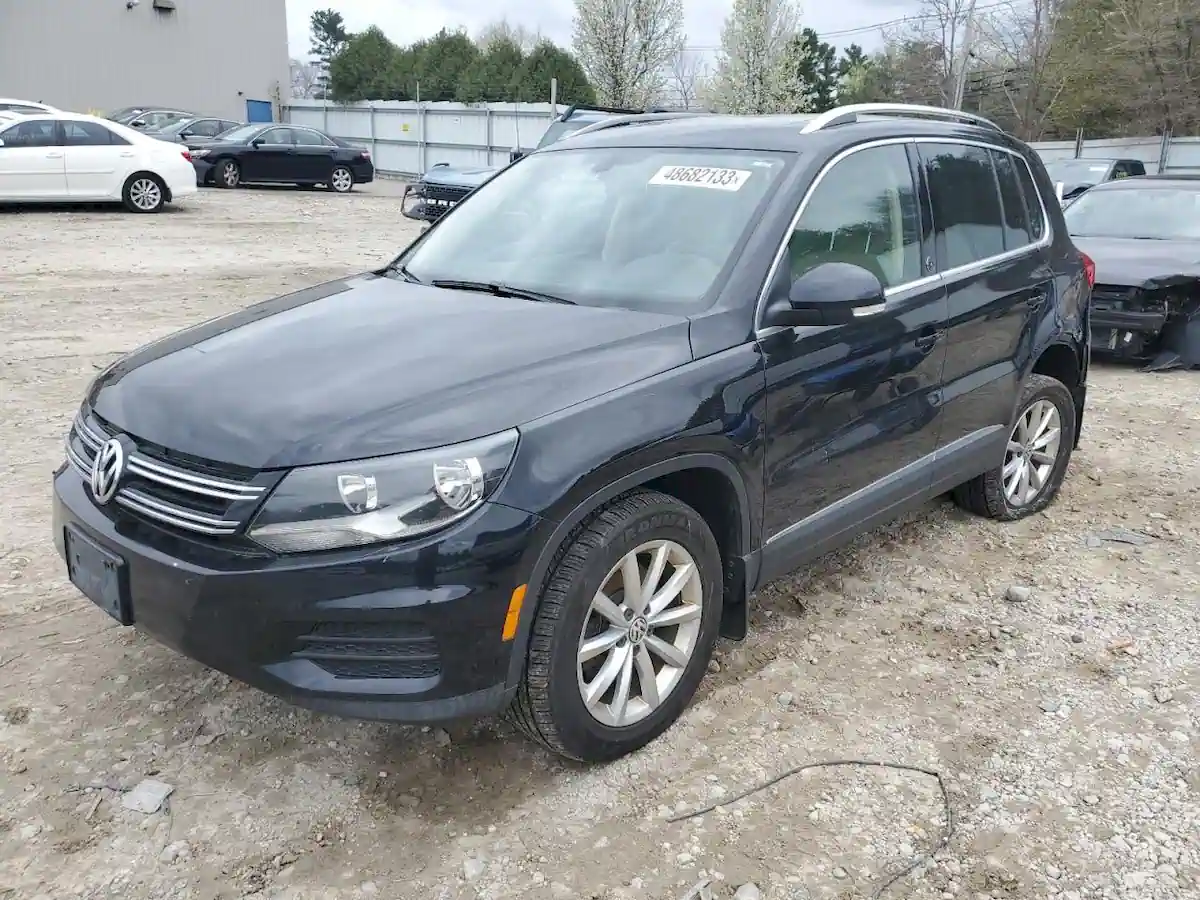
One of the Tiguan’s biggest strengths is its variety. Buyers can choose between front-wheel drive or 4Motion all-wheel drive with a Haldex coupling, multiple transmission options, and even different bumper designs. Off-road-oriented versions, such as Track & Field, offer improved approach angles, while 7.9 inches of ground clearance adds confidence on rough roads. Drivers also tend to appreciate its stable, European-style handling on highways.
There are no major design flaws, but a few drawbacks are worth noting. Pre-facelift interiors feel simpler, while post-2011 models received some criticism for short seat cushions and relatively small side mirrors. The suspension is tuned on the firmer side—great for smooth pavement, but it can feel harsh over potholes. Fuel economy is another factor: the 2.0-liter gasoline engine can return around 15–16 mpg in city driving, which is on the higher side for this class.
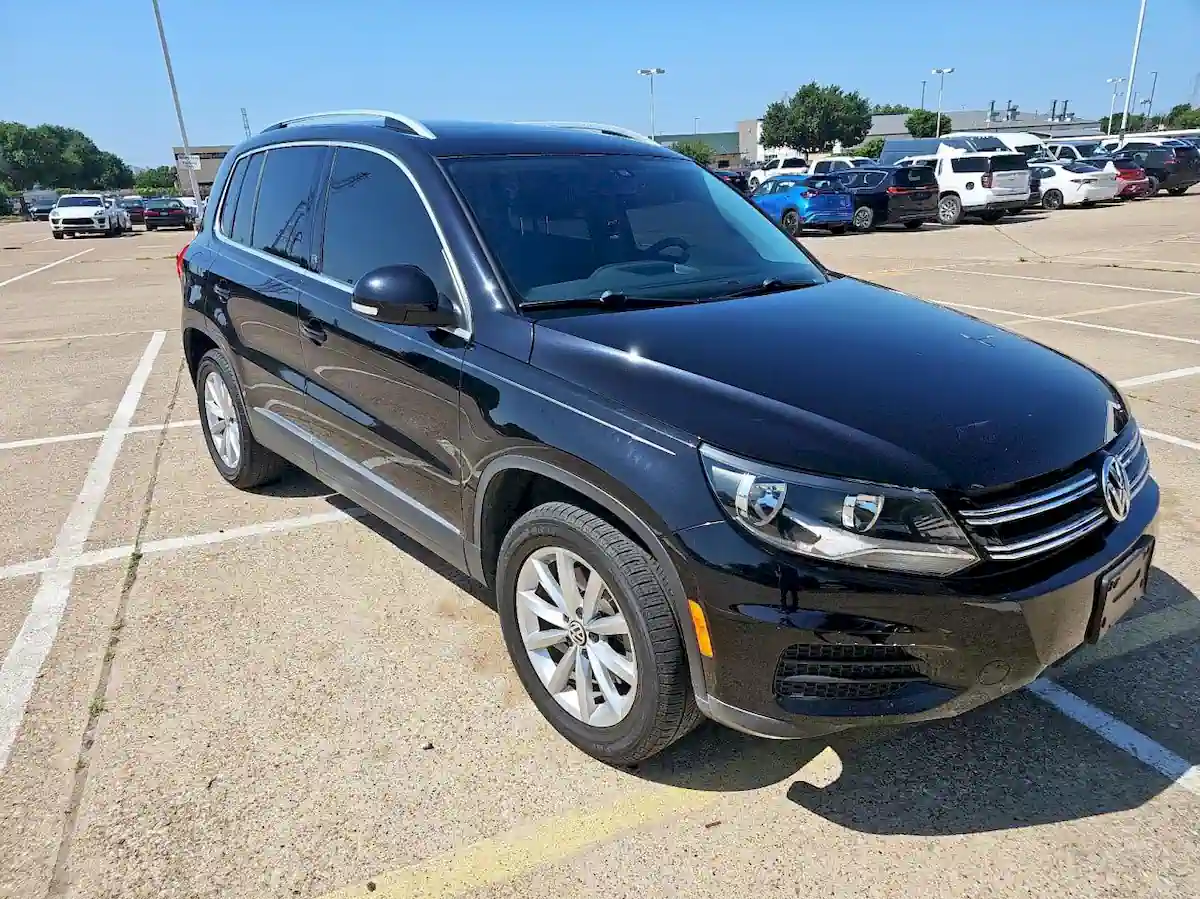
In terms of reliability, the body and interior tend to age well, but the mechanical side requires more attention. The most desirable engines are the 2.0-liter turbocharged gasoline units (roughly 170–211 horsepower), although they are known for higher oil consumption. Early 1.4-liter engines can be riskier, sometimes leading to costly repairs involving the turbocharger or timing chain. Diesel versions (around 140 horsepower) generally have a better reputation.
When it comes to transmissions, traditional manuals and conventional automatics are usually the safer bet. The DQ200 dual-clutch transmission, while efficient, can become expnsive to maintain over time.
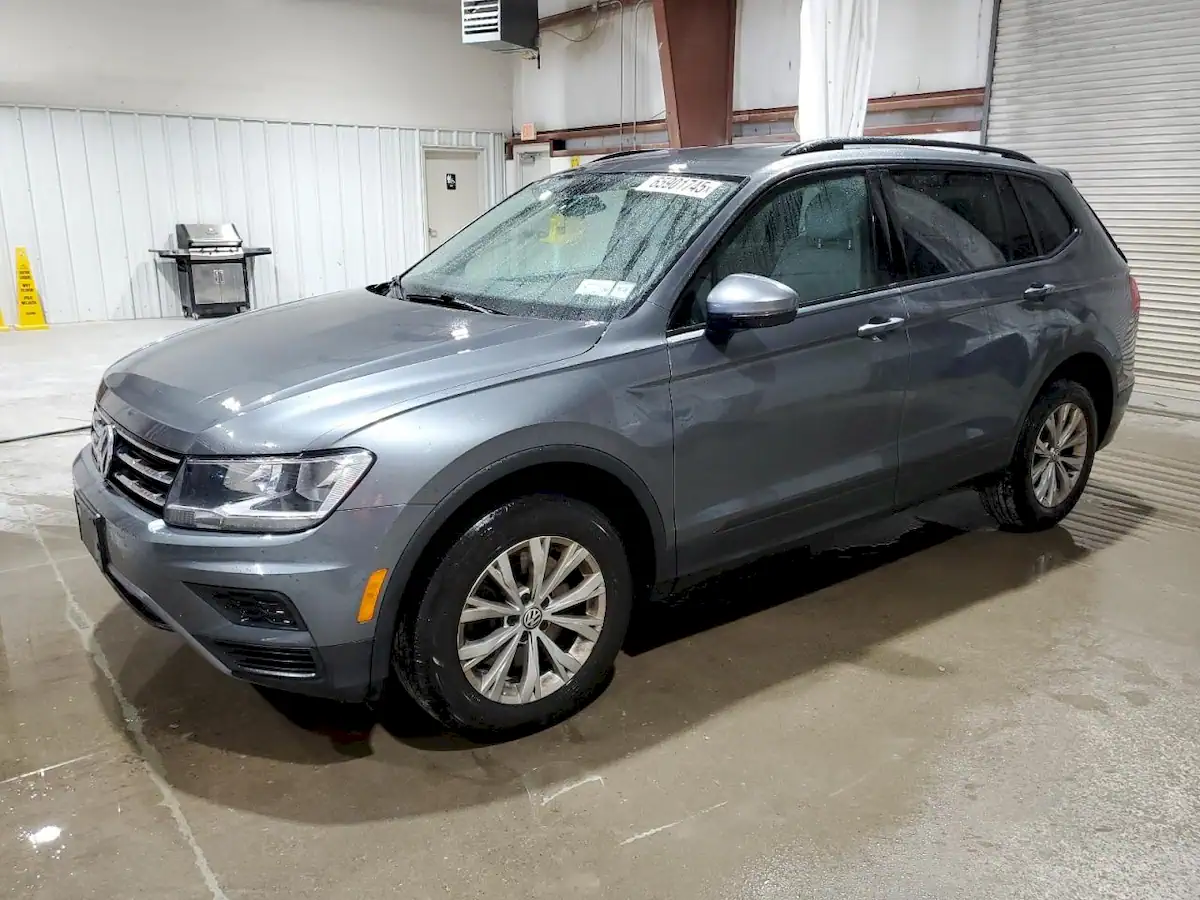
On the used market, prices typically range from about $6,000 for high-mileage examples up to around $16,000 for newer, facelifted versions. The sweet spot is generally a post-2011 model with a 2.0-liter engine—either gasoline or diesel. Versions with the 1.4-liter engine can still be good options, but they require a very careful inspection before buying.
Overall, the Tiguan stands out as a well-rounded crossover, offering a strong mix of practicality, comfort, and handling. Its modern engineering makes it enjoyable to drive—but also adds complexity and potential maintenance costs. With the right approach and a thorough pre-purchase check, it can still be a dependable vehicle for years to come.
You may also be interested in the news:
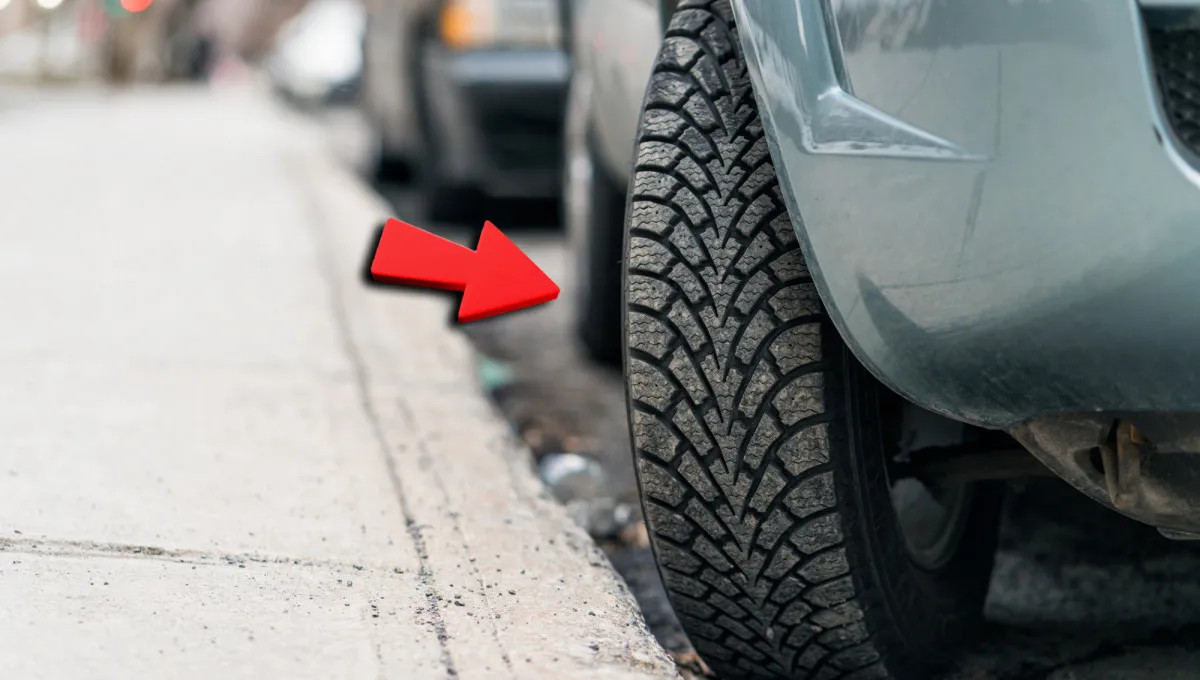
Why Your Neighbor Always Parks With the Wheels Turned: An Auto Expert Explains Three Reasons
Straight wheels aren’t always the smartest choice: experienced drivers turn them for three practical reasons you may not expect.

Why You Should Never Ignore a Plastic Bag on Your Car Mirror
You park your car, head inside, and return a short time later to find an ordinary plastic bag hanging from the side mirror.
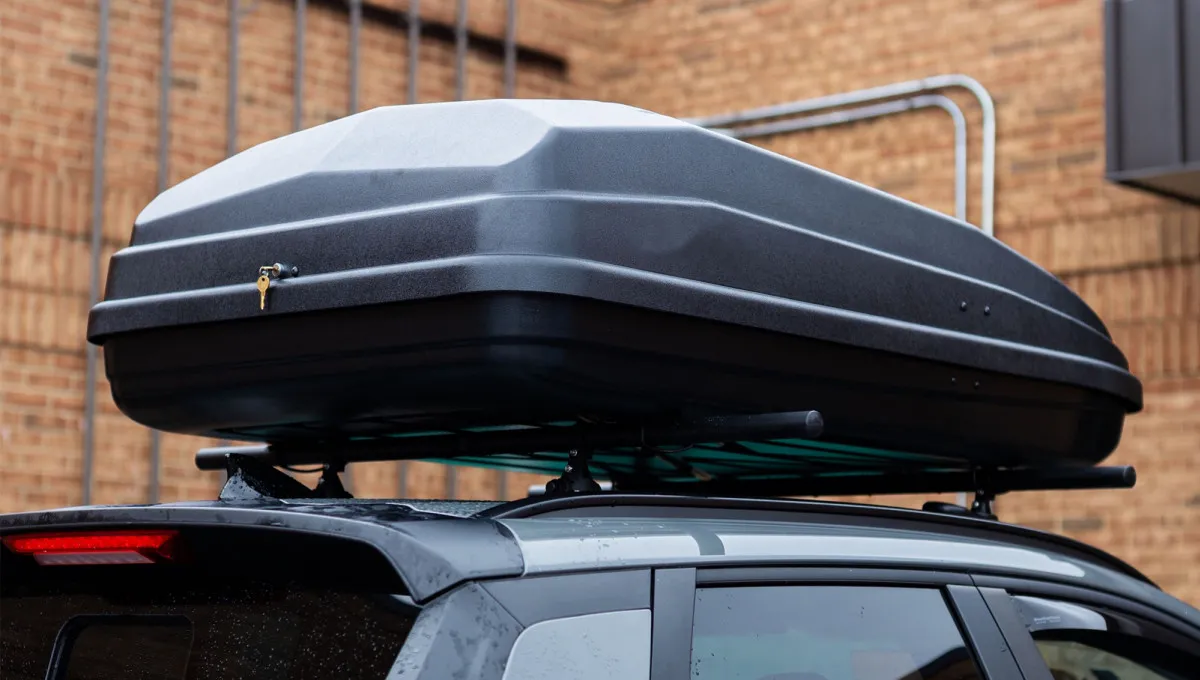
Auto Expert Warns Drivers About Common Mistakes When Installing a Roof Cargo Box
Roof cargo boxes have become increasingly popular with drivers looking for an easy way to carry more gear on road trips.
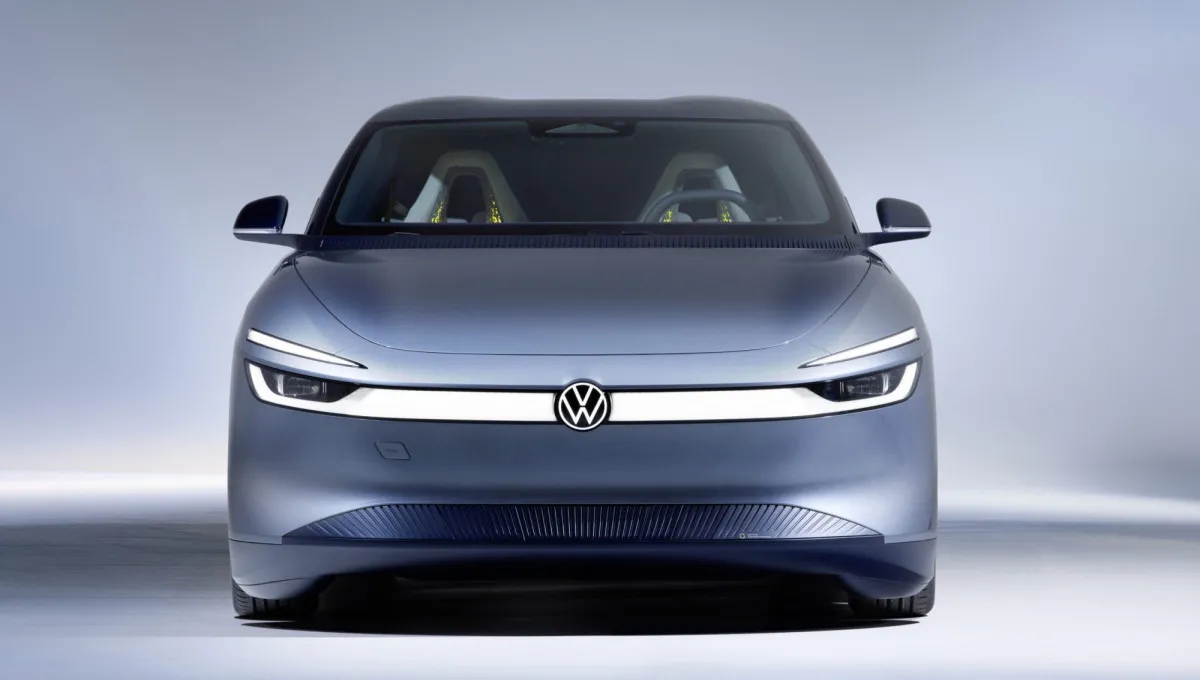
Volkswagen Mission Efficiency Concept Sets Three World Records, Looks Like a 13-Year-Old Model
Volkswagen has unveiled the new Mission Efficiency concept, a radical electric coupe focused on maximizing range and energy efficiency.
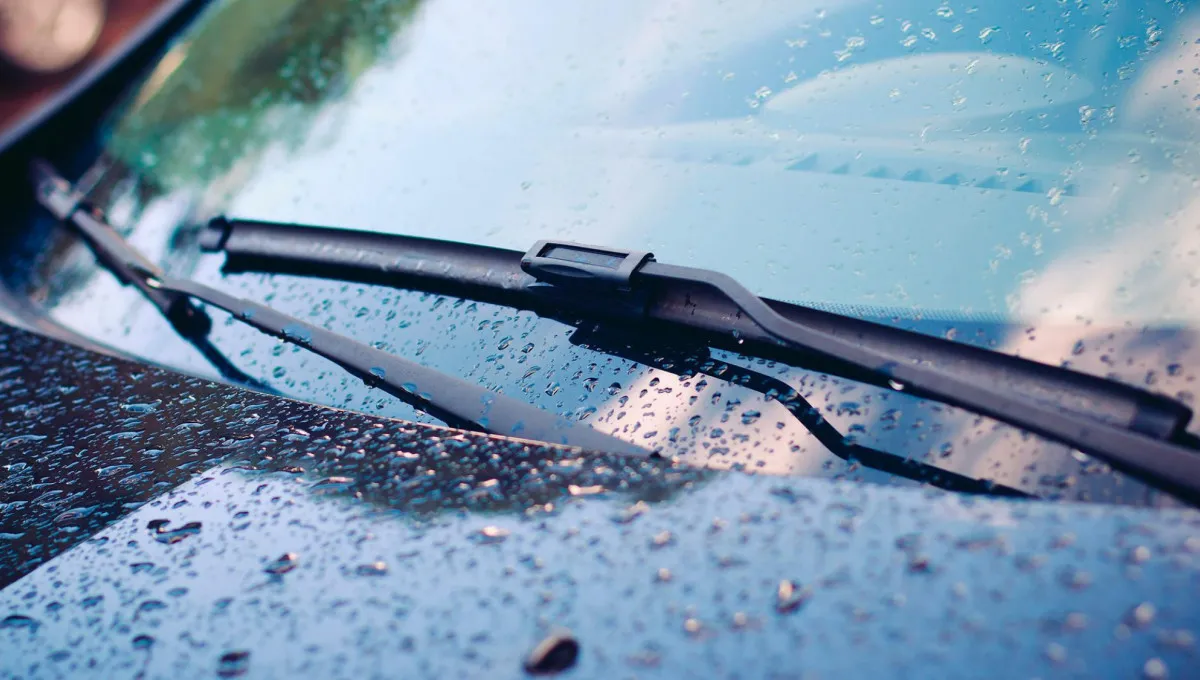
One Capful and Your Wipers Stop Squeaking: Experts Reveal a Simple Trick
We've all been there: windshield wipers start squeaking, smear grime across the glass and leave streaks behind instead of actually helping.