
Volkswagen Announces 50,000 Job Cuts as Profits Fall 14%: Workers Left Out on the Street
Volkswagen’s profits fall amid tariffs, weaker sales, and restructuring plans in Germany.
Volkswagen has come under heavy pressure after reporting a sharp drop in profits alongside plans for large-scale job cuts. Analysts say rising tariffs and ongoing instability in global markets are already taking a toll on the automaker’s performance.
The decline in earnings and the planned workforce reductions at Volkswagen send a worrying signal for the broader auto industry. Decisions made by Europe’s largest manufacturers often ripple through global markets, influencing vehicle pricing, model availability, and the pace of new technology development that eventually reaches other regions.
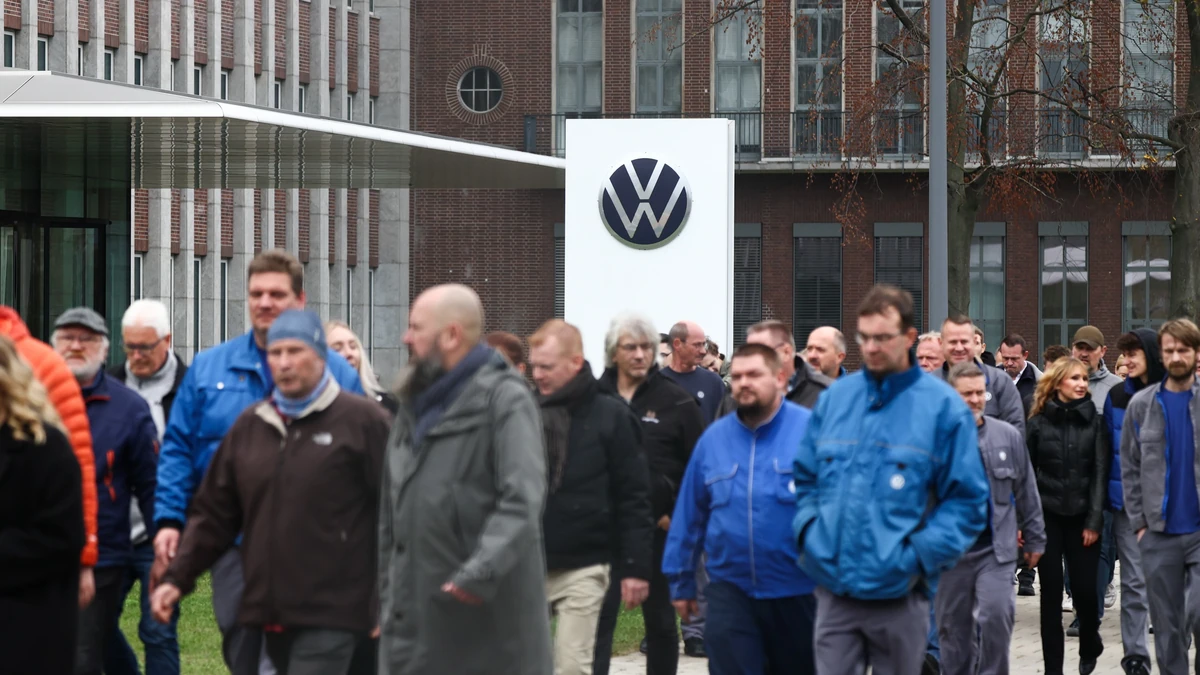
In the first quarter of 2026, Volkswagen reported a 14% drop in operating profit, down to €2.5 billion. Revenue also slipped 2.5% to €75.7 billion, while operating margin came in at 3.3%. The company points to several key pressures behind the downturn, including high import tariffs in the United States—costing the group roughly €4 billion annually—as well as weaker sales in both China and the U.S. Added uncertainty from geopolitical tensions is also making demand harder to predict.
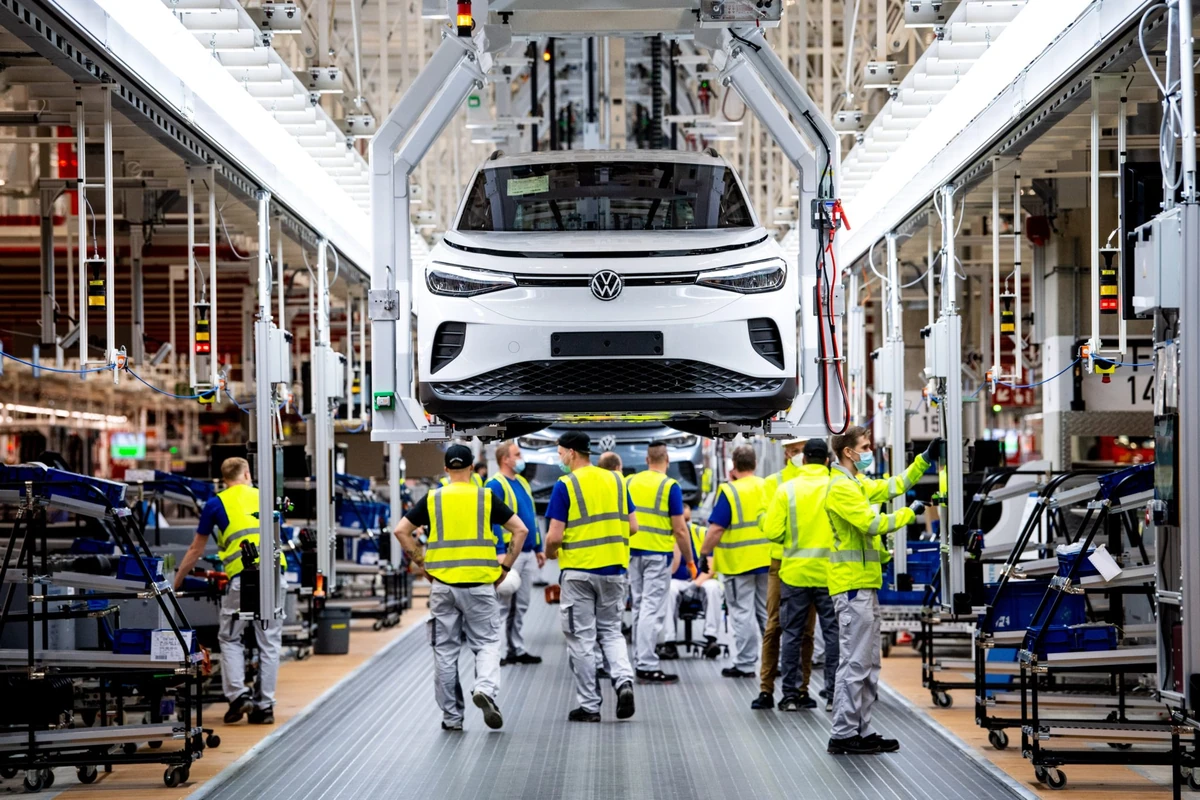
One of the most significant announcements is the plan to eliminate around 50,000 jobs in Germany by 2030. The move is part of a broader cost-cutting strategy aimed at adapting to a more difficult economic environment. Company leadership says the restructuring is necessary to maintain competitiveness as expenses rise and global conditions remain unstable. Despite the current downturn, Volkswagen expects an operating margin of 2.8% for 2025, with a potential rise to 4–5.5% by 2026, though that outlook does not factor in possible escalation of conflicts in the Middle East, which could add further risk.
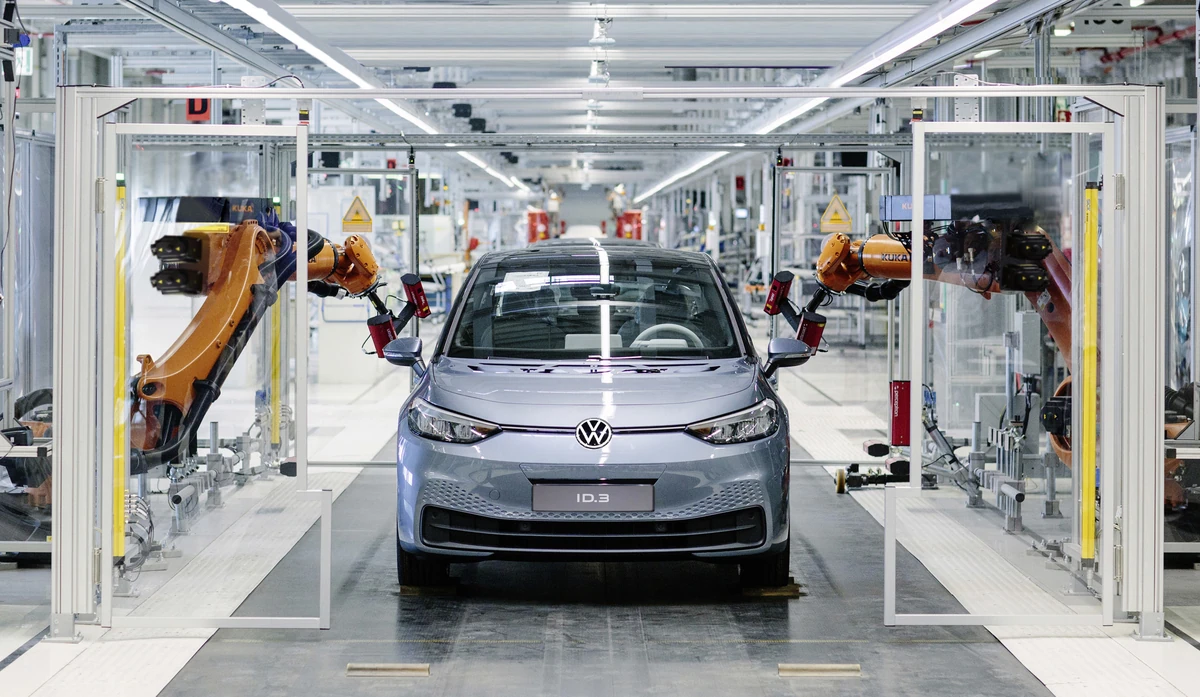
Similar challenges are being reported across Germany’s auto sector. Mercedes-Benz also saw operating profit fall 17% in Q1 2026 to €1.9 billion, with global sales down 6%. In China, its largest market, deliveries dropped sharply by 27%.
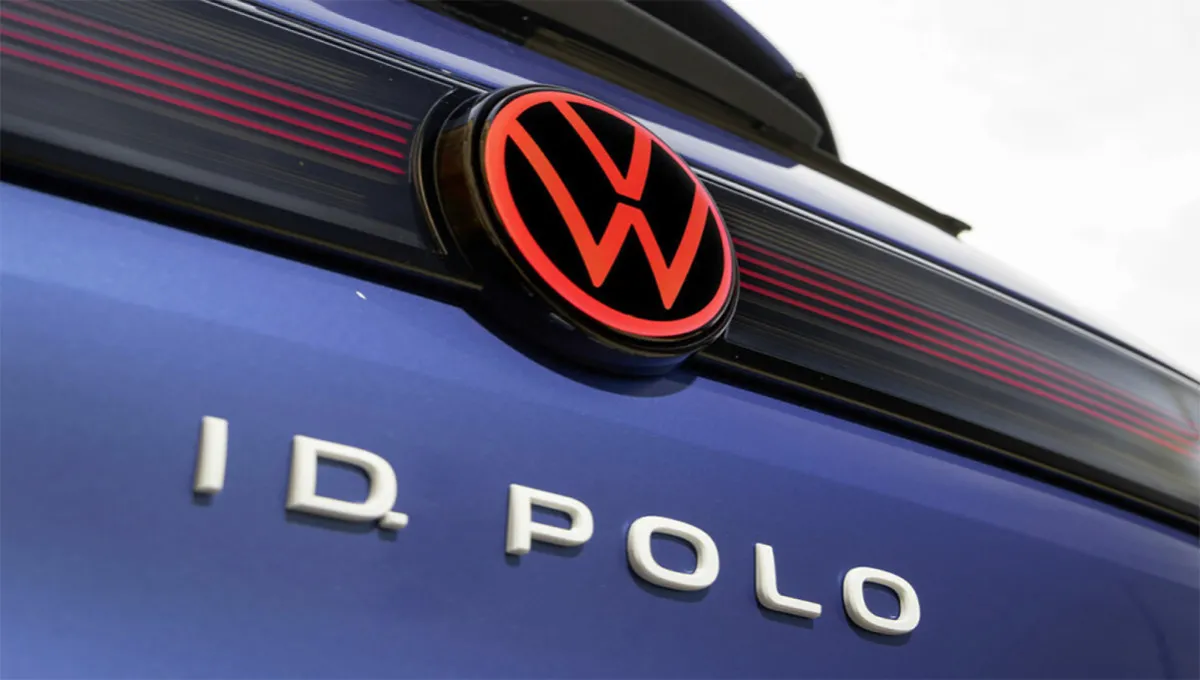
Despite financial headwinds, Volkswagen continues to push forward with new products and electrification efforts. The company recently unveiled the all-electric ID. Polo, a next-generation hatchback built on the MEB+ platform. Even under pressure, Volkswagen says it will keep investing in electric vehicles and digital systems, viewing them as essential to regaining momentum in the global market.
You may also be interested in the news:
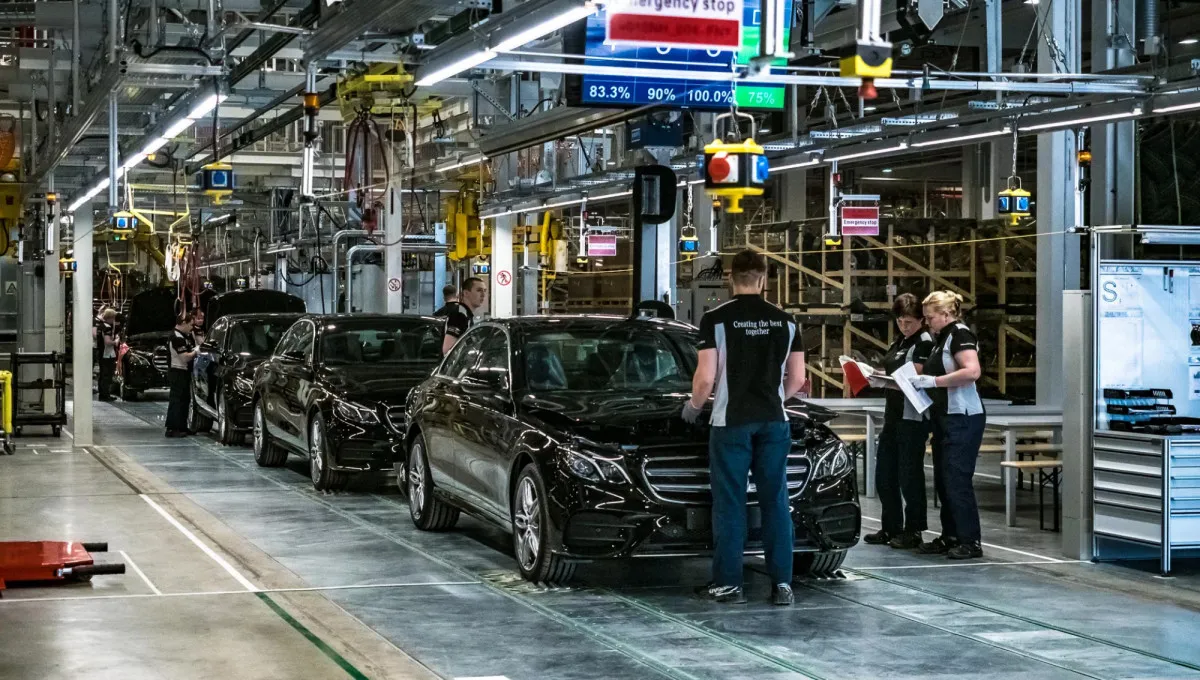
Mercedes-Benz to Close Plants and Cut Wages as Workers Face Layoffs
Mercedes-Benz is preparing to restructure its business, including potential pay cuts, layoffs and even the closure of a factory.
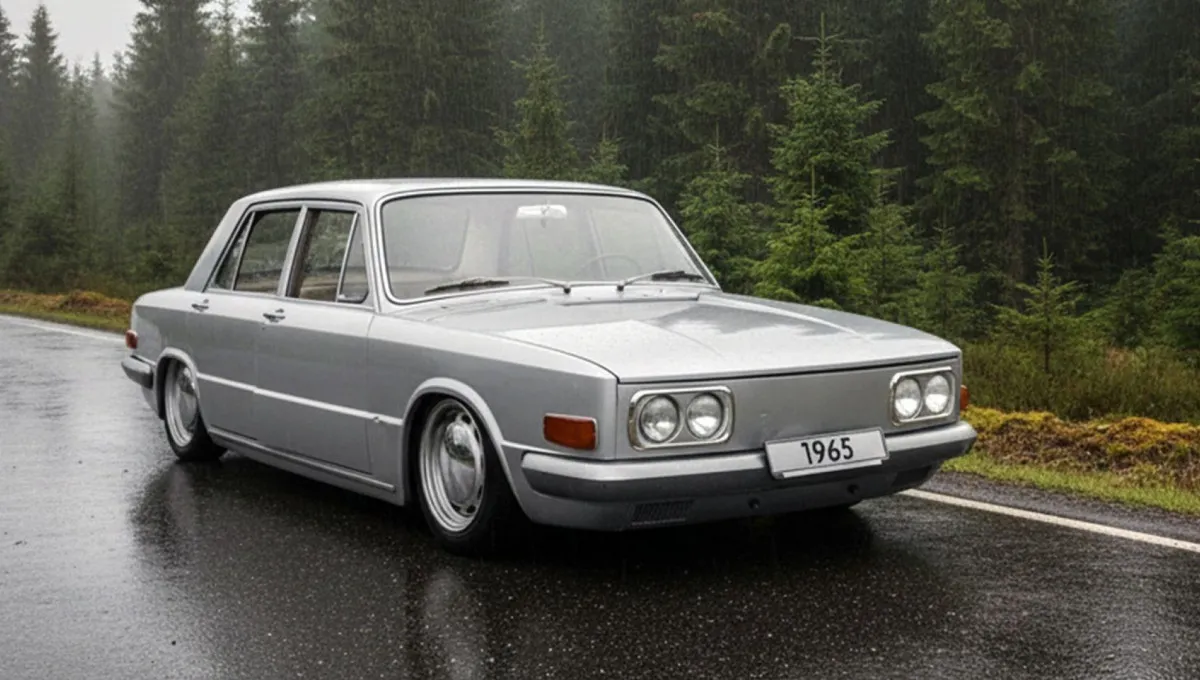
“VW on the Outside, Porsche Underneath”: The Story of the Failed EA-128 Sedan
A little-known Volkswagen prototype combined a large sedan body with Porsche 911 hardware in an attempt to enter the upscale market.
Volkswagen Finds Support in India as Company Plans New Vehicles With JSW
Volkswagen and JSW Group have signed a memorandum to create a joint venture in India focused on developing new vehicles.
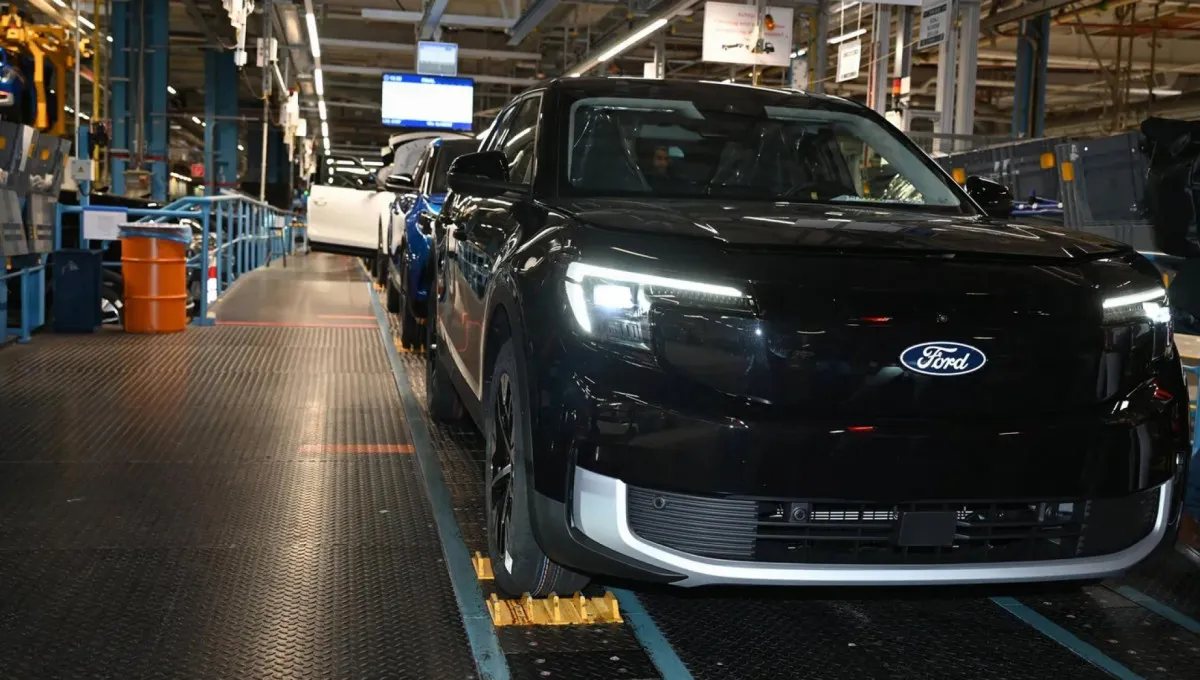
U.S. Officials Demand Ford Cut Its Technology Ties With China
U.S. Transportation Secretary Sean Duffy urged Ford to end partnerships with Chinese companies over technology and national security concerns.
Volkswagen ID. Polo Demand Is So Strong Buyers Face a Nearly Yearlong Wait
Demand for Volkswagen’s affordable EV is so strong that buyers may wait nearly a year before taking delivery.