
Why GM’s Futuristic Bus from the Past—the Futurliner—Sold for $4 Million
Today, classic cars inspire awe among true automotive enthusiasts, but buses rarely appear among the most coveted vintage machines.
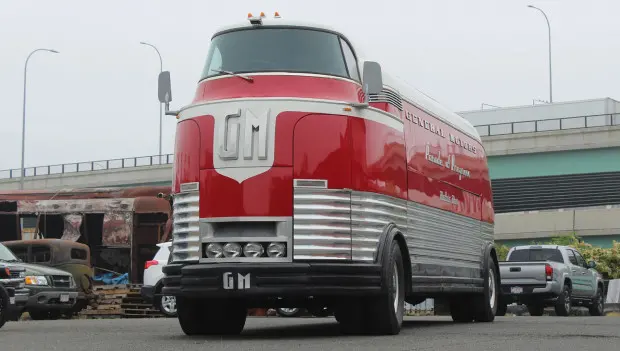
Today, classic cars inspire awe among true automotive enthusiasts, but buses rarely rank among the most exclusive vehicles from the past. That’s why the futuristic GM Futurliner caused such a sensation when it crossed the auction block and sold for $4 million. So what makes it so special?
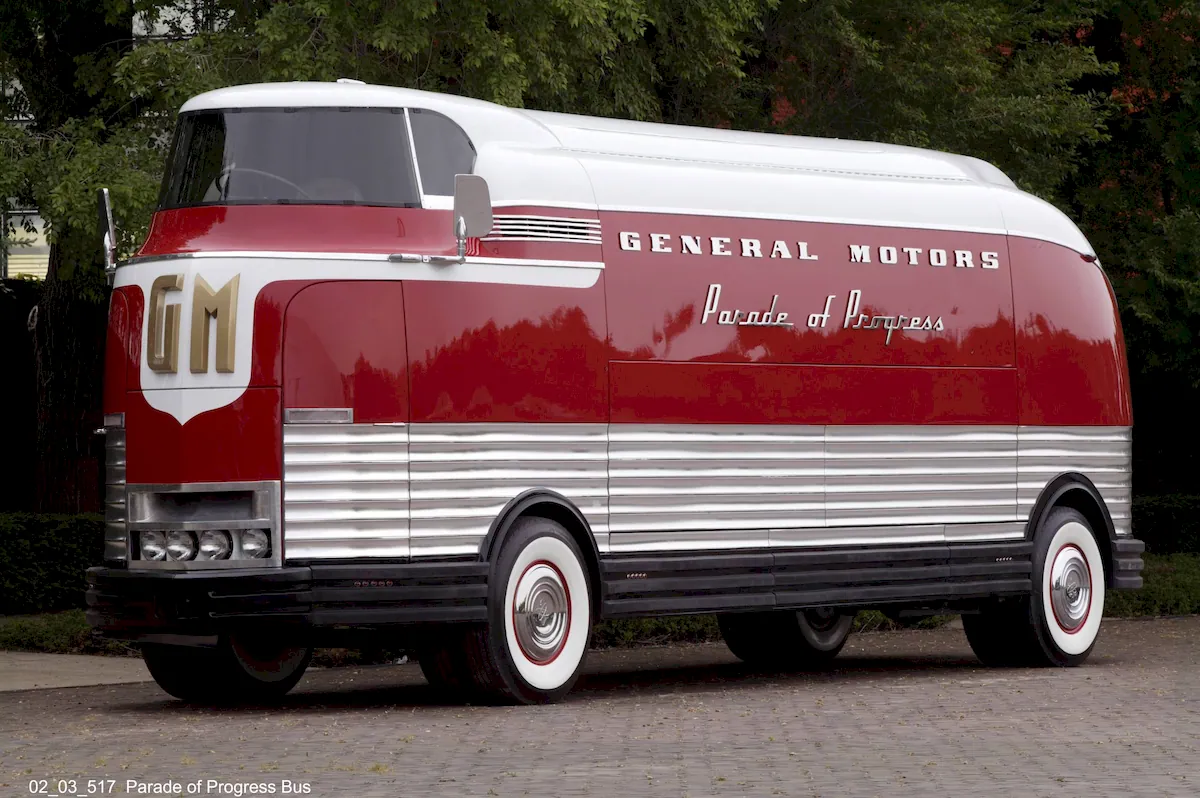
Only 12 Futurliner buses were built between 1939 and 1940, and just nine are known to have survived to the present day. Two of those surviving examples, unfortunately, are beyond restoration and are slated to be dismantled for parts to help restore the others.
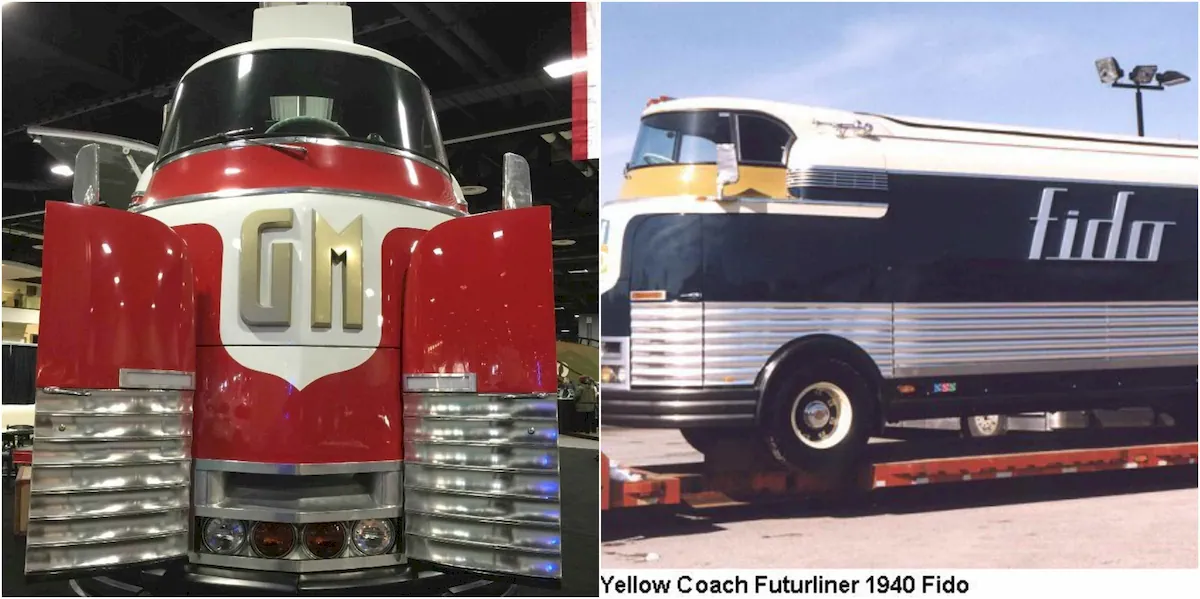
So what exactly is this strange beast with such a futuristic design by 1940s standards? The Futurliners were custom-built by General Motors for the so-called “Parade of Progress,” a traveling exhibition that toured North America. GM used the show to promote the cars and technologies of the future. The Futurliners themselves were enormous: about 11 feet (3.35 meters) tall, 8 feet (2.45 meters) wide, and 33 feet (10 meters) long, weighing more than 13 tons.

Styled in bold Art Deco fashion, the buses drew a mix of admiration and confusion wherever they went. Seeing one roll down the street was said to be like spotting a UFO today. Power came from military-derived hardware—this massive machine needed serious muscle—so the Futurliner was equipped with a 5.0-liter inline-six gasoline engine paired with an automatic transmission.
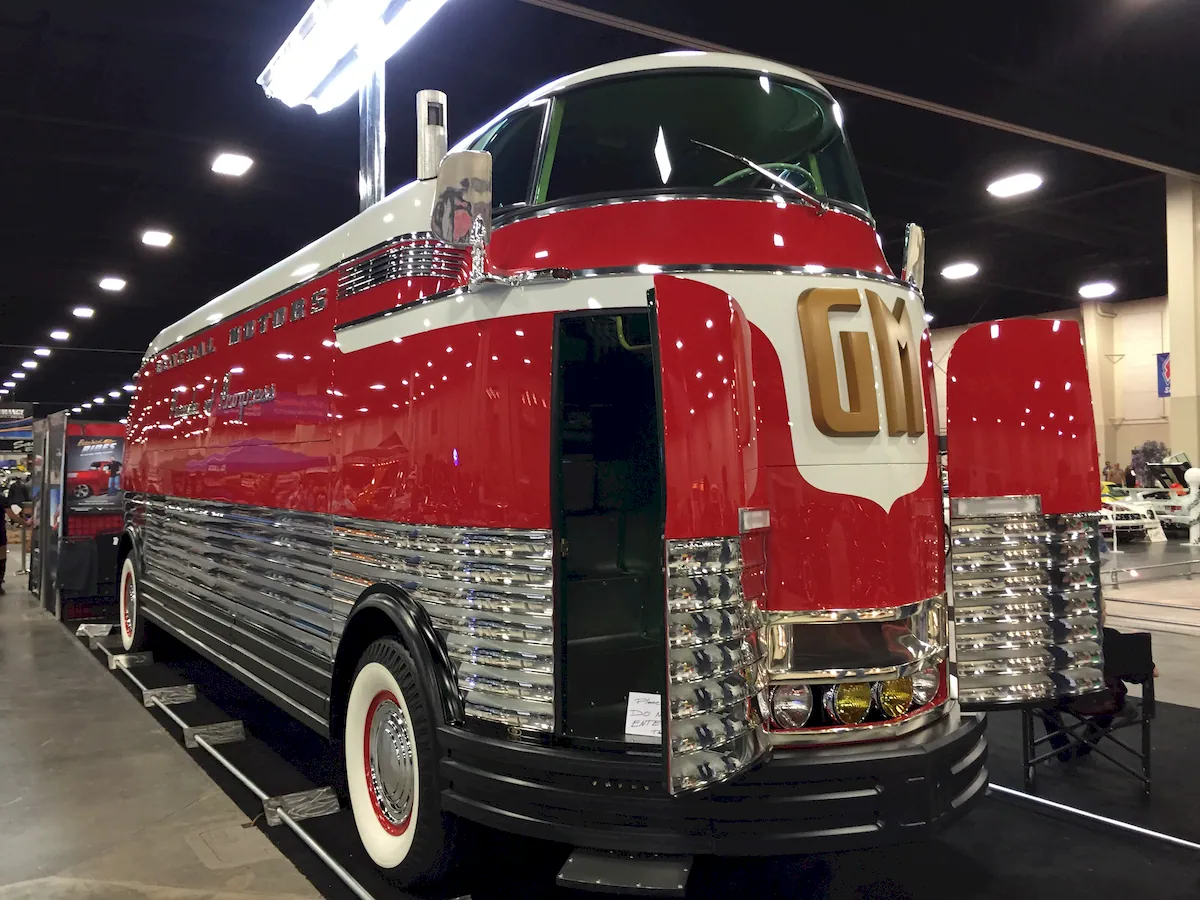
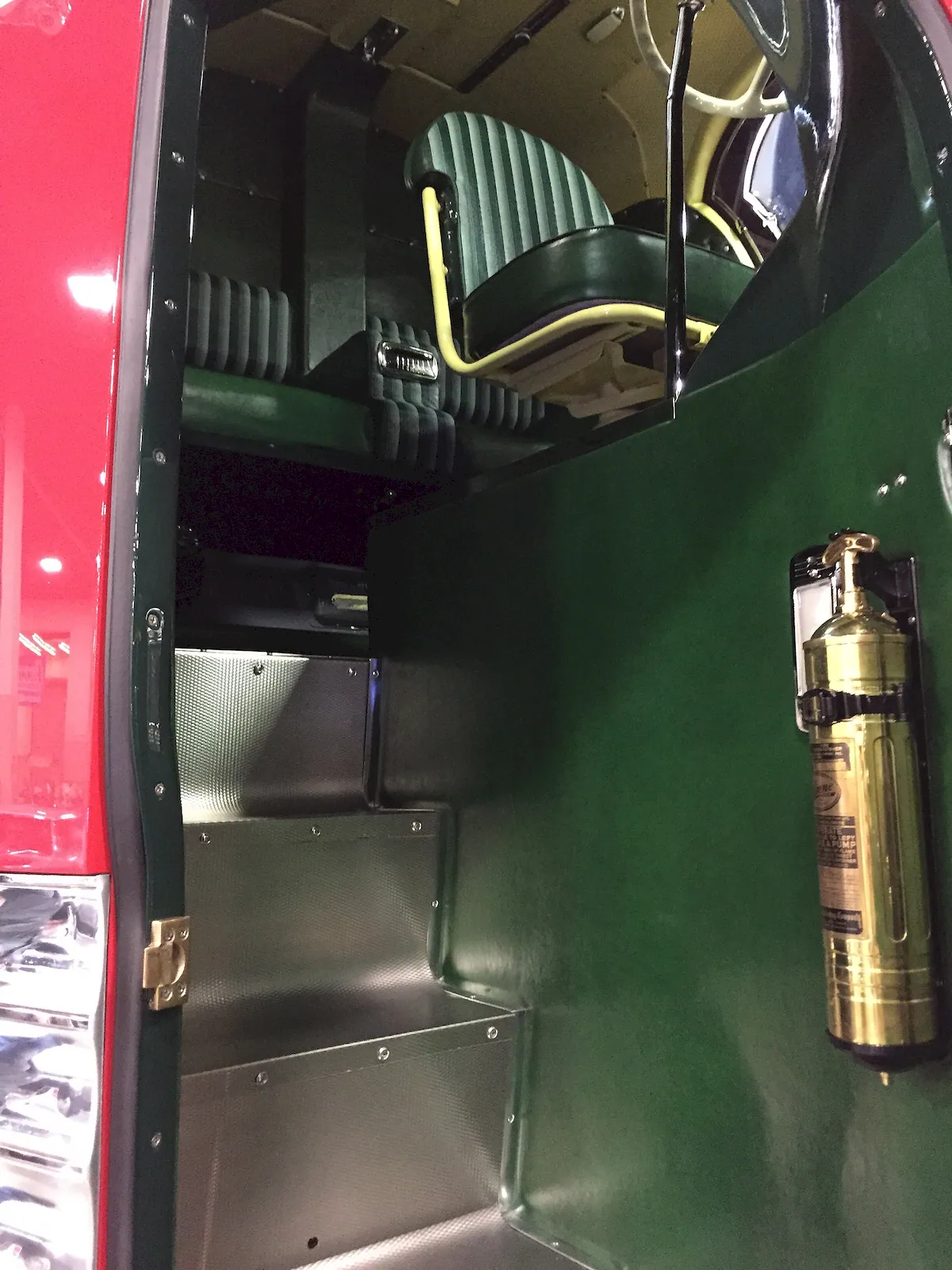
Another unusual feature was the driver’s seat, positioned dead center rather than off to one side. From a commanding height of nearly 10 feet, the driver looked straight down the road. When the caravan of 12 Futurliners arrived in a city, the buses would park and open their massive side panels. Designed purely as technology showcases, they featured full-length doors along the wheelbase that swung open, transforming each bus into a kind of rolling stage.
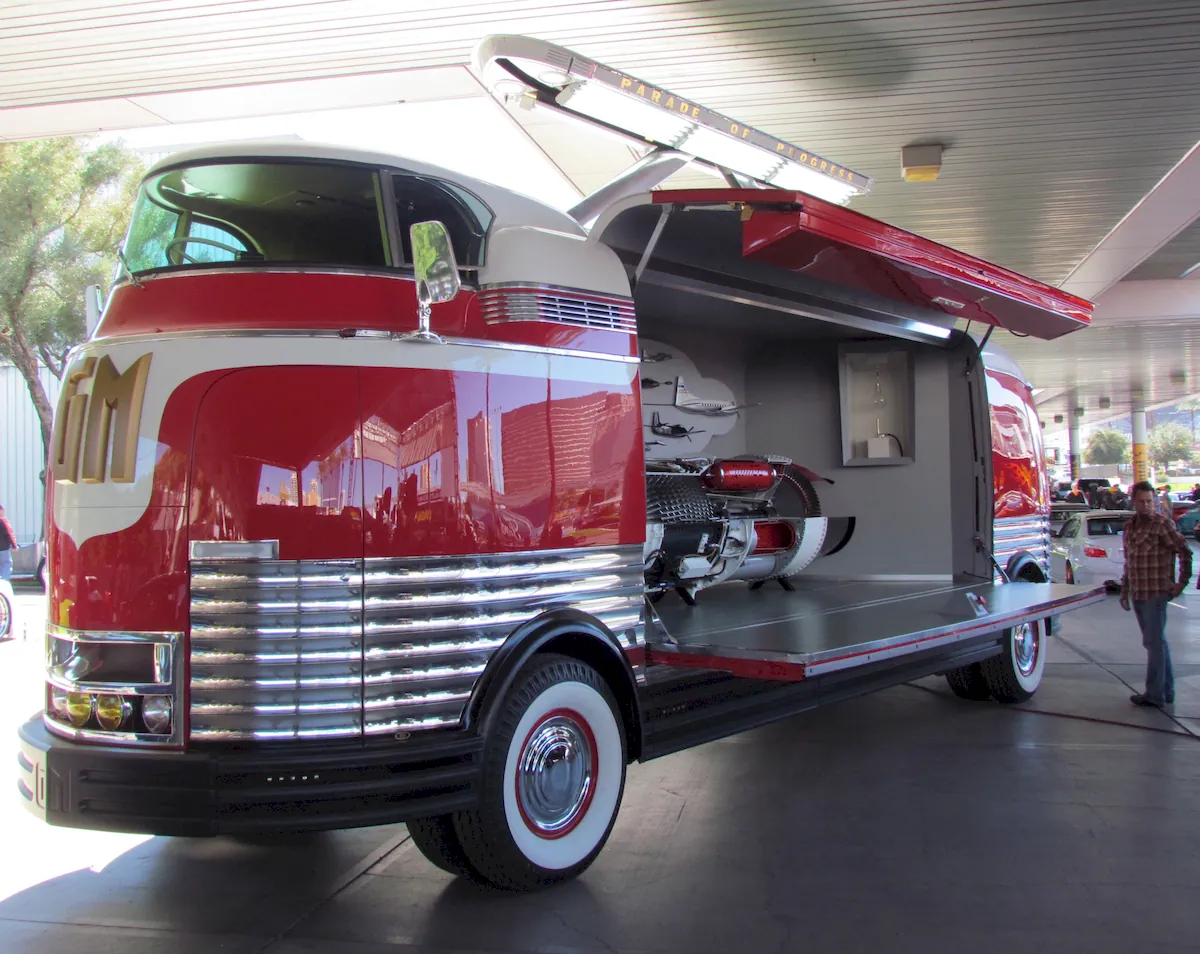
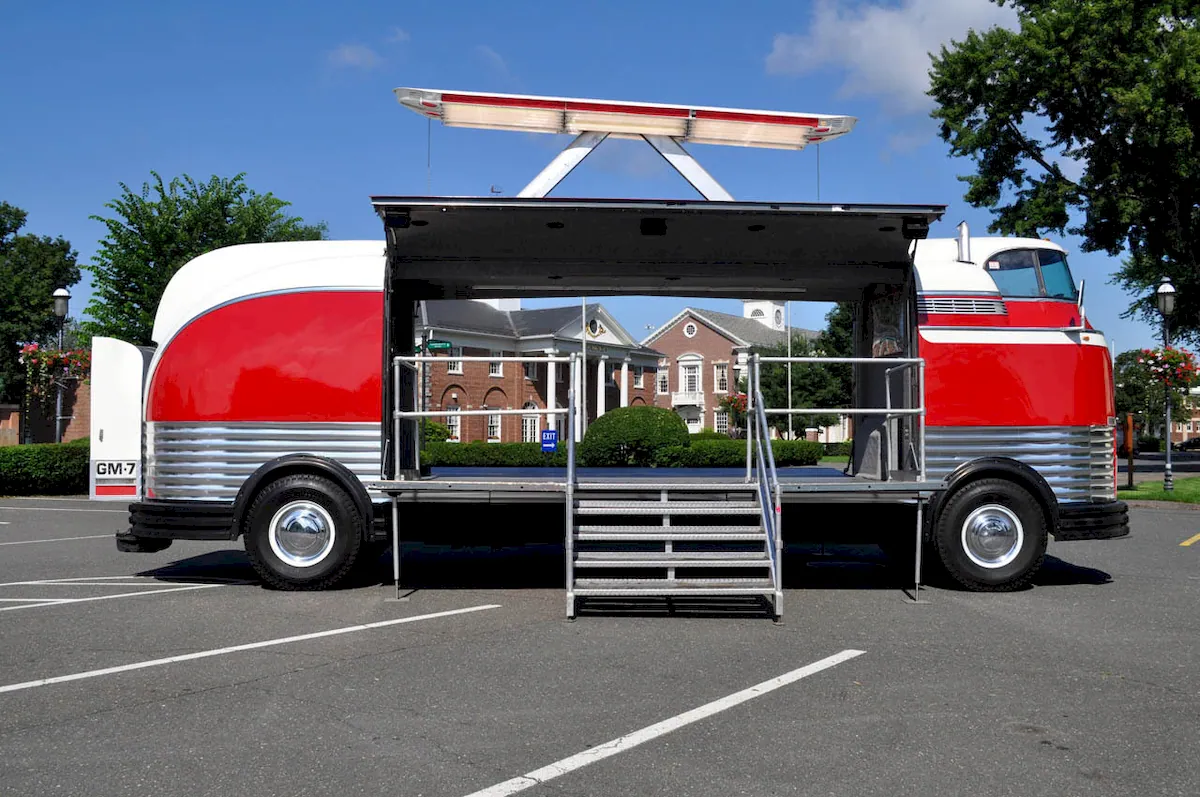
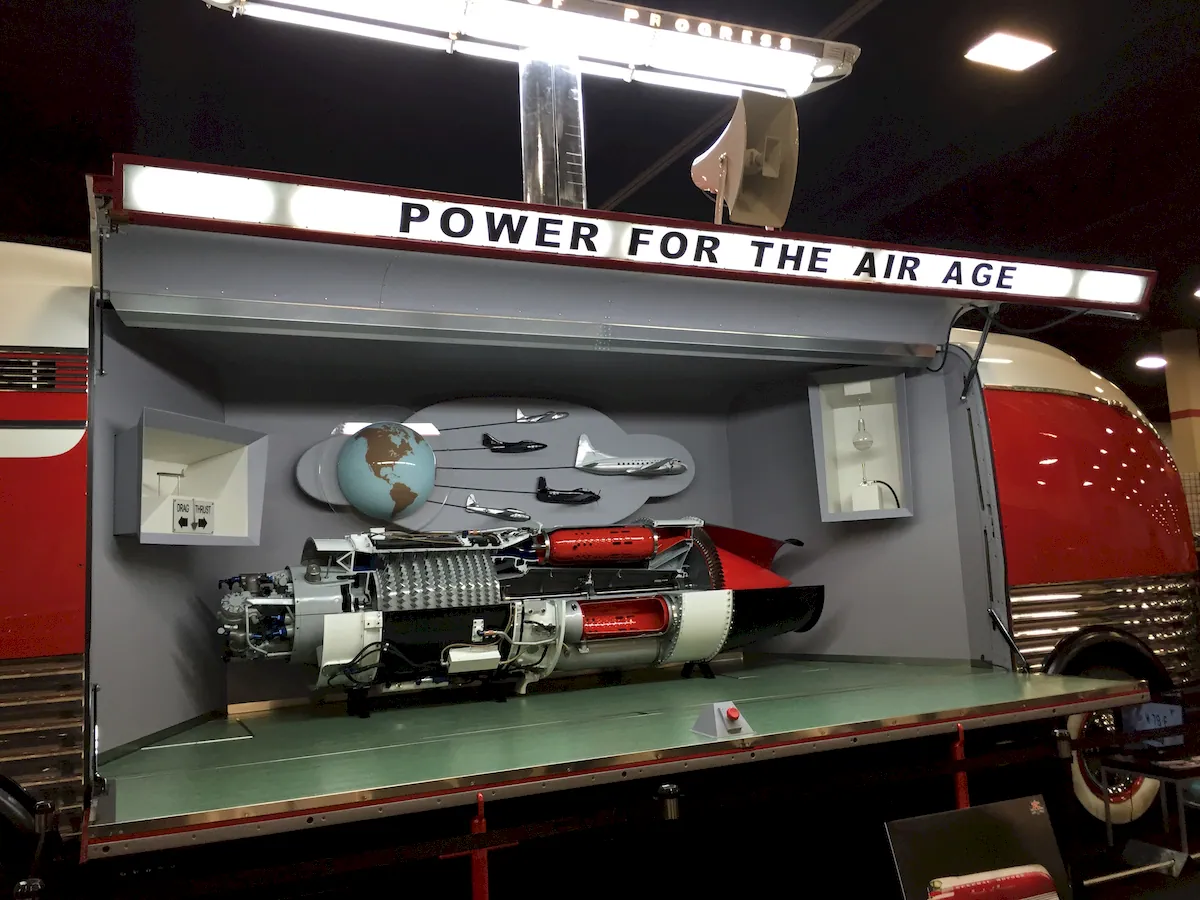
At the exhibitions, the Futurliners displayed the latest advances in science and technology—each bus featuring different innovations. These included jet engines, automotive gadgets, agricultural machinery, microwave ovens, stereophonic sound systems, and television sets.
After the program ended, General Motors sold nine Futurliners and donated two to the Michigan State Police. Renamed “Safetyliners,” they were used as part of the state’s traffic safety outreach efforts. The Parade of Progress was halted by the outbreak of World War II, but in 1953 the buses were refurbished and sent back on the road to once again showcase what were billed as the “miracles of modern technology.”
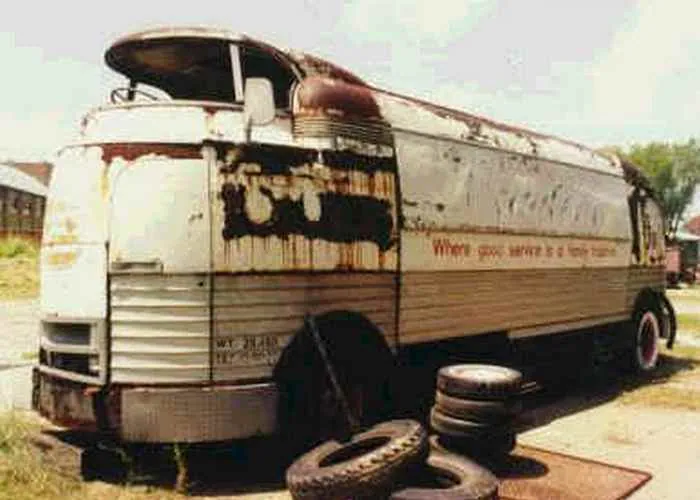
The project was ultimately shut down in 1956 due to the growing popularity of television. Ironically, the very technology the Futurliners helped promote—TV—made them obsolete. One of the buses was purchased by well-known Christian televangelist Oral Roberts, who used it as a mobile stage for his evangelical crusades during the 1960s.
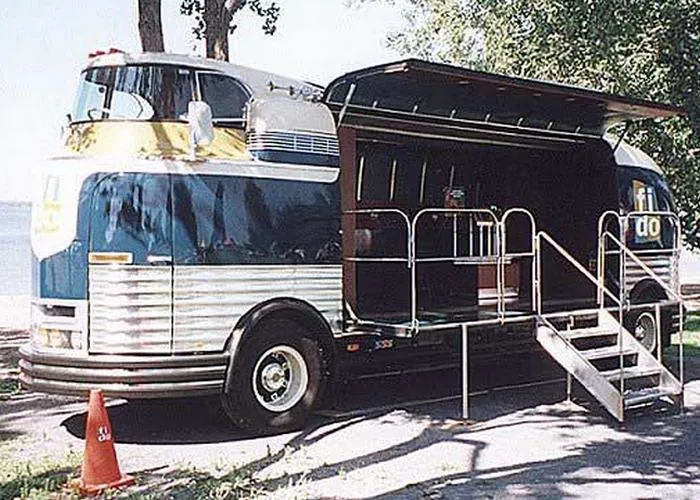
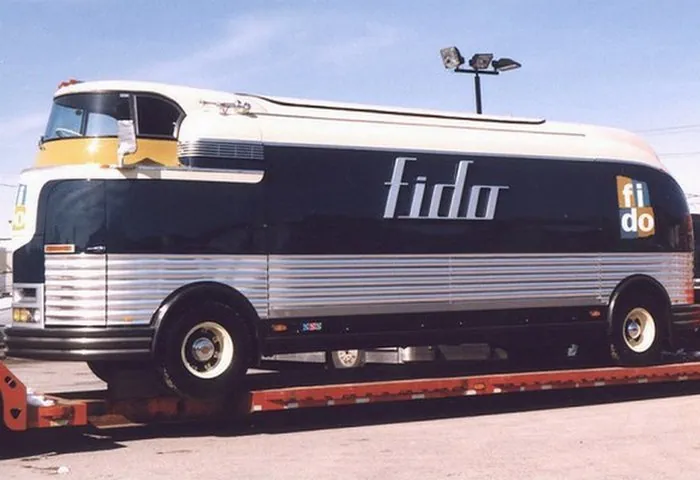
The last of these icons was badly damaged during a parade in 1956 and was never restored. The most famous Futurliner was sold in 2006 to Ron Pratt at the Barrett-Jackson auction in Arizona for a staggering $4 million. Nearly a decade later, in 2015, another Futurliner sold at the same auction for the same price, with proceeds donated to the Armed Forces Foundation.
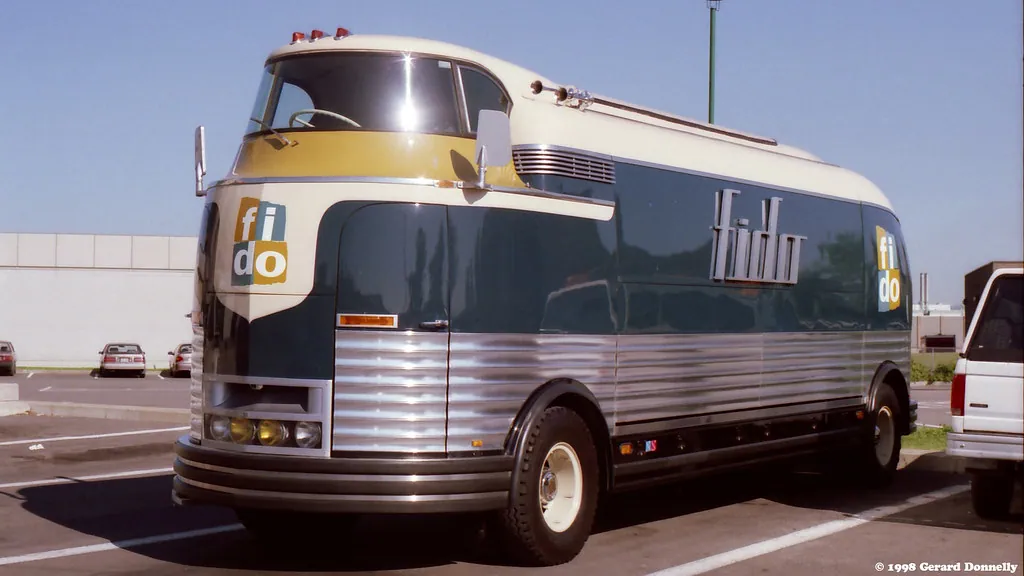
Another legendary Futurliner has been converted into a motorhome. Futurliner No. 8 was purchased by Swedish collector Niklas Johansson and shipped to Sweden, where he plans a decade-long restoration. Bus No. 5 has been converted into a tractor unit, while No. 3 has appeared on several TV shows. No. 4 has been restored in Maine, and the final two remain officially listed as missing.
You may also be interested in the news:
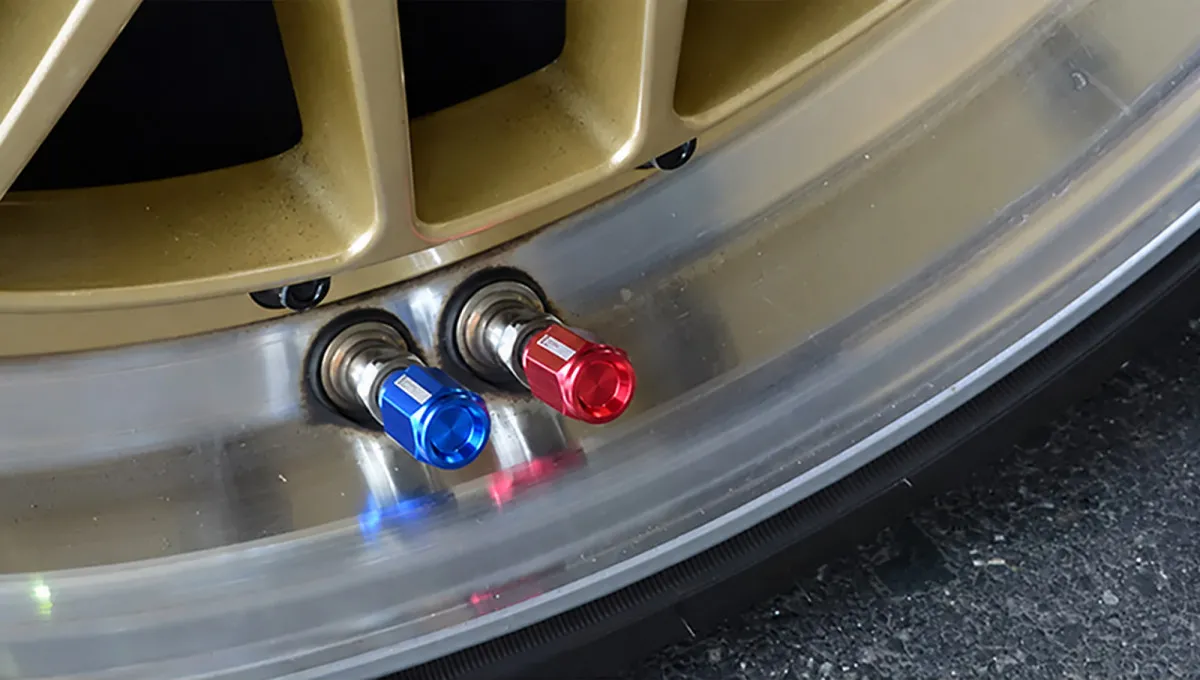
Not a Manufacturing Error: Why Some Wheels Have Two Valve Stems
Two valve stems on one wheel may look unusual, but the setup serves a practical purpose in racing and specialized tire service.
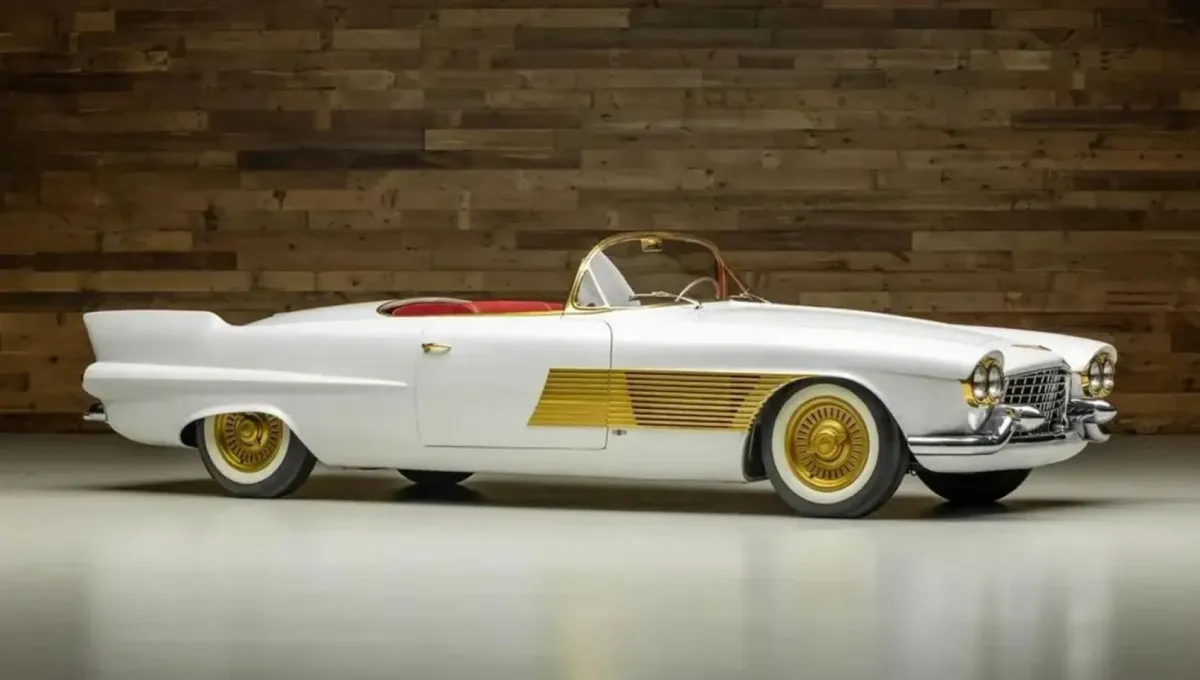
Gilded 1953 Cadillac Sells for a Record $1.275 Million
The unique Cadillac Elegante, featuring an Italian aluminum body and 24-karat gold trim, went to auction for the first time more than 70 years after it was built. It became the most expensive Cadillac ever sold at public auction.

Chrysler Will Shift to Affordable SUVs as the Company Overhauls Its Strategy
The head of Stellantis announced a historic shift in how Chrysler is positioned. The American company is moving away from expensive vehicles and will focus on affordable models.
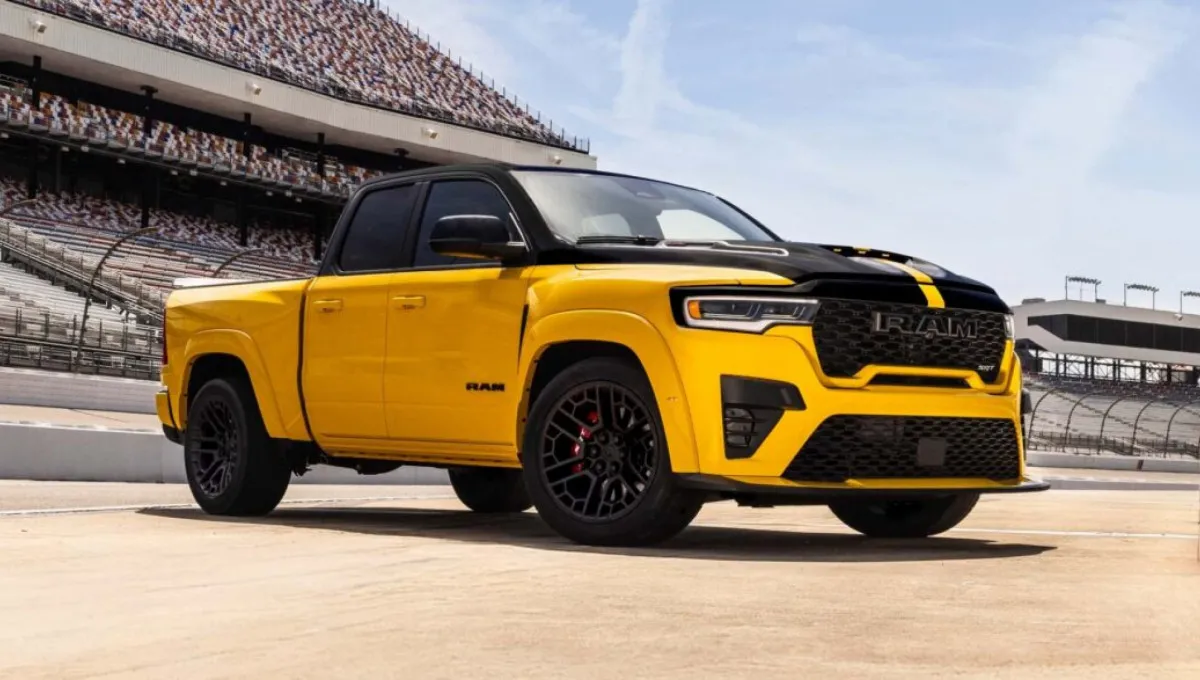
UFC Boss Dana White Buys Two Unique Ram Trucks for $1.5 Million
Dana White paid $1.5 million for the first customer-bound 2027 Ram 1500 Rumble Bee SRT and a one-off Viper-powered Ram SRT-10.

Why Your Neighbor Always Parks With the Wheels Turned: An Auto Expert Explains Three Reasons
Straight wheels aren’t always the smartest choice: experienced drivers turn them for three practical reasons you may not expect.