
Six Cars That Kept Their Brands From Going Under
Several iconic automakers came dangerously close to collapse—until one crucial model changed everything for them.
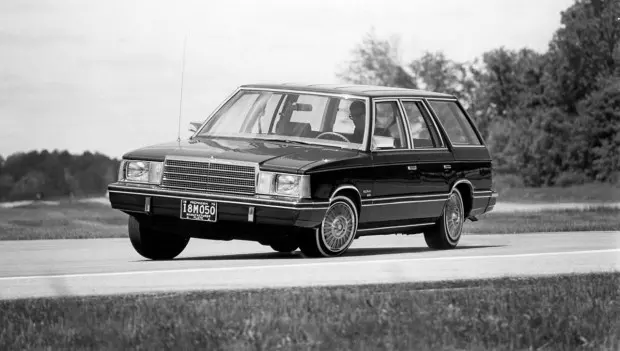
It might sound surprising, but several well-known automakers nearly disappeared for good. The late 20th century and early 2000s weren’t exactly easy on the car business, with oil crises, recessions, and shifting buyer habits pushing companies to the brink. Even a brand as strong as Honda once faced serious trouble. In many cases, it took one breakout model to turn things around.
Honda Civic
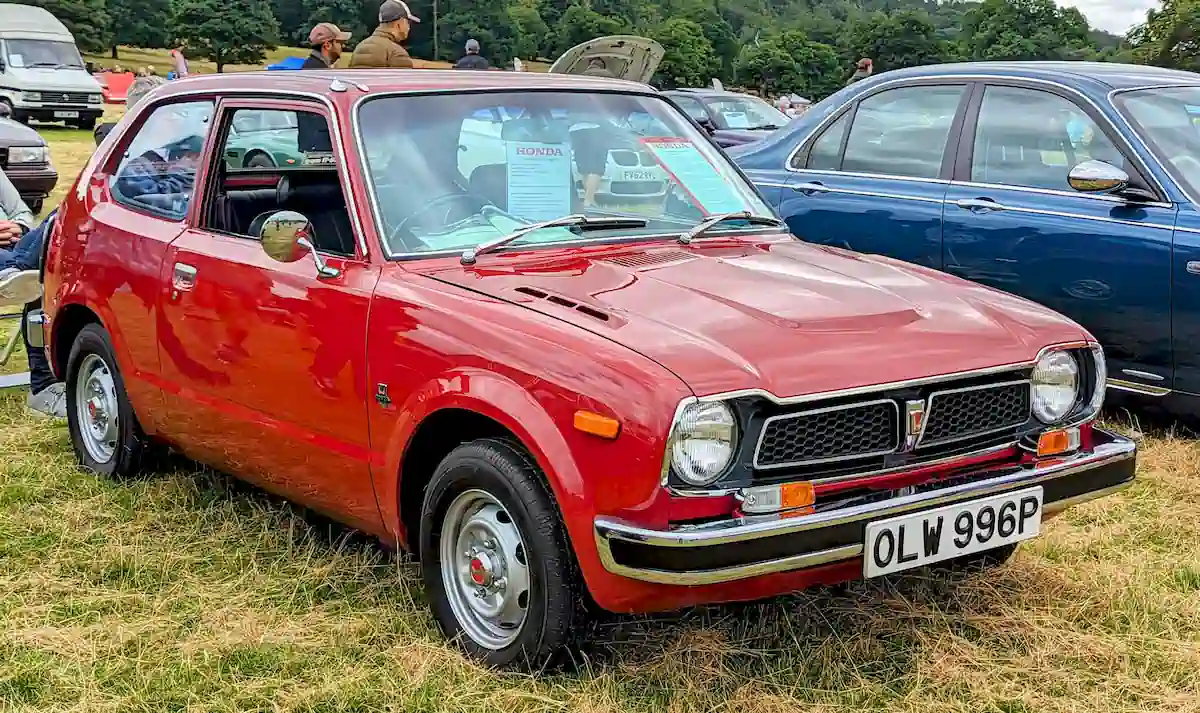
How do you make money building cars? Offer something affordable and fuel-efficient—then wait for a gas crisis. That’s basically how Honda broke into the U.S. market. Back in the 1960s, the company was mostly known for motorcycles and small domestic vehicles. Its early attempt to go global with the Honda 1300 didn’t land well due to rising costs. Then came the Civic. Right as the U.S. fuel crisis hit in the 1970s, American buyers ditched gas-hungry domestic cars in favor of smaller, efficient imports—and Honda was ready.
Buick Regal
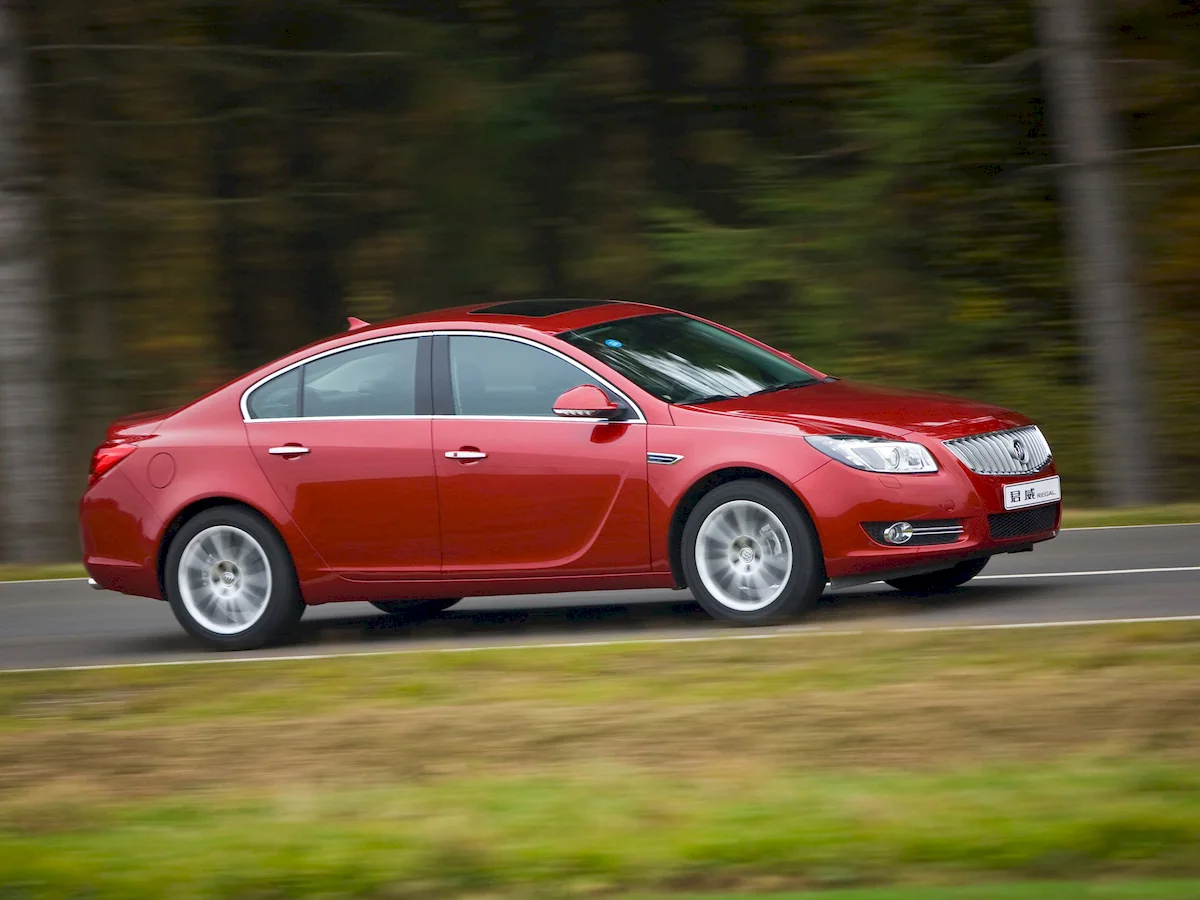
What looks like an American sedan here is actually based on the Opel Insignia. General Motors adapted the model for global markets, including the U.S. Around 2008, during the financial crisis, American buyers tightened their budgets, and expensive vehicles fell out of favor. A more affordable, well-balanced sedan like the Regal suddenly made a lot of sense—and helped keep the Buick brand relevant.
Aston Martin DB7
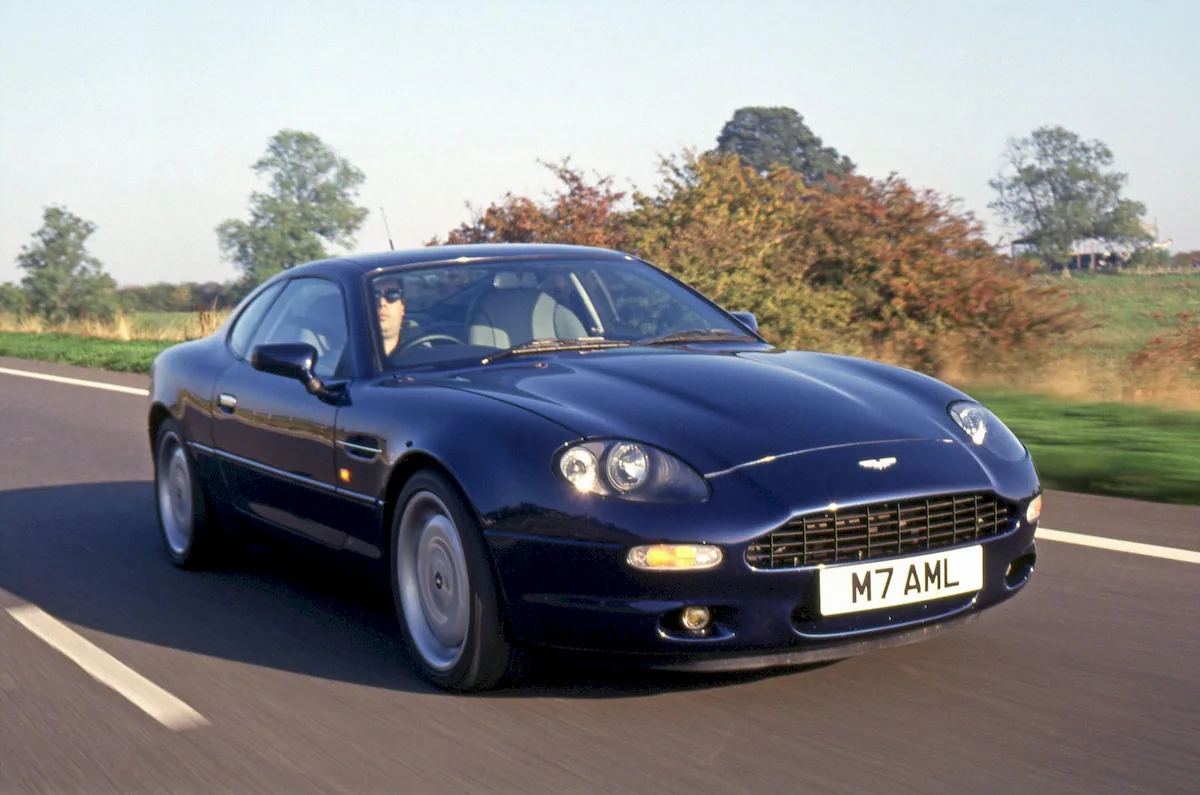
The British auto industry has had its share of ups and downs, and Aston Martin has flirted with bankruptcy more than once. The DB7 came at just the right moment, developed with backing and components from Ford Motor Company and even some shared engineering with Mazda. Despite the mixed origins, the final product was a hit. It didn’t just save Aston Martin—it set the tone for the brand’s future design and performance direction.
Porsche Boxster
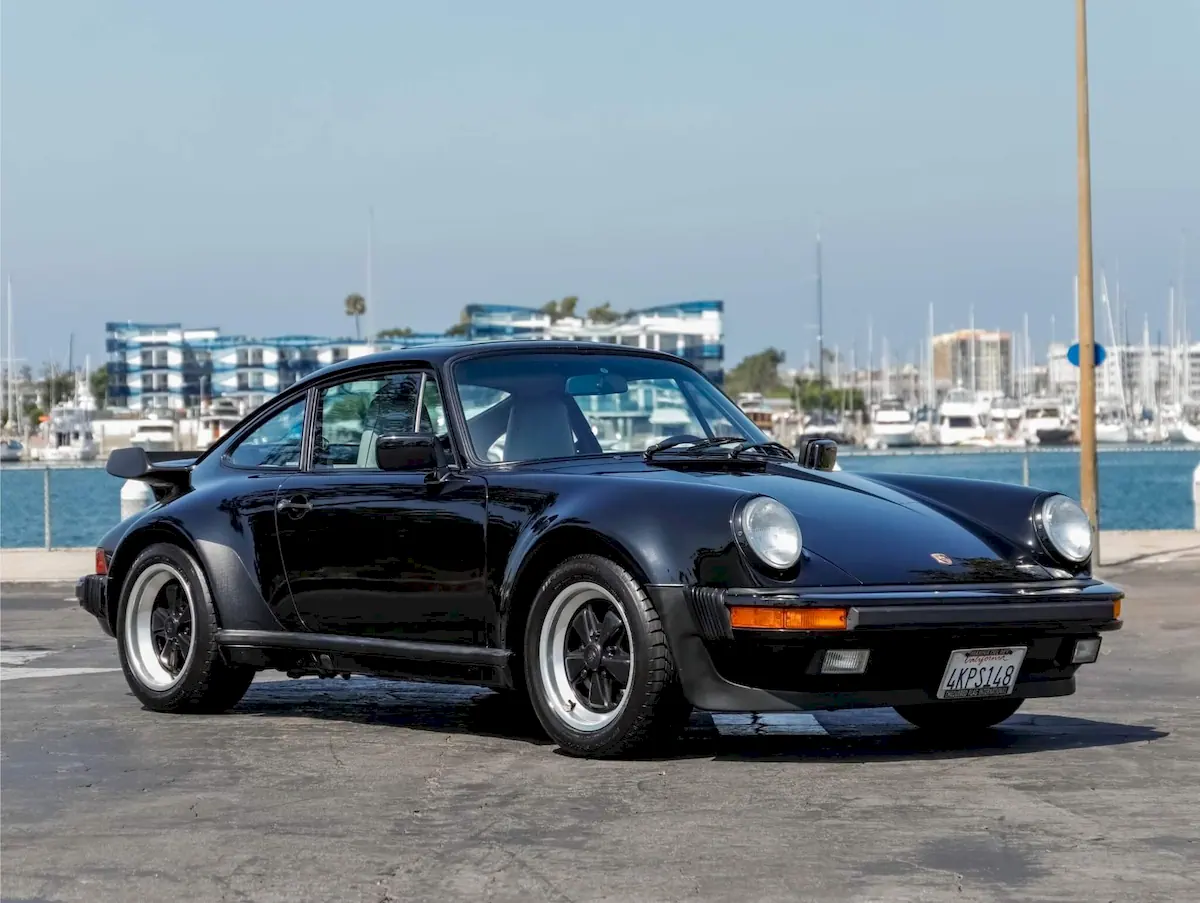
Porsche has faced tough times before, especially in the 1980s. Models like the 924 and 944 helped stabilize things, but the real turning point came with the Boxster. This mid-engine sports car captured the essence of what made Porsche special—sharp handling, clean design, and strong performance. Its success laid the groundwork for future hits, including the wildly popular Porsche Cayenne.
BMW Isetta
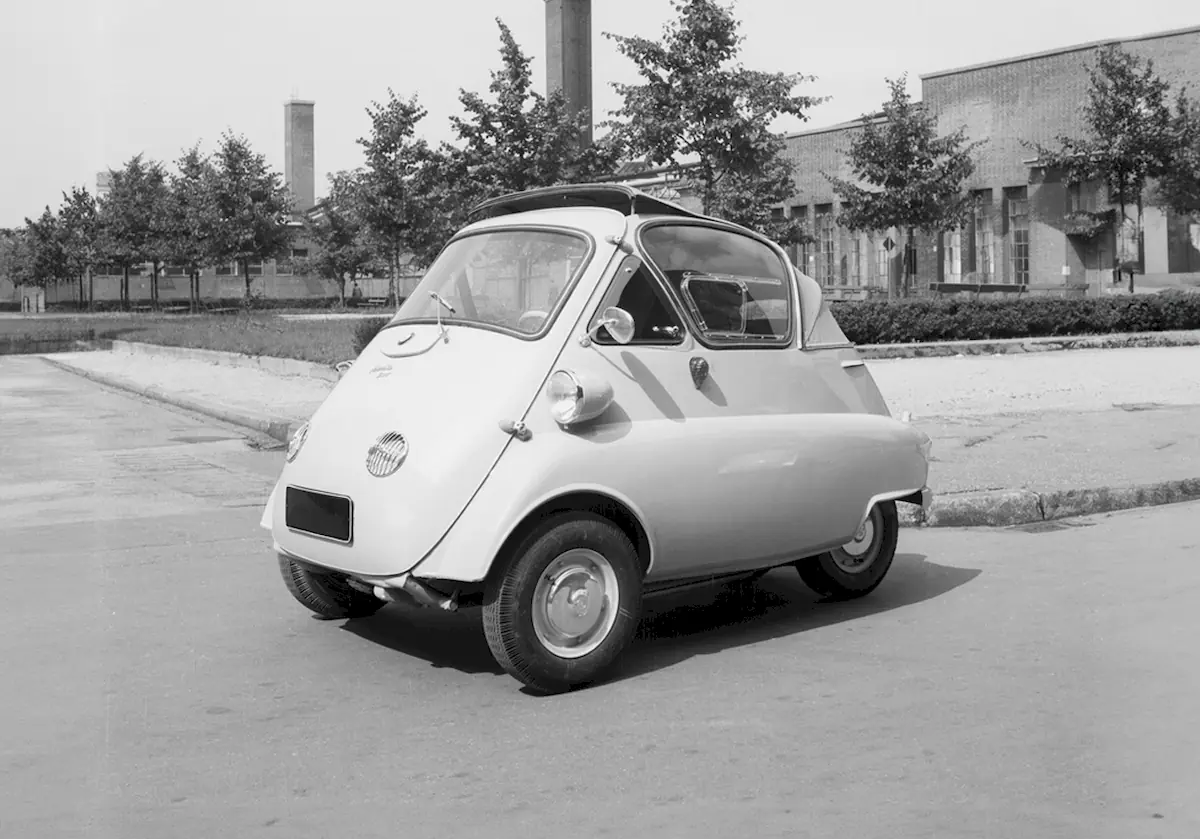
Post-war Europe wasn’t exactly a booming car market. BMW struggled to sell premium cars when few people could afford them. The solution? Go small—really small. The Isetta, originally designed by Italy’s Iso, was a tiny two-seater powered by a modest engine producing about 13 horsepower. It looked unusual, to say the least, but it was cheap, efficient, and exactly what buyers needed. That little car helped BMW stay afloat during a very difficult time.
Chrysler K-Car
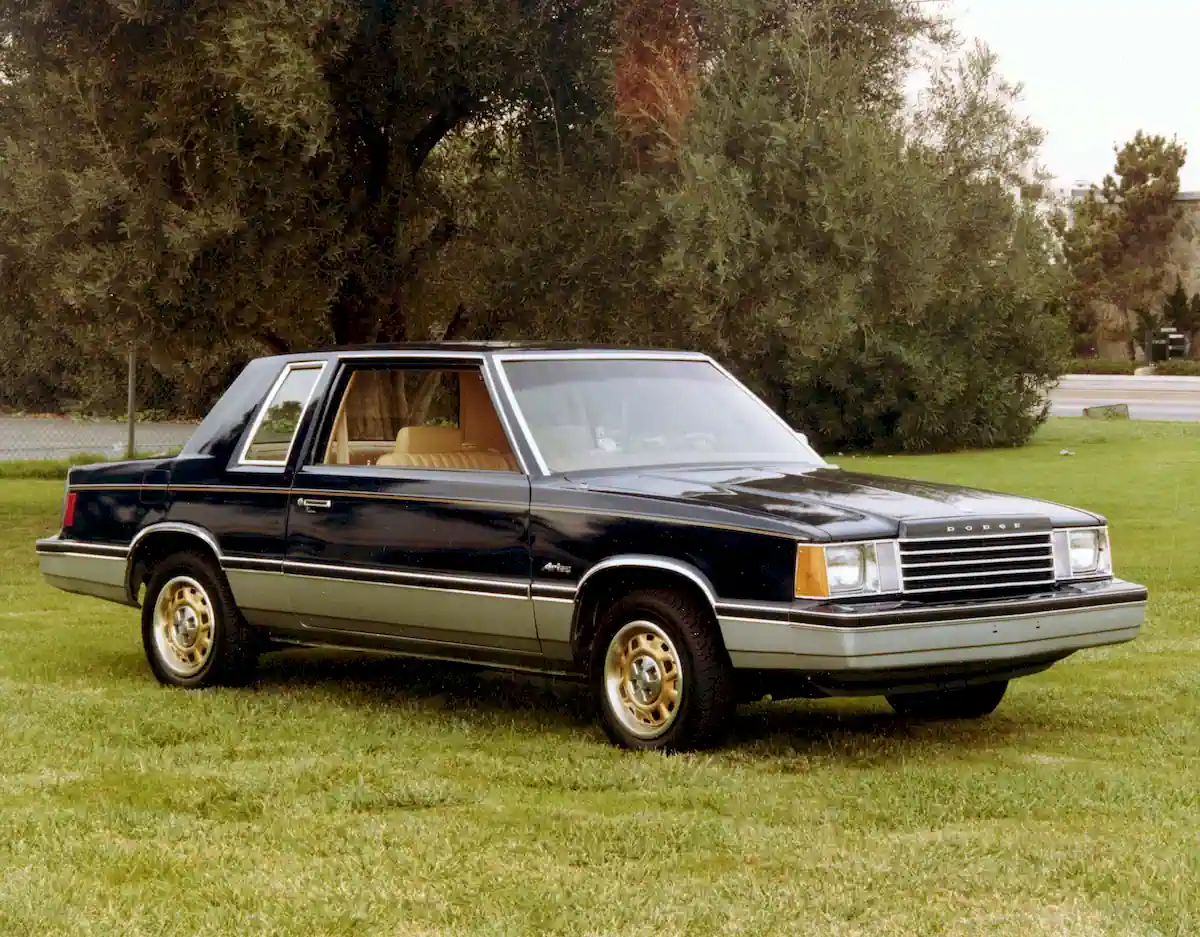
When things get tough, even big players need help. In the early 1970s, rising oil prices and a wave of efficient Japanese imports hit Chrysler hard. The company responded by developing the K-platform—a simple, cost-effective architecture that could underpin a wide range of vehicles. The result? More than 50 models were eventually built on this platform, giving Chrysler a much-needed lifeline and helping it recover.
These cars weren’t just new products—they were turning points. Without them, some of today’s most recognizable automotive brands might not be here at all.
You may also be interested in the news:
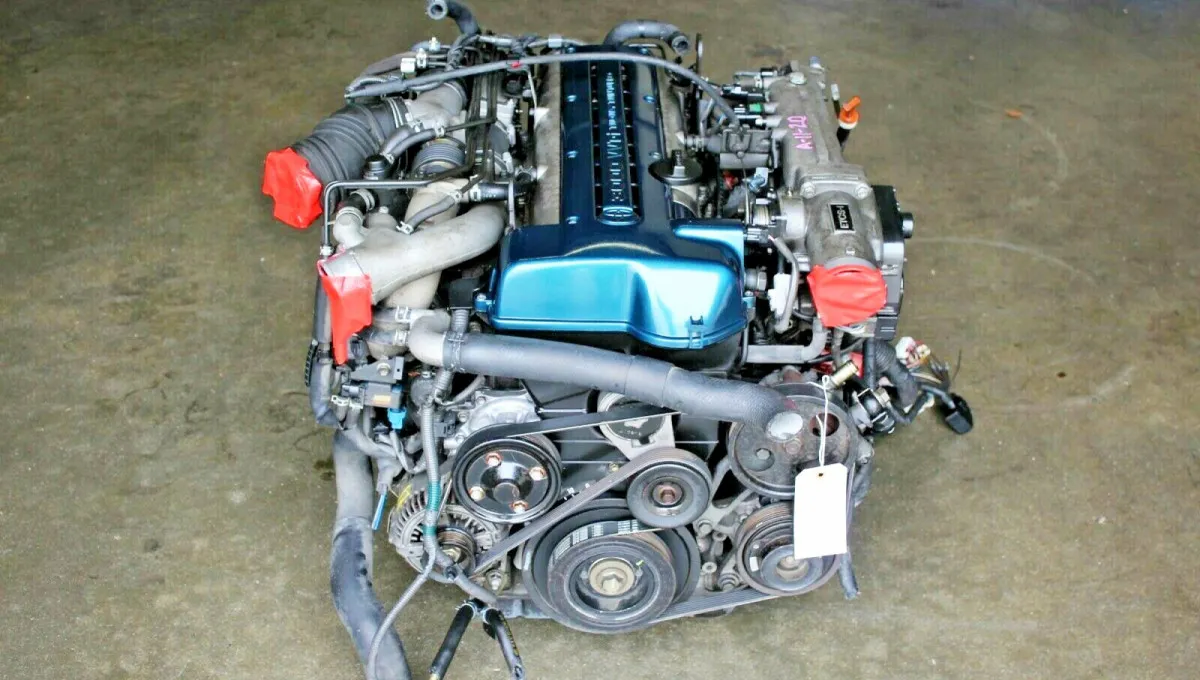
Toyota Wanted a Reliable Engine — It Accidentally Built a 2,000-HP Monster
Toyota engineers may have gone too far with durability — and accidentally created the ultimate engine for hot-rodding.

It Confuses Many Drivers: What Does the Road Sign With a Thumbs-Up Mean?
This unusual sign appears near highway entrances, tunnels and other locations where roadside stops can create serious safety hazards.
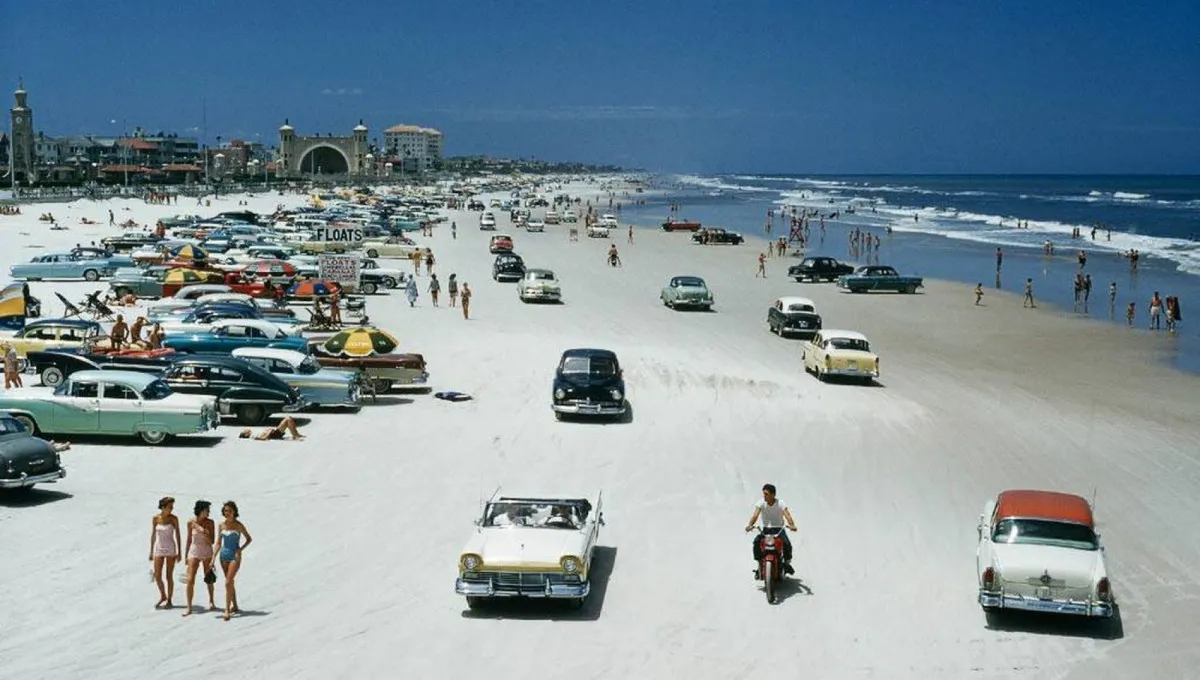
How Much Did American Cars Cost in the 1950s, and Who Could Afford Them?
American cars of the 1950s were large, powerful, and heavily chromed, but how much did they actually cost, and who could afford them?
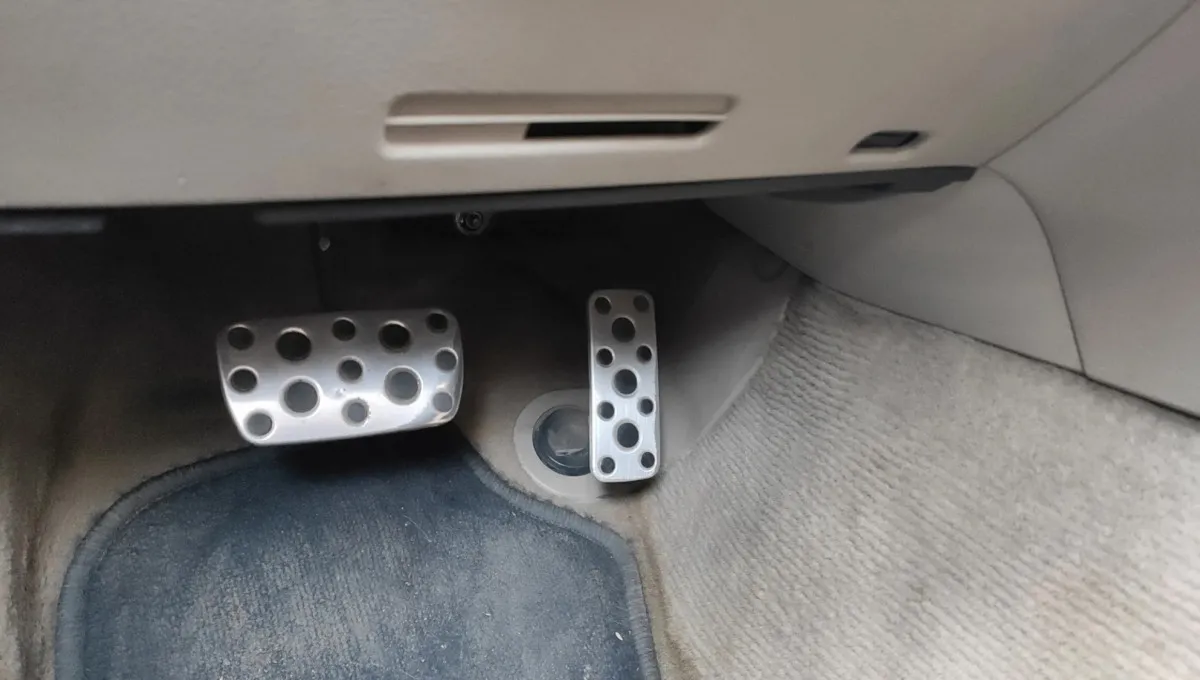
We Know What the Button Behind Your Gas Pedal Does — And It's Even Found in Manual-Transmission Cars
Modern cars are packed with hidden features, and one small button behind the accelerator pedal can serve a surprisingly important purpose.
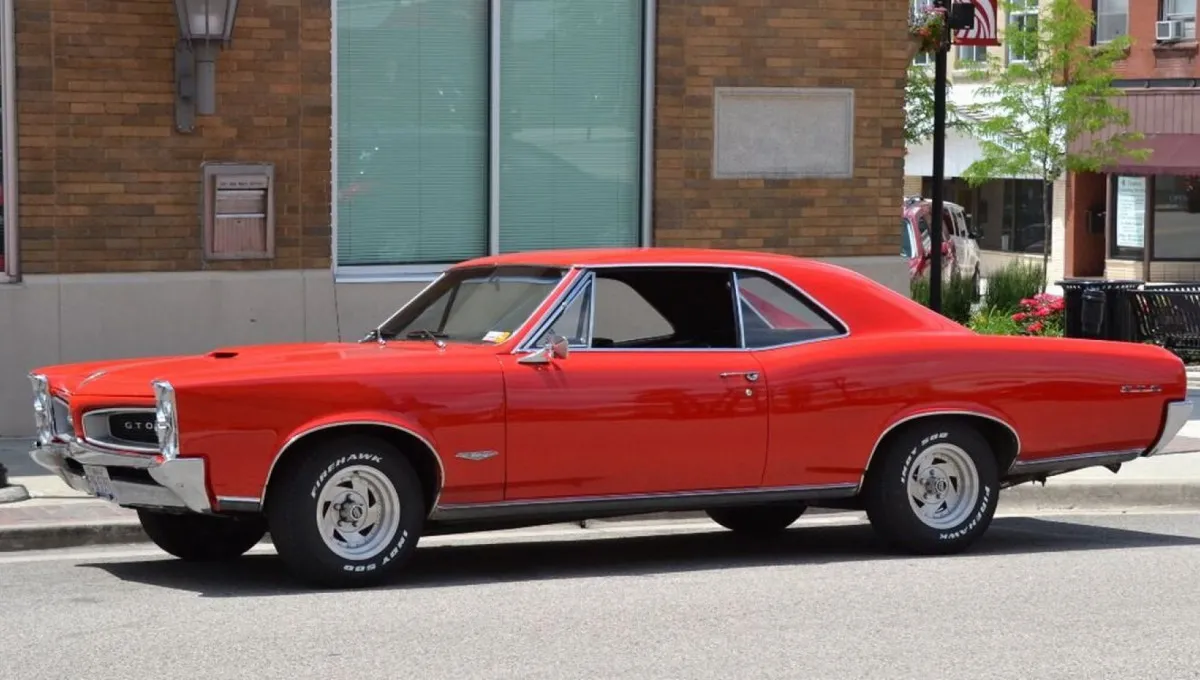
Pontiac GTO — Every American Teenager’s Dream in the 1960s
In 1964, Pontiac created a new kind of American performance car by putting a big-block V8 into the Tempest and launching the muscle car era.