
Toyota’s Lesser-Known Innovations: From Talking Cars to the First LED Low-Beam Headlights
Toyota is famous for reliability, but some of its biggest innovations often go unnoticed.
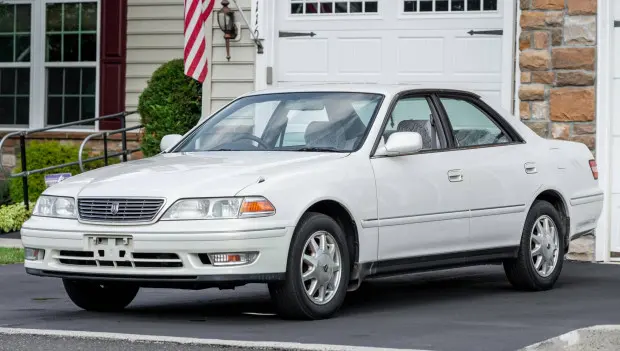
What is Toyota best known for? For many drivers, it’s simple: Toyota vehicles have a reputation for lasting forever, and the Prius became the world’s first mass-produced hybrid car. Some enthusiasts would also argue the company once built some truly legendary performance cars—but today, that’s not the focus.
Instead, it’s worth looking at a few Toyota innovations that quietly changed the entire auto industry. These weren’t flashy headline-makers, but many of them are now standard features across modern vehicles.
1. LED Low-Beam Headlights
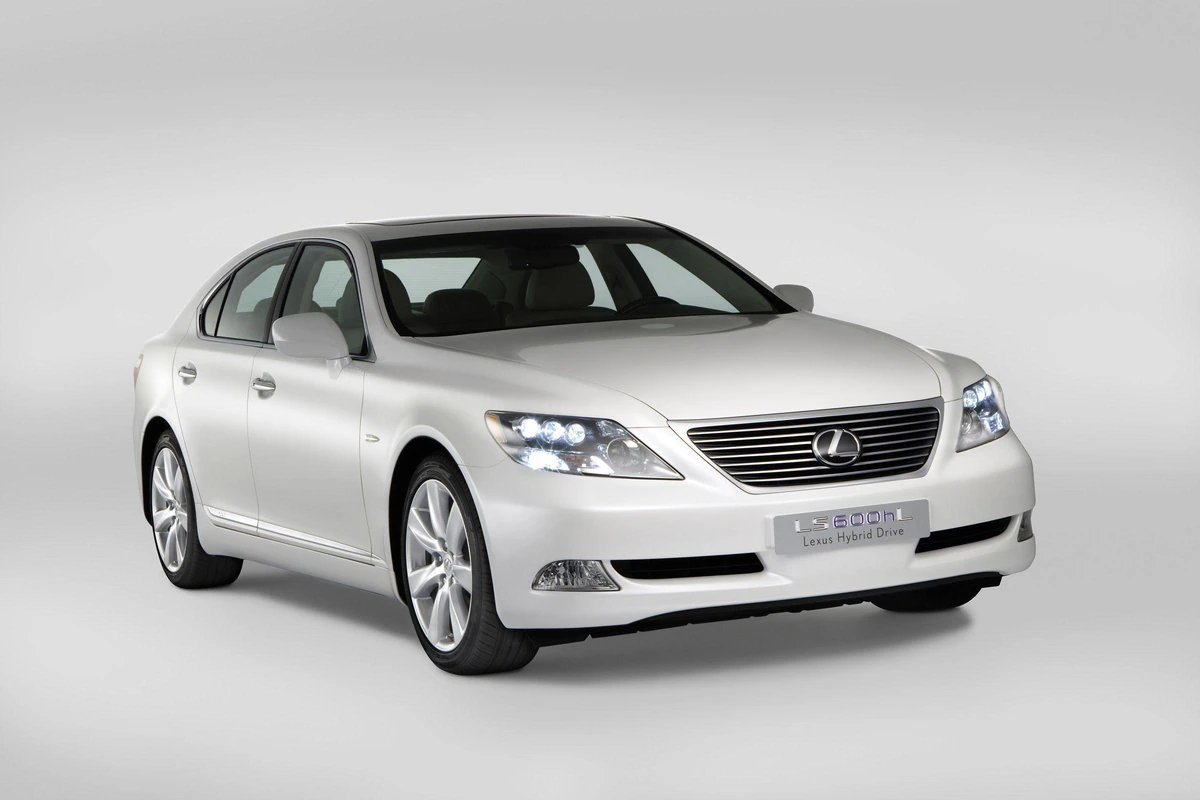
Today, LED headlights are common on nearly every luxury vehicle, and soon they’ll likely be standard across the entire market. But Toyota was the first automaker to bring this technology into production.
That happened back in 2006 with the Lexus LS 600h. Its LEDs were used only for low-beam headlights, but it marked the beginning of a major shift in automotive lighting. The system was developed in partnership with Koito Manufacturing.
2. Voice Warning System for Drivers

Toyota was also the first company to teach a car how to “talk” to its driver.
The first model to do it was the Toyota Mark II in 1980. It featured a built-in voice synthesizer that could warn the driver about upcoming maintenance, system errors, mechanical issues, and even bad weather conditions outside—just in case the driver somehow hadn’t noticed.
Today, spoken alerts are completely normal, but imagine hearing your car speak to you for the first time in the early 1980s—it must have felt like science fiction.
Interestingly, Toyota was also first to offer GPS navigation with voice guidance, not just a map display. In 1992, that feature became available on the Toyota Celsior and the Lexus LS 400.
3. Auto-Dimming Rearview Mirror
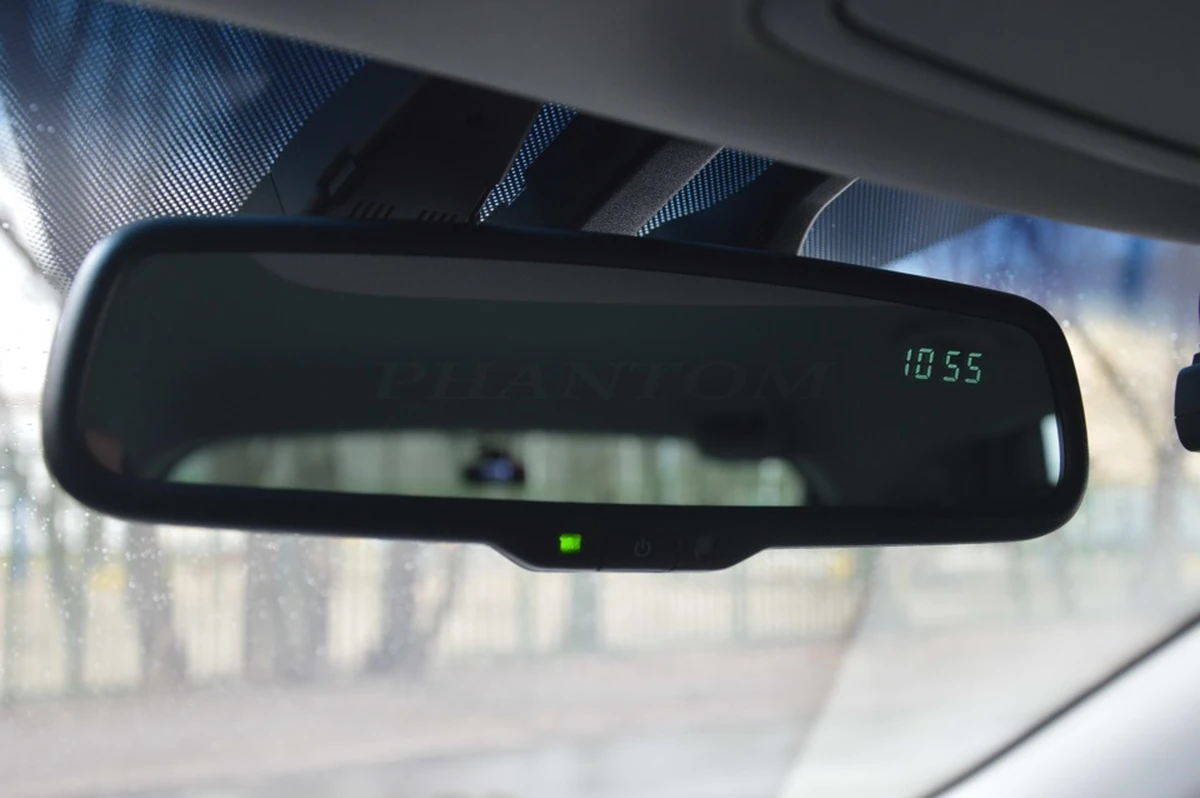
The Toyota Mark II appears again on this list.
In 1982, it became the first vehicle to feature an interior rearview mirror with automatic dimming. It may sound like a small convenience, but anyone who has been blinded by high beams from the car behind knows how valuable it is.
Making that “small” feature work required some of the most advanced electronic technology available at the time.
4. Water-Cooled Intercooler
Turbochargers dramatically improve engine performance by compressing incoming air, increasing its density and allowing more oxygen into the cylinders. More air means more power.
But there’s a problem: compressed air gets hot. It also heats up because of its proximity to the turbocharger’s hot side. As temperature rises, boost efficiency drops.
That leads to a simple rule in performance engineering: colder air makes more power.
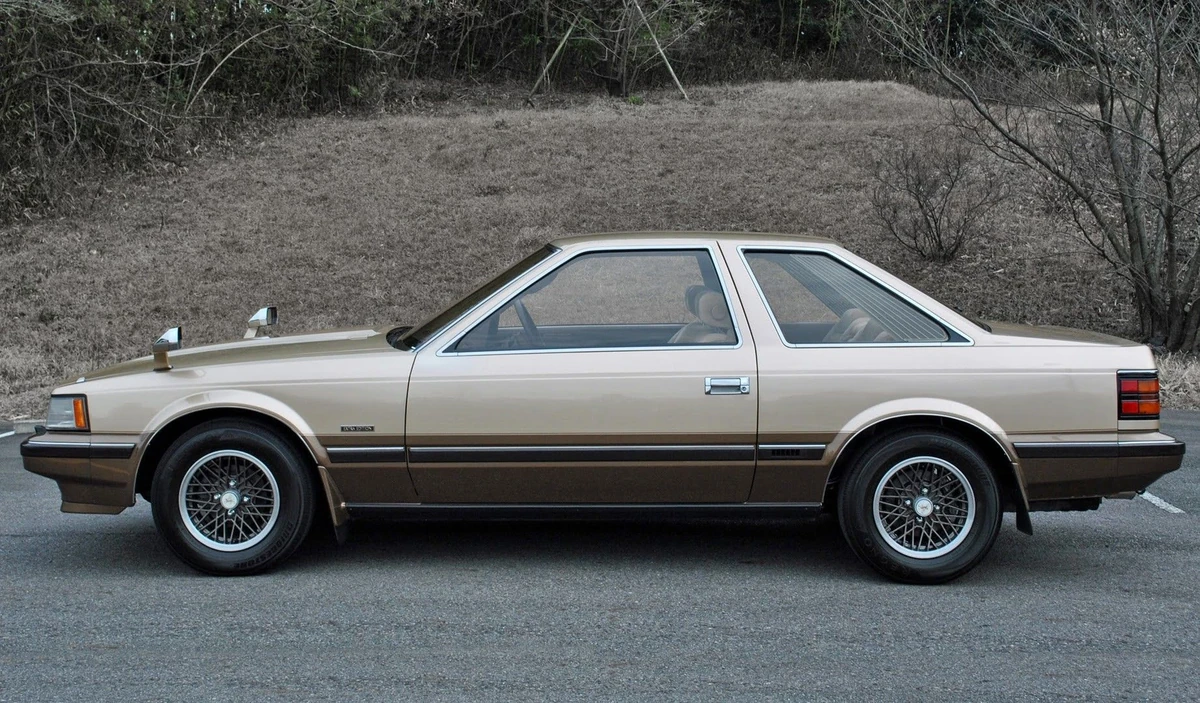
Air-to-air intercoolers had been used in turbocharged cars since the 1970s, but Toyota introduced the world’s first water-cooled intercooler on the M-TEU engine in the Toyota Soarer Z10 luxury coupe.
This significantly improved turbo efficiency and helped raise engine output to 160 horsepower—an impressive figure for that era.
You may also be interested in the news:
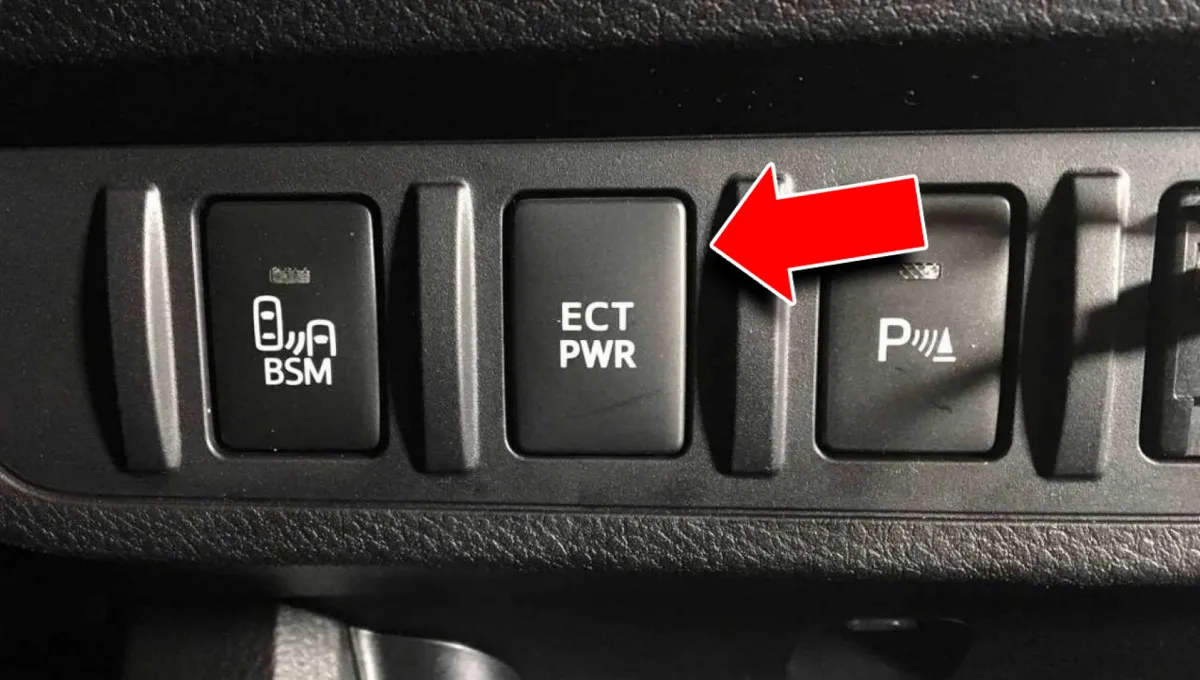
You Hit ECT PWR and Your Toyota Suddenly Wakes Up: What That Mysterious Button Really Does
This little button can change the way a Toyota drives, but plenty of owners have no idea what actually happens when they press it.

Toyota Wanted a Reliable Engine — It Accidentally Built a 2,000-HP Monster
Toyota engineers may have gone too far with durability — and accidentally created the ultimate engine for hot-rodding.

It Confuses Many Drivers: What Does the Road Sign With a Thumbs-Up Mean?
This unusual sign appears near highway entrances, tunnels and other locations where roadside stops can create serious safety hazards.

How Much Did American Cars Cost in the 1950s, and Who Could Afford Them?
American cars of the 1950s were large, powerful, and heavily chromed, but how much did they actually cost, and who could afford them?
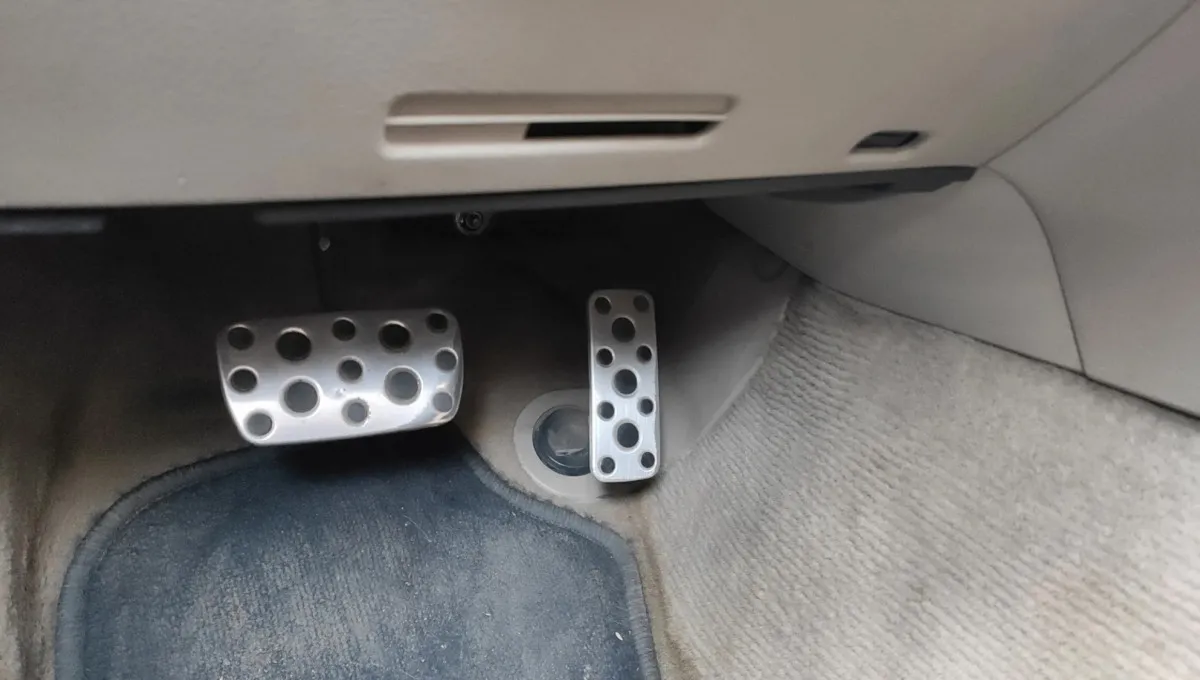
We Know What the Button Behind Your Gas Pedal Does — And It's Even Found in Manual-Transmission Cars
Modern cars are packed with hidden features, and one small button behind the accelerator pedal can serve a surprisingly important purpose.