
What a Car Power Inverter Is—and Why You Might Want One
A car power inverter explained: what it does and when it actually makes sense to use one.
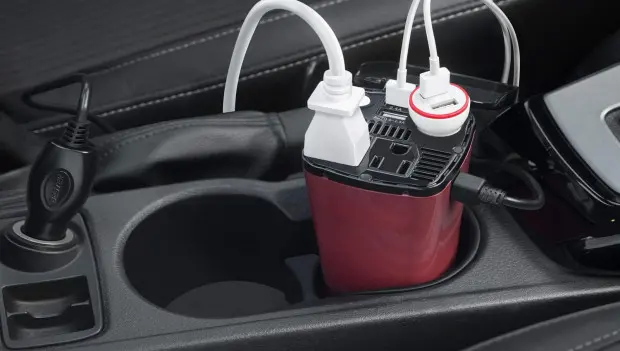
You don’t need a full-blown RV to travel in comfort. With the right setup, you can brew coffee in your car, warm up food in a microwave, or get real work done on a laptop—all by plugging your gear into a power inverter. Road trips and long hours stuck in traffic feel a lot easier when your vehicle has a familiar wall-style outlet for everyday electronics and tools.
A power inverter (also called a voltage inverter) is a device that lets you run household appliances off your car’s electrical system. It usually looks like a compact box with one or two standard outlets and a set of cables. Depending on the model, it plugs into a 12V accessory socket or connects directly to the vehicle’s battery.
What it’s for:
A car’s electrical system delivers power in a form that most household electronics can’t use. An inverter steps that 12V or 24V DC power up to 110V AC—the same kind you get from a wall outlet at home or in the office—making it possible to power everything from chargers to small appliances.
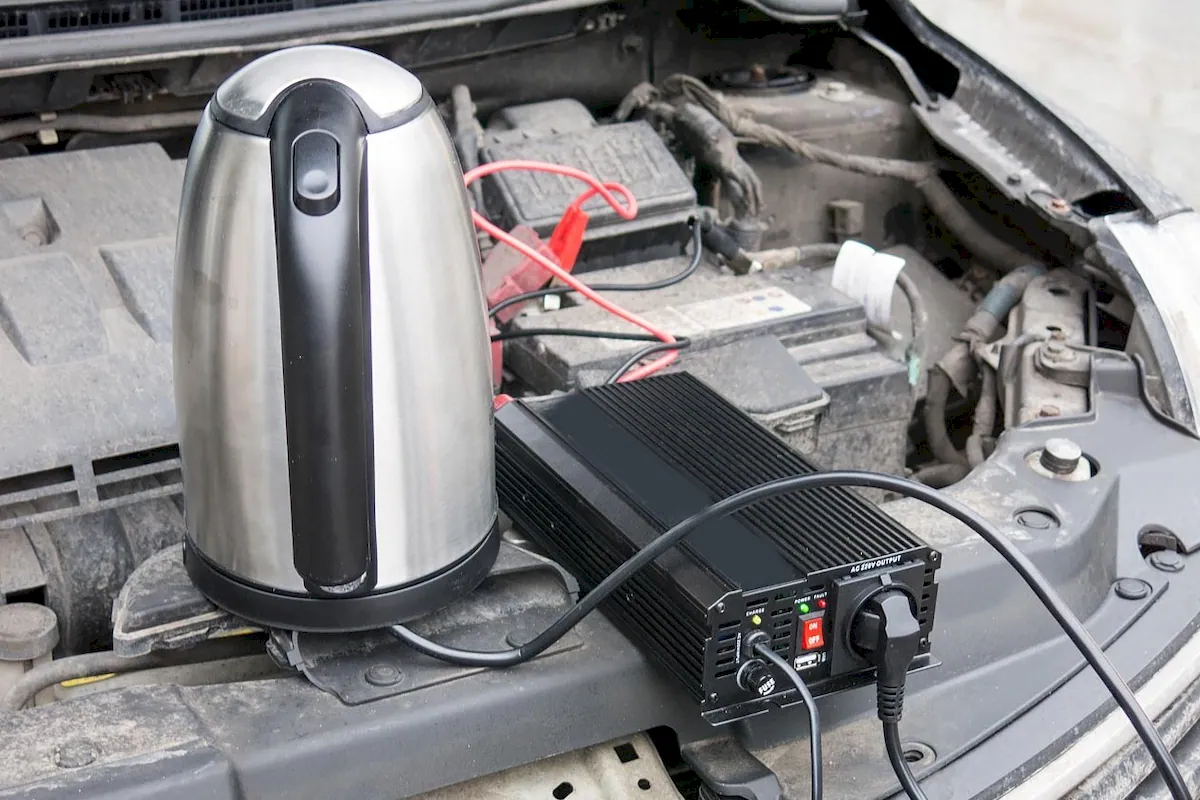
How it works:
Inside, the inverter relies on semiconductor components to convert and regulate power. Most units include protection against short circuits, overloads, and overheating. Higher-output models generate a lot of heat, so they’re typically equipped with cooling fans. Housings are usually made of durable plastic or aluminum.
Is there an alternative?
Yes—many drivers rely on devices designed to run directly from the 12V accessory socket. You can find heated travel mugs, food warmers, humidifiers, and even hair styling tools made for in-car use. They’re affordable and convenient for short commutes or quick trips.
The downside is power. A heated mug will keep coffee warm but won’t boil water. A portable car cooker can reheat food but won’t truly cook a meal. And these gadgets are car-only—you can’t use them at home or in the office.
With an inverter, there’s no need to buy duplicate equipment. You always have a standard outlet on hand, just like the ones you’re used to. That’s why anyone who spends serious time behind the wheel should at least understand what a car power inverter is and how it can help.
Inverters are a broad category of devices used to convert electrical power. They’re essential in home solar systems, backup power setups, and industrial automation. Here, we’re talking specifically about automotive inverters—units designed to work with a vehicle’s onboard electrical system.
Who benefits most from a car inverter?
-
Long-haul drivers and road trippers. No matter the route, you can heat meals, make coffee, dry your hair, or even iron clothes on the go.
-
Drivers stuck in traffic. While others wait, you can edit photos, print documents, or get ready for a meeting.
-
Mobile professionals: photographers, journalists, electricians, surveyors. Keep your gear charged and work in locations without access to power.
-
Tour guides. Set up a coffee maker for guests on long trips or power a projector for outdoor presentations.
-
Spontaneous travelers. Bring your favorite appliances—from a coffee machine to a music keyboard—and use them anywhere: on the road, at campsites, or in short-term rentals.
If you travel frequently for work, drive for rideshare, or spend time at sites without electricity—in short, if you value independence from the power grid—a voltage inverter is worth considering. Choosing the right one starts with understanding how and where you plan to use it.
You may also be interested in the news:

Your Steering Wheel Starts Shaking at 60 MPH? Don’t Ignore These Warning Signs
A vibrating steering wheel is often most noticeable at highway speeds, but the cause isn’t always immediately obvious.

Windshield Wipers Aren’t Cleaning Properly? Here’s What Could Be Wrong
Why do windshield wipers sometimes fail to do their job?

Best Sedans for Interior Space: The Roomiest Cars of 2026
These six sedans offer generous legroom and shoulder room, giving families a comfortable alternative to larger SUVs for long trips.

Best Cars for Teen Drivers: Affordable and Safe Picks
These affordable used and new vehicles combine strong safety ratings, reliability, and reasonable prices for young drivers and their families.

12 Used Cars Retirees Should Know About—These Models Put Safety, Comfort and Reliability First
Great for Retirees: These Used Cars Stand Out for Safety, Reliability and Comfort