
Mechanic Names 5 Car Brands He Would Never Recommend to His Family
Repairs on these vehicles can quickly become a headache—and it’s not just about expensive parts.

Former auto mechanic Chris Pyle has worked on cars from nearly every major manufacturer during his career. Some vehicles, he says, are challenging to repair even in professional shops.
He named five brands he would never recommend to his own family—some of them highly prestigious.
5 Car Brands to Avoid
According to Pyle, the list includes some of the most well-known names in the industry: Volkswagen, Mercedes-Benz, Audi, Mini, and Jaguar.
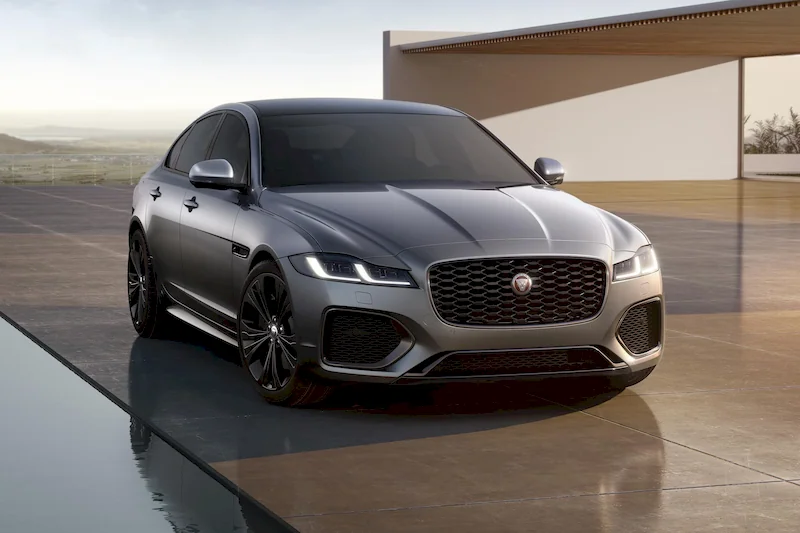
“I don’t enjoy working on these brands, and I wouldn’t advise anyone to buy them,” says the former mechanic.
That doesn’t mean the cars are bad, he clarifies, but they can cause serious headaches for owners—far beyond what you might expect when paying for a premium vehicle.
Pyle also explained why these brands are particularly difficult for mechanics and owners alike.
Reason 1: Expensive Parts and Consumables
When something needs fixing, owners of these vehicles may be shocked by the cost. Replacement parts, consumables, fluids, and filters are often significantly more expensive than for other brands, Pyle says—even for routine maintenance items like oil filters and brake pads.
Reason 2: Limited Options in the Aftermarket
Most car brands have a wide range of aftermarket parts, allowing owners to save money on quality alternatives. But with these brands, there’s often no choice but to purchase costly OEM parts.
Reason 3: Hard-to-Reach Components
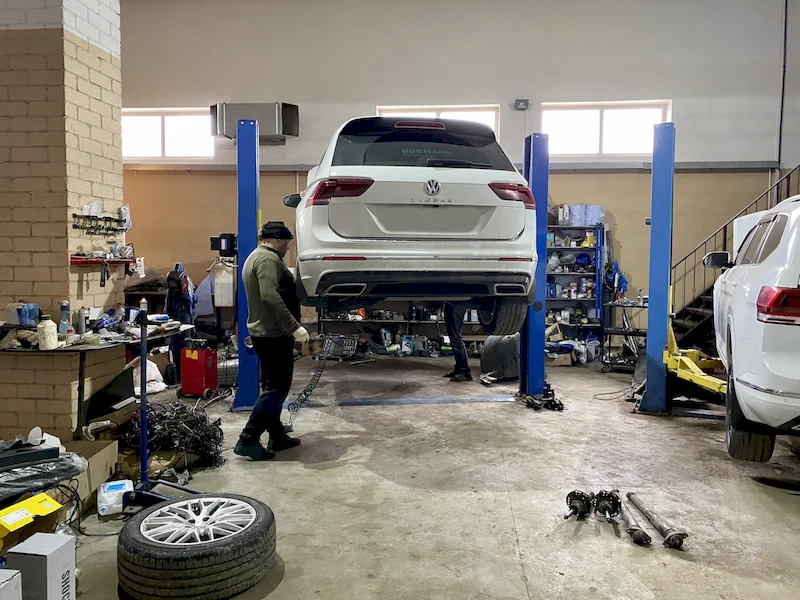
Modern cars have countless components under the hood, but in these luxury brands, reaching a single part can be a real challenge. Mechanics often have to remove multiple components just to access the one that needs repair.
Reason 4: Limited Professional Resources
Even experienced mechanics struggle with these brands. Shops must invest in specialized diagnostic information and training for each manufacturer, and those costs are ultimately passed on to customers.
Reason 5: Diagnostic Tools Often Don’t Work
Much of modern car repair relies on computerized diagnostic tools. While these work well for most brands, they are often incompatible with luxury vehicles. Mechanics must either purchase expensive brand-specific tools or send the customer to a dealership, which complicates and increases the cost of repairs.
Reason 6: Overall Vehicle Complexity
All of these factors combine to make these vehicles more difficult to diagnose and repair. What might be a simple repair on a Toyota can become a major project on an Audi, Pyle adds.
You may also be interested in the news:
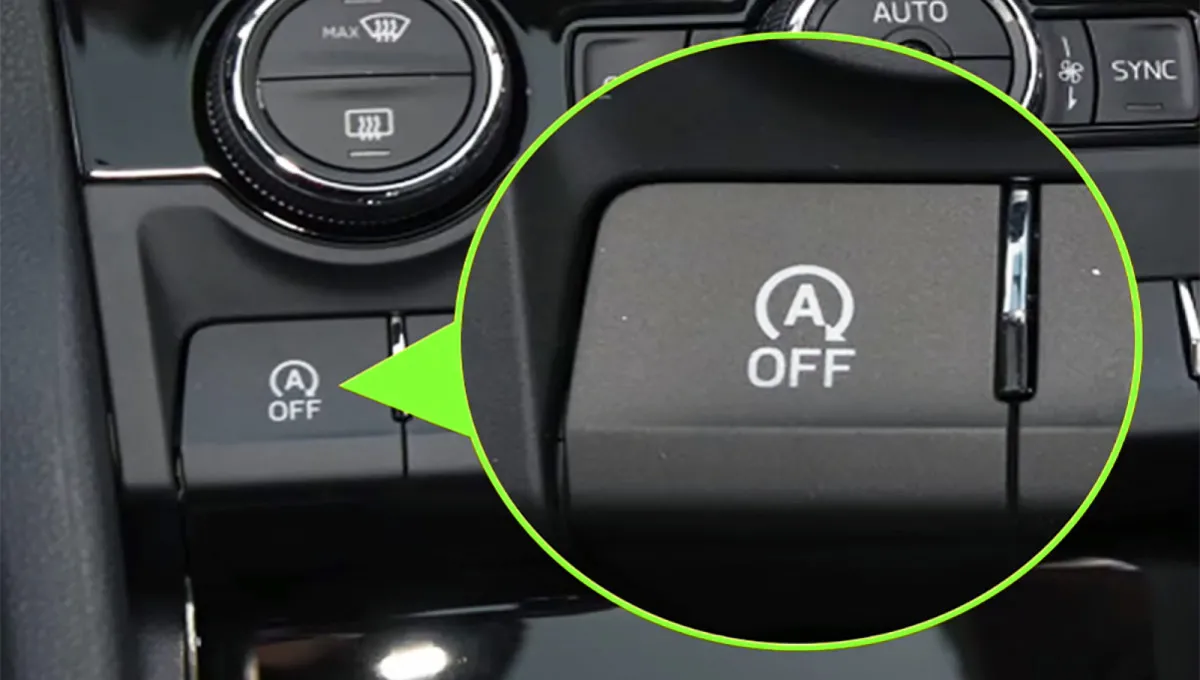
Start/Stop Systems Are Everywhere — But Are They Really Saving You Gas or Wearing Out Your Engine?
Does start-stop technology really save fuel, and does it put extra wear on the engine? Here’s what drivers need to know.
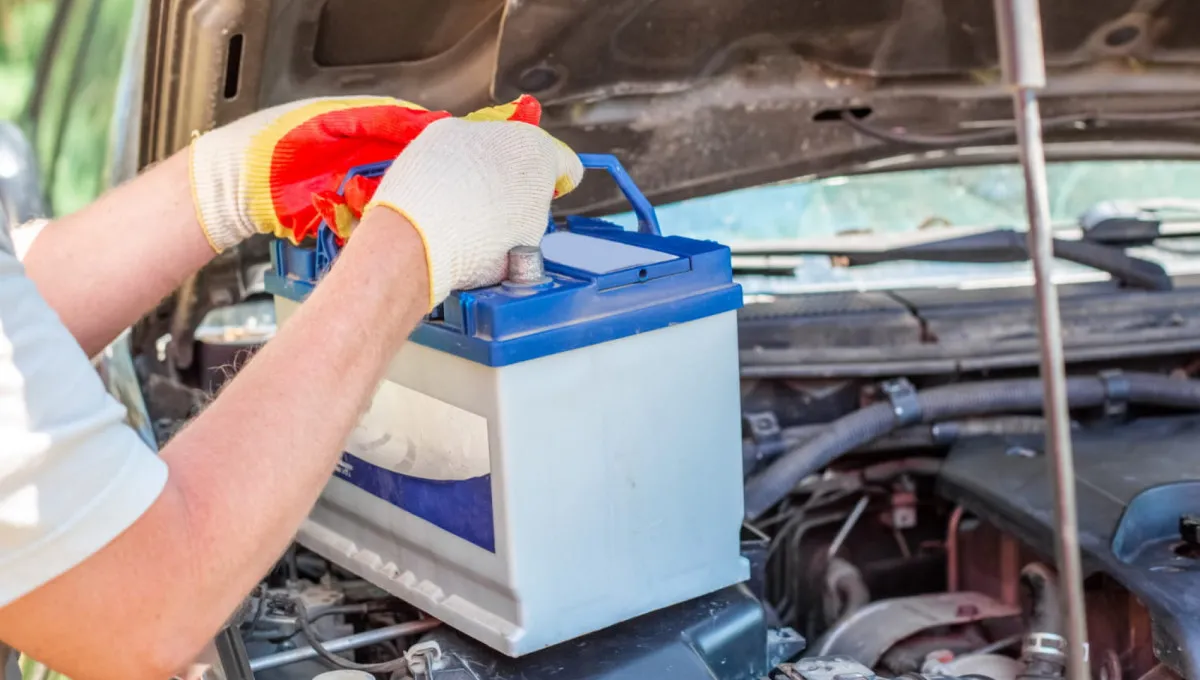
3 Signs Your Car Battery Is About to Die — And the Warning Signs Drivers Often Miss
A failing car battery rarely dies without warning, and these three signs can give drivers time to act before getting stranded.
How to Park Close to a Curb Without Scratching Your Bumper: The Two-Mirror Method
How to Park Close to a Curb Without Scratching Your Bumper: The Simple Mirror Trick

Can You Wash Car Floor Mats in a Washing Machine? Experts Have the Answer
Think Twice Before Washing Your Car Floor Mats in the Washing Machine, Experts Warn.
Your Brakes Squeal Every Morning? Here’s When That Noise Is Normal—and When It Could Mean Trouble
That sharp brake squeal first thing in the morning is often harmless—but persistent noise can point to worn or damaged brake components.