
Ten Automotive Legends of the 1930s That Shaped History
The 1930s put the whole world on wheels. The Great Depression still had the planet by the throat, yet cars seemed to be living a new life.
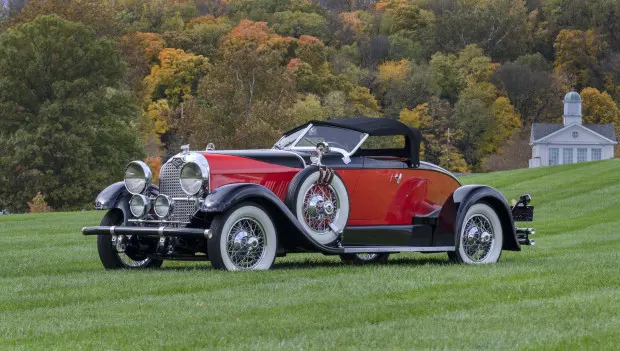
The 1930s put the whole world on wheels. The Great Depression still had the planet by the throat, yet cars seemed to be living a new life. A personal automobile became the dream not only of bankers and aristocrats, but of anyone who wanted to leave noisy streets behind and disappear into open space. Cars grew prettier, faster, more imaginative. And each one that made history evokes the same feeling today: amazement—like seeing a movie star from a bygone era.
Cadillac V-16 Series 452
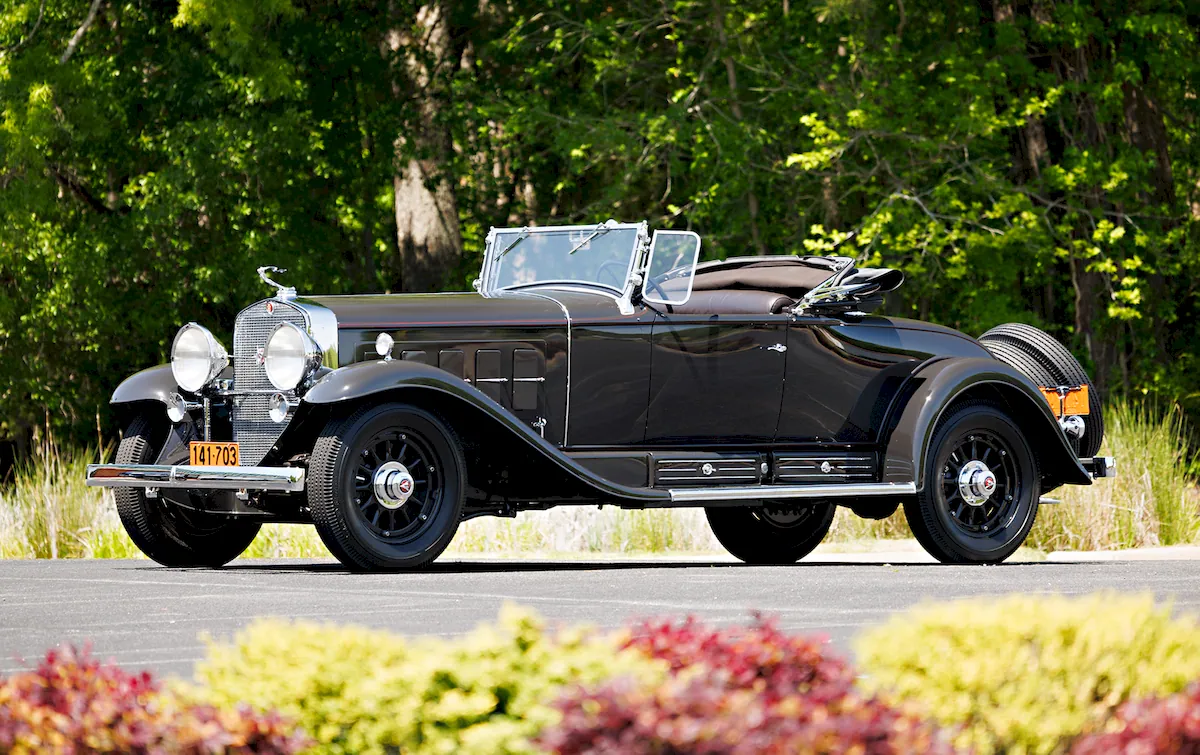
This car was impossible to overlook. It needed no explanations. A V16 sounded like music to anyone intolerant of the ordinary. It had more cylinders than most cars of its time could dream of, and its appearance made it clear that its owner spared no expense.
It wasn’t trying to be fast—it simply had nowhere to rush. The cabin felt like a luxury hotel, every detail operating in perfect silence. It moved forward with dignity, never losing an ounce of authority. Cadillac showed the world that American luxury could be deep, deliberate, and in no need of justification.
Ford Model 18 (V8)
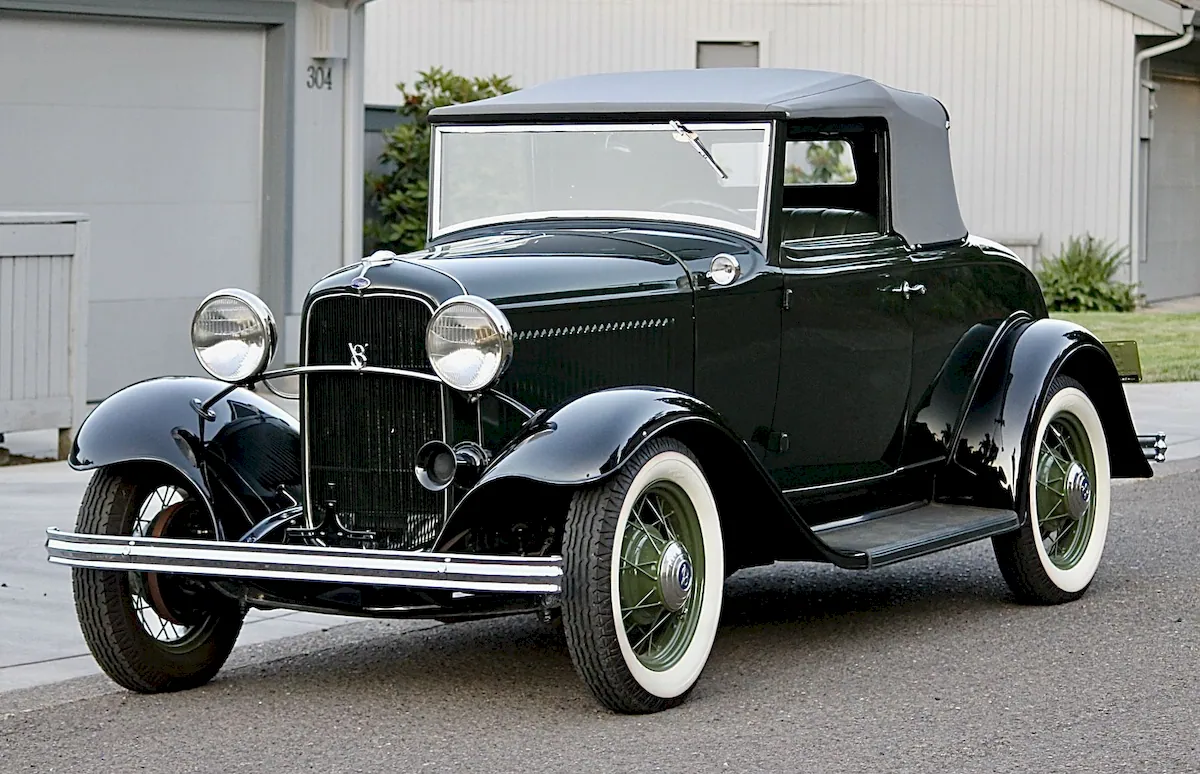
While other brands chased luxury or speed, Ford offered something simpler: power. Real power. A V8 under the hood of an affordable car sounded like a challenge to everything people thought an ordinary driver could dream of.
Model 18 suddenly opened the door to performance for those who once could only imagine it. It thundered down highways, leaving behind the sound of a new era. In different hands it became different things—freedom, a getaway car, or simply a way to feel like the master of the road. Its power was impossible to ignore, and its silhouette became recognizable even without a badge. Ford made the engine the star—and it worked.
Cord 810/812
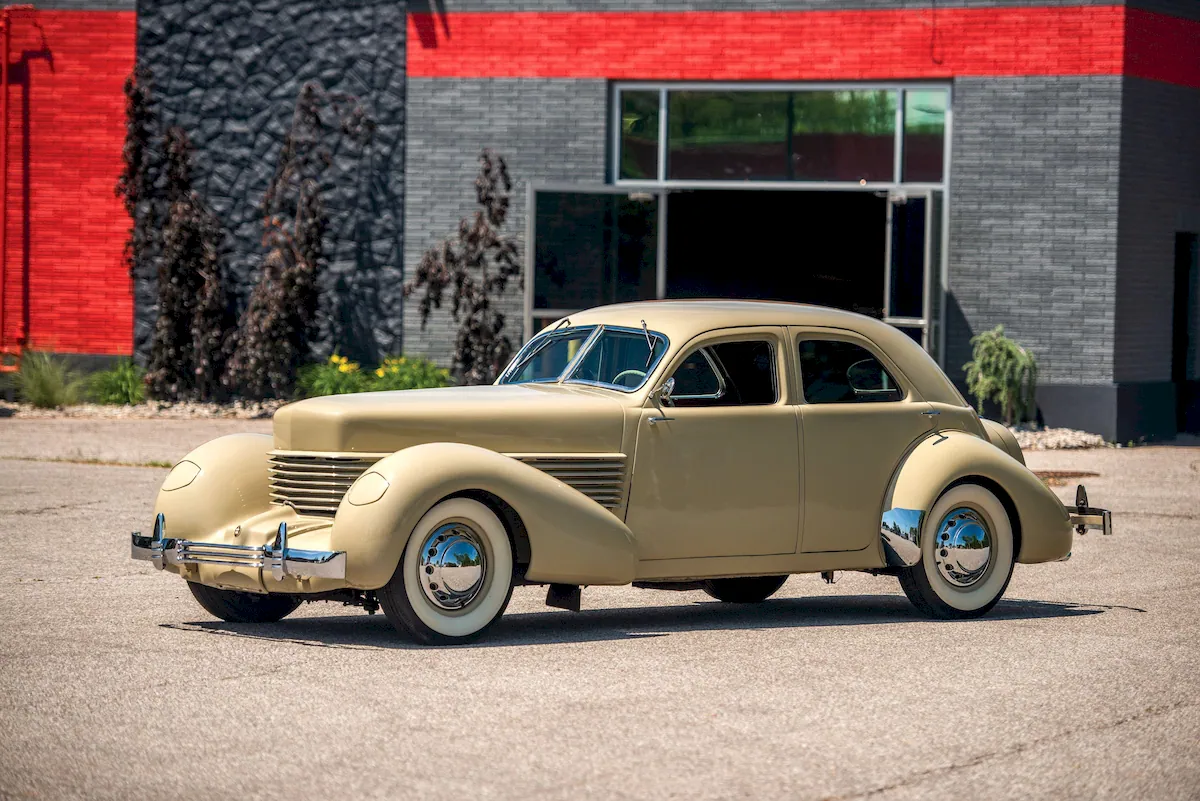
The world was inching toward modernism, but the roads still belonged to the silhouettes of the past. Then Cord arrived, and familiar shapes began to dissolve. Its nose looked like it had slipped off the pages of a futuristic illustration.
The headlights disappeared into the fenders, as if hiding from the last century. The cockpit felt more like an aircraft, and front-wheel drive—still exotic at the time—became part of the road. It wasn’t the most powerful, nor the flashiest, but it spoke the language of the future.
The Cord 810/812 was one of the first cars that resembled architecture more than machinery. Today it’s viewed as a nod to the moment when style first dared to outweigh tradition.
Bugatti Type 57SC Atlantic
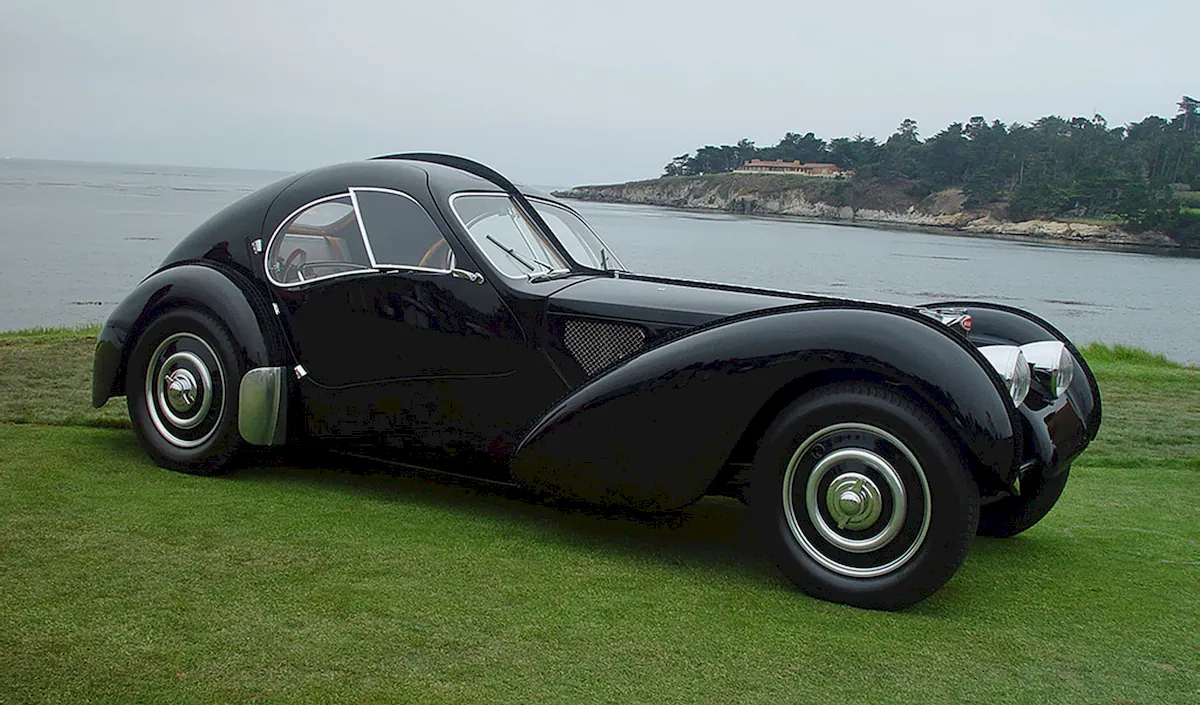
Among all the shapes engineers imagined before the war, this Bugatti still feels extraterrestrial. Its long, flowing curves look as if they were poured onto the car by an artist’s hand. And the central “spine” running from nose to tail seems like the work of a sculptor rather than a designer.
Even in the 1930s, this car looked like it came from a parallel world. People didn’t talk about it—they showed it. It didn’t drive—it glided. It had the power to outrun anyone, and a presence that mesmerized just as much.
Only a few Atlantics exist today, each a museum-grade treasure. Some say even a passing glance is enough to fall in love forever.
Mercedes-Benz 540K
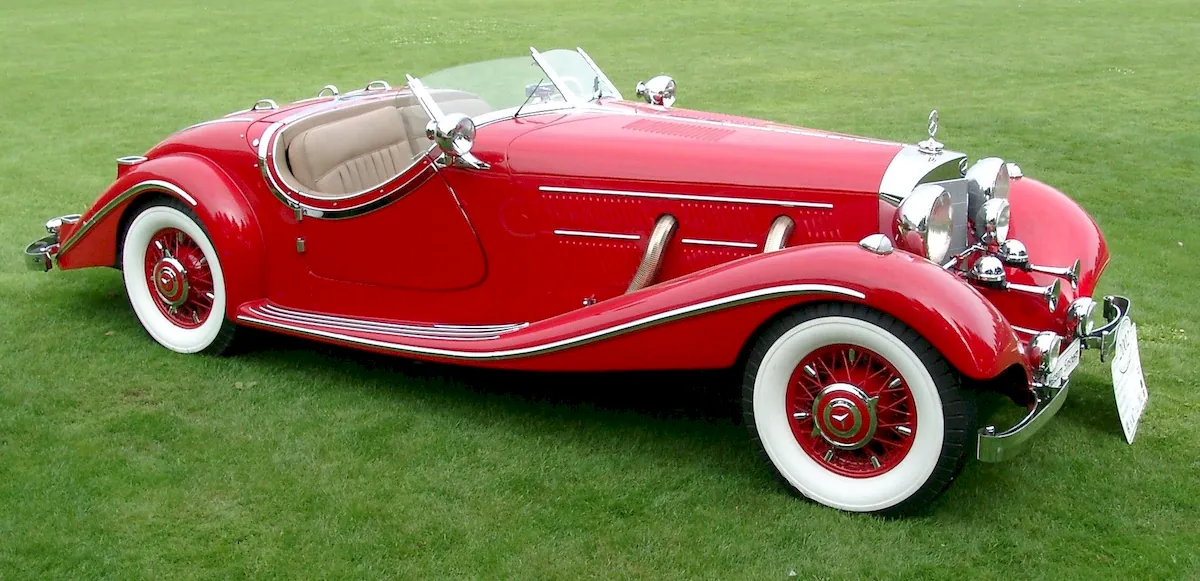
If you try to imagine “power on wheels,” the 540K may be the picture that appears. It didn’t announce itself loudly—it simply arrived, and the space around it changed. Nothing on the street looked quite like it: that long nose, that calm, confident gaze of the headlights. Beneath the metal hid a supercharger, and behind the wheel often sat someone accustomed to applause—not on a stage, but in life.
The car wasn’t admired for boldness, but for assurance. It never needed to hurry—it still arrived first, just at its own pace. Designers still reference its silhouette today, remembering where true automotive aristocracy began.
Duesenberg Model J
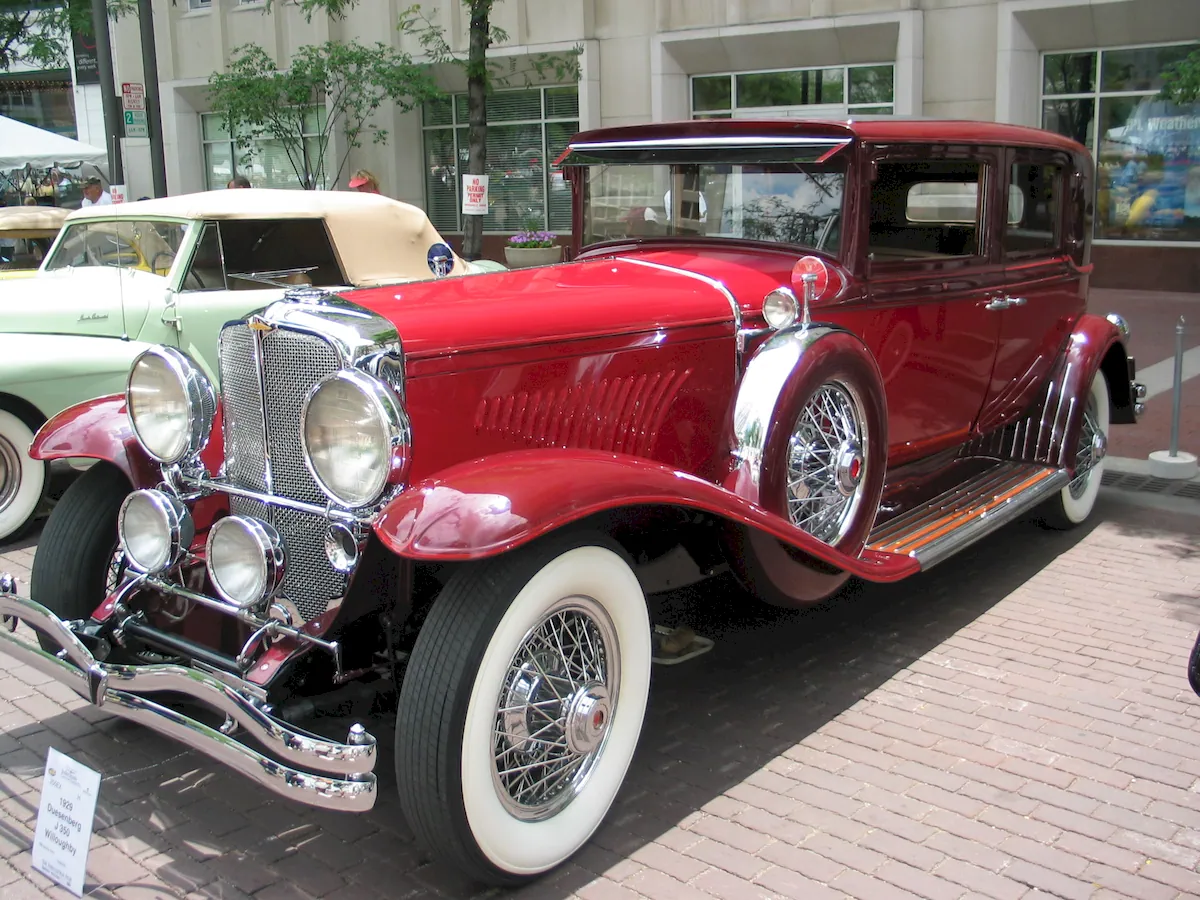
The American dream took on metal, leather, and chrome. The Model J was a skyscraper on wheels—tall, commanding, luxurious down to its last spoke. No one bought a Duesenberg on a whim. They chose it with the same care as a tuxedo for the Oscars. Under its massive body sat an engine strong enough to pull a train, and inside was so much space you could forget where you were.
This car became part of the cultural vocabulary. Even the phrase “It’s a Duesy” stopped meaning a brand—it meant a level, a taste, a magnitude. The owner didn’t simply drive. They made a statement.
Alfa Romeo 8C 2900B
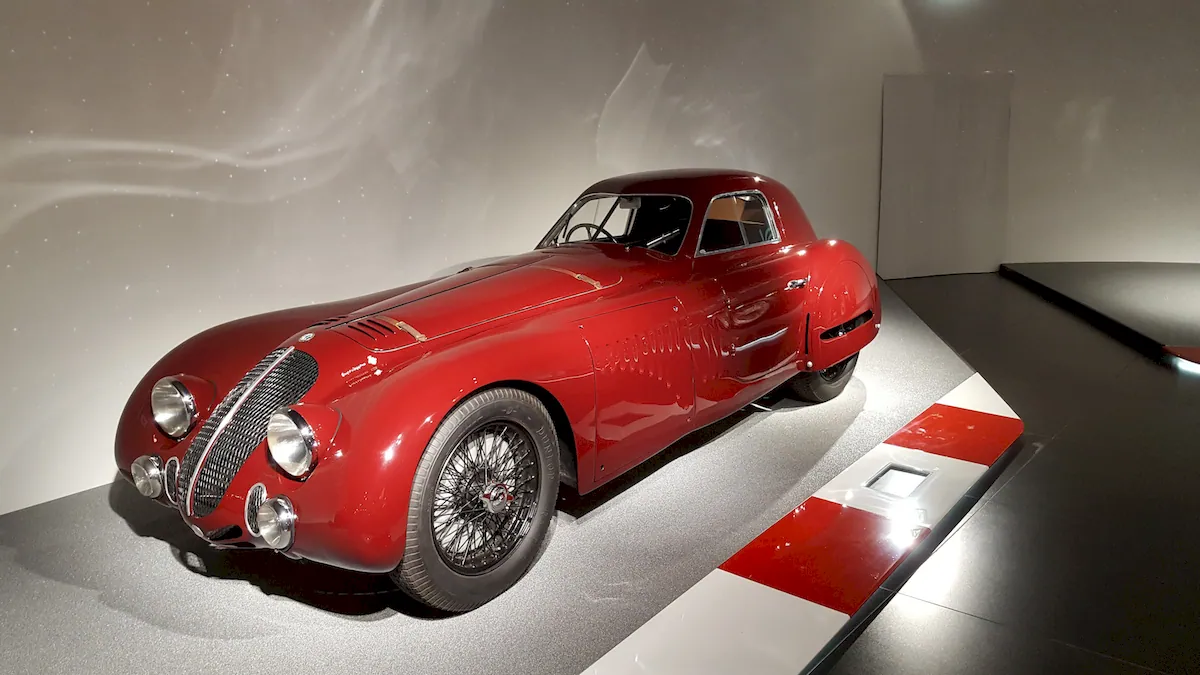
While Italy’s economy survived on hope, Alfa Romeo’s designers and engineers seemed to operate in their own parallel world. They built cars that looked like leading actors in a film. The 8C 2900B was exactly that kind of character.
Its lines looked painted with a brush, its engines like refugees from the future pits of Formula One. It won races and cruised on public roads while looking as if it had stepped out of a glossy magazine. It combined speed and elegance as though no other combination had ever existed. Generations of sports cars would later draw inspiration from its image.
Rolls-Royce Phantom III
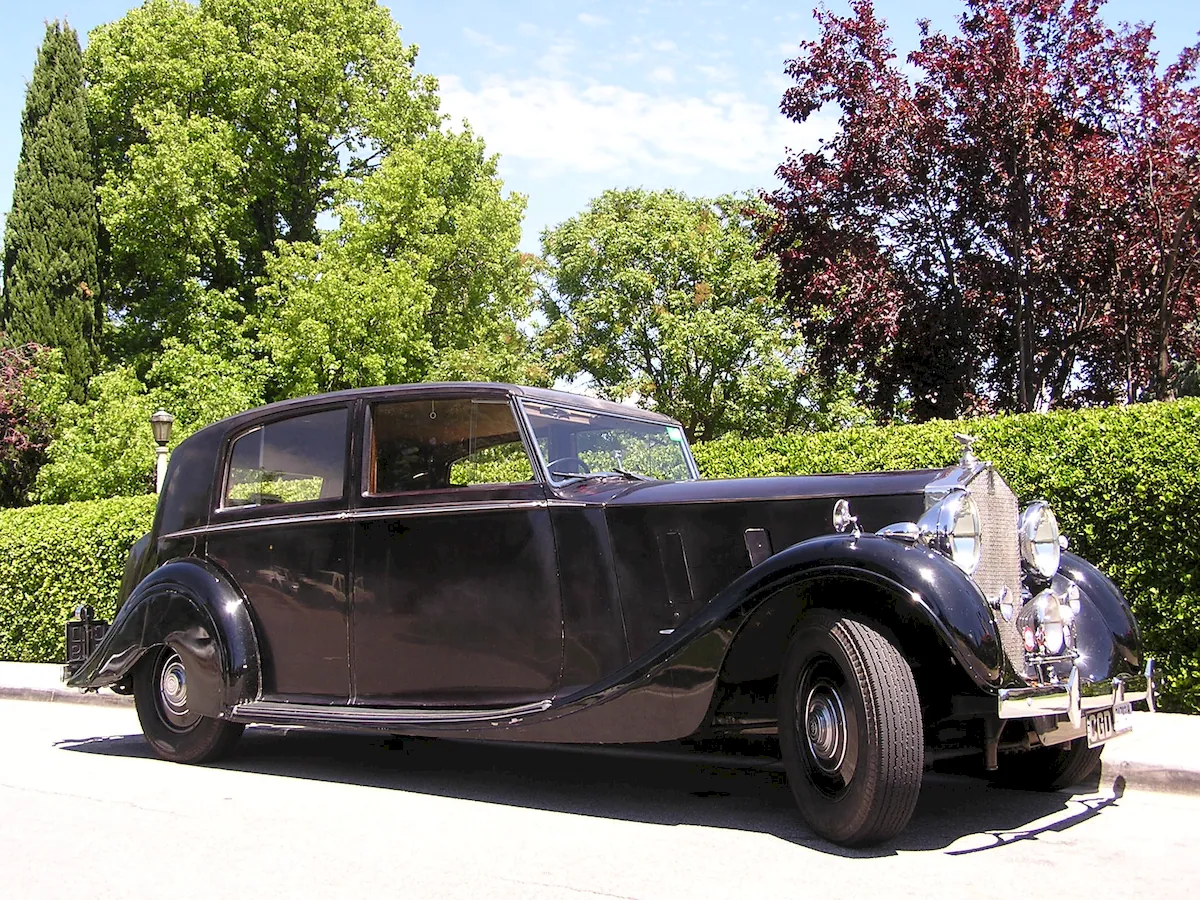
The Phantom III wasn’t trying to please—it simply set its own rules. It went beyond rare leather or gleaming door handles. Its engineering was so refined that every element existed not just for function, but for impression.
The V12 under its vast body didn’t growl—it whispered. The entire car moved not on the road but seemingly above it. Inside, everything was arranged so passengers felt above whatever was happening outside the windows. The Phantom III became a brand manifesto, proving that comfort isn’t an ornament—it’s precise engineering. It joined the automotive pantheon not through numbers, but through transcendence.
Auto Union Typ C
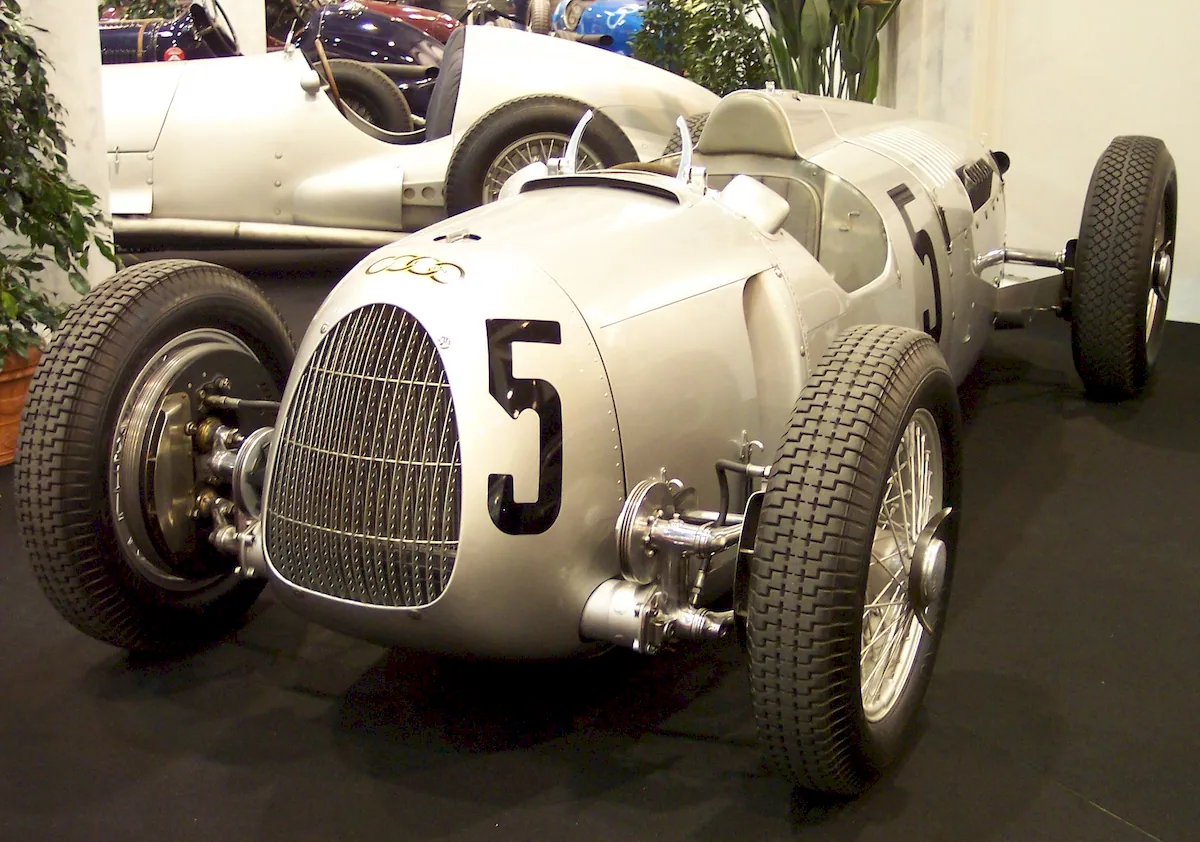
If engineers had written a manifesto, the Typ C would sit at its center. The car looked built for another dimension. While the world placed engines up front, this one moved its powerplant to the back, rewriting the logic of control. It didn’t simply race—it challenged the very idea of speed.
Only aces got behind the wheel, and even they didn’t just drive—they tamed a wild, unpredictable creature. Constantly wrestling physics, the Auto Union Typ C pushed boundaries to see if humans could withstand what machines had begun to imagine. Today it’s seen as a prototype for future innovations—but back then, it was a leap into the unknown. And it was the right leap.
Delahaye 135M
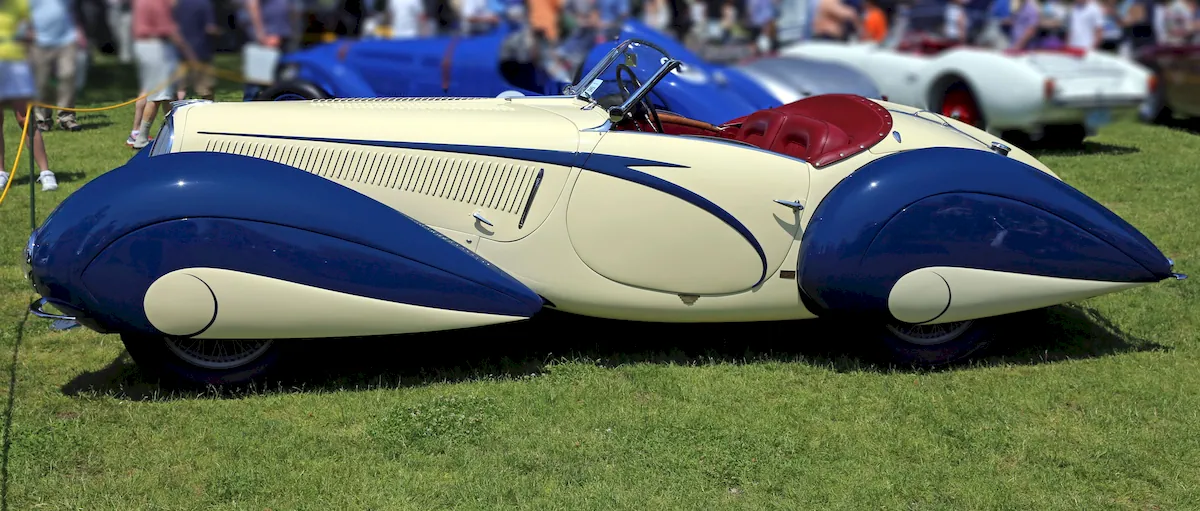
French elegance found its engine and chassis in the 1930s. This Delahaye looked like it had stepped straight off a runway. Its flowing lines, stretched fenders, and gleaming profile didn’t just attract attention—they set a mood. Yet beneath the beauty lived a sporting heart. It didn’t just pose; it won—both on the track and in the eyes of the public.
There was no theatrics, only charm. It looked equally at home on a red carpet or a winding country road. The Delahaye 135M became a reminder that speed and beauty can exist in the same bottle—not competing, but completing each other.
You may also be interested in the news:
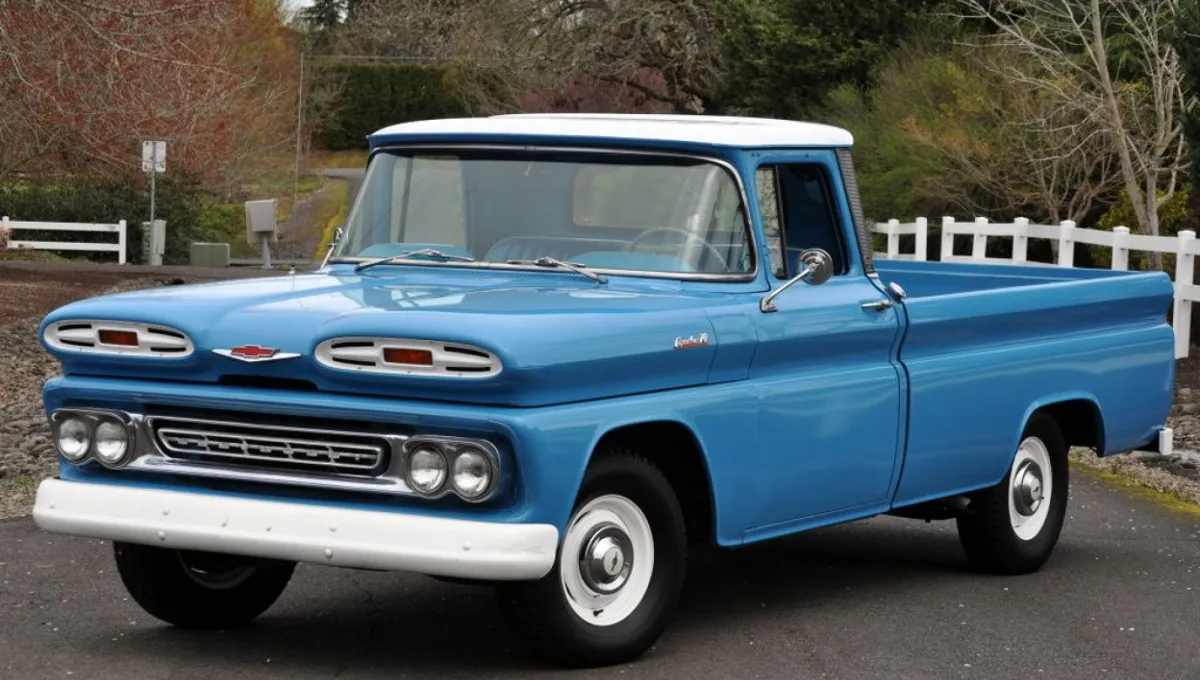
The 1960 Chevrolet Pickup: The Biggest Thing to Happen to Trucks Since Trucks Were Invented
Chevrolet unveiled an all-new pickup for 1960, calling it “the most important news since trucks came into being!”
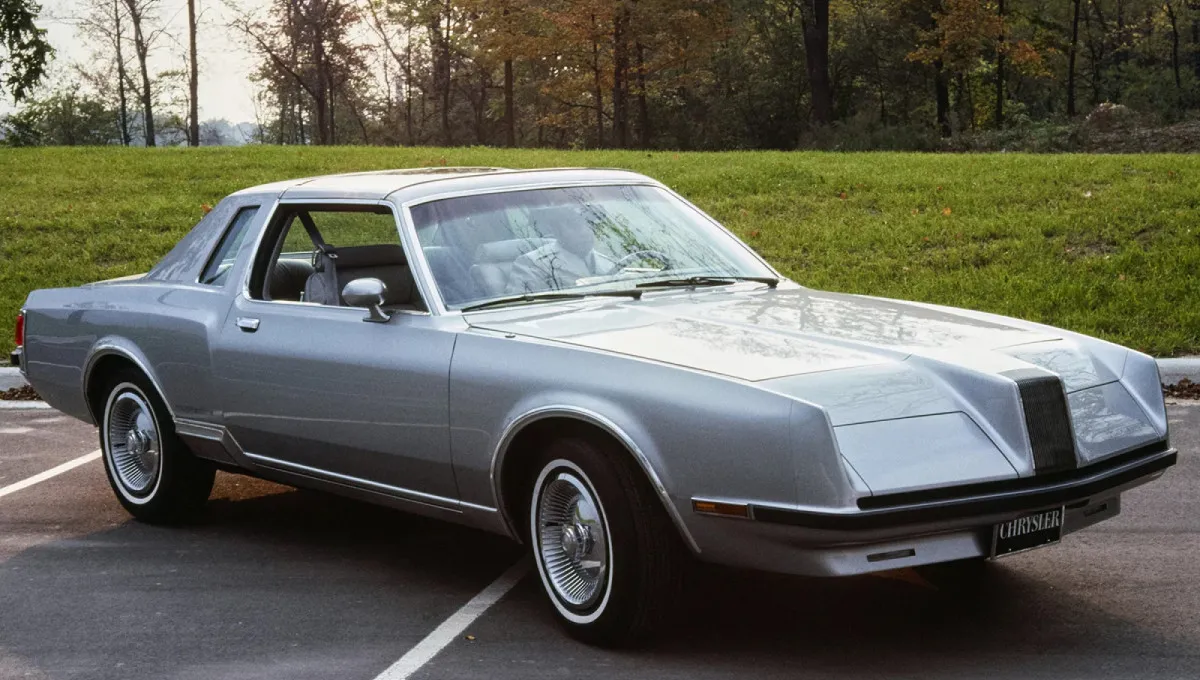
The 1977 Chrysler LeBaron Turbine: The Final Chapter of a 25-Year Experiment
Chrysler's 1977 LeBaron Turbine concept showcased decades of gas turbine research, but financial troubles ultimately brought the ambitious program to an end.

Why Colored Stripes on New Tires Confuse Drivers: What They Really Mean
A blue stripe on one tire brand can mean something entirely different on another, leaving drivers wondering what the markings mean.

These 8 Cars Went Over 1 Million Miles — They Just Don’t Build Them Like They Used To
Some cars outlast generations of owners, proving that careful maintenance and durable engineering can deliver extraordinary mileage.
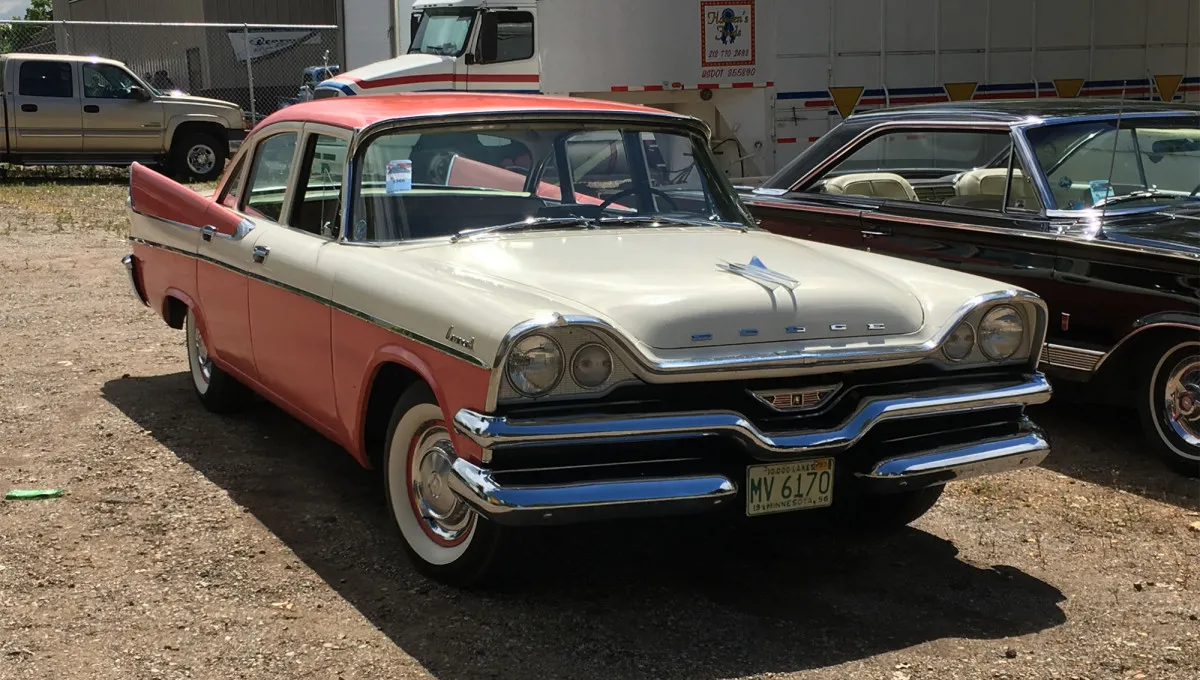
The 1957 Dodge: How “Autodynamics” Shaped One of Detroit’s Boldest Designs
The 1957 Dodge Looked Like a Dream Car, but Its Biggest Flaw Was Hiding Beneath the Surface.