
Hidden Functions of the (P) Parking Brake Button Many Drivers Don’t Know About
Not all drivers of vehicles equipped with an electronic parking brake are aware of the system’s lesser-known features.
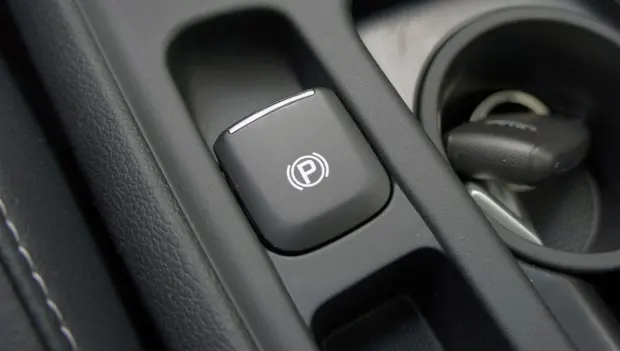
The electronic parking brake is rapidly replacing the traditional handbrake. The modern system is easier to use and takes up far less space inside the cabin. However, many vehicle owners with an electronic parking brake are unaware of its hidden functions. These features can significantly simplify everyday driving and prove useful in emergency situations.
Unlike a conventional handbrake, the electronic parking brake does not use cables. Instead, brake pad pressure is applied by electric motors that are activated by pressing a button inside the vehicle. This design helps keep the car securely stationary, even when parked on uneven surfaces.
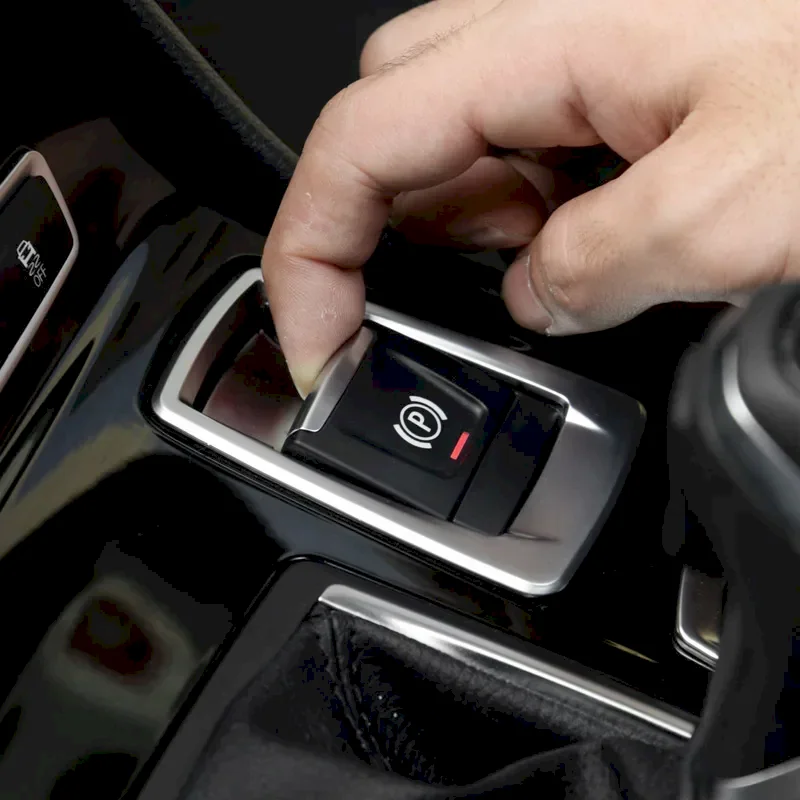
The electronic parking brake is particularly convenient in traffic jams or during long stops, such as at traffic lights. Unlike a manual handbrake, activating the system automatically turns on the brake lights, helping prevent confusion for other drivers. A simple press of the button allows the driver to relax without holding the brake pedal during extended stops.
Contrary to popular belief, the electronic parking brake can also be used while the vehicle is in motion. For example, on slippery surfaces such as snow or ice, it can help perform a tight turn by briefly locking the rear axle, reducing the turning radius. To activate the parking brake while moving, the driver typically needs to pull up and hold the parking brake button for about two seconds.
This function can also be used for an emergency stop. If the primary braking system becomes ineffective due to a failure, overheating, or other issues, the parking brake can help reduce speed. When functioning properly, it allows the vehicle to slow down in a relatively stable and controlled manner. It’s important to remember that only the rear wheels will be braking, so the driver may need to use steering input to maintain stability.
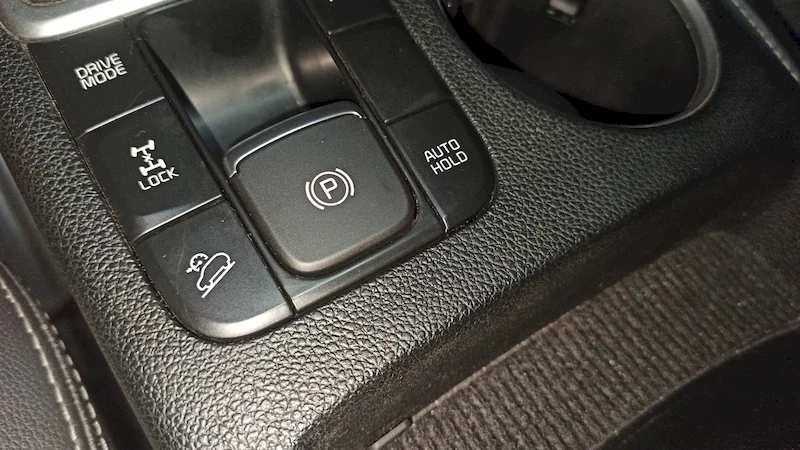
In vehicles equipped with automatic transmissions, the parking brake serves another important role. When stopping on an incline for an extended period, it’s recommended to engage the parking brake first and only then shift the transmission into Park. This reduces stress on the transmission’s parking pawl, which would otherwise be forced to hold the vehicle in place on its own.
Unlike a traditional handbrake, an electronic parking brake does not allow the driver to modulate braking force. It essentially operates in just two states—on or off—so attempting controlled drifts or other advanced maneuvers involving rear-wheel lockup is not advisable. In addition, maintenance costs for electronic parking brake systems are relatively high, so it’s best to avoid putting unnecessary strain on the system.
You may also be interested in the news:
Start/Stop Systems Are Everywhere — But Are They Really Saving You Gas or Wearing Out Your Engine?
Does start-stop technology really save fuel, and does it put extra wear on the engine? Here’s what drivers need to know.
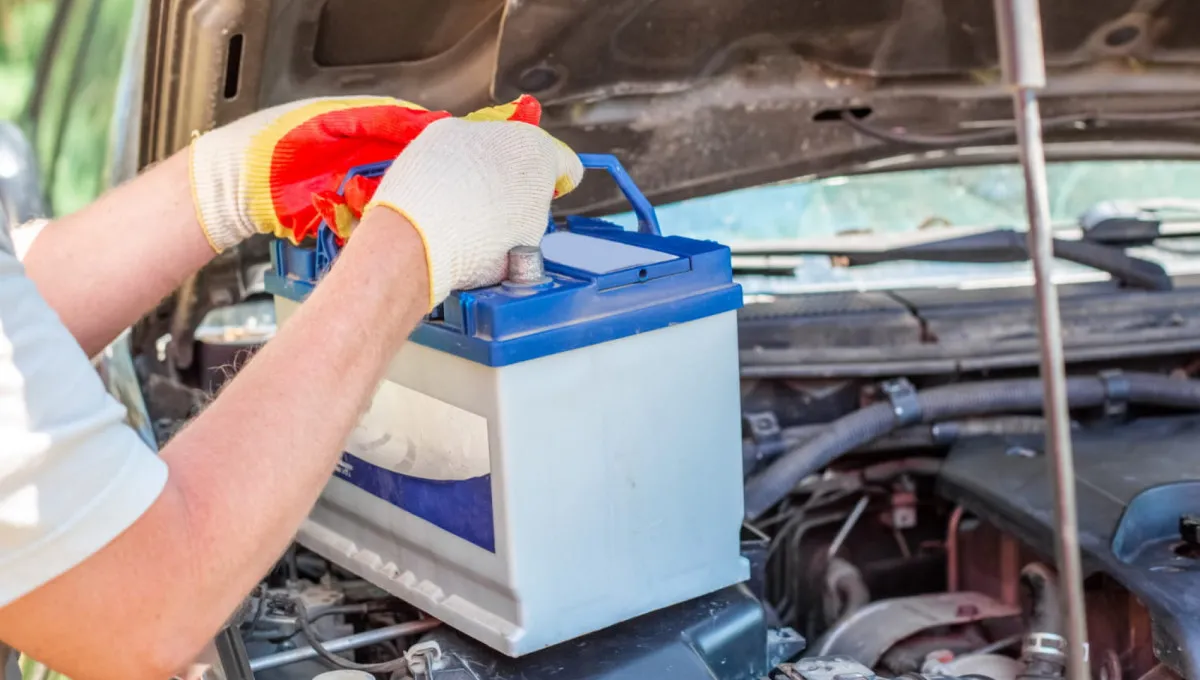
3 Signs Your Car Battery Is About to Die — And the Warning Signs Drivers Often Miss
A failing car battery rarely dies without warning, and these three signs can give drivers time to act before getting stranded.
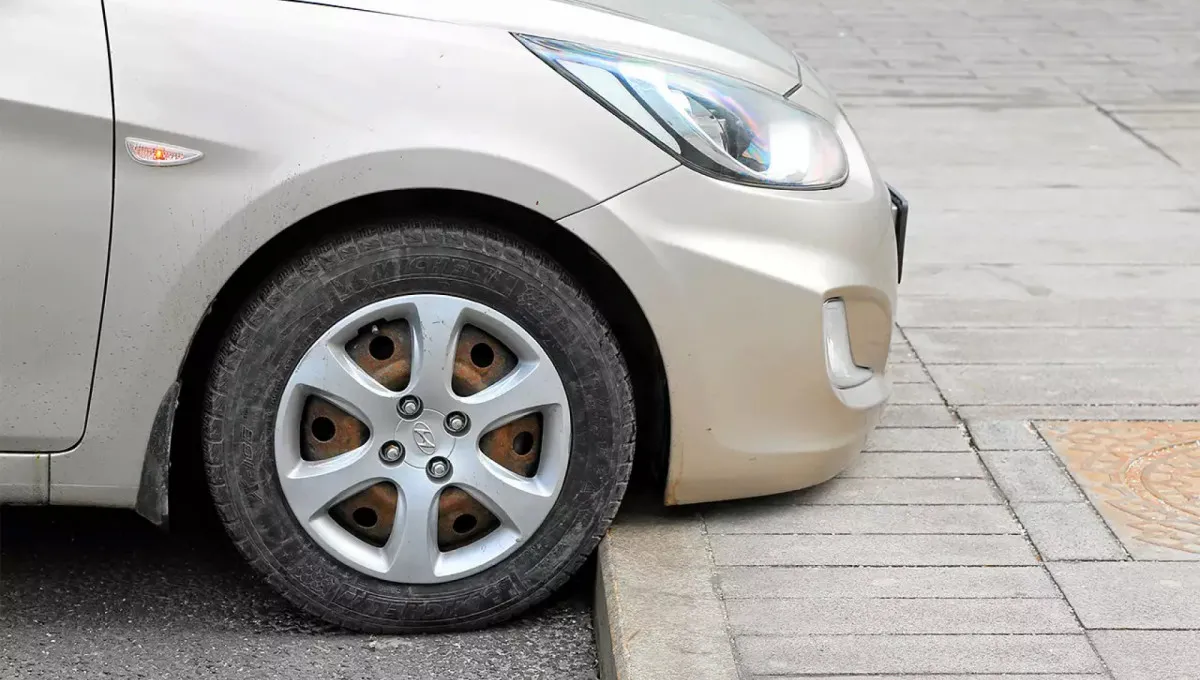
How to Park Close to a Curb Without Scratching Your Bumper: The Two-Mirror Method
How to Park Close to a Curb Without Scratching Your Bumper: The Simple Mirror Trick
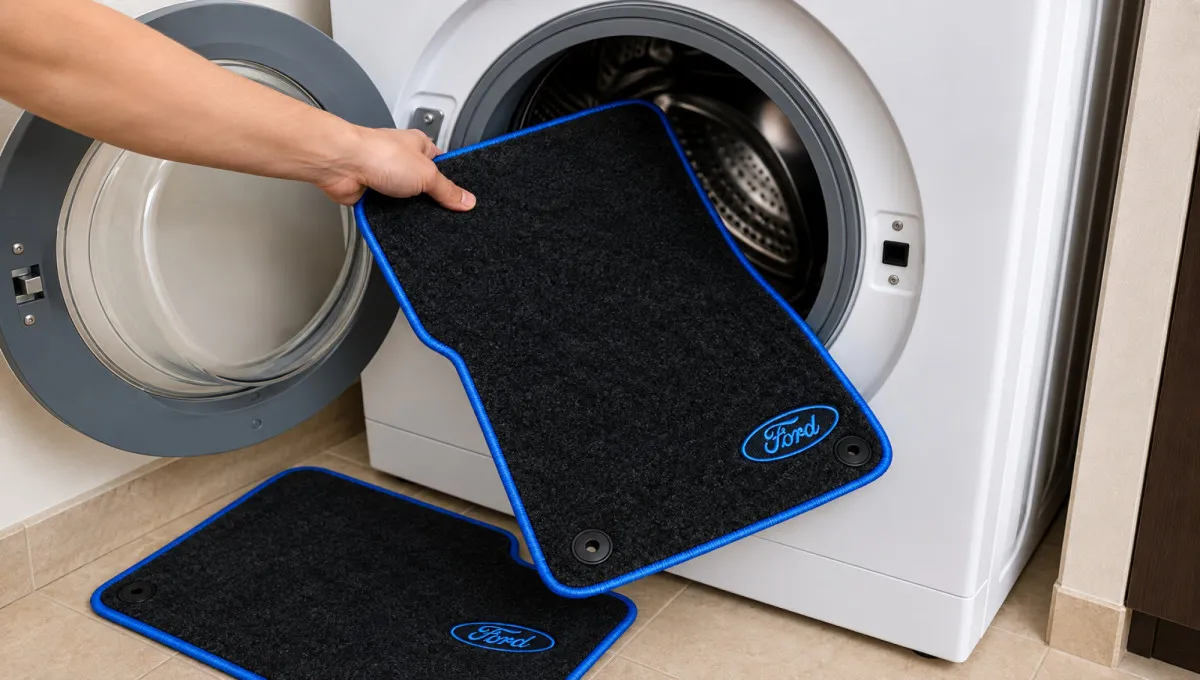
Can You Wash Car Floor Mats in a Washing Machine? Experts Have the Answer
Think Twice Before Washing Your Car Floor Mats in the Washing Machine, Experts Warn.
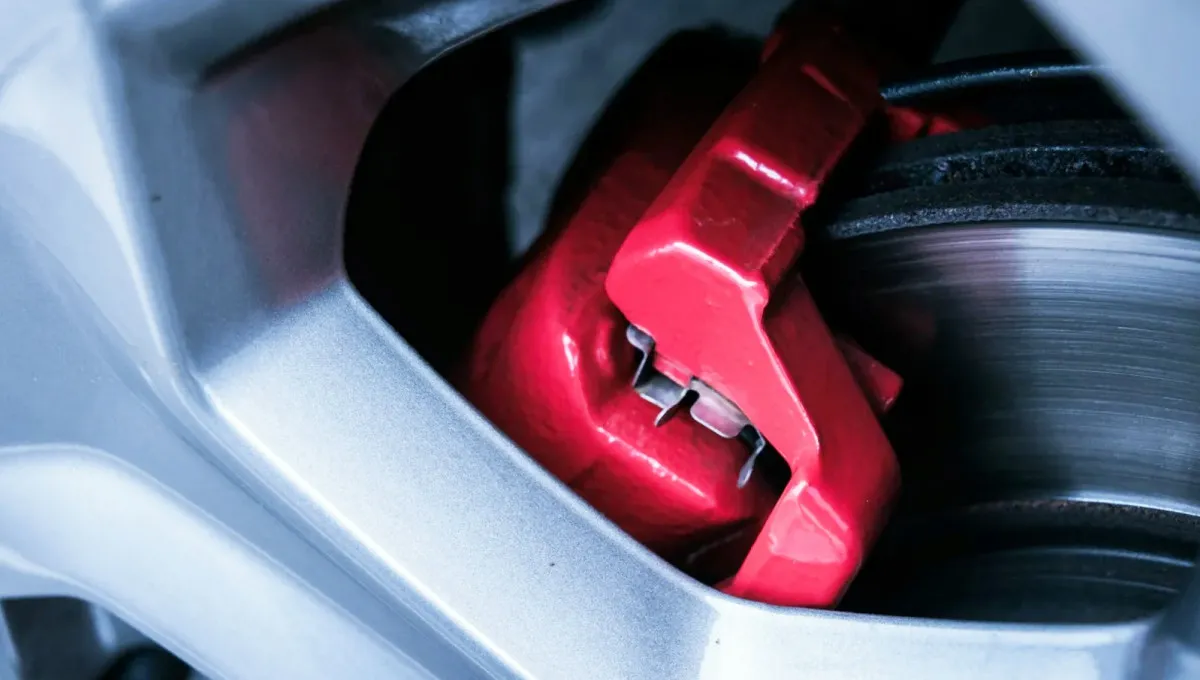
Your Brakes Squeal Every Morning? Here’s When That Noise Is Normal—and When It Could Mean Trouble
That sharp brake squeal first thing in the morning is often harmless—but persistent noise can point to worn or damaged brake components.