
The “AUTO” Button in Your Car: A Little Bit of Magic Most Drivers Ignore — Even Though It Actually Works
When should you use it, what does it really do, and why it can make every drive more comfortable.
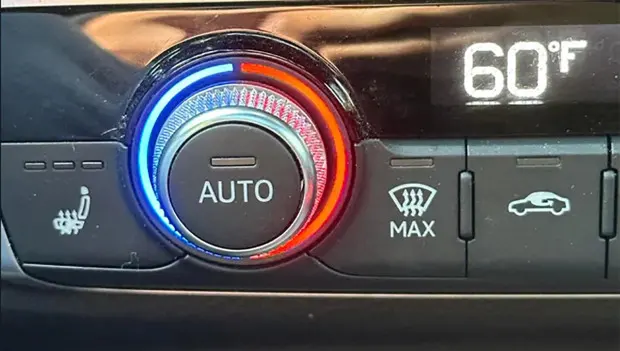
When I bought my first foreign car, I proudly started clicking every button on the dashboard like I’d just stepped into a spaceship. Then I noticed one mysterious label: AUTO.
“Automatic… what? Engine start? Karma cleansing?” I wondered — and decided not to touch it. What if I broke something? Or accidentally launched the car into orbit?
A couple of years passed. Then came winter. Then summer. And one day, drenched in sweat like a kettle on the stove, I noticed that same button again.
I pressed it.
Everything changed.
So what is the AUTO button, and why does it exist?
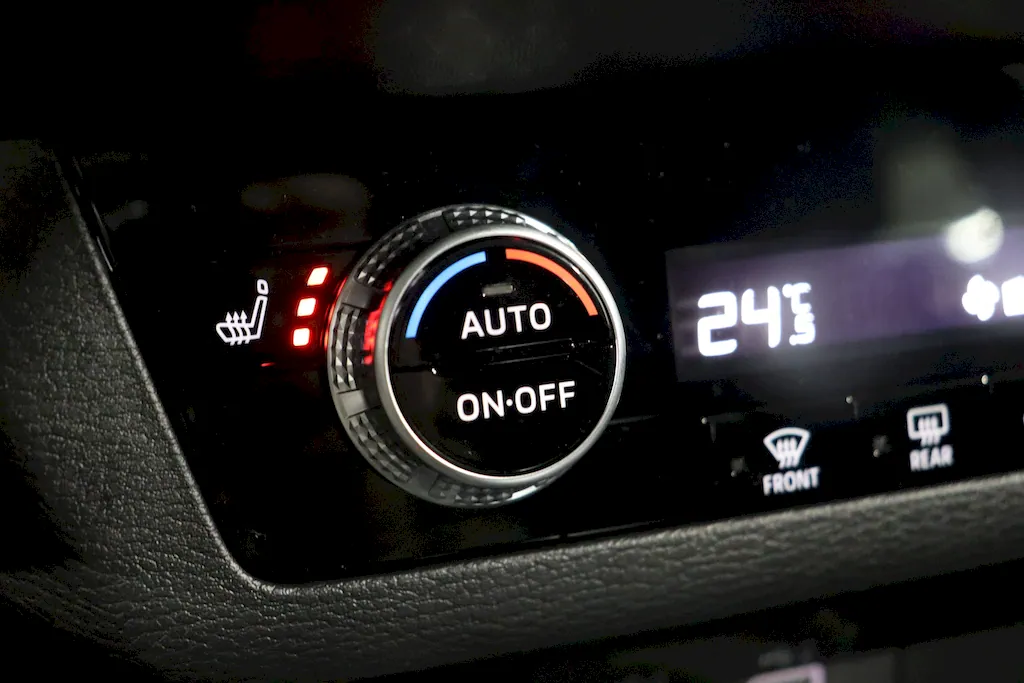
In most modern cars sold in the U.S., the AUTO button activates automatic climate control. Not in your house. Not on your phone. Right there in your car — where you sit in traffic, sweat in July, and freeze in January.
Think of it as your personal in-car climate manager.
Here’s what it actually does:
-
Automatically reaches the temperature you select (say, 72°F).
-
Adjusts fan speed on its own — no sudden jet-engine noise.
-
Redirects airflow so it doesn’t blast your neck like you drove home with the windows down.
In short, you tell the car how comfortable you want to be, and the system figures out the rest.
You’re the boss. The car handles logistics.
Why AUTO beats doing everything manually
Most drivers try to micromanage the climate system. First they crank the fan to max. Five minutes later, it feels like a refrigerator. Then they turn it down — suddenly it’s a sauna again. Windows start fogging up. Panic sets in. Buttons get mashed.
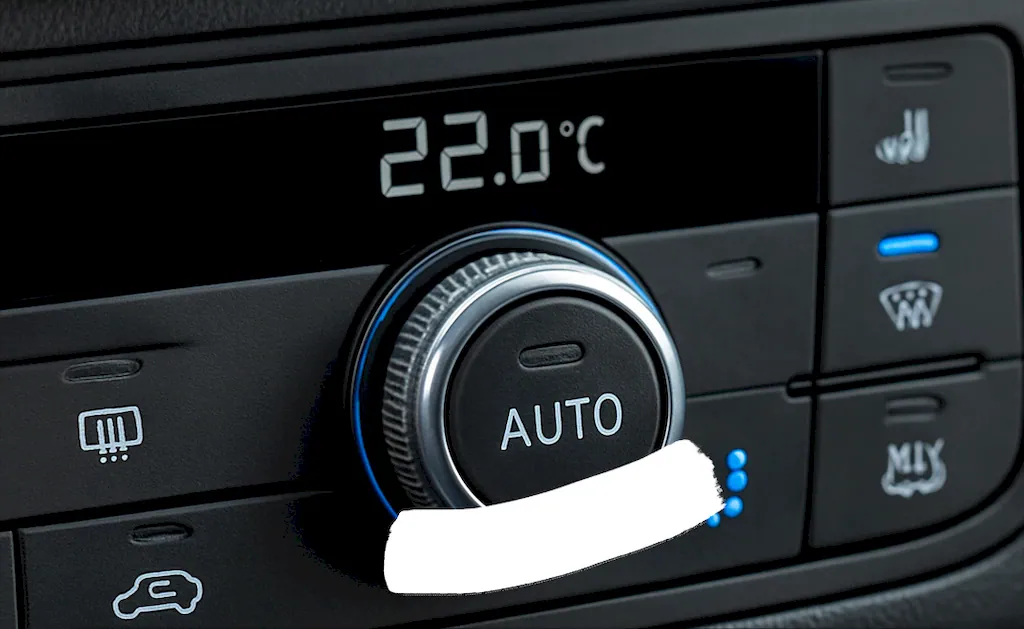
Next thing you know, the seat heater is on and some early-2000s song is blasting from the speakers.
Sound familiar?
AUTO avoids all of that. It quietly maintains balance. No drama. No temperature roller coaster.
And no, it’s not a gimmick. It’s genuine comfort.
When AUTO doesn’t feel so magical
Of course, there are situations where the system won’t perform as intended:
-
If your A/C refrigerant is low.
-
If sensors are failing.
-
If the cabin air filter is clogged.
-
If the radiator or condenser fins are packed with dirt or debris (those need occasional cleaning).
In those cases, AUTO becomes just another button — no magic involved.
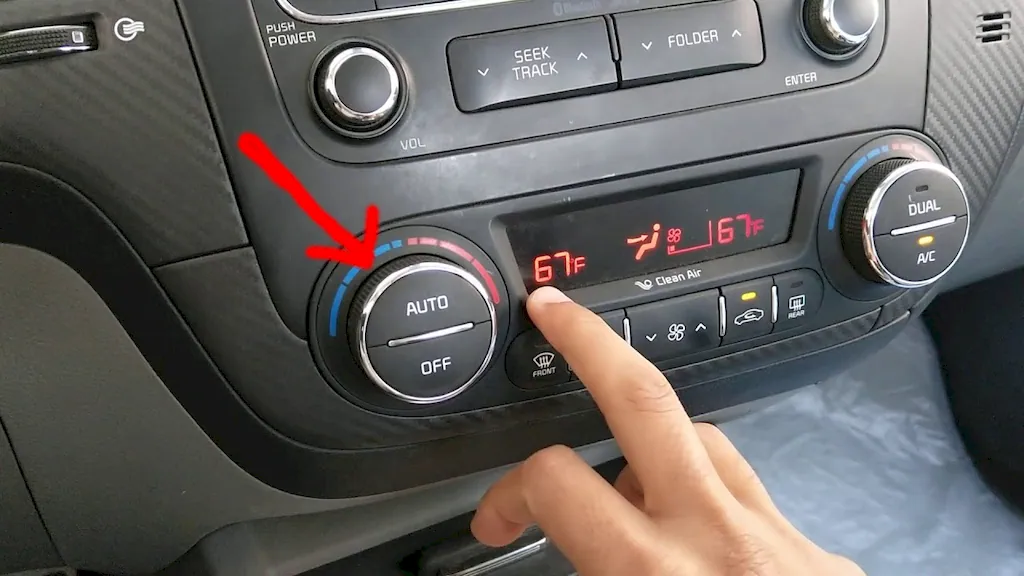
Also, not every car’s climate system is tuned perfectly. Some models prefer 75°F instead of 72°F. Others cool better at 68°F. You may need to experiment during a longer drive to find your sweet spot.
A real-life story
A friend of mine drove his car for nearly a year thinking the AUTO button was remote engine start. He honestly believed that if he held it long enough, the car would fire up.
Spoiler: it didn’t.
But one summer day, he accidentally pressed AUTO while driving. Ten minutes later, he realized he was cruising in cool comfort.
Now he calls it “God Mode.”
I just smile — and enjoy knowing I helped unlock a small automotive life hack.
The takeaway
That little AUTO button is one of the easiest ways to upgrade your daily driving experience.
Press it once. Set your temperature. Then forget about it — all summer, or all winter.
Sometimes, the smartest feature in your car is the one you’ve been ignoring the whole time.
You may also be interested in the news:
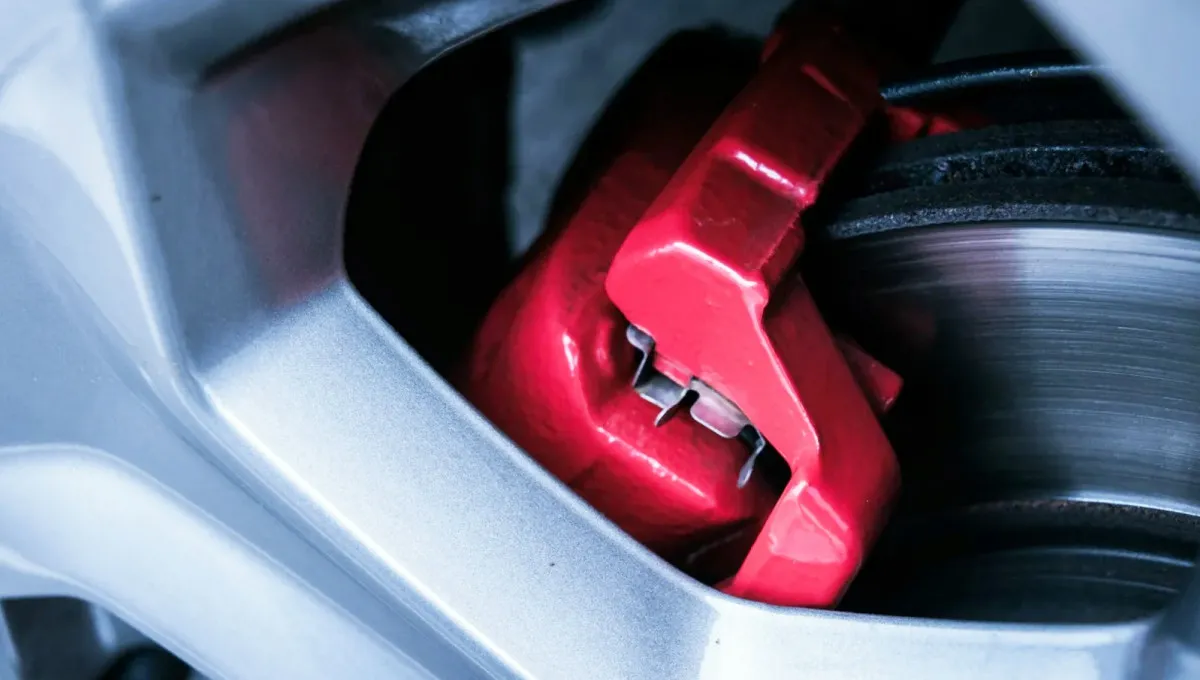
Your Brakes Squeal Every Morning? Here’s When That Noise Is Normal—and When It Could Mean Trouble
That sharp brake squeal first thing in the morning is often harmless—but persistent noise can point to worn or damaged brake components.
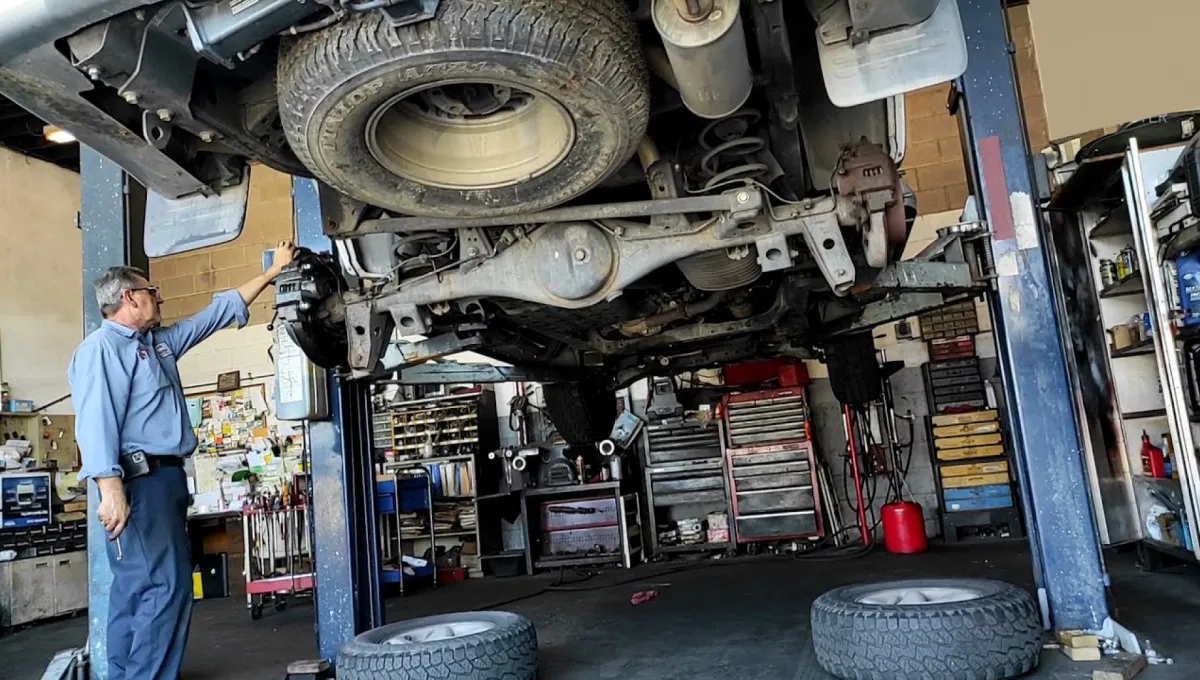
7 Car Repairs Mechanics Secretly Hate Taking on — Here’s Why Shops Say “No”
A mechanic explains why some seemingly routine repairs can become expensive nightmares for both shops and car owners.
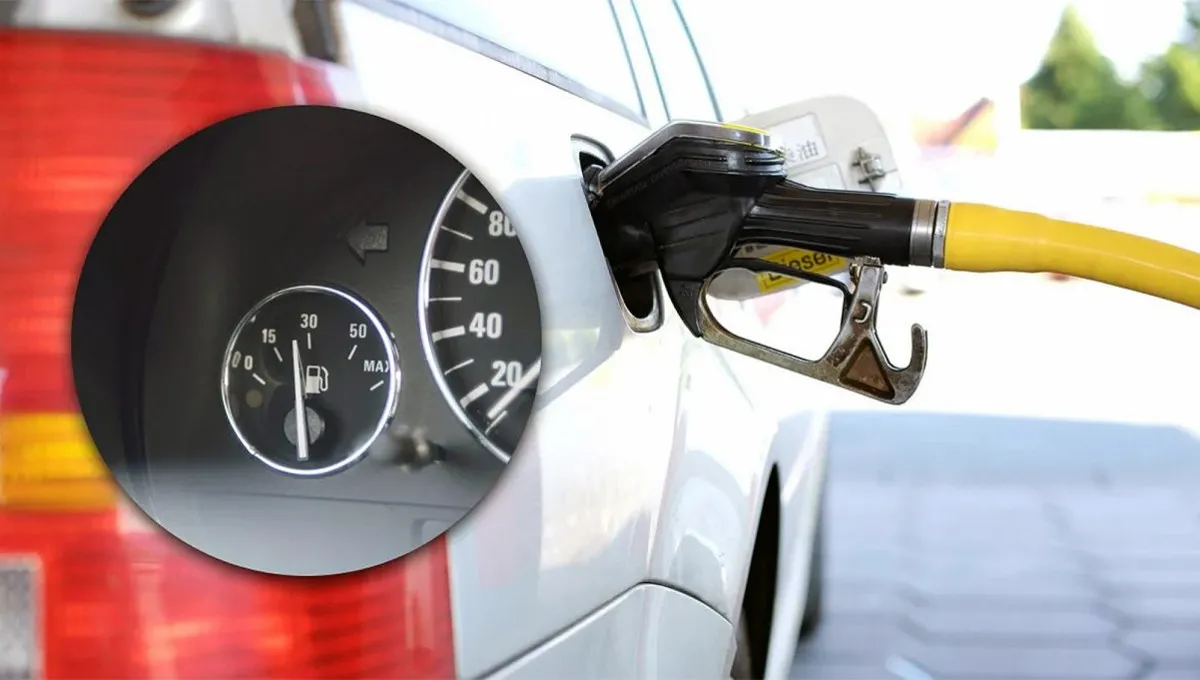
Your Car May Be Burning More Gas This Fall — Here’s the Surprising Reason Why
Colder temperatures, longer warm-up times and denser air can all cause your car to use more fuel in the fall.

The “Gas-Saving” Tricks That Could Destroy Your Car — And What Drivers Should Do Instead
Some fuel-saving tricks can backfire, costing drivers far more in repairs than they ever save at the gas pump.
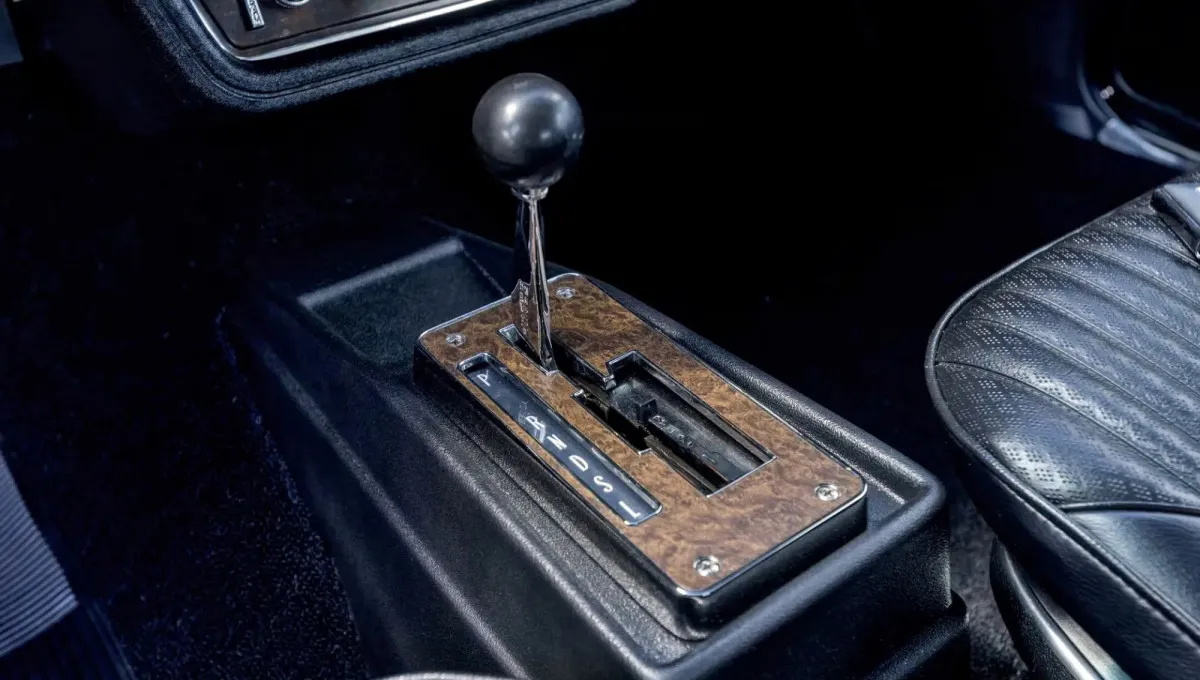
How Oldsmobile Invented a Manual Gearbox for an Automatic
Long before paddle shifters and electronic driving modes, Oldsmobile found a clever mechanical way to let drivers shift an automatic transmission themselves.