
Why Drivers Warm Up Their Car Batteries in Winter Even When Cold Doesn’t Drain Them
At first glance, it seems obvious. Everyone knows that batteries perform worse in cold weather than in warm conditions—they deliver less current, lose usable capacity, and struggle overall.
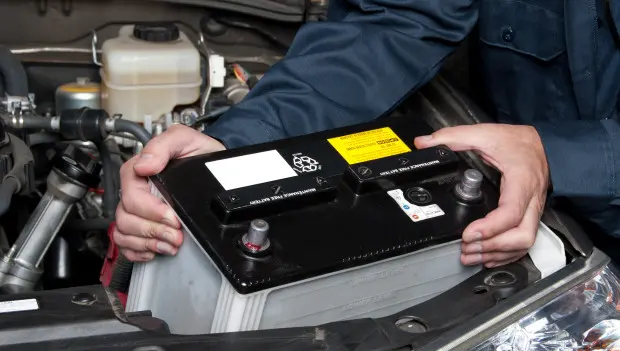
At first glance, it all seems straightforward. Cold temperatures are known to be bad for batteries: they can’t deliver the required current, their effective capacity drops, and performance suffers. It’s easy to conclude that low temperatures themselves are the main enemy. In reality, that conclusion is only partly true—and somewhat misleading.
Let’s start with a common scenario. A car sits unused for long periods in an unheated garage during winter. Should the battery be brought indoors so it doesn’t discharge? Or is that actually the wrong thing to do?
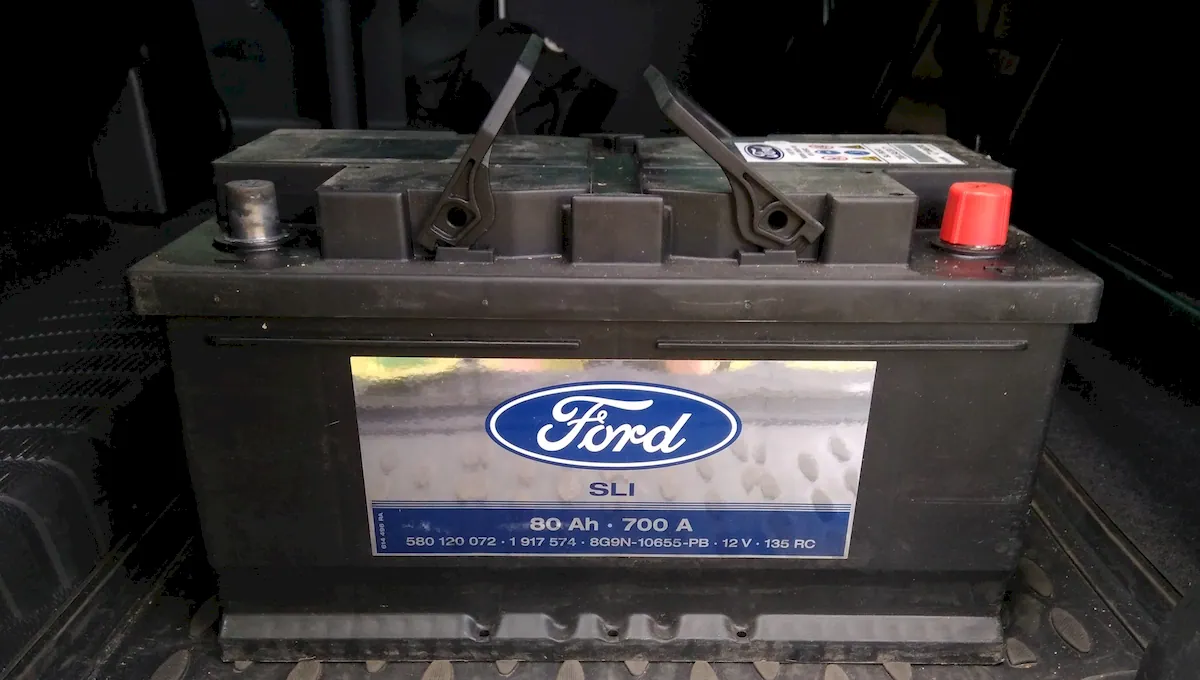
Here’s a basic principle many of us learned in school: chemical reactions slow down as temperatures fall. Simply put, particles move more slowly and collide less often. As a result, fewer reactions occur per second. This directly answers an important question—battery discharge also slows down in the cold. A battery stored indoors near a radiator will actually lose its charge faster than the same battery left cold in an unheated garage. That said, the state of charge should still be checked occasionally: if a battery is deeply discharged, freezing temperatures can cause it to crack or rupture.
The same slowdown applies to charging. In warm conditions, a battery readily accepts energy from a charger. In extreme cold, however, it almost stops charging altogether.
What’s really happening
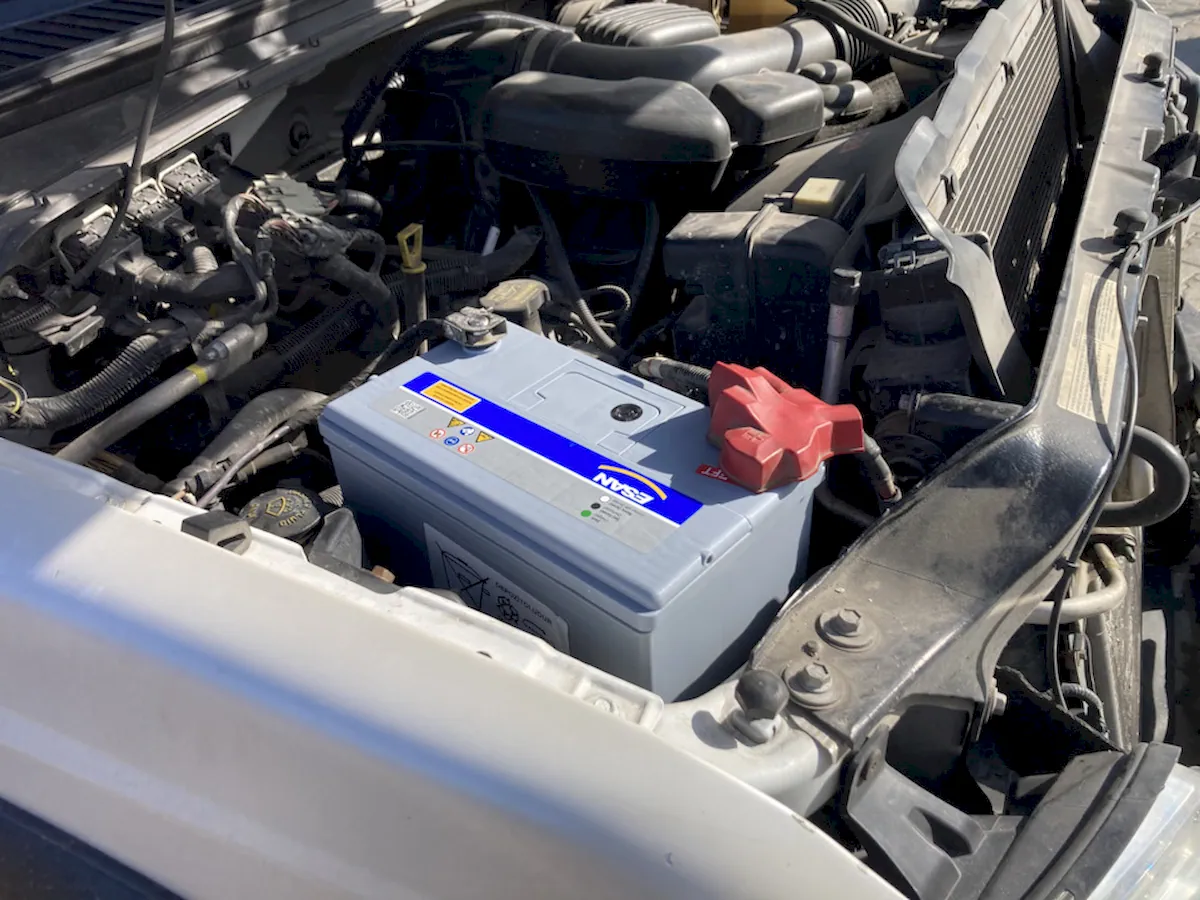
Now let’s talk about capacity and output current. By industry standards, cold-cranking current is tested at –18°C (0°F), and for good reason—batteries don’t always operate in ideal conditions. If a battery can deliver current in the cold, it will certainly do so in warmer weather. Still, most battery problems show up in winter. That’s why many drivers say batteries “lose capacity” in the cold because they supposedly discharge faster. But that raises a logical question: how can discharge accelerate if chemical reactions slow down?
The explanation is simpler than it sounds. There are valid reasons winter puts extra strain on a battery. Cold, thickened engine oil makes it harder for the starter motor to turn the crankshaft, increasing current demand. At the same time, recharging is less efficient. As a result, the battery struggles to recover. But this isn’t the main reason capacity appears to vanish.
A simple experiment proves it. Take two identical batteries and cool one of them by 20–30 degrees. When you compare their usable capacities, the cold battery will show a dramatic drop—sometimes two to three times less than the warm one. Thick oil has nothing to do with it.
So where did the capacity go? Nowhere at all. Warm the cold battery back up, and the capacity returns. Some experienced drivers even use this trick in emergencies, placing a battery in hot water for about 40 minutes to revive it. Winter battery “failures” occur because a cold battery can’t deliver its stored energy quickly enough. As electrolyte viscosity increases, acid moves more slowly into the pores of the plates’ active material. Internal resistance rises, and the battery can’t provide the current the vehicle demands.
It’s like trying to pull cash from a wallet whose zipper has frozen shut. The money is there—but accessing it is a problem.
In that sense, a battery in freezing weather behaves like a glass with an ice cube in it. The contents haven’t disappeared, but you can’t drink them until the ice melts. Once the battery warms up, its rated performance comes back.
It’s also worth noting that modern battery technologies handle cold better than traditional designs. AGM batteries, for example, typically offer nearly double the reserve capacity of conventional lead-acid batteries in cold conditions, regardless of load.
You may also be interested in the news:
The “Gas-Saving” Tricks That Could Destroy Your Car — And What Drivers Should Do Instead
Some fuel-saving tricks can backfire, costing drivers far more in repairs than they ever save at the gas pump.
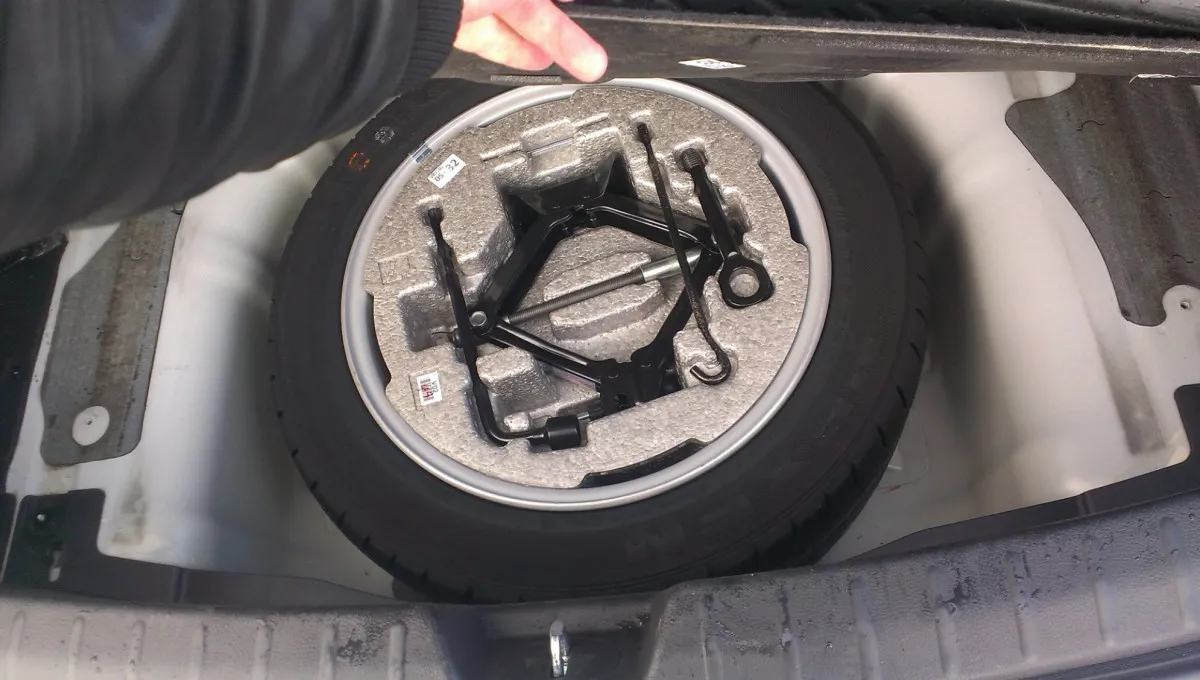
Why New Cars Are Ditching the Spare Tire — And What Drivers Get Instead
More new vehicles are replacing the spare tire with a compressor and sealant kit, and there are two practical reasons why.
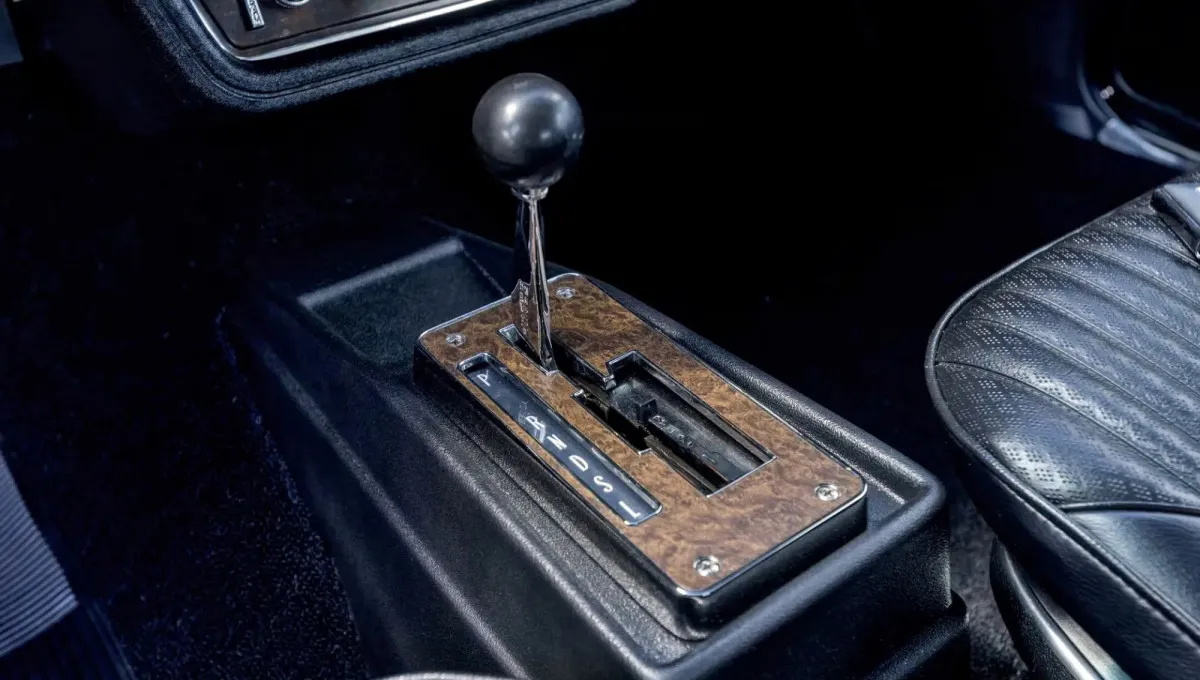
How Oldsmobile Invented a Manual Gearbox for an Automatic
Long before paddle shifters and electronic driving modes, Oldsmobile found a clever mechanical way to let drivers shift an automatic transmission themselves.
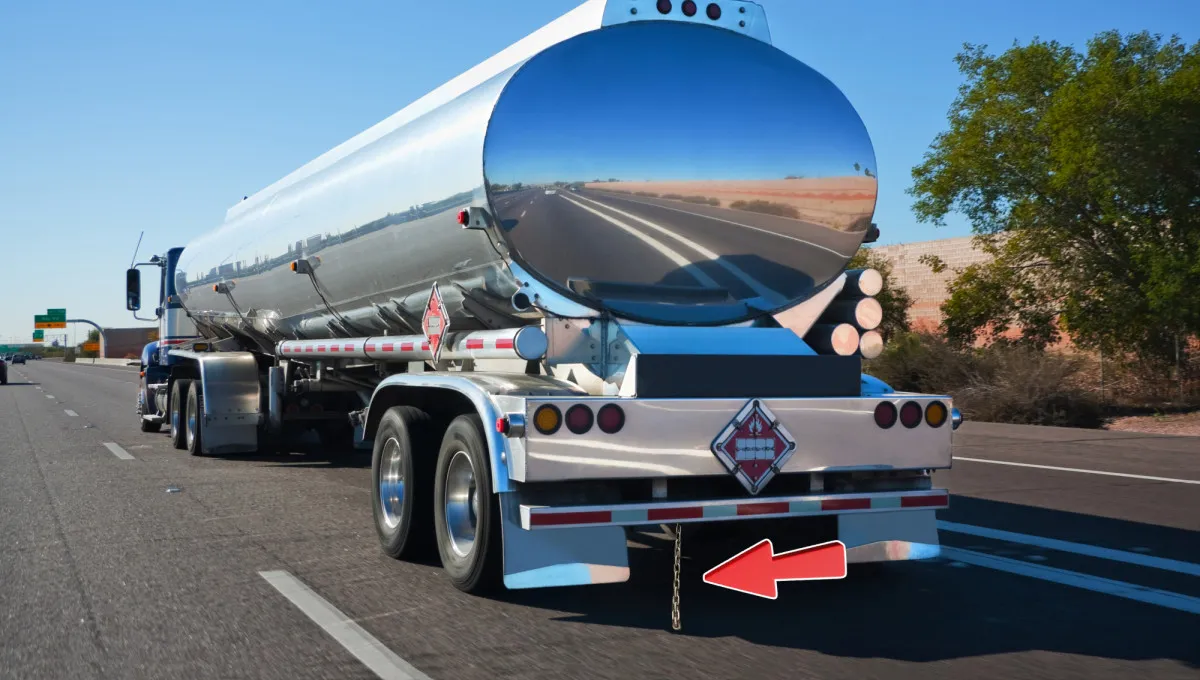
You’ve Seen This Chain Behind Fuel Tankers — But Do You Know What It’s Really For?
The metal chain dragging behind a fuel tanker isn't a forgotten part or a coincidence—it has long been associated with fire safety.
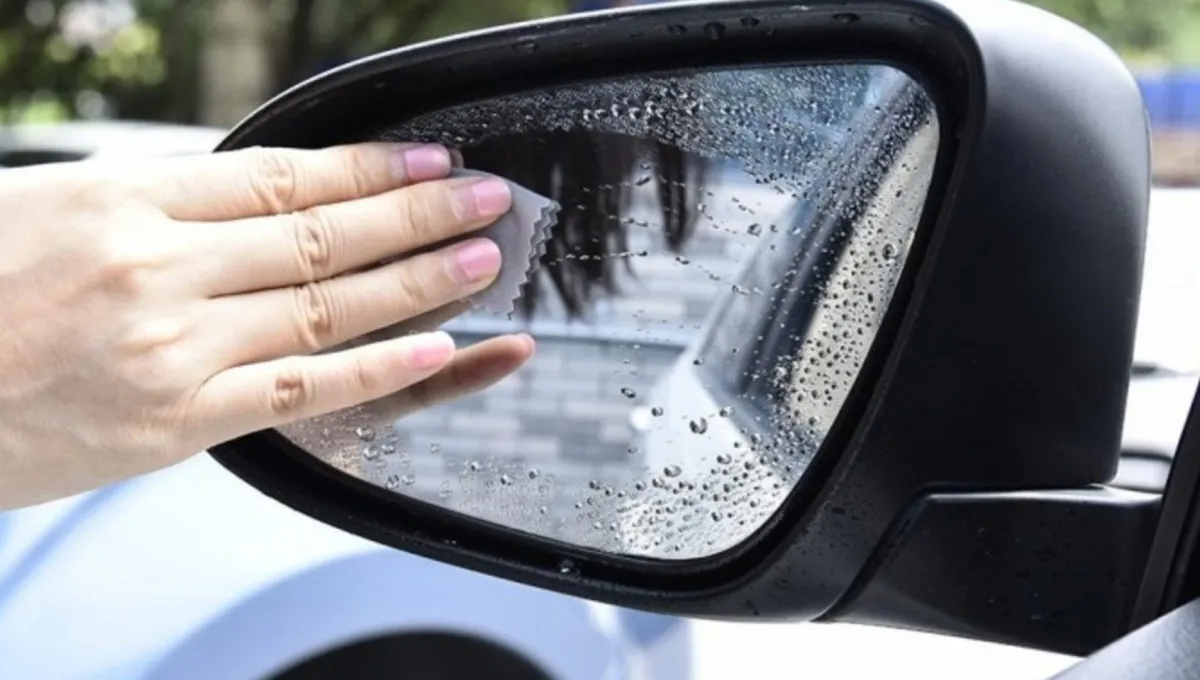
How to Protect Your Car Mirrors From Rain: A Simple Home Hack
A simple household product can help keep your car’s side mirrors clearer when rain makes visibility a challenge.