
Where to Keep Your Car in Winter: Heated Garage, Unheated Parking, or Outdoors?
Given the choice and the means, most would likely opt for a heated garage. But is that always the wisest decision?
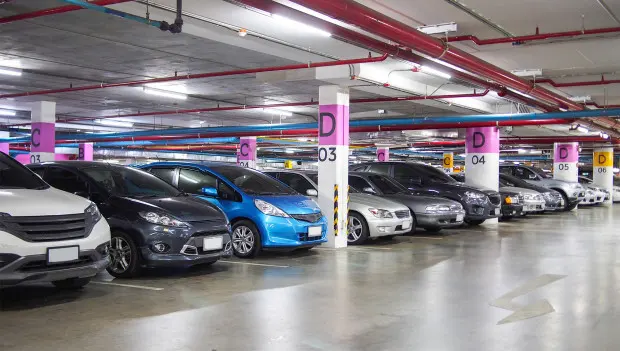
Given the choice and the means, most would likely opt for a heated garage. It seems obvious, doesn't it? It's warm, dry, civilized… and you definitely won't need a shovel. However, the reality isn't so clear-cut.
In a modern city, especially a metropolis, personal square footage for your car is at a premium. The problem intensifies in winter when snowdrifts stake their claim to your parking spot, and arguing with them is pointless.
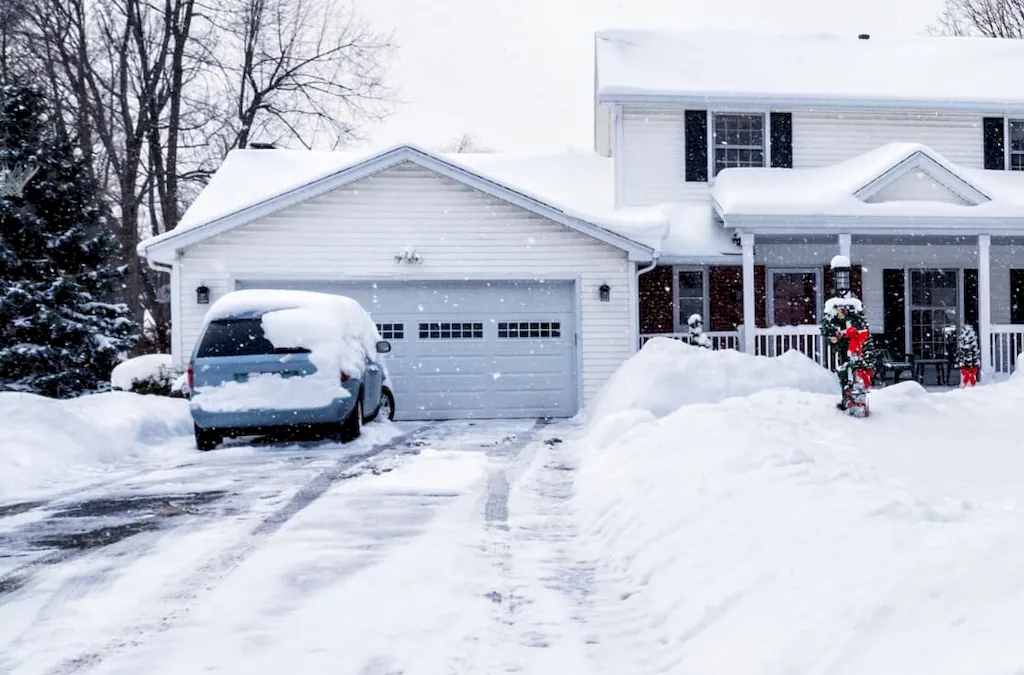
Let's start with the heated garage. The advantages are clear and obvious. If you don't plan to use the car at all during winter, it will be kept in ideal conditions. There will be no condensation in the mechanical components, and rubber parts and paintwork won't deteriorate prematurely. The car will remain practically spotless, a sight for the owner's sore eyes. And if you do need to go somewhere, the engine will start easily and warm up almost instantly.
But here come the drawbacks. Every winter trip from "plus to minus" temperatures is, unfortunately, an open invitation for corrosion. Cold slows down chemical reactions, while heat accelerates them. Therefore, the corrosion rate of steel body parts coated with a layer of road chemicals will be significantly higher in a heated garage. No car wash can completely eliminate this process. So, if you plan to frequently use a garaged car in winter, you'll likely have to invest in professional rustproofing. Although, if you don't plan to keep the car for decades, you might not worry too much about these issues.
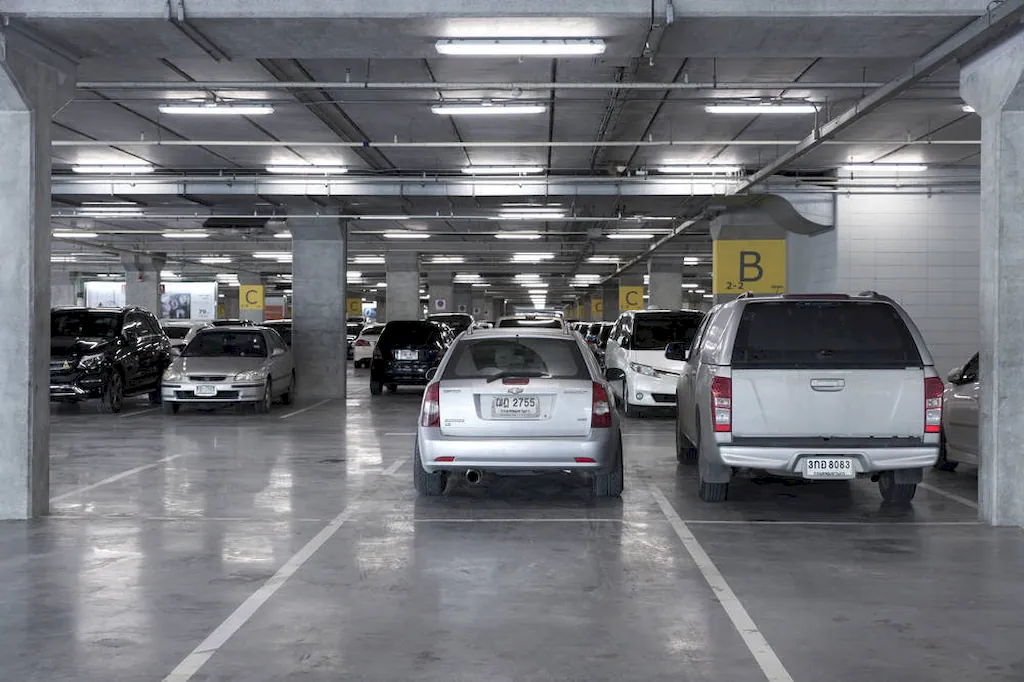
Against this backdrop, the advantages of unheated, drafty parking structures emerge unexpectedly. Corrosion under such conditions will be less active since the car cools down quickly after the engine is turned off. At the same time, you're spared from overnight snowdrifts piling up on the roof—just like in a heated garage—though in particularly "porous" structures, some snow might blow inside in small amounts. And if you need to tinker with the car a bit, it's certainly better to do it under a roof…
Owners of country homes also sometimes debate what to build: a full garage or a simple carport? The costs, of course, are incomparable, but the pros and cons are essentially the same. By the way, a garage doesn't have to be constantly heated. If you use the car daily, keeping it unheated will slow down the aforementioned corrosion. You can always heat the space for repairs and maintenance. An important point is that a closed garage naturally restricts access to unwanted guests, of course.
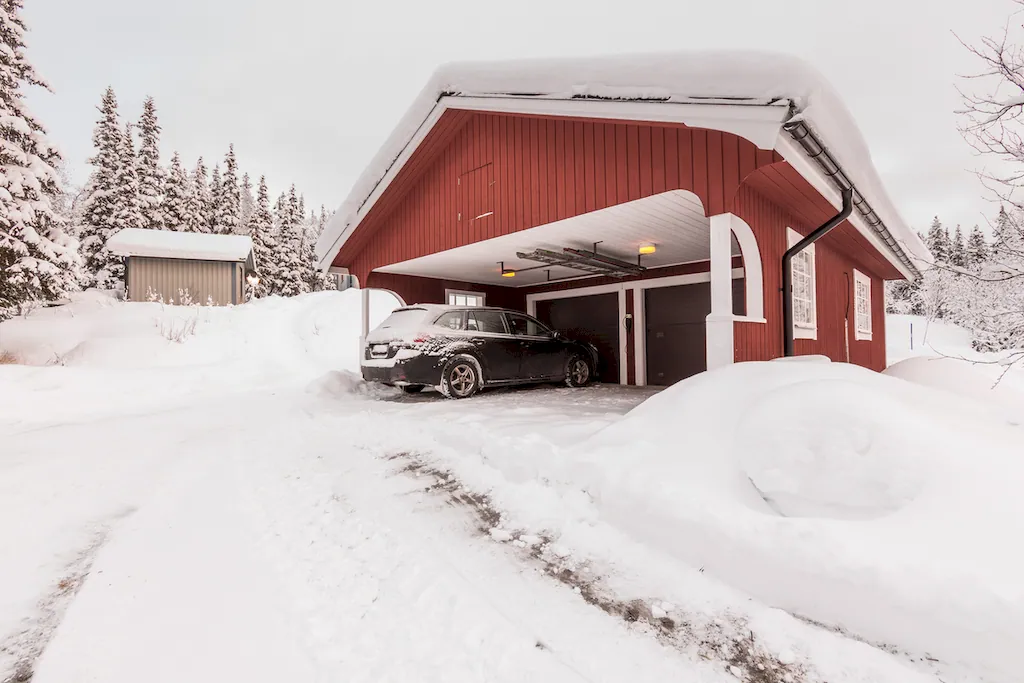
However, many are perfectly content with a simple carport: for daily use, it makes sense. Corrosion will definitely slow down, and an overnight snowfall won't turn the car into a snowdrift. For those seeking the ultimate solution, a carport in front of the garage offers the best of both worlds. Prepared for any scenario.
You may also be interested in the news:
The “Gas-Saving” Tricks That Could Destroy Your Car — And What Drivers Should Do Instead
Some fuel-saving tricks can backfire, costing drivers far more in repairs than they ever save at the gas pump.
How to Protect Your Car Mirrors From Rain: A Simple Home Hack
A simple household product can help keep your car’s side mirrors clearer when rain makes visibility a challenge.
Bottle Under the Tire: The New Roadside Scam Targeting Drivers
A new roadside scam is gaining traction, using a simple plastic bottle to trick unsuspecting drivers.
Why Your Neighbor Always Parks With the Wheels Turned: An Auto Expert Explains Three Reasons
Straight wheels aren’t always the smartest choice: experienced drivers turn them for three practical reasons you may not expect.
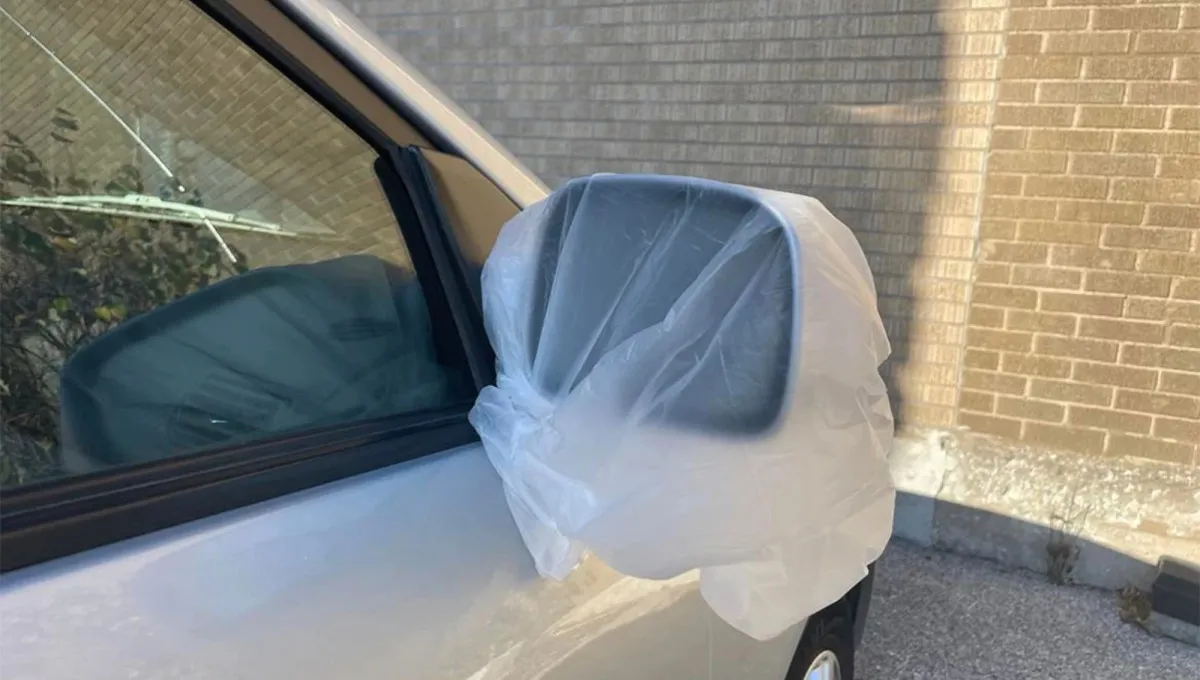
Why You Should Never Ignore a Plastic Bag on Your Car Mirror
You park your car, head inside, and return a short time later to find an ordinary plastic bag hanging from the side mirror.