
How to Properly Store Tires on Rims: 6 Key Rules
Proper tire storage on rims extends lifespan and keeps driving safety high between seasons.
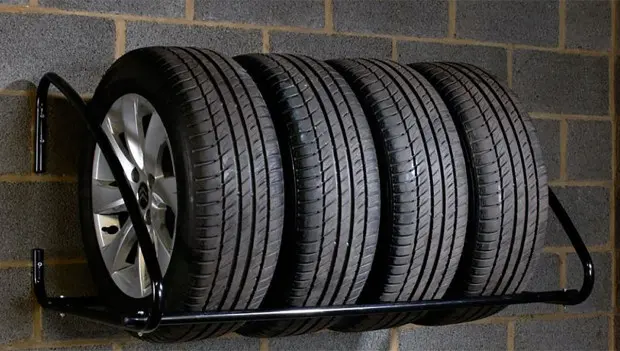
How you store tires on rims has a direct impact on how long they last. Proper storage isn’t just about saving money on buying new sets every season—it also affects driving safety. Poorly stored tires can lose performance, even if they still look fine.
For experienced drivers, this may be a reminder. For newer ones, it’s essential knowledge that can prevent costly mistakes.
Common Mistake
Many people imagine tire storage like this: stacked in a garage corner, left under a shed, or even outside next to a house. While convenient, these methods are not ideal. Tires stored this way gradually lose their properties, even if they don’t look damaged right away.
1. Moisture Control
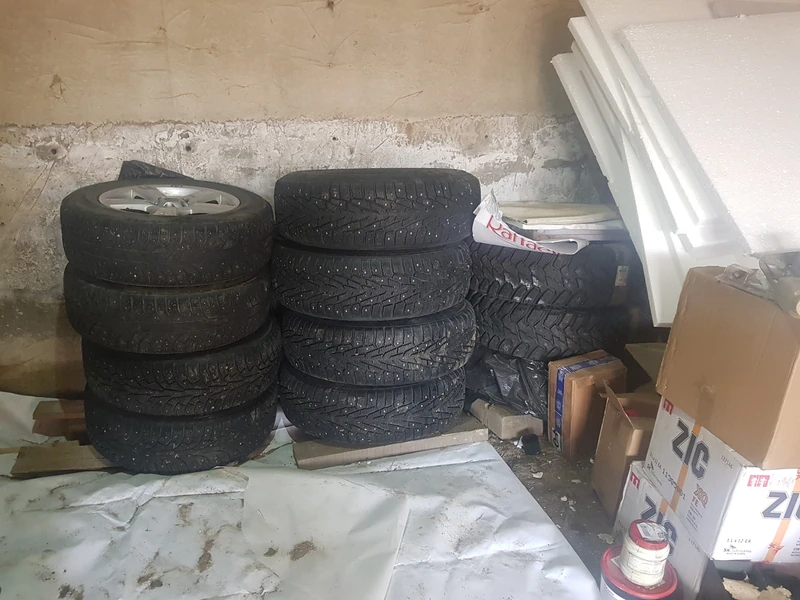
Before storage, tires should be thoroughly cleaned. Washing them in a bucket or with a hose is enough—as long as all dirt is removed. After cleaning, they must be completely dried.
Moisture is one of the worst enemies of long-term tire storage. If you only have an outdoor covered area, make sure it is fully enclosed. Rain and snow over several months can degrade rubber to the point where replacement becomes necessary.
Plastic bags are not a good solution. They trap moisture and create condensation, which actually makes things worse.
A better option is breathable non-woven storage bags. They cost more, but they protect each tire individually and are worth the investment.
Bottom line: storage space should be dry and well ventilated.
2. Temperature Control
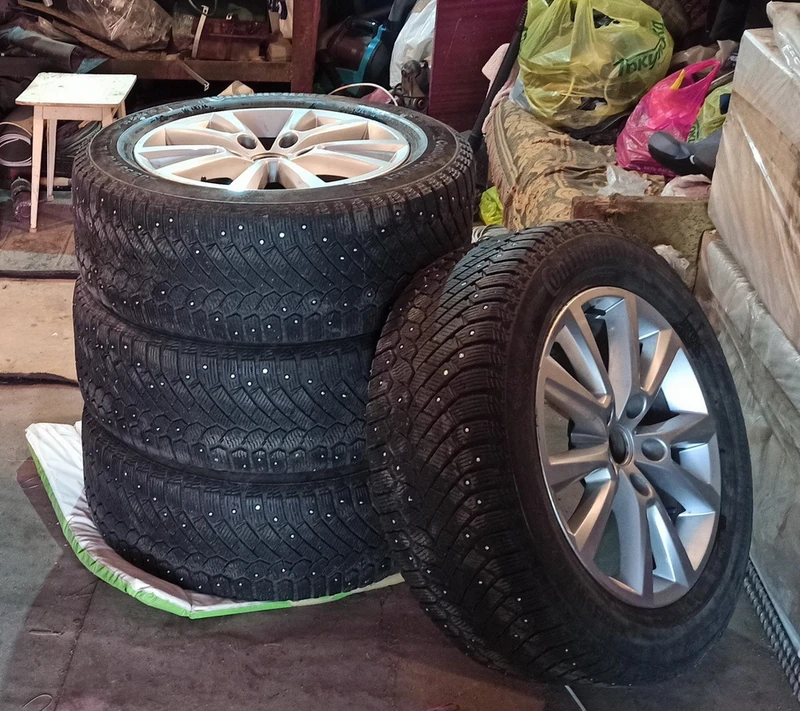
Tires should be stored in a stable environment between 32°F and 77°F (0°C to 25°C).
That means most garages without climate control are not ideal. If storing tires indoors, keep them at least 3 feet away from heaters, radiators, or any heat source.
Excessive heat or cold can cause rubber to crack or change its structure. You might not notice it until the first drive of the season—and by then it’s too late.
3. Light and Sun Exposure
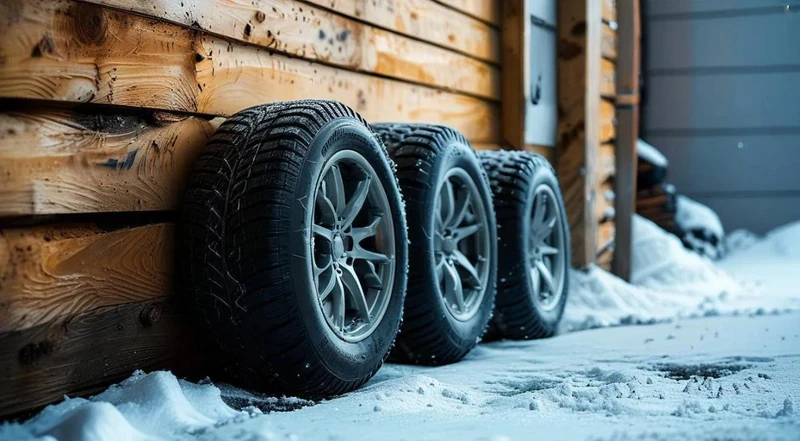
Direct sunlight acts like slow damage over time. UV rays dry out rubber and create micro-cracks that are not visible at first glance. Later, these cracks can lead to sudden tire failure when hitting a pothole or debris.
UV lamps can cause similar damage, so they should also be avoided.
In a garage environment, another risk is chemical exposure. Gasoline, oil, solvents, and household cleaners can slowly break down rubber if they come into contact with the tires.
4. Preventing Deformation
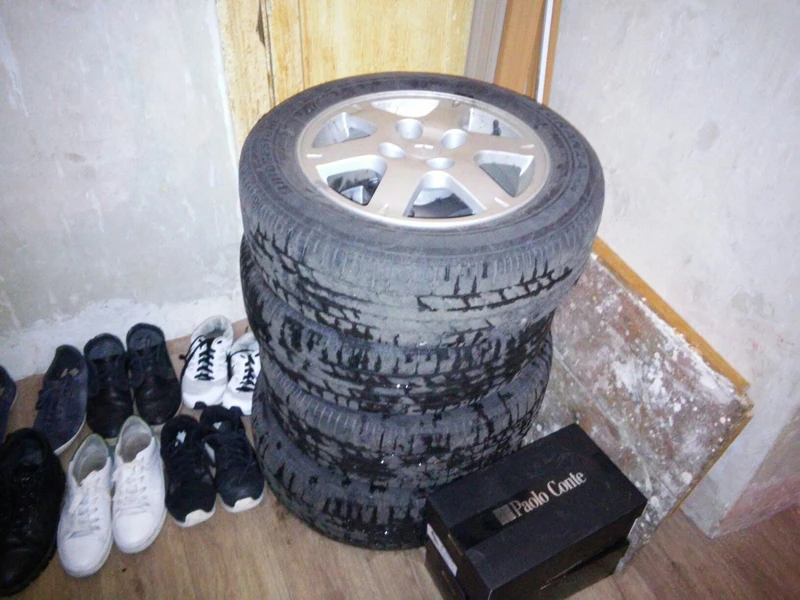
Tires should never be squeezed into tight spaces or placed under uneven pressure. This creates deformation that manufacturers never designed for.
The best option is storing tires mounted on rims. This keeps pressure distribution correct and helps extend service life. It also saves time during seasonal tire changes.
For storage position:
- Vertically stacked (up to 4 tires max) works well
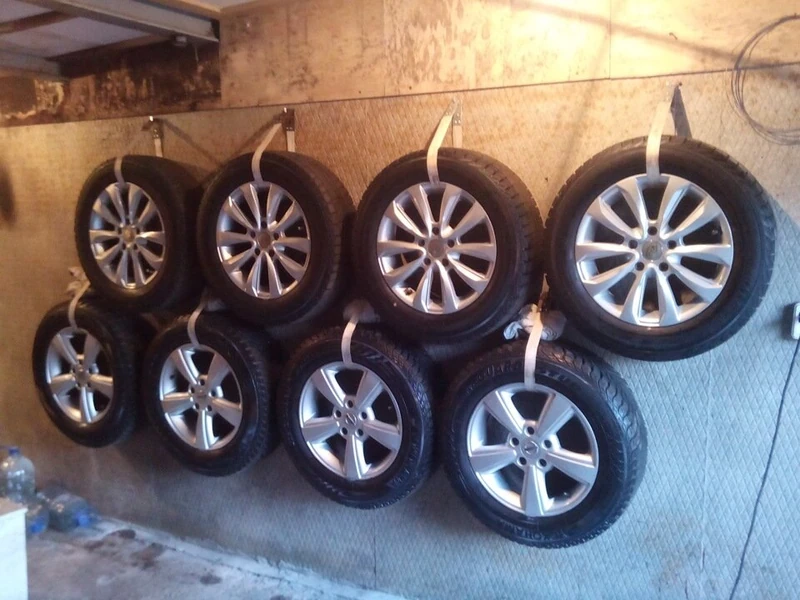
- Hanging on hooks is another solid option
- Avoid placing heavy objects on top of them
For those who prefer convenience, professional tire storage services are also available and eliminate most risks.
5. Keep Tires Inflated
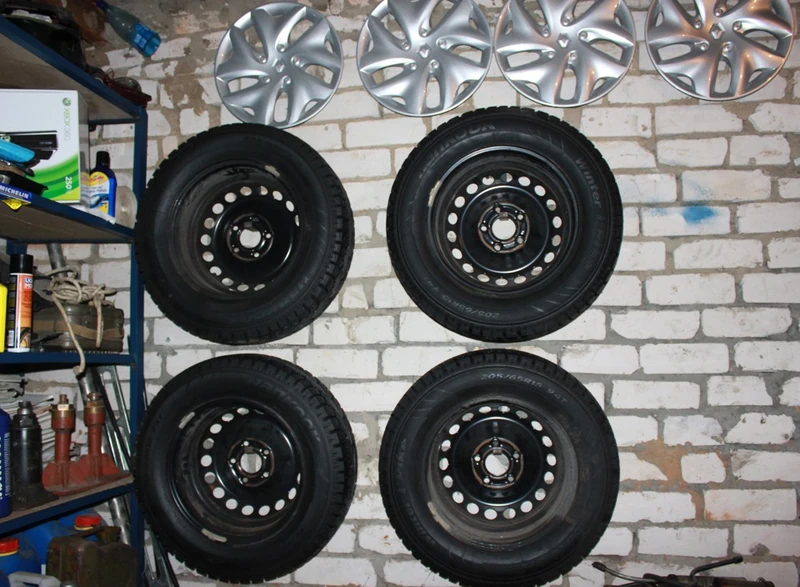
If tires are stored on rims, they should remain properly inflated. This helps maintain their shape and prevents sidewall stress.
Never place objects on top of stored wheels, as this can cause long-term deformation.
6. Optional Tire Preservative
There are aerosol tire preservation sprays designed to slow down rubber aging. Their effectiveness is debated, but they are relatively inexpensive and may offer some protection based on lab tests.
While not essential, many drivers still use them as an extra precaution.
Final Note
Most tires have a usable lifespan of around 5 years. After that, even perfect storage cannot restore original safety performance.
Good storage can preserve appearance, but it cannot guarantee road safety indefinitely. Proper handling simply helps you get the most out of each set while it’s still within its safe service life.
You may also be interested in the news:
The “Gas-Saving” Tricks That Could Destroy Your Car — And What Drivers Should Do Instead
Some fuel-saving tricks can backfire, costing drivers far more in repairs than they ever save at the gas pump.
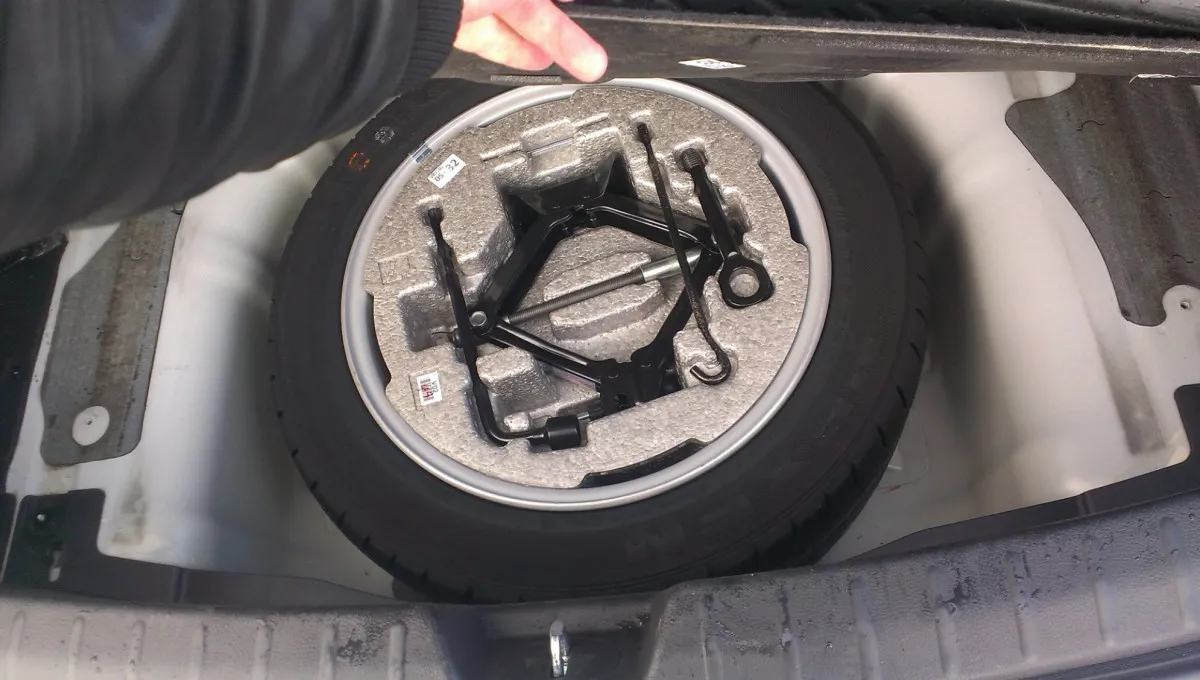
Why New Cars Are Ditching the Spare Tire — And What Drivers Get Instead
More new vehicles are replacing the spare tire with a compressor and sealant kit, and there are two practical reasons why.
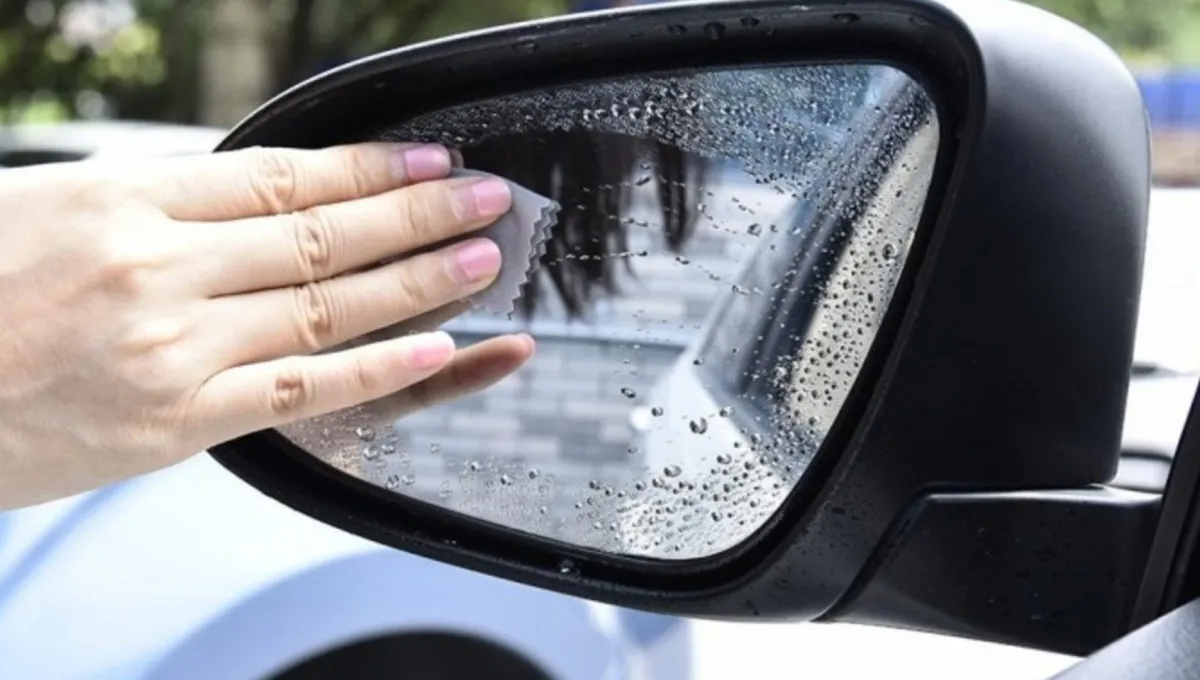
How to Protect Your Car Mirrors From Rain: A Simple Home Hack
A simple household product can help keep your car’s side mirrors clearer when rain makes visibility a challenge.
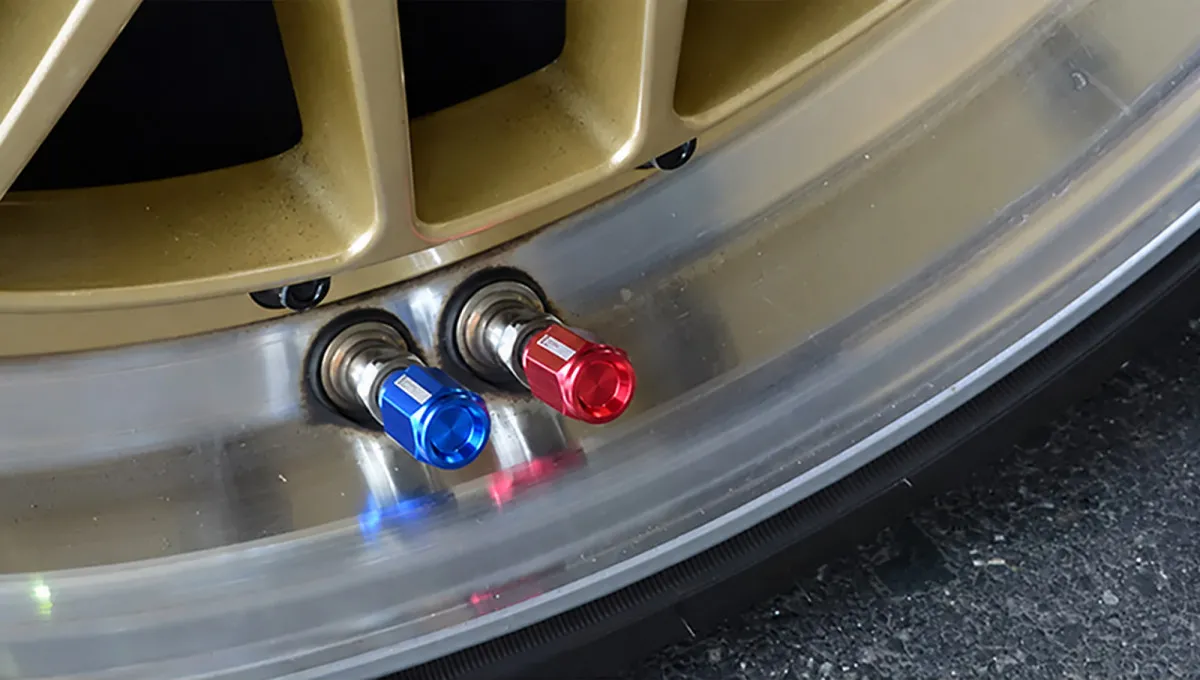
Not a Manufacturing Error: Why Some Wheels Have Two Valve Stems
Two valve stems on one wheel may look unusual, but the setup serves a practical purpose in racing and specialized tire service.
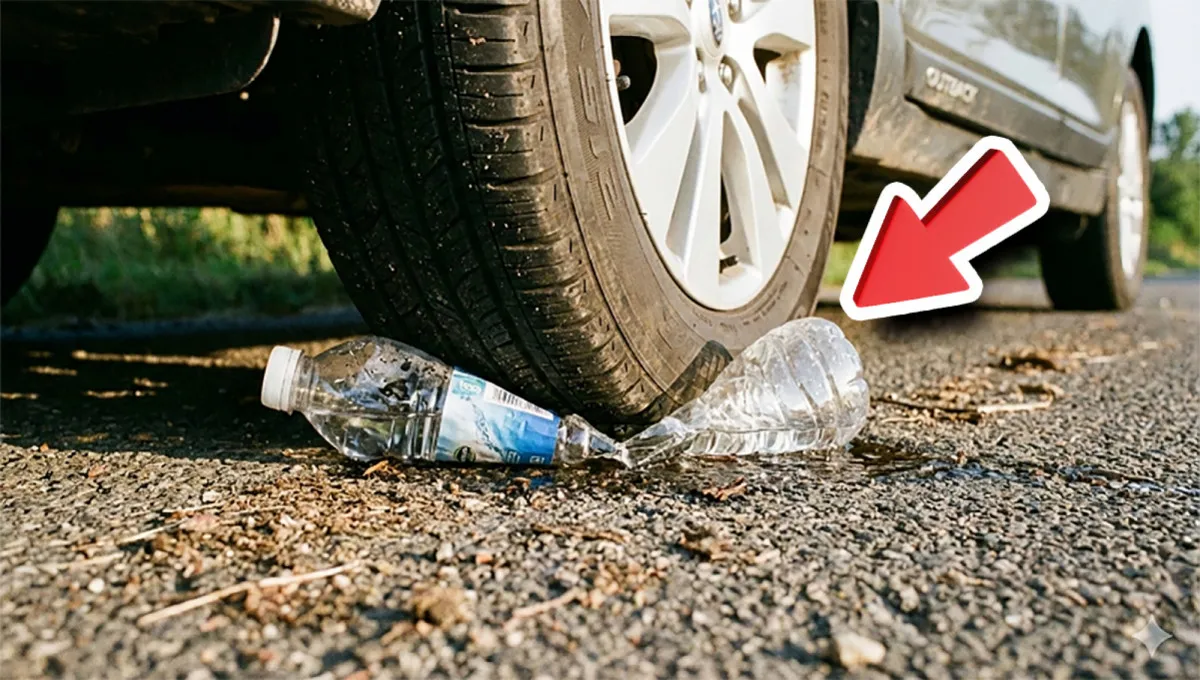
Bottle Under the Tire: The New Roadside Scam Targeting Drivers
A new roadside scam is gaining traction, using a simple plastic bottle to trick unsuspecting drivers.