
Many Drivers Have Noticed It: Why Your Speedometer and Smartphone Navigation Show Different Speeds—and Which One to Trust
You’re cruising down the highway, glance at the speedometer and see one number. Then you check your phone’s navigation app—and it shows something else.
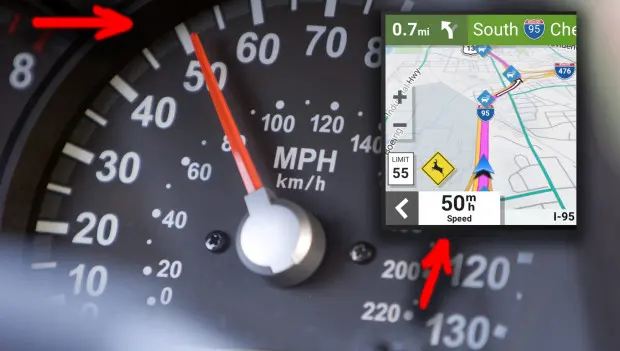
Many drivers have experienced this situation. You’re driving on the highway, the speedometer shows one speed, but your smartphone navigation app displays another. The difference is often small, yet it’s almost always there. That naturally raises questions about which reading is actually correct.
A car measures speed using sensors that track how fast the wheels are rotating and send that data to the vehicle’s electronic systems. In older cars, this was done mechanically with cables and gears. In modern vehicles, the process is fully electronic and often tied into the braking system. After calculating wheel rotations, the onboard computer converts them into miles per hour and displays the result on the instrument cluster.
Here’s the key detail: the speedometer is calibrated based on factory specifications. If those parameters change, accuracy suffers. Different wheels, tires with a different diameter, or even normal tire wear can all affect the reading. As a result, the number shown on the dashboard may differ from the car’s actual speed.
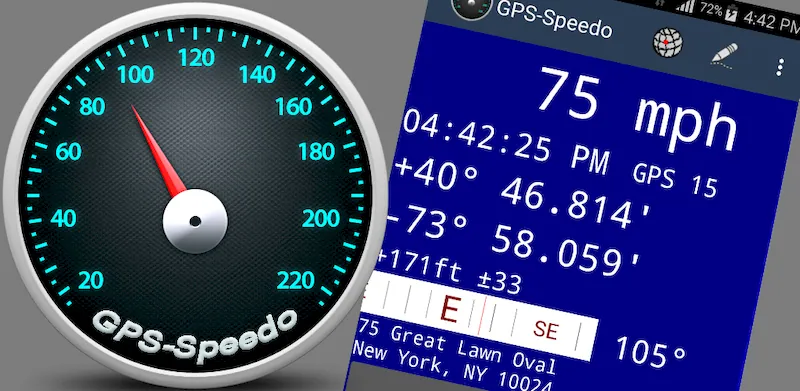
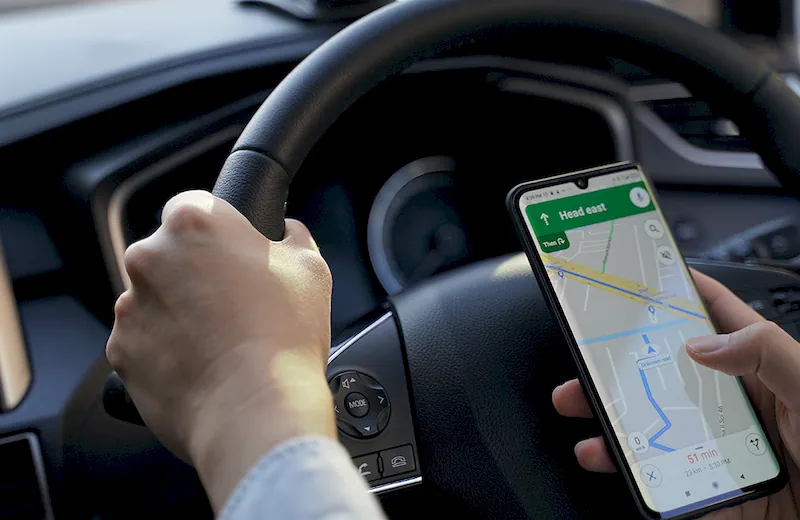
Navigation apps work in a completely different way. They rely on GPS signals to calculate how much distance the vehicle covers over a certain period of time. Accuracy depends on signal quality, surrounding buildings, tunnels, and sudden changes in direction. In challenging conditions, the speed reading can fluctuate or “jump.”
On long, straight stretches of road, GPS-based navigation usually shows a speed that’s closer to reality. Vehicle speedometers, on the other hand, often read slightly high—and that’s intentional. Safety regulations allow manufacturers to overstate speed by a small percentage. So a discrepancy between the two doesn’t mean something is wrong. It’s a normal situation drivers simply get used to.
At lower speeds, the difference between the speedometer and the navigation app is barely noticeable. But once you’re driving at highway speeds, the gap becomes more obvious. The faster you go, the larger the difference can appear—sometimes several miles per hour. That’s worth keeping in mind, especially near speed cameras.
To see which reading is more accurate, comparisons were made using roadside electronic speed displays that measure vehicle speed with radar. In most cases, the GPS readings from navigation apps closely matched those displays, with only minimal deviation.
A car’s speedometer follows a different logic. From the factory, it’s set up to show speed with a built-in margin. Current regulations allow a small upward deviation, measured in percentages. For drivers, this buffer acts as an extra layer of protection against accidentally exceeding the speed limit. That’s why many motorists confidently rely on the dashboard display and don’t worry too much about how it compares to their phone’s navigation app.
You may also be interested in the news:
The “Gas-Saving” Tricks That Could Destroy Your Car — And What Drivers Should Do Instead
Some fuel-saving tricks can backfire, costing drivers far more in repairs than they ever save at the gas pump.
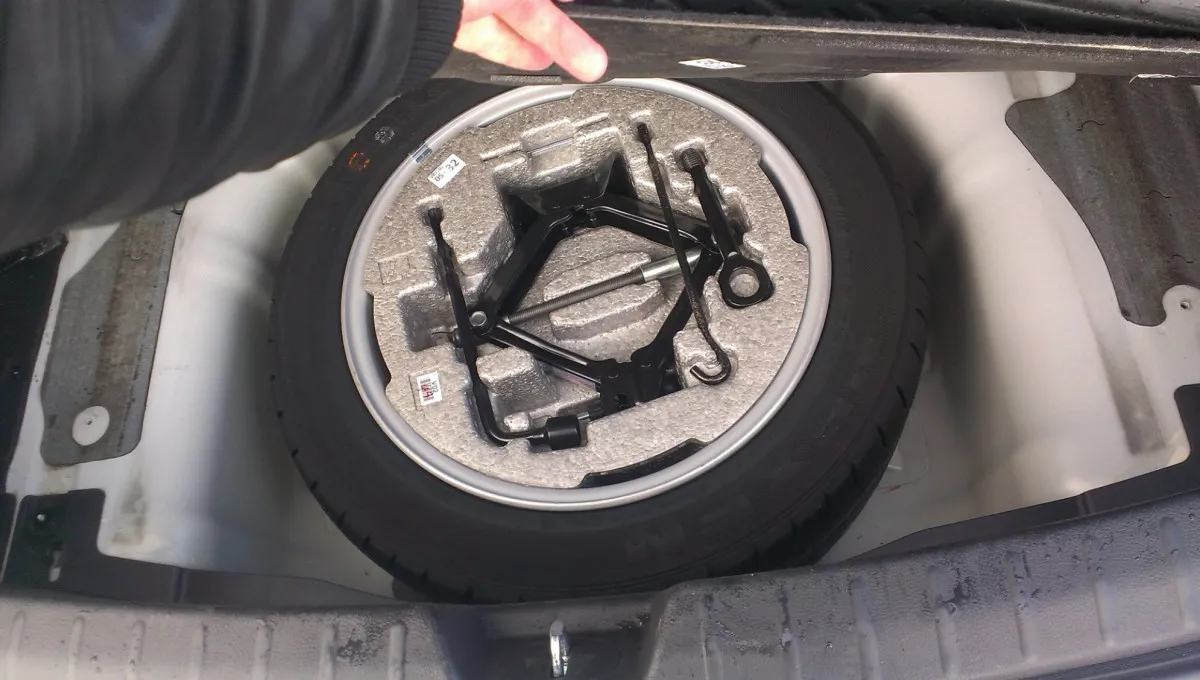
Why New Cars Are Ditching the Spare Tire — And What Drivers Get Instead
More new vehicles are replacing the spare tire with a compressor and sealant kit, and there are two practical reasons why.
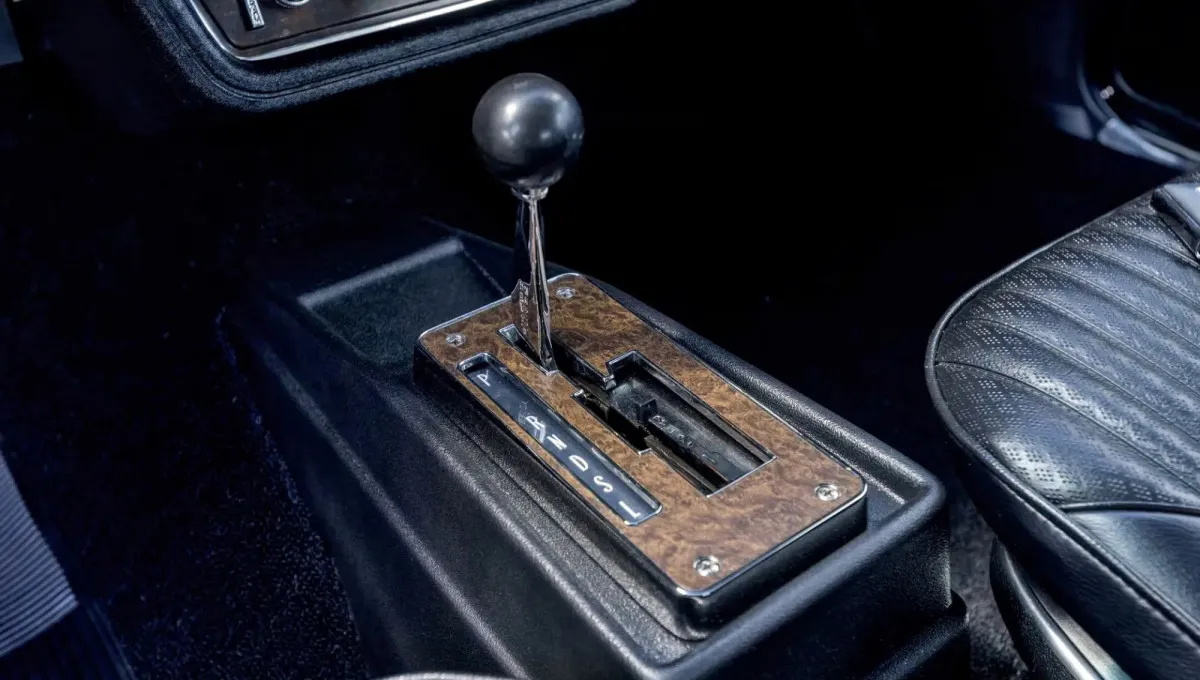
How Oldsmobile Invented a Manual Gearbox for an Automatic
Long before paddle shifters and electronic driving modes, Oldsmobile found a clever mechanical way to let drivers shift an automatic transmission themselves.
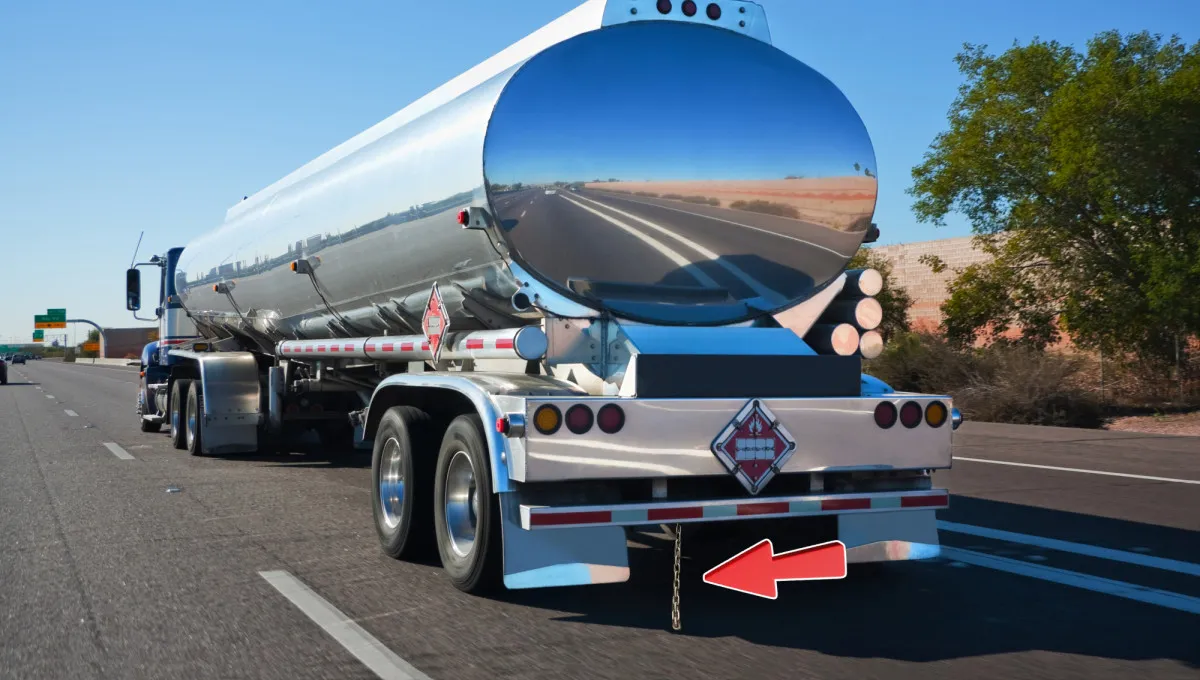
You’ve Seen This Chain Behind Fuel Tankers — But Do You Know What It’s Really For?
The metal chain dragging behind a fuel tanker isn't a forgotten part or a coincidence—it has long been associated with fire safety.
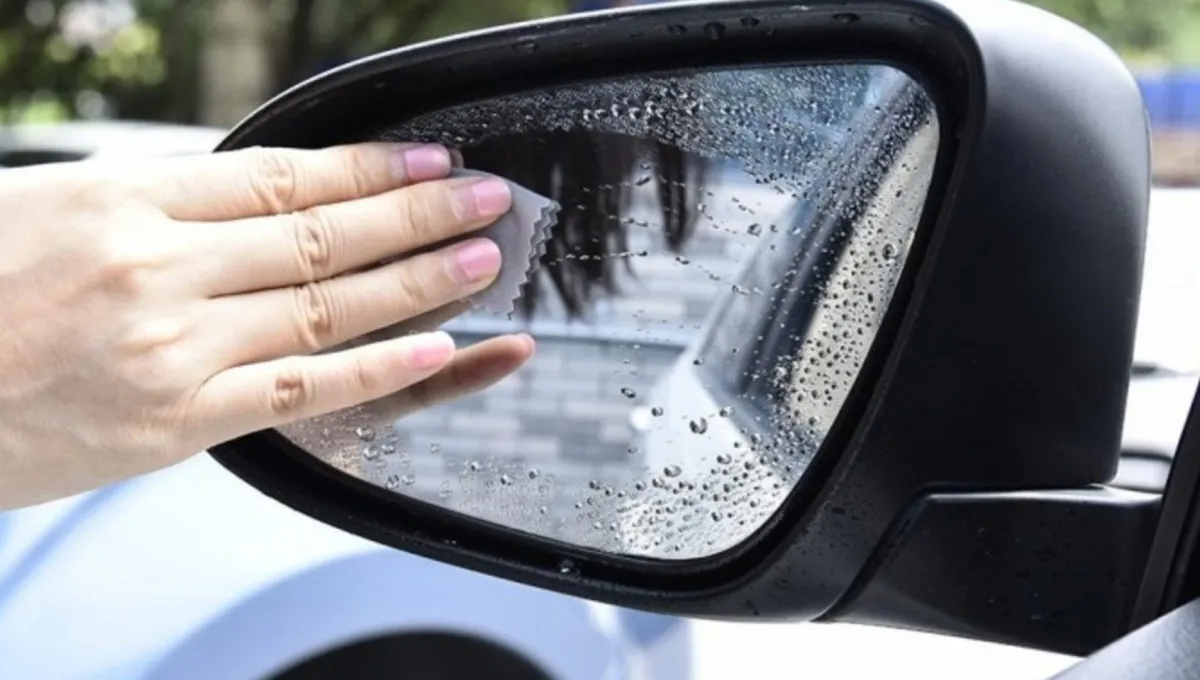
How to Protect Your Car Mirrors From Rain: A Simple Home Hack
A simple household product can help keep your car’s side mirrors clearer when rain makes visibility a challenge.