
How Drivers Ruin an Engine During a Routine Oil Check: A Common Mistake from Real-World Experience
What seems like a simple oil-level check can often be the starting point of serious engine trouble.
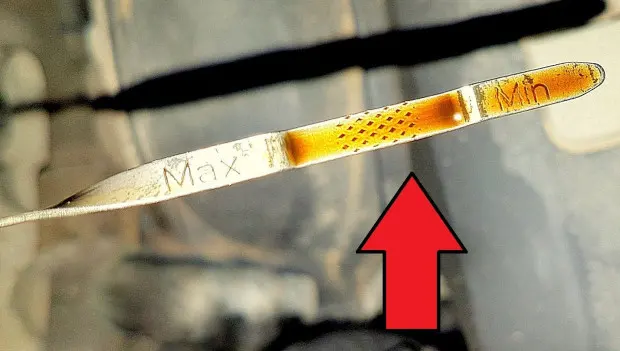
Checking the engine oil level feels like a trivial task to many drivers. Take a quick look and move on. But repair shop technicians who deal with engine failures every day say otherwise: incorrect actions at this stage often mark the beginning of major problems.
Most drivers think about engine oil only when the car itself sends a warning. The oil light comes on—then the hood gets opened. Yet it’s regular oil-level checks that actually help keep an engine healthy. The problem is that a quick, careless check can be misleading. A driver sees a “normal” reading while the engine is already operating under excessive wear.
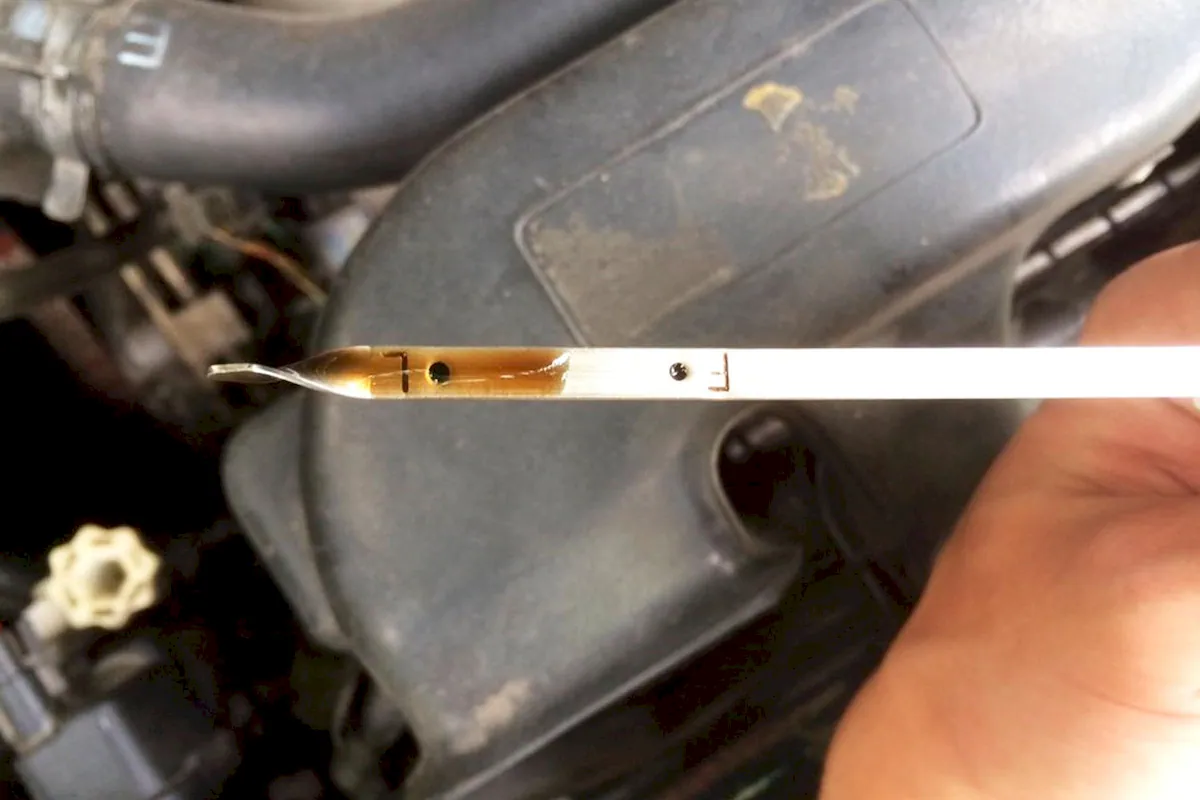
Oil level acts as an indicator of both engine condition and how well it’s doing its job. Nearly every engine is equipped with a dipstick marked with two lines—a lower and an upper limit—defining the acceptable range. But if the check is done incorrectly, the reading won’t be accurate. The dipstick may show one thing, the real situation is completely different, and the conclusions drawn are wrong.
An oil-level check only works when a few simple but strict rules are followed. First, the vehicle must be on level ground. Any slope will distort the reading, so the car has to be parked flat. Second, the procedure itself matters. You can’t judge the dipstick on the first pull: it should be removed, wiped clean, fully reinserted, and only then pulled out again. Only after that does it make sense to look at the level, which should fall between the lower and upper marks.
The most common mistake is related to timing. Checking the oil immediately after shutting off the engine—or with the engine still running—will give a false result. The oil hasn’t had time to drain back into the oil pan and is still coating engine components. The level appears low, the driver adds oil, and ends up with an overfill. Excess oil then gets pushed out through seals and gaskets, eventually leading to unpleasant consequences. The fix is simple: turn off the engine and wait about 15 minutes.
There’s one more detail that’s often overlooked. Checking the oil on uneven ground won’t give reliable data. The oil shifts inside the pan, and the dipstick no longer reflects the true level. That’s why, before popping the hood, it’s worth making sure the car is parked on level ground—not just wherever it happened to stop.
You may also be interested in the news:
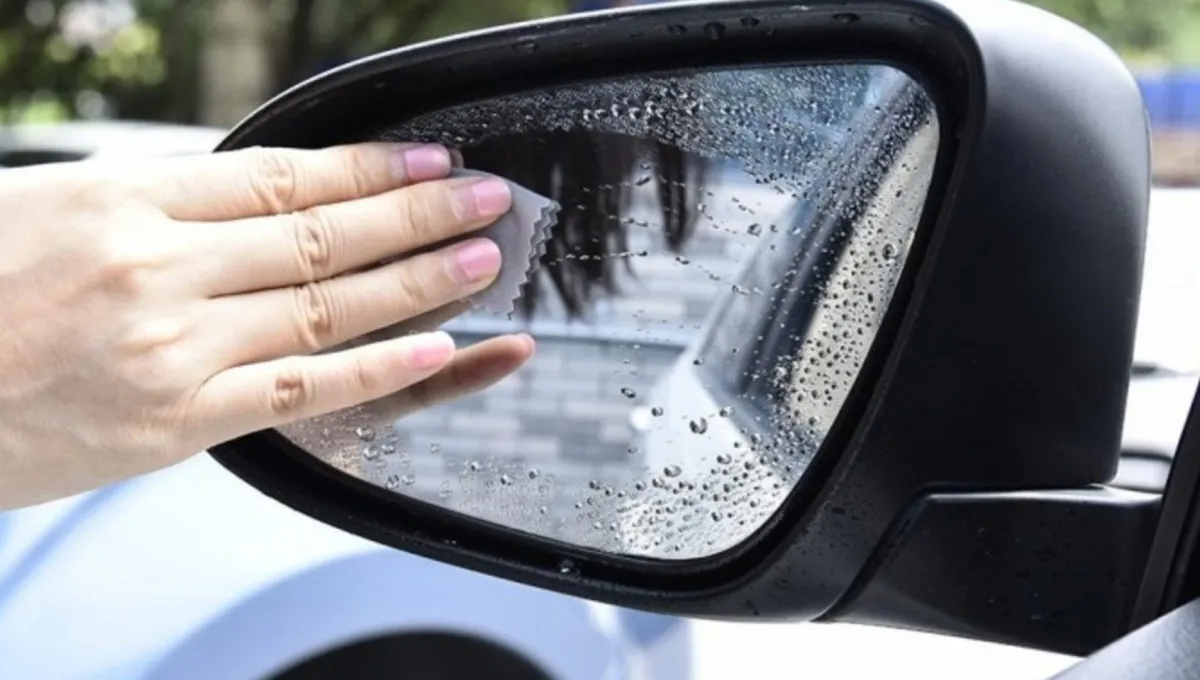
How to Protect Your Car Mirrors From Rain: A Simple Home Hack
A simple household product can help keep your car’s side mirrors clearer when rain makes visibility a challenge.
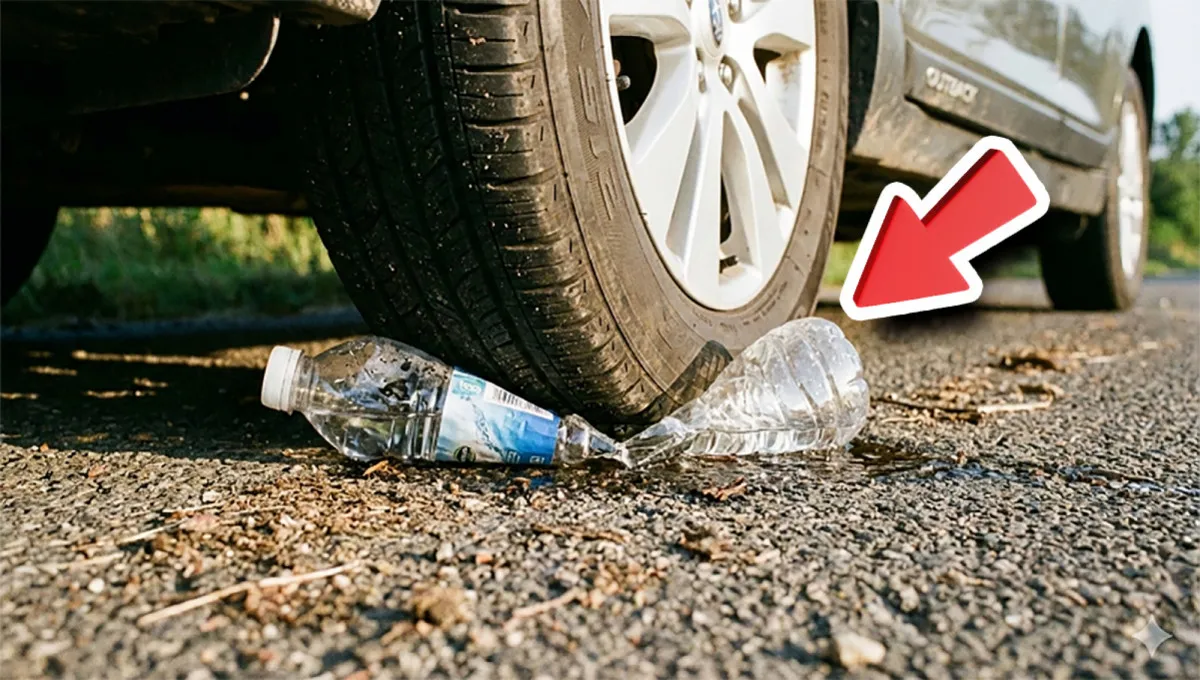
Bottle Under the Tire: The New Roadside Scam Targeting Drivers
A new roadside scam is gaining traction, using a simple plastic bottle to trick unsuspecting drivers.
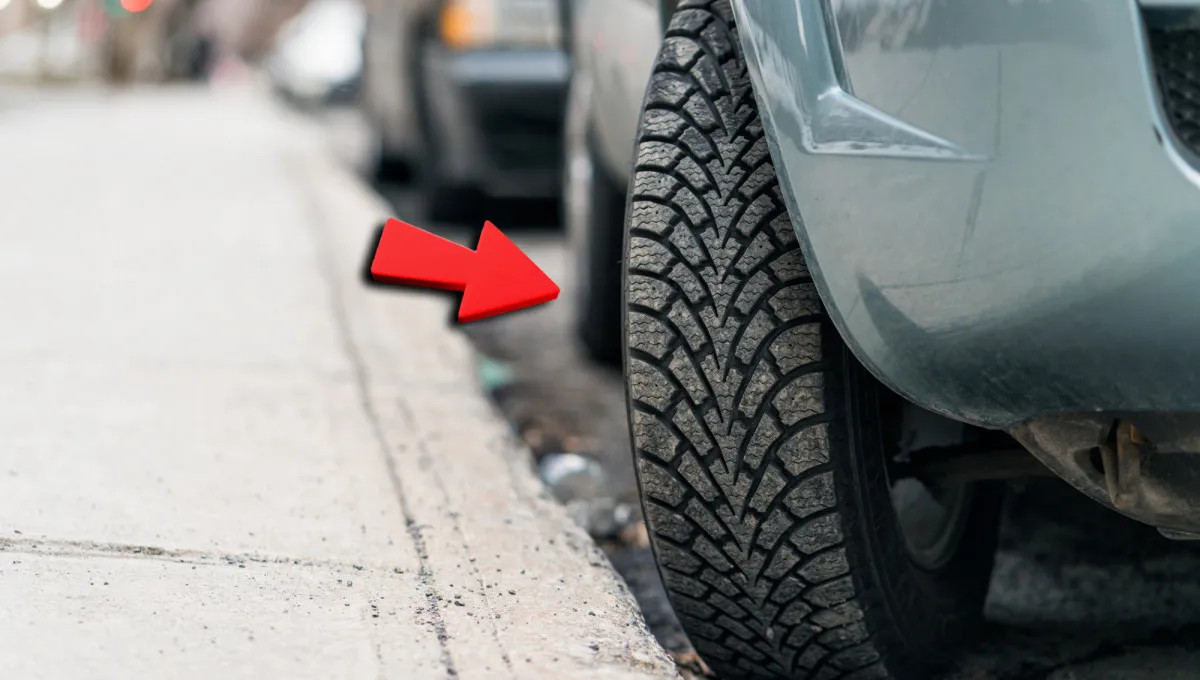
Why Your Neighbor Always Parks With the Wheels Turned: An Auto Expert Explains Three Reasons
Straight wheels aren’t always the smartest choice: experienced drivers turn them for three practical reasons you may not expect.
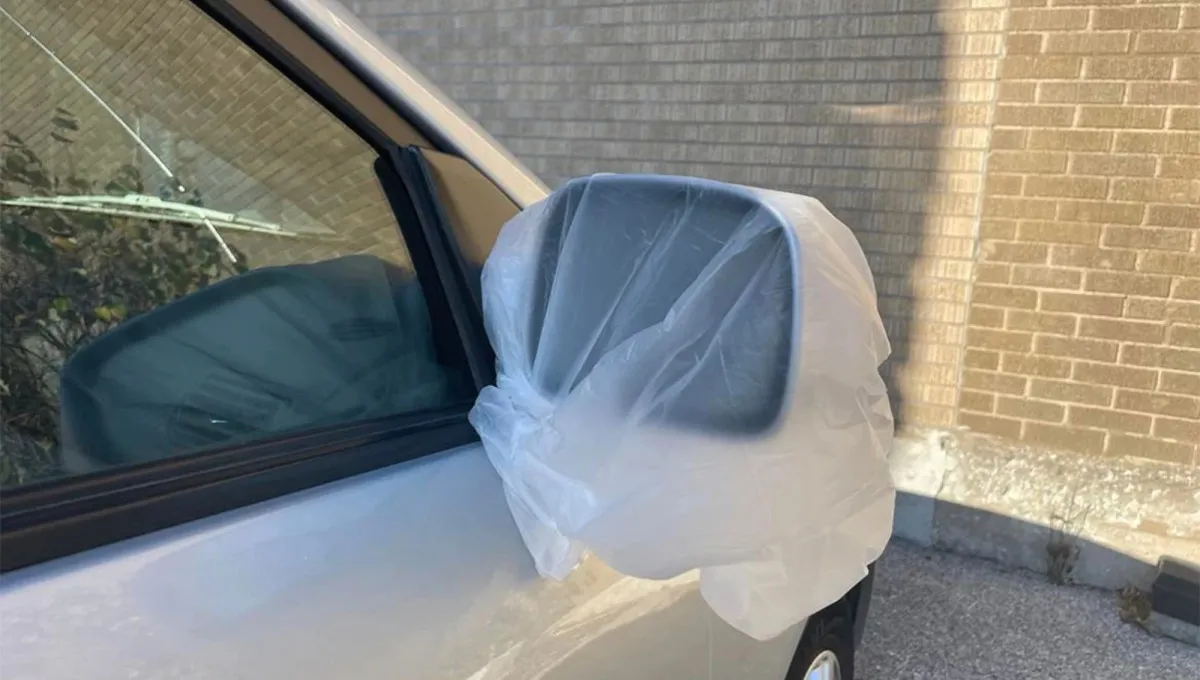
Why You Should Never Ignore a Plastic Bag on Your Car Mirror
You park your car, head inside, and return a short time later to find an ordinary plastic bag hanging from the side mirror.
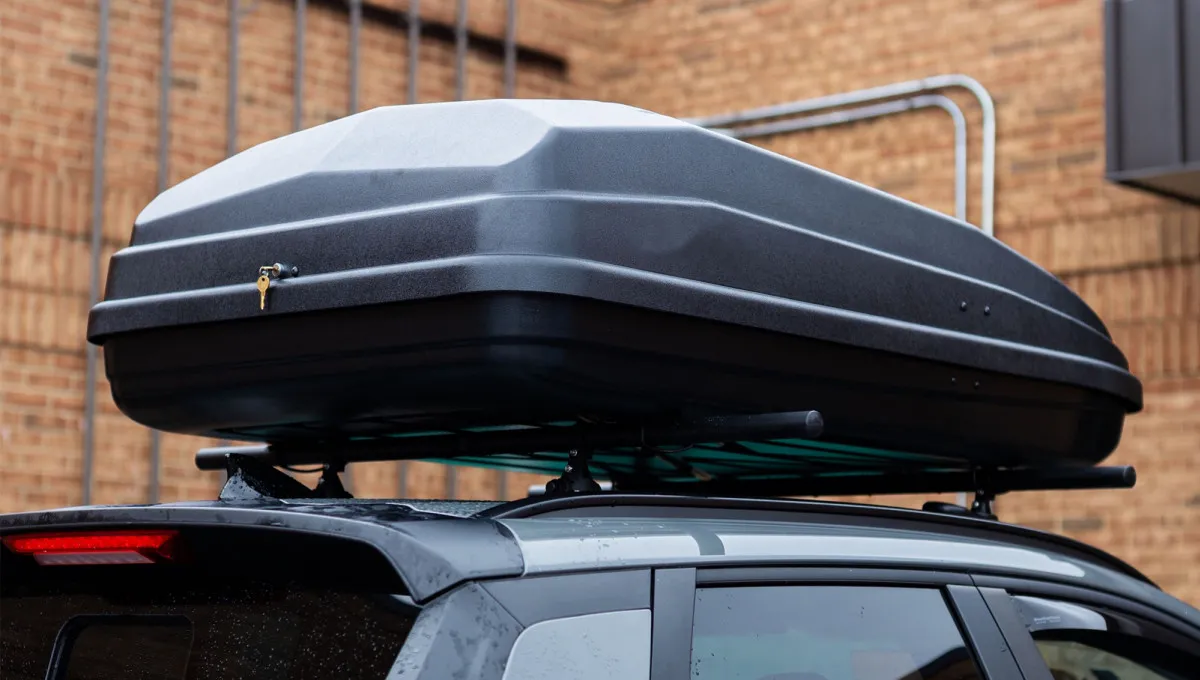
Auto Expert Warns Drivers About Common Mistakes When Installing a Roof Cargo Box
Roof cargo boxes have become increasingly popular with drivers looking for an easy way to carry more gear on road trips.