
Never Press the “OFF” Button Until You Read Your Owner’s Manual: Why It Can Be Dangerous
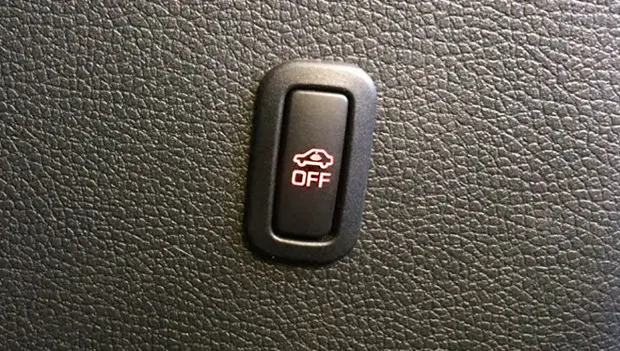
On some vehicles, an unusual button labeled “OFF” can be found on the side of the dashboard, usually to the driver’s left.
As digital technology continues to advance, the number of physical buttons in modern cars shrinks every year. Where once every function had its own dedicated switch you could simply press on or off, many automakers are now gradually abandoning physical controls altogether. It started with audio systems, when button-filled radios were replaced by touchscreen displays—a change that many drivers did not welcome. Even back then, plenty of people realized there was nothing particularly good about this “trend.”
But global automakers didn’t stop there. Today, traditional buttons have become something of a luxury and are literally disappearing from vehicle dashboards. Chinese manufacturers, in particular, have taken this to the extreme, turning their cars into rolling screens. Even climate control and other everyday functions are now buried deep within complex infotainment menus that can be frustrating to navigate without serious patience.
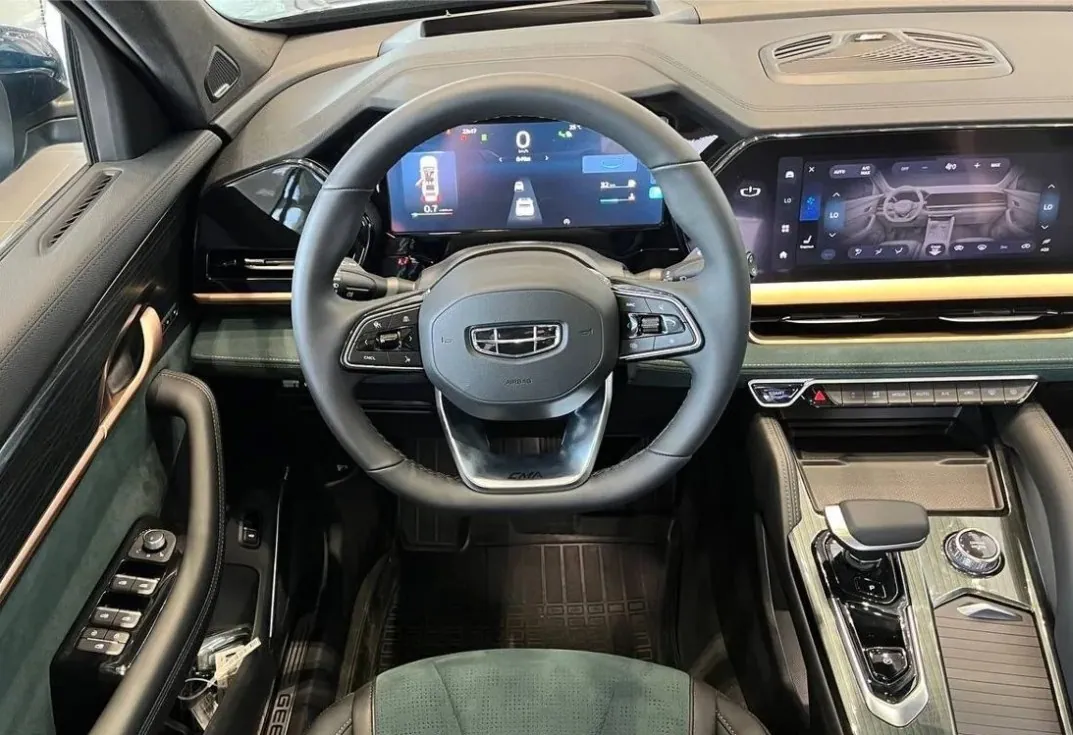
The instrument cluster is a screen, the radio is a screen—and before long, who knows, maybe even the windshield will become an LCD panel, with drivers no longer looking through glass but at a display fed by forward-facing sensors. Sounds unrealistic? Don’t be surprised if that’s where the industry eventually heads.
Ironically, even with fewer physical buttons, many car owners still never bother to learn what the remaining ones actually do. People drive the same vehicle for years without fully understanding all its functions. Headlights, wipers, and power windows are obvious—but there are other controls that can confuse even experienced drivers. One such example is familiar to many owners of VAG vehicles, including Volkswagen, Audi, and Skoda models.
What Is This Mysterious Button and What Does It Do?
On some versions, you’ll find an unusual button on the side of the dashboard, most often to the left of the driver.
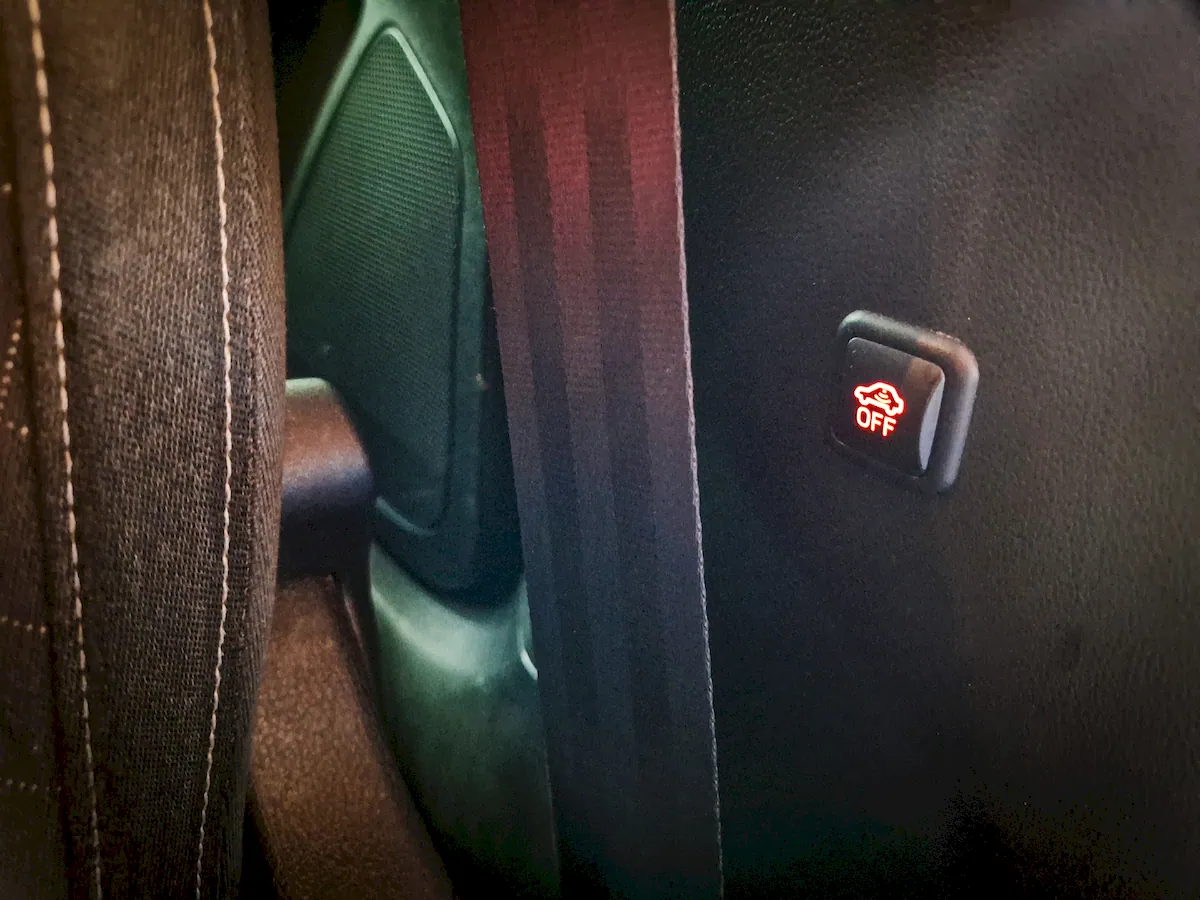
The “OFF” label suggests that pressing it disables some function, but the icon isn’t always easy to interpret. If you press it just to see what happens, don’t expect anything obvious—nothing immediately noticeable will occur. That’s exactly why pressing it casually is a bad idea.
In reality, pressing this button disables two critical systems: the interior motion sensor and the factory anti-towing protection, both of which are part of the vehicle’s alarm system.
That naturally raises a question: why would the car even offer an option to turn these systems off? The official owner’s manual provides a clear explanation:
Disable the interior monitoring and anti-towing protection if the alarm could be triggered by movement inside the vehicle (for example, people or animals), or if the vehicle needs to be transported (by train, ship, or on a tow truck platform), or when towing the vehicle with a rigid tow bar.
If these systems are not disabled and one of the above situations occurs, the alarm will be triggered and the siren will sound.
However, if you activate this mode unintentionally, simply out of curiosity or lack of knowledge, your car will effectively be left without full factory alarm protection. That significantly increases the risk of unauthorized access. In such a case, the vehicle could be quietly broken into, towed away, or even stripped for parts—all because a critical security function was manually deactivated by pressing the “OFF” button.
You may also be interested in the news:
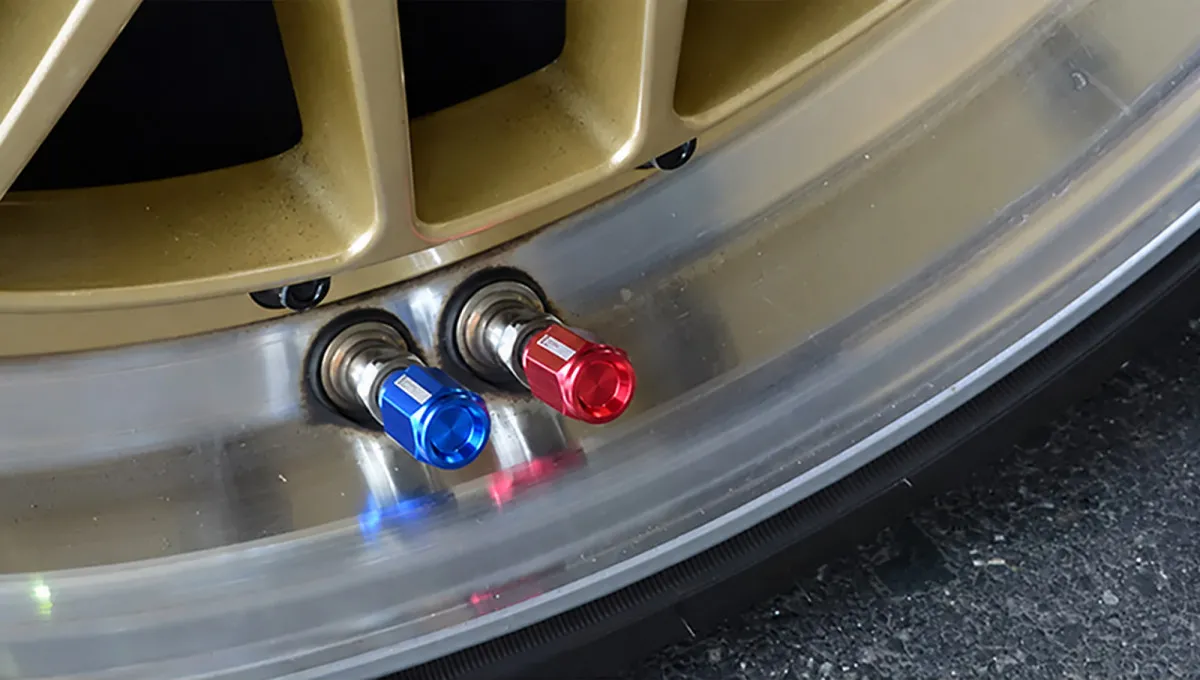
Not a Manufacturing Error: Why Some Wheels Have Two Valve Stems
Two valve stems on one wheel may look unusual, but the setup serves a practical purpose in racing and specialized tire service.

Gilded 1953 Cadillac Sells for a Record $1.275 Million
The unique Cadillac Elegante, featuring an Italian aluminum body and 24-karat gold trim, went to auction for the first time more than 70 years after it was built. It became the most expensive Cadillac ever sold at public auction.

Bottle Under the Tire: The New Roadside Scam Targeting Drivers
A new roadside scam is gaining traction, using a simple plastic bottle to trick unsuspecting drivers.

Why Your Neighbor Always Parks With the Wheels Turned: An Auto Expert Explains Three Reasons
Straight wheels aren’t always the smartest choice: experienced drivers turn them for three practical reasons you may not expect.
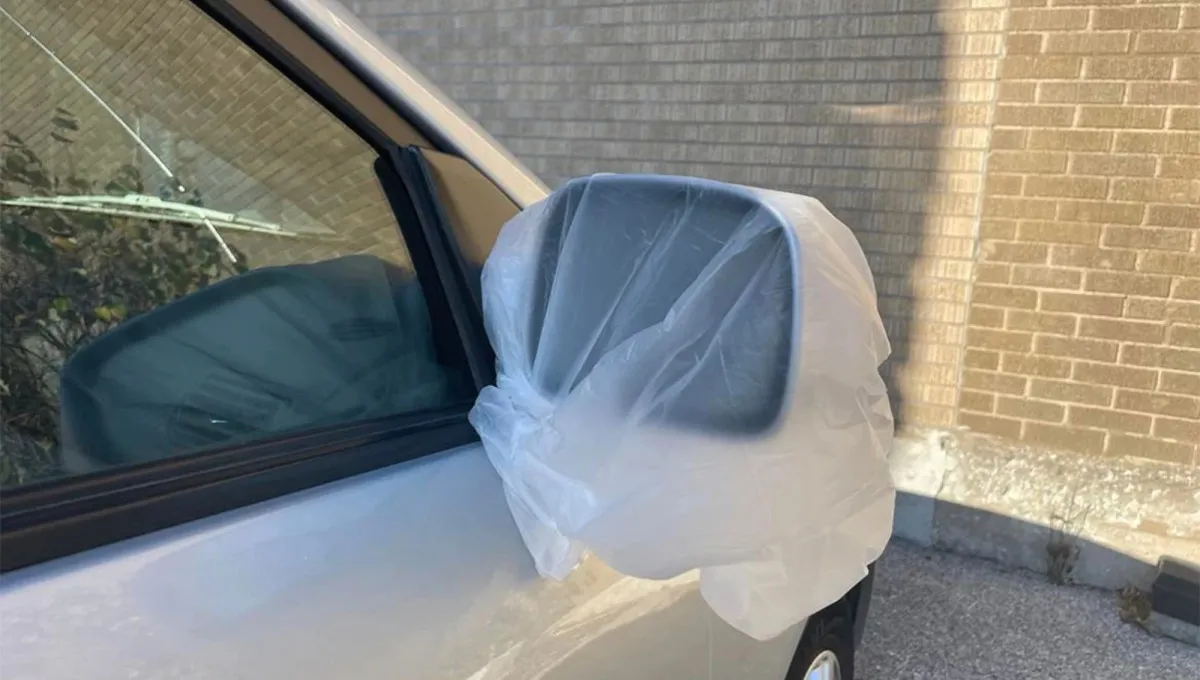
Why You Should Never Ignore a Plastic Bag on Your Car Mirror
You park your car, head inside, and return a short time later to find an ordinary plastic bag hanging from the side mirror.