
How to Fix Frozen Brakes: Five Proven Ways to Free Stuck Brake Pads
An expert shares five effective methods for unlocking frozen brake pads.
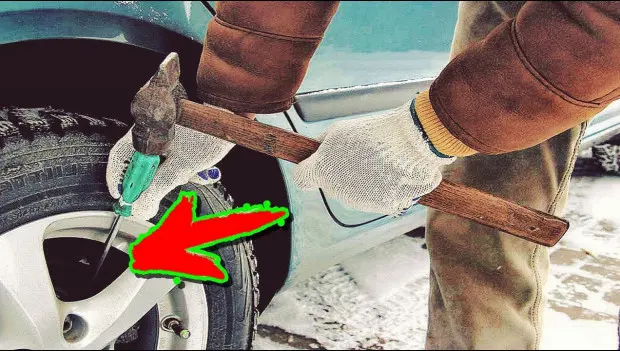
On modern vehicles, brake pads can often freeze to the rotors or drums, especially in winter conditions. If your car is equipped with standard steel rotors, dealing with this issue can be more difficult, since access to the brake components is limited by small openings.
Ice can be broken either by heating the brake components or by applying vibration. Below are five proven ways to solve the problem:
-
With the parking brake released, gently tap the rotor or brake drum with a hammer, using a wooden block as a buffer. The vibration is usually enough to crack the fragile ice.
-
Unlike a windshield, brakes can handle hot water. You can pour boiling water over the brake components—glass may crack, but the brake pads won’t be damaged.
-
Use a portable propane torch to carefully warm frozen brake drums.
-
Redirect exhaust heat to the brakes. Use a hose to channel exhaust gases from the tailpipe directly toward the brakes. The heat will help loosen the frozen pads.
-
For disc brakes, pour high-concentration windshield washer fluid through the openings in the rotor to help melt the ice inside the mechanism.
How to Prevent Brake Pads From Freezing
If you know freezing temperatures are coming after wet driving conditions, avoid using the parking brake. On level ground, it’s usually enough to put the transmission in Park (for automatics) or leave the car in first gear (for manual transmissions). Also, try not to park immediately after driving through deep puddles.
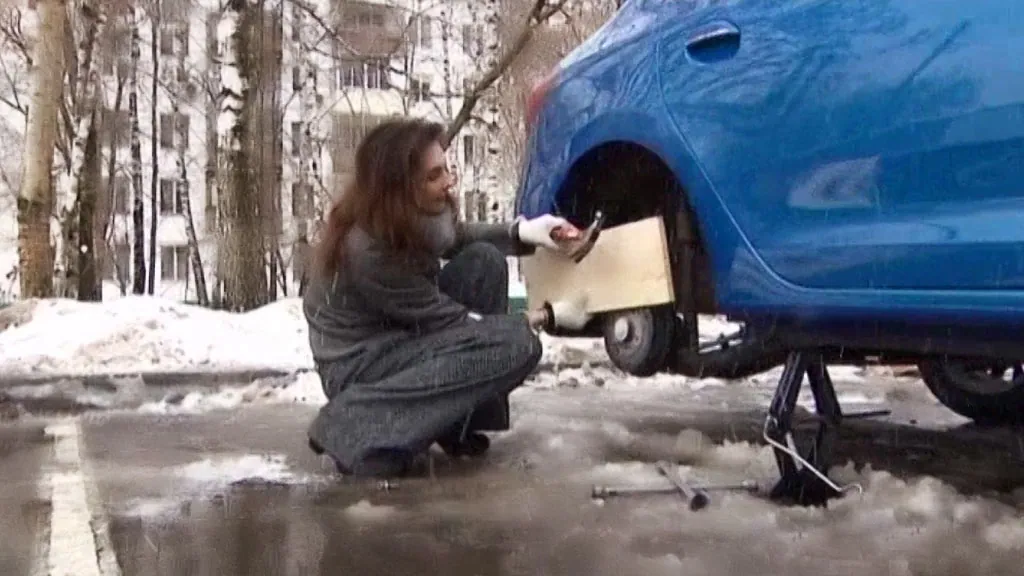
Taking a few preventive steps can save you time—and spare your brakes—from unnecessary stress on cold winter mornings.
My Story
From time to time, I’ve witnessed some pretty strange behavior from drivers when their rear brake shoes freeze to the drum—when the wheels won’t turn, but they still need to drive. They just go anyway, no matter what, with the tires squealing across the asphalt. Fine, maybe, if it’s a woman behind the wheel—but if it’s a grown man? Come on.
Sure, you can avoid this problem caused by the parking brake by simply not using it in winter. The problem is that most cars today are equipped with remote-start alarm systems, and on vehicles with a manual transmission, engaging the parking brake is a mandatory condition for remote engine start.
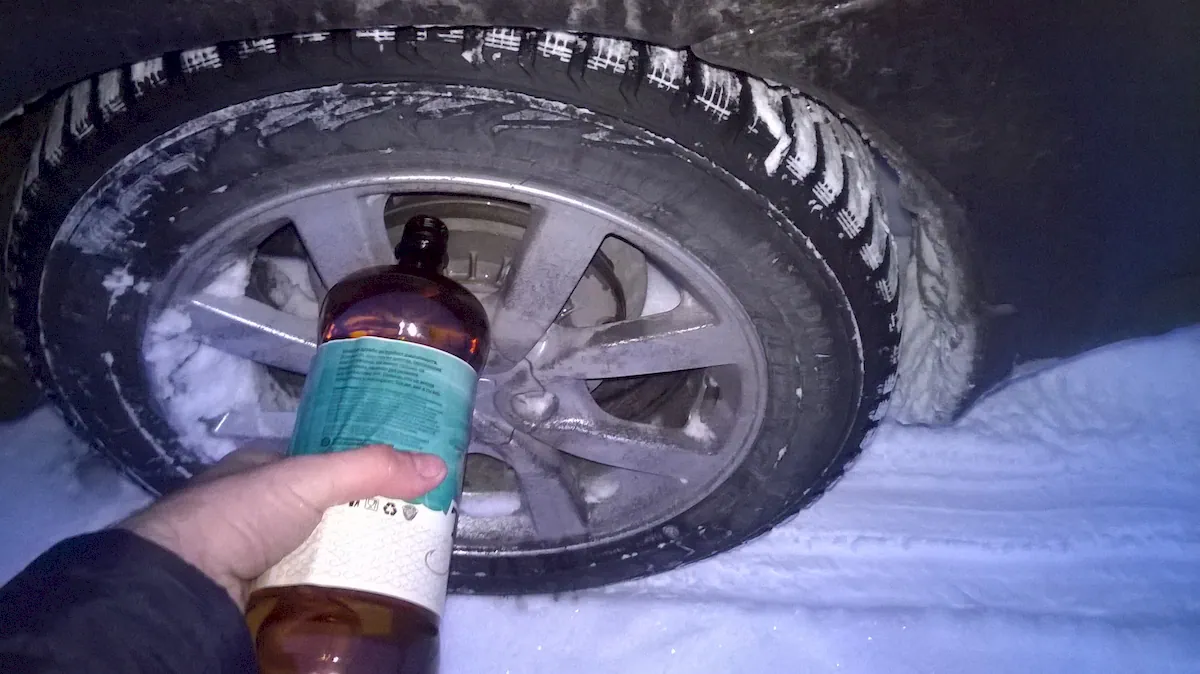
Since I use remote start myself, I ran into this issue today firsthand. I had to go back inside, fill a bottle with warm water, and pour a little over the rear brake drums. People who deal with this problem—whether out of ignorance or plain laziness—may not be able or willing to bother with it, and that’s their choice. I’m just saying: don’t be lazy, guys. Take five minutes to go back inside and grab some warm water. Of course, it’s up to everyone to decide for themselves.
One more important point: if you don’t thaw the brakes, there have been cases where the brake shoes actually broke apart.
You may also be interested in the news:
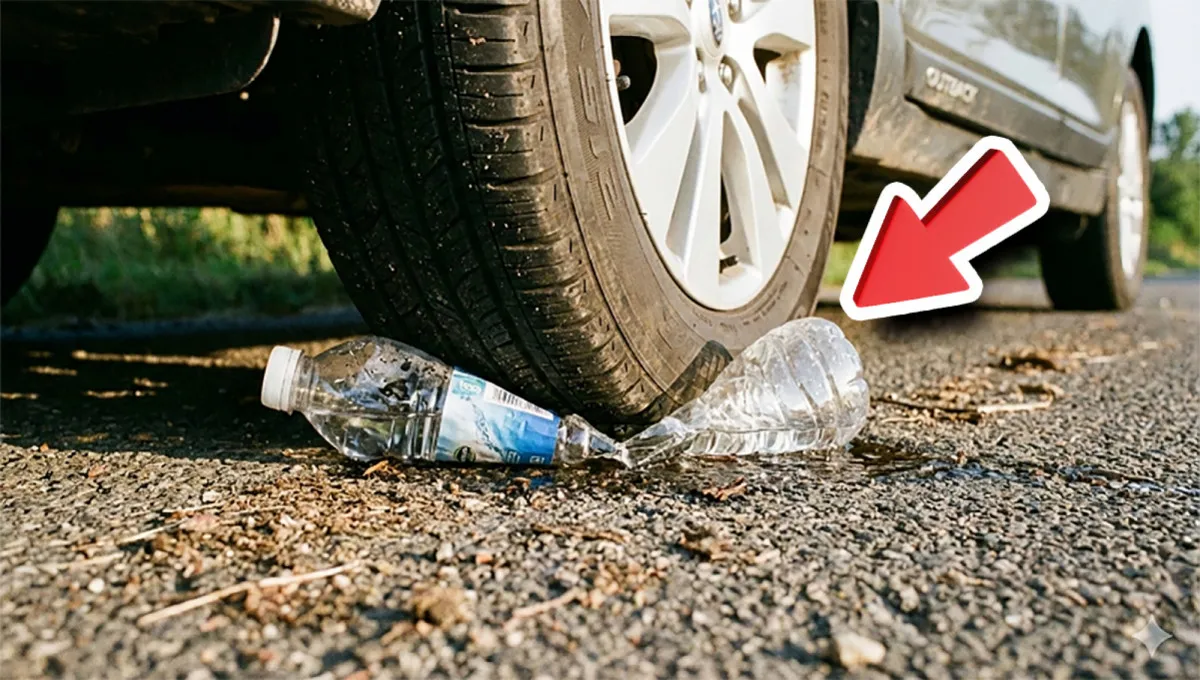
Bottle Under the Tire: The New Roadside Scam Targeting Drivers
A new roadside scam is gaining traction, using a simple plastic bottle to trick unsuspecting drivers.
Why Your Neighbor Always Parks With the Wheels Turned: An Auto Expert Explains Three Reasons
Straight wheels aren’t always the smartest choice: experienced drivers turn them for three practical reasons you may not expect.
Why You Should Never Ignore a Plastic Bag on Your Car Mirror
You park your car, head inside, and return a short time later to find an ordinary plastic bag hanging from the side mirror.
Auto Expert Warns Drivers About Common Mistakes When Installing a Roof Cargo Box
Roof cargo boxes have become increasingly popular with drivers looking for an easy way to carry more gear on road trips.
One Capful and Your Wipers Stop Squeaking: Experts Reveal a Simple Trick
We've all been there: windshield wipers start squeaking, smear grime across the glass and leave streaks behind instead of actually helping.